
Book 1
Dune
Average Goodreads rating4.3

Author · American
Frank Herbert is the visionary author behind Dune, the genre-defining science fiction saga of political intrigue, ecological upheaval and a reluctant messiah's rise across a hostile desert empire.
Retailer links may earn Trope Trove a commission, at no extra cost to you.
6 books in reading order
Book 1
Average Goodreads rating4.3
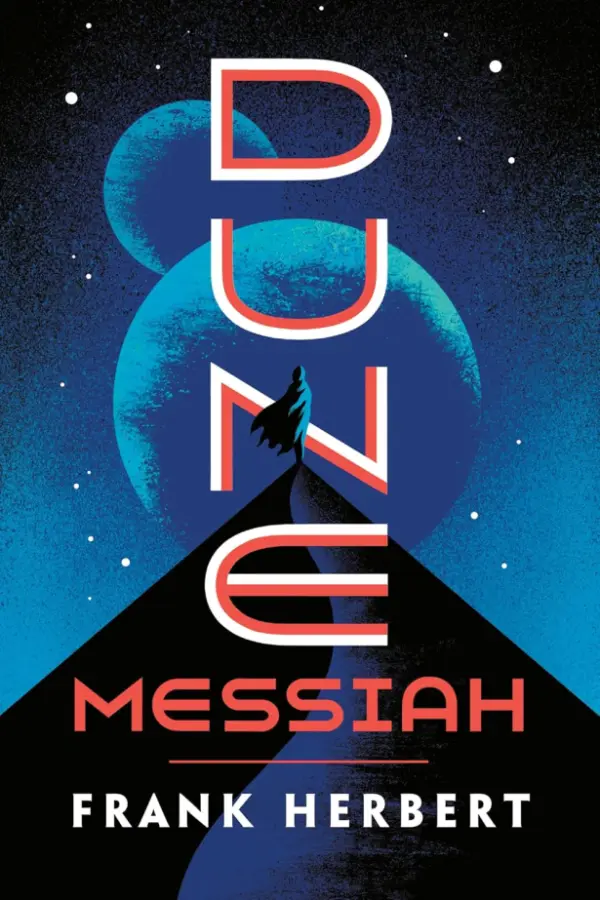
Book 2
Average Goodreads rating3.9
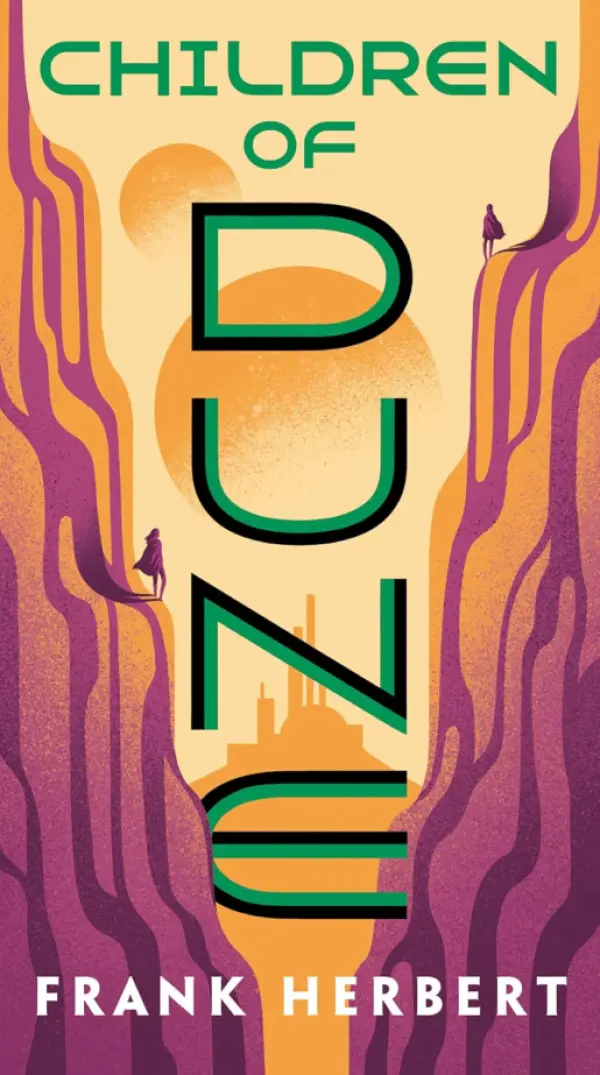
Book 3
Average Goodreads rating4.0
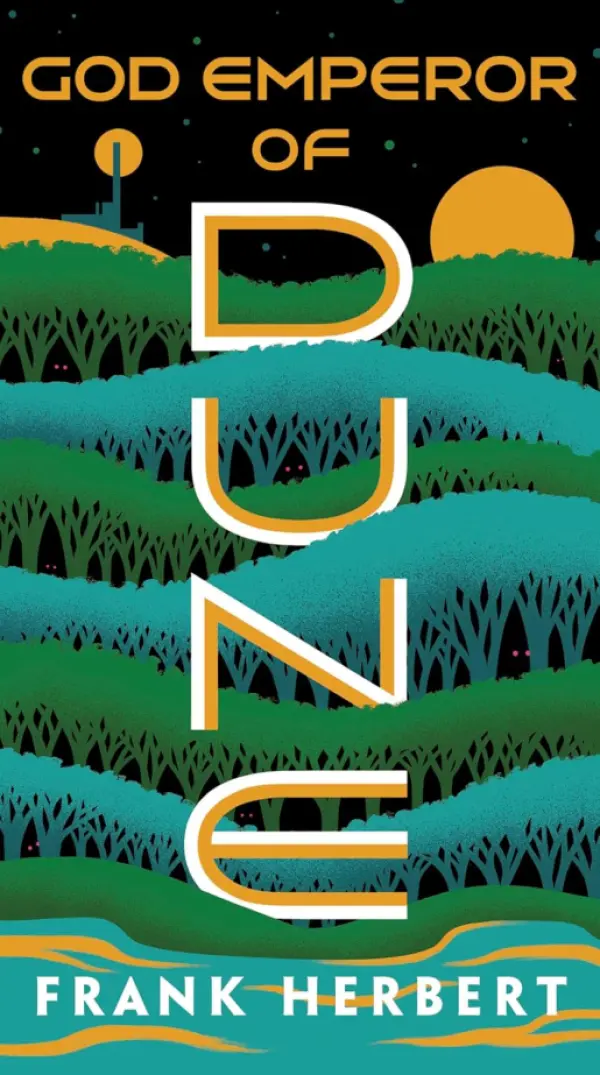
Book 4
Average Goodreads rating3.9
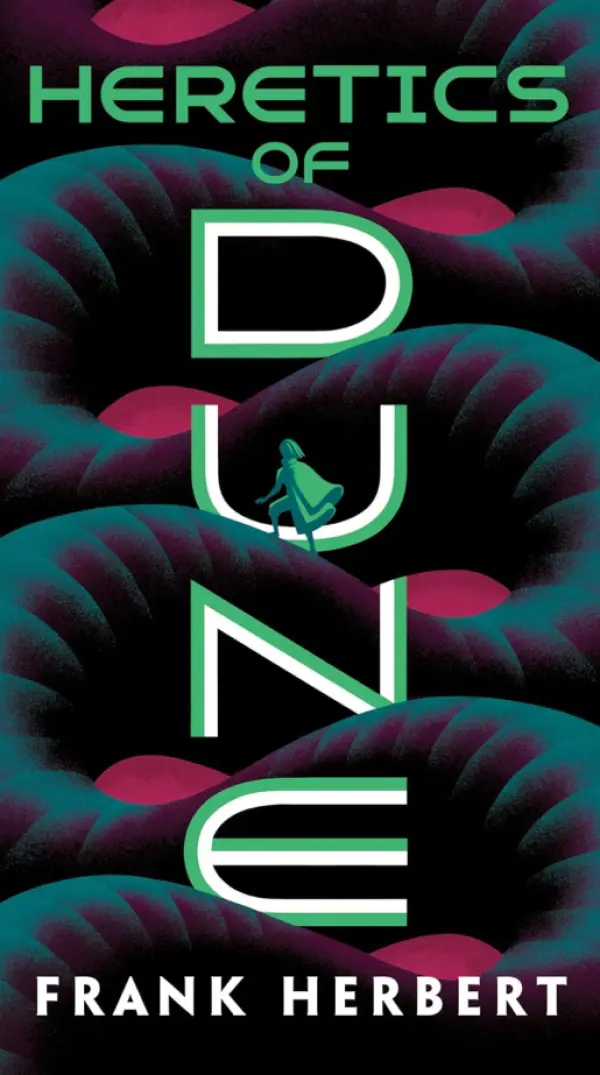
Book 5
Average Goodreads rating3.8
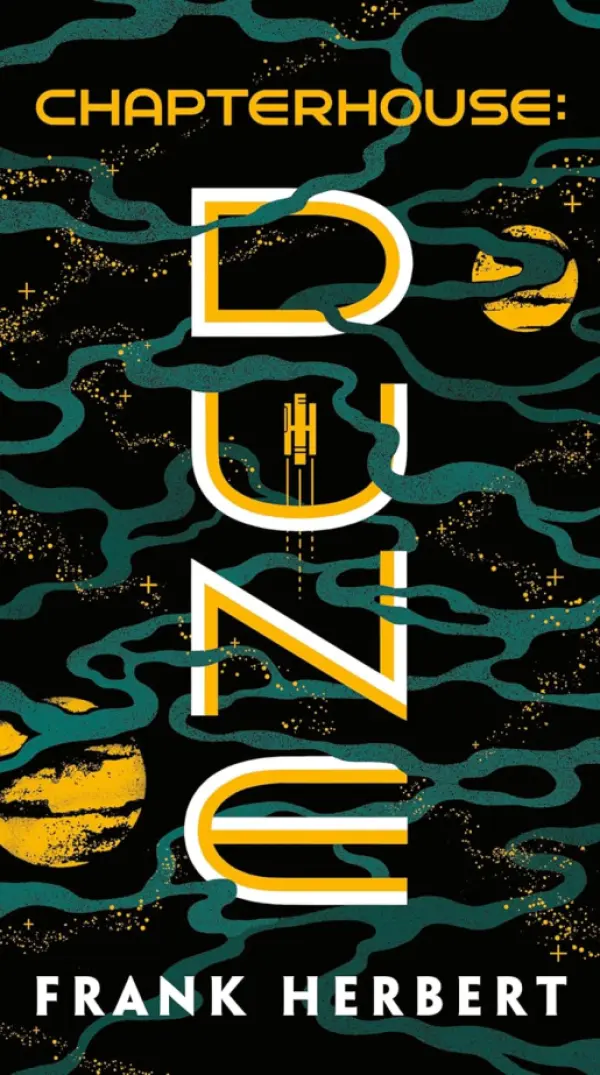
Book 6
Average Goodreads rating3.9
Frank Herbert was an American author whose name is now inseparable from a single, towering achievement: Dune. First published in 1965 after rejection from more than twenty publishers, the novel went on to become one of the best-selling science fiction books ever written, and its influence on the genre is difficult to overstate. Herbert, a former journalist and photographer, spent years researching ecology, religion, and politics before the novel took shape, and that depth of research is precisely what set his work apart from the pulpier science fiction of the era. The result is widely regarded as one of the finest examples of hard science fiction, grounding its empires and ecosystems in genuine scientific and political logic rather than spectacle.
Dune introduces Paul Atreides, heir to a noble house sent to govern the desert planet Arrakis - a world as inhospitable as it is coveted, thanks to its monopoly on the most valuable substance in the universe. From its opening pages, the novel establishes itself as far more than a space adventure. It is a story built on political intrigue, religious manipulation, and a meticulously constructed feudal universe where every alliance carries a hidden cost. Paul's arc is one of the genre's definitive examples of the chosen one, pushed towards a destiny he never wanted and cannot fully escape, with an ancient prophecy woven through nearly every decision made around him. The tension between what is foreseen and what can still be chosen - fate vs free will - sits at the heart of the entire saga, and Herbert never lets the question resolve easily.
The saga continues across five further novels, all written by Herbert before his death in 1986: Dune Messiah, Children of Dune, God Emperor of Dune, Heretics of Dune, and Chapterhouse: Dune. Each instalment pushes the timeline and scope further outward, following the long, uneasy consequences of power seized and the corrupt empires & tyrannical rule built - and broken - in its name. Readers drawn to slow-building power & corruption narratives laced with betrayal and shifting loyalty will find the later books just as rewarding as the first, even as the focus shifts across generations and centuries. Herbert was unusually committed to making his protagonists pay a price for the power they accumulate, and the saga's threads of coming of age never resolve into easy triumph.
Following Herbert's death, his son Brian Herbert continued the universe in collaboration with Kevin J. Anderson, producing numerous prequels and two direct sequels based on Herbert's surviving notes. These extend the Dune universe considerably, though the original six novels remain the foundation most readers start with and the clearest expression of Herbert's own voice and intent.
Beyond Dune, Herbert wrote a number of standalone science fiction novels that showcase the same restless curiosity - among them The Dosadi Experiment, Whipping Star, and The White Plague - though none achieved the cultural reach of his desert saga.
What distinguishes Herbert's writing, even decades on, is his refusal to simplify. His political plots are rarely about a single twist; they are about the slow accumulation of consequence, where every character's hidden motive ripples outward for books at a time. His prose is dense and demanding compared to much contemporary genre fiction, asking readers to sit with politics, ecology, and philosophy rather than racing past them. Environmental collapse is not incidental to his work - Herbert was writing about ecological fragility and resource scarcity decades before either became mainstream concerns, and Arrakis's transformation across the series is as much an environmental parable as a political one.
Herbert's influence runs through nearly every major science fiction saga that followed, and comparisons to J.R.R. Tolkien's world-building ambition in fantasy are not accidental - both authors built universes so dense they outlived their creators. For readers drawn to fantasy's political scheming and chosen-one narratives but curious about science fiction's take on the same ideas, Herbert's Dune saga remains the genre's most essential bridge: a story where prophecy, power, and survival collide on a planet that refuses to make any of it easy.
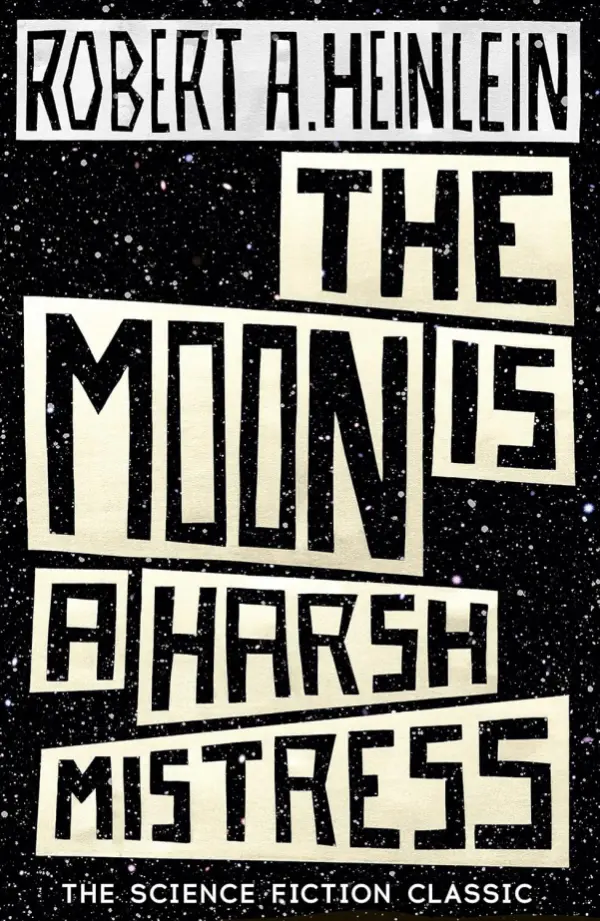
Robert A. Heinlein
Average Goodreads rating4.4
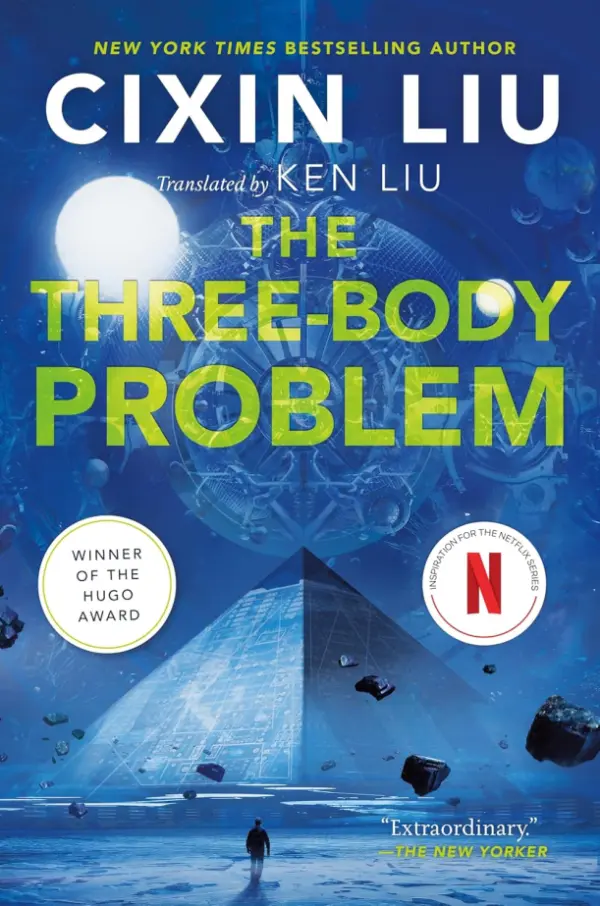
Liu Cixin
The Three-Body Problem, book 1
Average Goodreads rating4.1
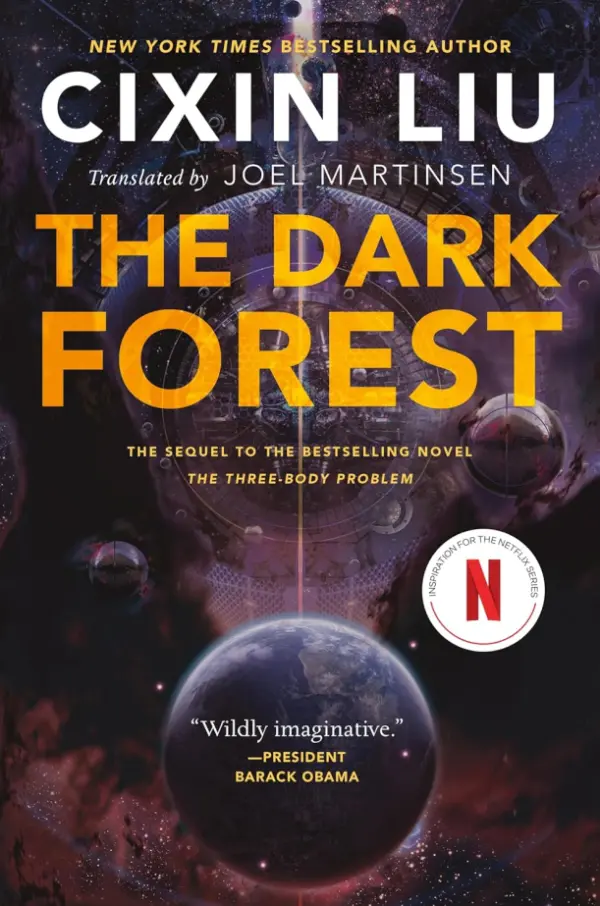
Liu Cixin
The Three-Body Problem, book 2
Average Goodreads rating4.4

Liu Cixin
The Three-Body Problem, book 3
Average Goodreads rating4.4

Pierce Brown
Red Rising, book 1
Average Goodreads rating4.5

Pierce Brown
Red Rising, book 2
Average Goodreads rating4.7
Occasional emails with new recommendations, series news and trope round-ups.