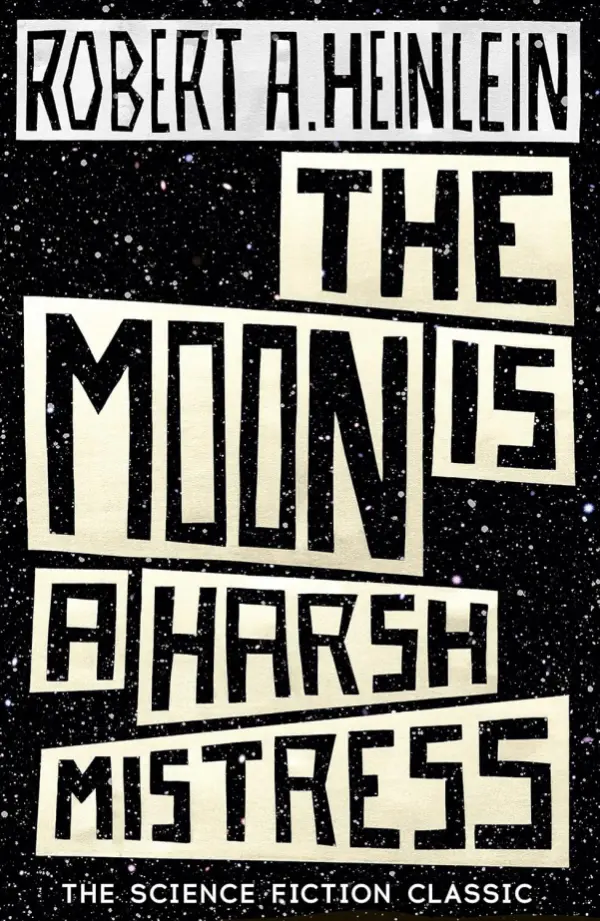
The Moon is a Harsh Mistress
Robert A. Heinlein
Average Goodreads rating4.4
- Artificial Intelligence (AI)
- First-Person POV

Book series · 6 books
The Dune saga by Frank Herbert is the genre-defining hard sci-fi series following House Atreides on the desert planet Arrakis, exploring prophecy, political conspiracy, and humanity's distant evolution.

Start the series here · book 1
A desert planet. A drug worth killing for. A boy who might be more than he seems. Frank Herbert's Dune is the towering, genre-defining space opera that set the template for nearly every epic science fiction saga that followed.
896 pages
Retailer links may earn Trope Trove a commission, at no extra cost to you.
Start here 896 pages Goodreads rating4.3
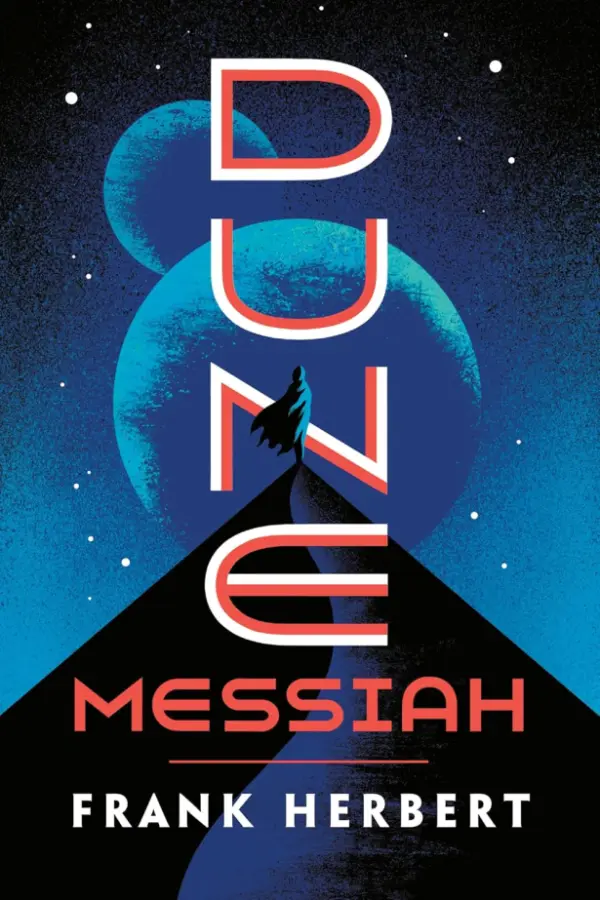
304 pages Goodreads rating3.9
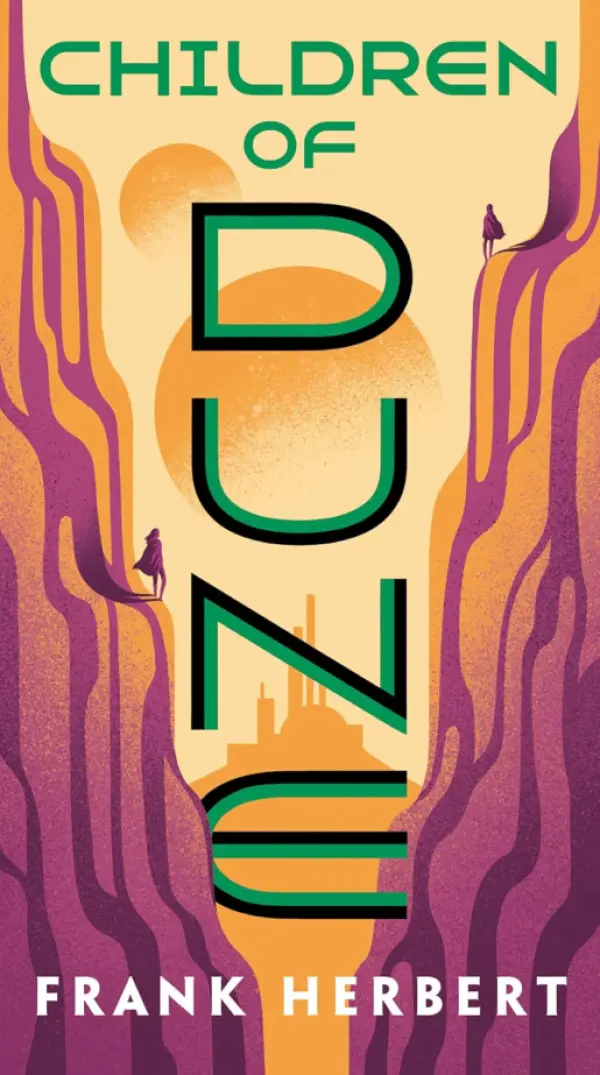
624 pages Goodreads rating4.0
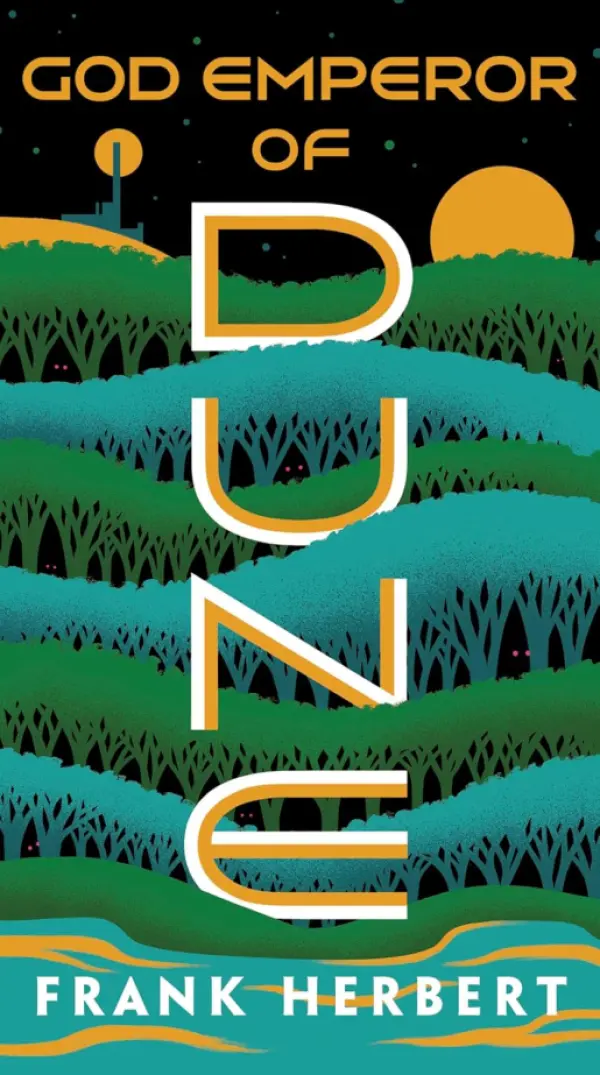
608 pages Goodreads rating3.9
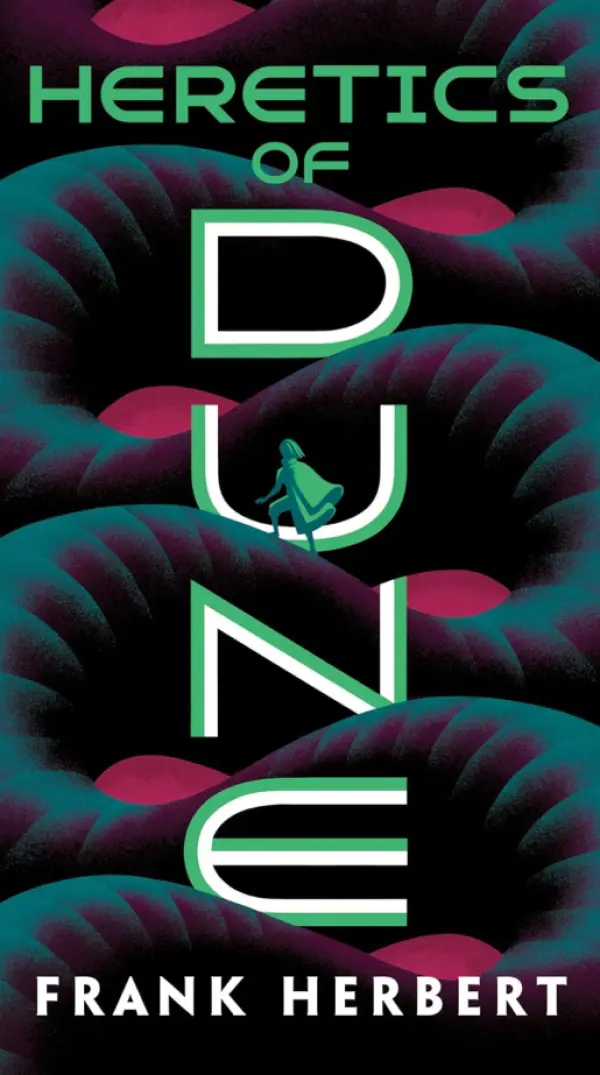
688 pages Goodreads rating3.8
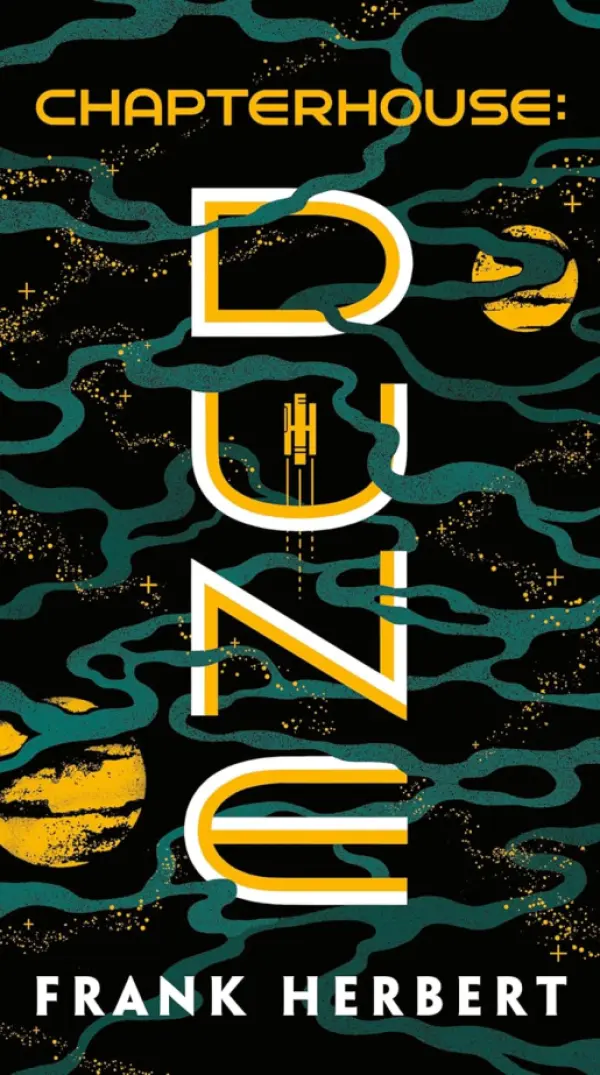
624 pages Goodreads rating3.9
Few works of speculative fiction have shaped the genre as profoundly as Frank Herbert's Dune saga. First published in 1965, this six-novel sequence is widely regarded as one of the most influential works of Hard Science Fiction ever written, blending ecology, religion, politics, and human evolution into a single, staggeringly ambitious vision of the far future. Set across millennia in a feudal interstellar empire where noble Houses vie for control of planets, resources, and the loyalty of armies, the series owes much of its enduring power to its setting: Arrakis, a brutal desert world that is also the only known source of melange - "spice" - a substance so valuable it underpins interstellar travel, prolongs life, and expands consciousness. Whoever controls the spice controls the universe, and that simple, devastating premise drives every act of betrayal, faith, and ambition across the entire saga.
Dune (1965) is the first book in the Dune saga series and remains the most widely read science fiction novel ever published. It introduces young Paul Atreides as his family, House Atreides, is granted stewardship of Arrakis - a political "gift" that conceals a deadly trap. As Paul is drawn into the customs and survival skills of the planet's native Fremen people, he begins a transformation that will shape the rest of the series. The novel is a masterclass in world-building, weaving ecology, religious prophecy, and Political Intrigue into a single propulsive narrative, and its exploration of the Chosen One archetype remains one of the most studied in the genre.
Dune Messiah (1969) picks up several years after the events of the first novel, with Paul now occupying a position of immense power. Rather than continuing in triumphant fashion, Herbert uses the sequel to interrogate the cost of that power, surrounding Paul with conspiracies, divided loyalties, and the uncomfortable consequences of becoming a figure of religious devotion. It's a deliberately challenging, introspective follow-up that rewards patient readers.
Children of Dune (1976) shifts focus to the next generation, following Paul's children as they navigate a galaxy still reshaped by their father's legacy. Political and religious tensions continue to deepen, and the novel closes out what many consider the original trilogy with real narrative and thematic closure.
God Emperor of Dune (1981) leaps forward thousands of years, presenting one of science fiction's most audacious transformations of a central character and an empire ruled in a manner unlike anything seen earlier in the series. It's the most divisive entry for newer readers, but also one of the saga's most philosophically dense.
Heretics of Dune (1984) jumps forward again, into a galaxy fractured by a great migration and the return of unfamiliar, dangerous forces from beyond known space. New factions and new protagonists take centre stage as old institutions struggle to adapt to threats they no longer fully understand.
Chapterhouse: Dune (1985) is Frank Herbert's final novel in the saga, continuing directly from its predecessor as remaining factions fight for survival and control of what's left of the old order. It closes out Herbert's original vision for the series with high stakes and several threads left deliberately open.
Across all six books, the Generational Saga structure allows Herbert to examine how power, prophecy, and ecological consequence ripple outward across centuries rather than single lifetimes - something very few series attempt with this level of ambition. The Hero's Journey of the opening novel is deliberately complicated and questioned as the saga progresses, with later books actively pushing back against the idea that messianic figures are unambiguously good for the societies that follow them.
Recurring themes include the corrupting nature of absolute power, the danger of charismatic leadership and religious fervour, the long-term consequences of ecological intervention, and the tension between free will and prophecy. Herbert was famously sceptical of strongman leaders and Revolution Narrative tropes that assume a single saviour can fix a broken system - a scepticism that runs through every subsequent book in increasingly explicit ways.
What distinguishes the Dune saga from virtually everything that followed in its wake is its refusal to simplify. Herbert builds entire systems of governance, ecology, economics, and belief, then spends six books pulling at every thread to show the reader exactly what those systems cost the people living inside them.
Frank Herbert is the visionary author behind Dune, the genre-defining science fiction saga of political intrigue, ecological upheaval and a reluctant messiah's rise across a hostile desert empire.
Books, series and tropes by Frank Herbert
Robert A. Heinlein
Average Goodreads rating4.4
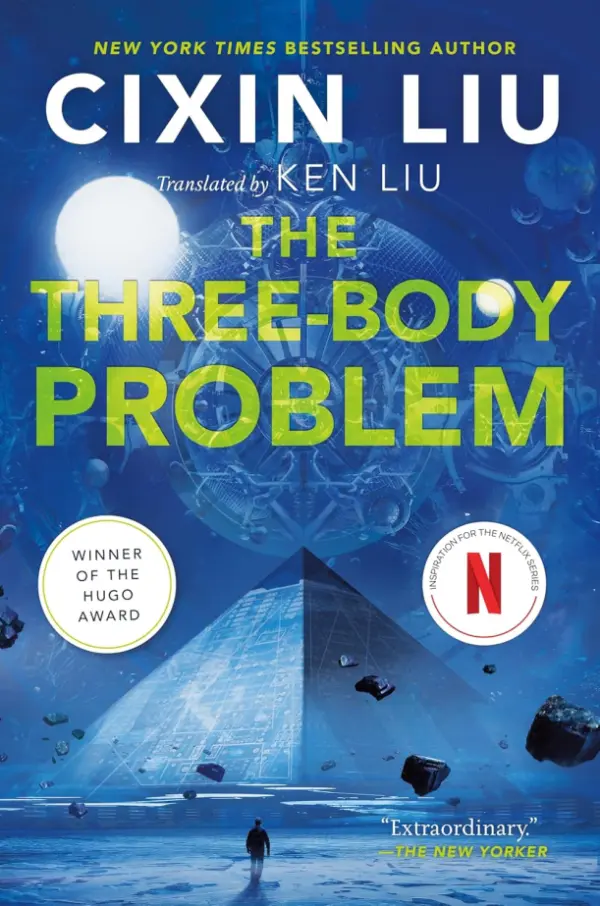
Liu Cixin
The Three-Body Problem, book 1
Average Goodreads rating4.1
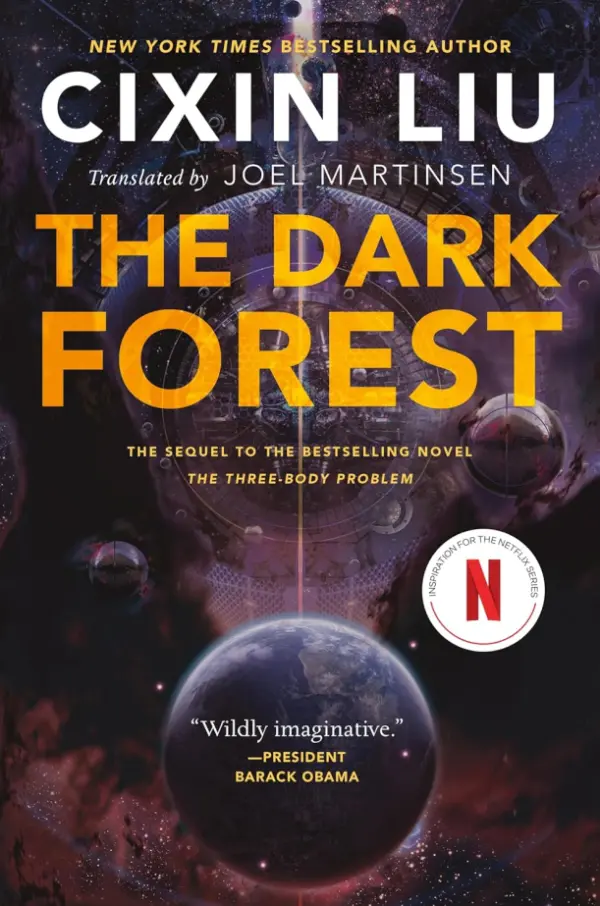
Liu Cixin
The Three-Body Problem, book 2
Average Goodreads rating4.4

Liu Cixin
The Three-Body Problem, book 3
Average Goodreads rating4.4

Pierce Brown
Red Rising, book 1
Average Goodreads rating4.5

Pierce Brown
Red Rising, book 2
Average Goodreads rating4.7
Brandon Sanderson
3 books
Sarah J. Maas
5 books
Brandon Sanderson
4 books
Pierce Brown
6 books · complete series
James Islington
2 books · complete series
Neal Shusterman
3 books
Occasional emails with new recommendations, series news and trope round-ups.


