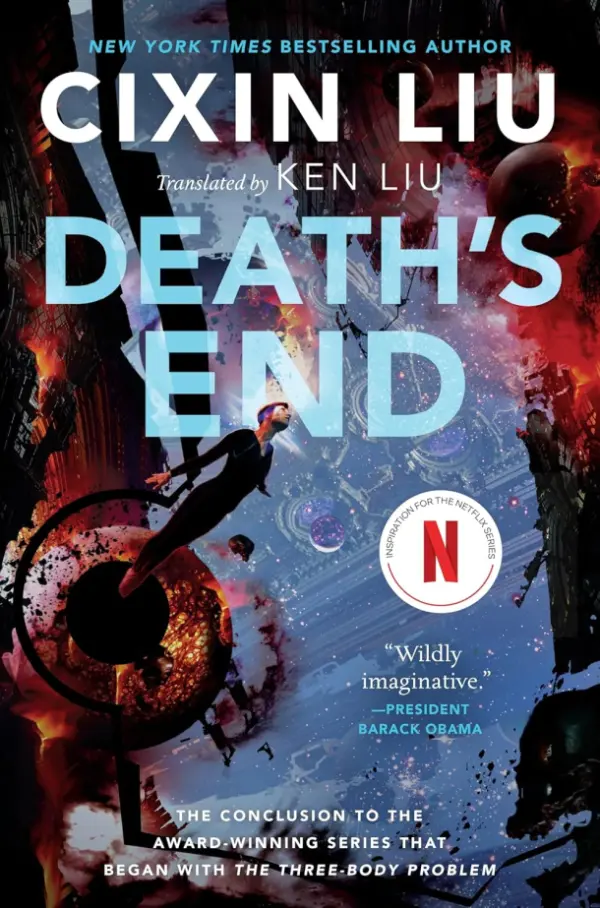
Death's End
Liu Cixin
The Three-Body Problem, book 3
Average Goodreads rating4.4
- Love & Mortality
- Moral Dilemma

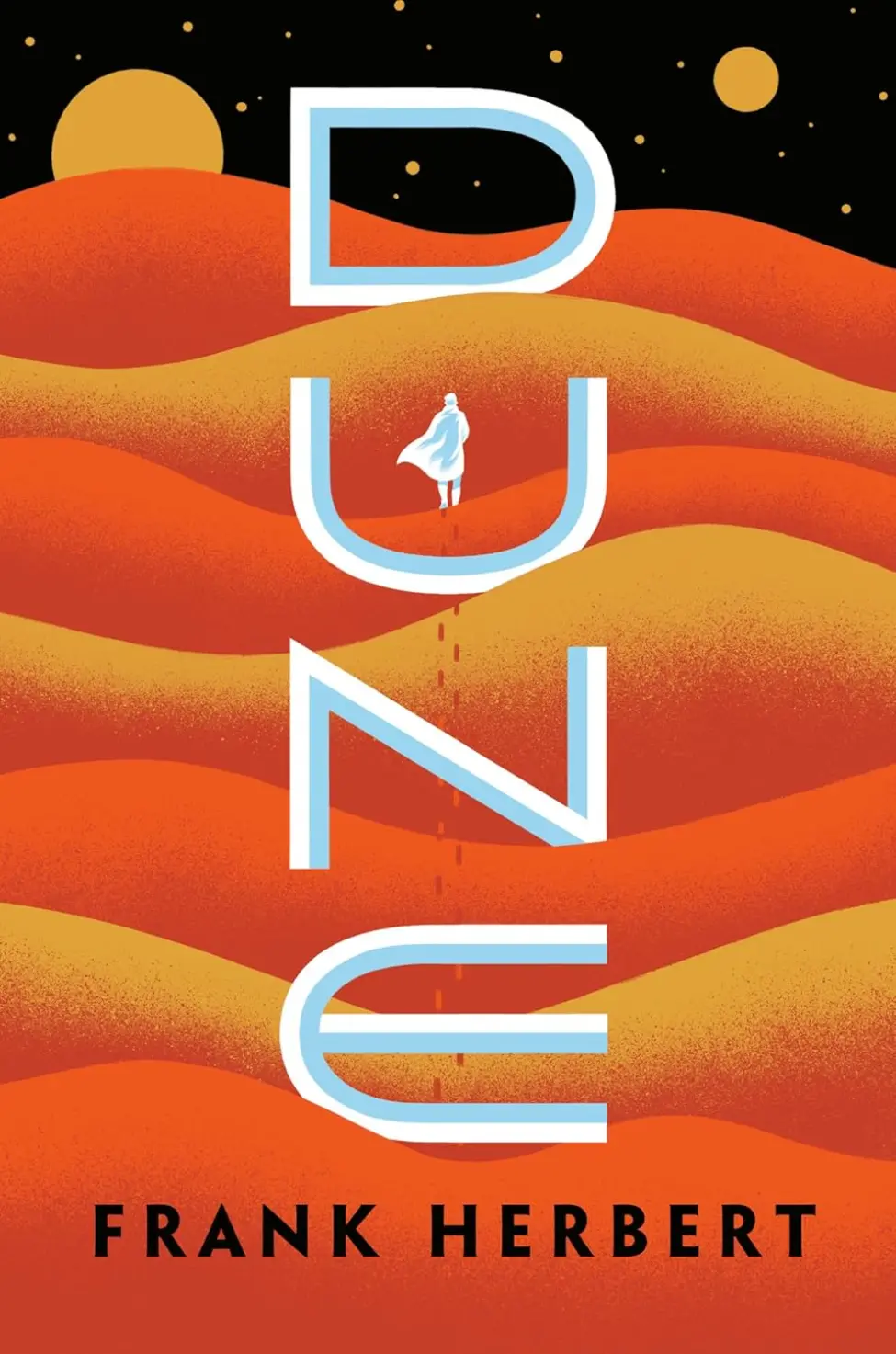
Book 1 in Dune
We independently select and recommend books. Purchases made through our links may earn us a commission, at no extra cost to you. Prices and availability are set by each retailer.
A desert planet. A drug worth killing for. A boy who might be more than he seems. Frank Herbert's Dune is the towering, genre-defining space opera that set the template for nearly every epic science fiction saga that followed.
Tagged on the series as a whole, so not every book will feature each one.
Dune is the opening instalment of Frank Herbert's Dune Chronicles, first serialised in Analog magazine through the early 1960s before being published in full in 1965. It tied for the Hugo Award and won the inaugural Nebula Award for Best Novel, and more than half a century later it remains one of the best-selling science fiction novels ever written — a book that shaped the entire genre's understanding of what space opera could attempt.
The premise is deceptively simple. House Atreides, led by the honourable Duke Leto, is granted stewardship of Arrakis — a brutal desert world, all sand and heat, with no surface water to speak of. But Arrakis holds the only known source of melange, the "spice" that extends life, sharpens the mind, and makes interstellar navigation possible at all. Whoever controls the spice controls the Imperium, and the rival House Harkonnen has held that grip on Arrakis for generations before being forced to surrender it. Into this volatile inheritance steps Leto's son, Paul — a teenager trained since childhood in ways he's only beginning to understand, about to be tested against a desert, a treacherous political order, and a destiny that's been quietly assembling itself around him for far longer than he knows.
What makes Dune extraordinary, and what's kept it in print continuously for sixty years, is the density and coherence of the world Herbert built. Arrakis isn't just a backdrop; its ecology, its economics, its religion, and its people — the desert-hardened Fremen — are worked out with a rigour that few science fiction novels before or since have matched. The politics are equally layered: every faction is playing a longer game than it appears to be, and Herbert trusts his readers to sit with that complexity rather than simplifying it for them. This is a book built from political intrigue, prophecy and chosen-one mythology, and a desert setting so vividly drawn it functions almost as its own character.
It's worth knowing going in that Dune asks for patience. The pacing favours ideas, lineage, and political manoeuvring over relentless action, and Herbert's prose leans into internal monologue and in-universe terminology that takes a chapter or two to settle into. Readers who give it that room tend to find it richly rewarding; those expecting a faster, plottier space adventure may want to brace for a slower opening than the premise suggests. Either way, the influence is undeniable — without Dune, there's a strong case that there's no Star Wars, no Foundation adaptation boom, and very little of the political-scope science fiction that followed it.
For readers drawn to epic worldbuilding, coming-of-age stories under impossible pressure, and science fiction that treats ecology and religion as seriously as it treats technology, Dune isn't just a classic to have read — it's still one of the genre's most rewarding entry points, six decades on.
Liu Cixin
The Three-Body Problem, book 3
Average Goodreads rating4.4
Robert A. Heinlein
Average Goodreads rating4.4

Pierce Brown
Red Rising, book 4
Average Goodreads rating4.5
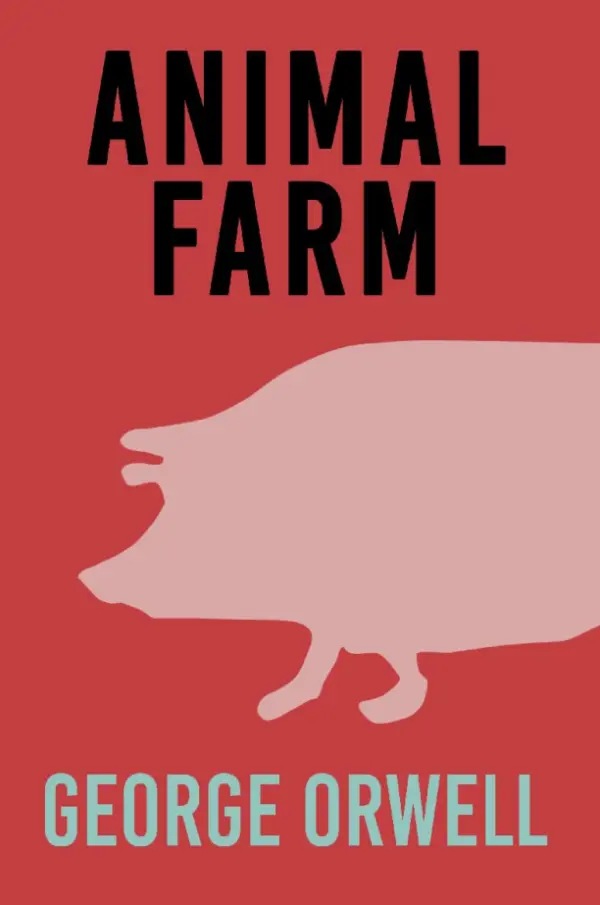
George Orwell
Average Goodreads rating4.6
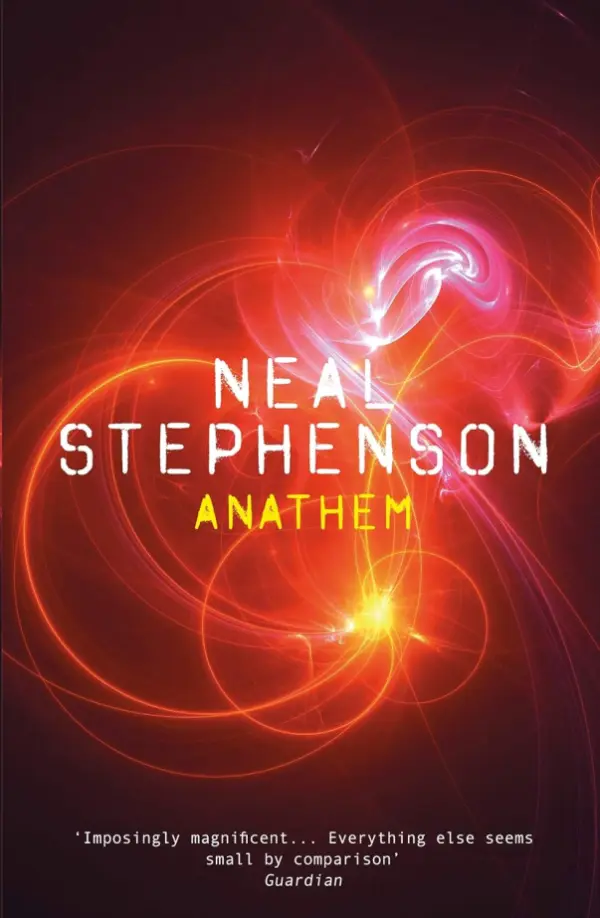
Neal Stephenson
Average Goodreads rating4.4
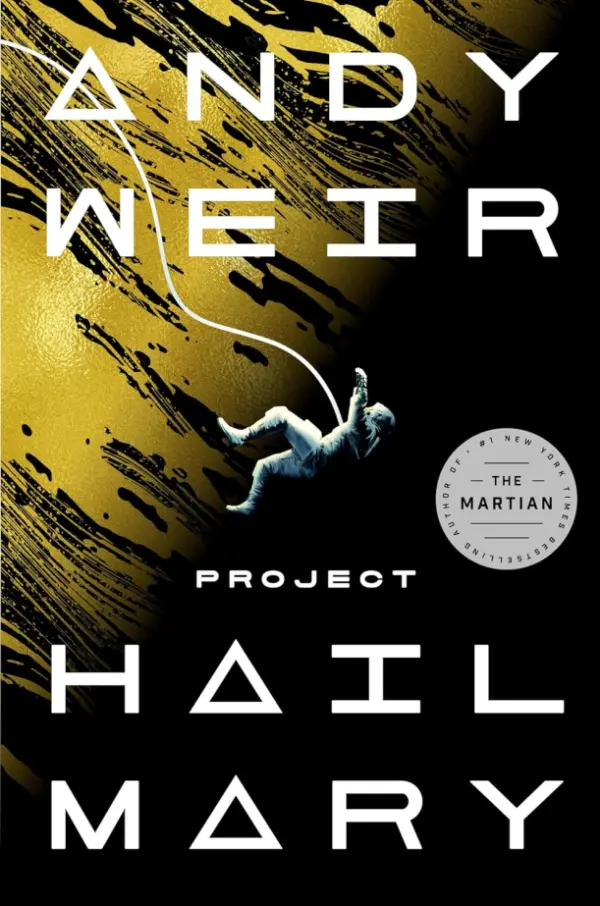
Andy Weir
Average Goodreads rating4.6
Still Looking?
Further down our similarity list, but still sharing tropes and genres with this book.

Arkady Martine
Teixcalaan, book 1
Average Goodreads rating4.3
Buy from Amazon (opens Amazon in a new tab)
Christopher Ruocchio
The Sun Eater, book 1
Average Goodreads rating4.3
Buy from Amazon (opens Amazon in a new tab)
Adrian Tchaikovsky
Children of Time, book 1
Average Goodreads rating4.5
Buy from Amazon (opens Amazon in a new tab)Frank Herbert is the visionary author behind Dune, the genre-defining science fiction saga of political intrigue, ecological upheaval and a reluctant messiah's rise across a hostile desert empire.
Books, series and tropes by Frank HerbertOccasional emails with new recommendations, series news and trope round-ups.