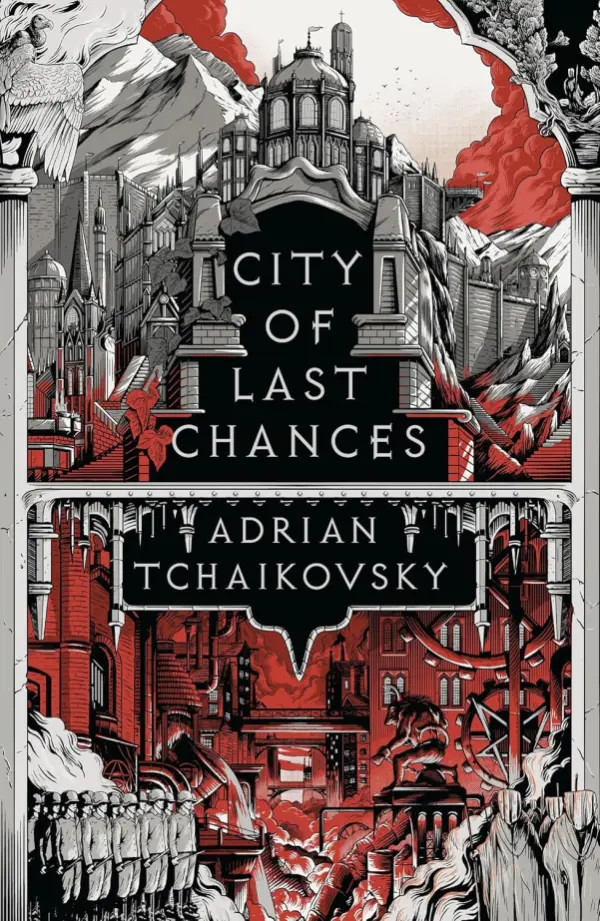
City of Last Chances
Adrian Tchaikovsky
The Tyrant Philosophers, book 1
Average Goodreads rating3.9
Matched via its series

Book trope · 14 books
Power, left unchecked, does not stay neutral. It consolidates, it corrupts, and eventually it turns on the people it was supposed to serve. The Corrupt Empires & Tyrannical Rule trope places that process at the centre of the story - not as background detail but as the engine of everything.
More about the Corrupt Empires & Tyrannical Rule trope0 are tagged with Corrupt Empires & Tyrannical Rule individually. The others belong to a series tagged with it, which doesn’t mean every book in it features the trope, so they’re marked “Matched via its series”.
Updating books…
14 books found
Adrian Tchaikovsky
The Tyrant Philosophers, book 1
Average Goodreads rating3.9
Matched via its series
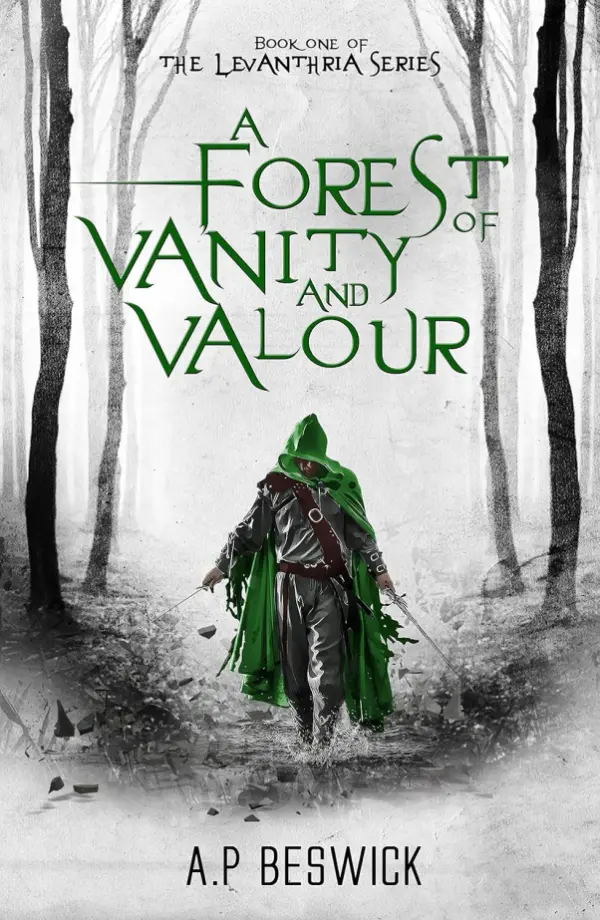
A. P. Beswick
The Levanthria Series, book 1
Average Goodreads rating3.9
Matched via its series
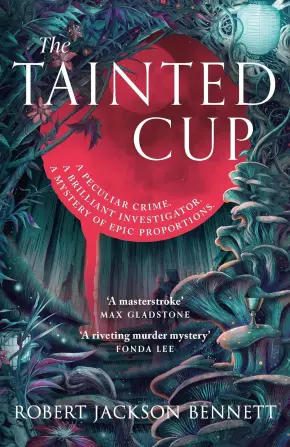
Robert Jackson Bennett
Shadow of the Leviathan, book 1
Average Goodreads rating4.6
Matched via its series
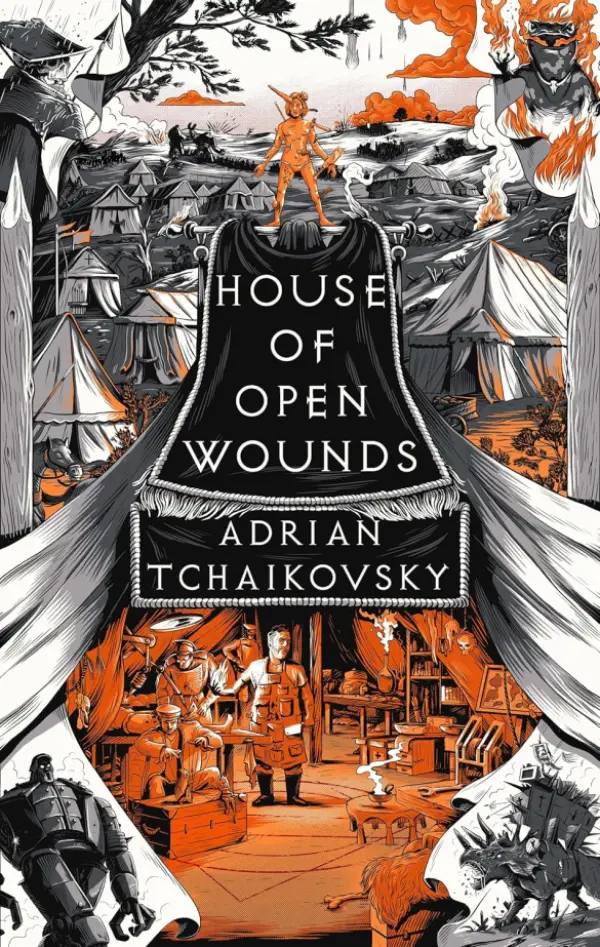
Adrian Tchaikovsky
The Tyrant Philosophers, book 2
Average Goodreads rating4.5
Matched via its series
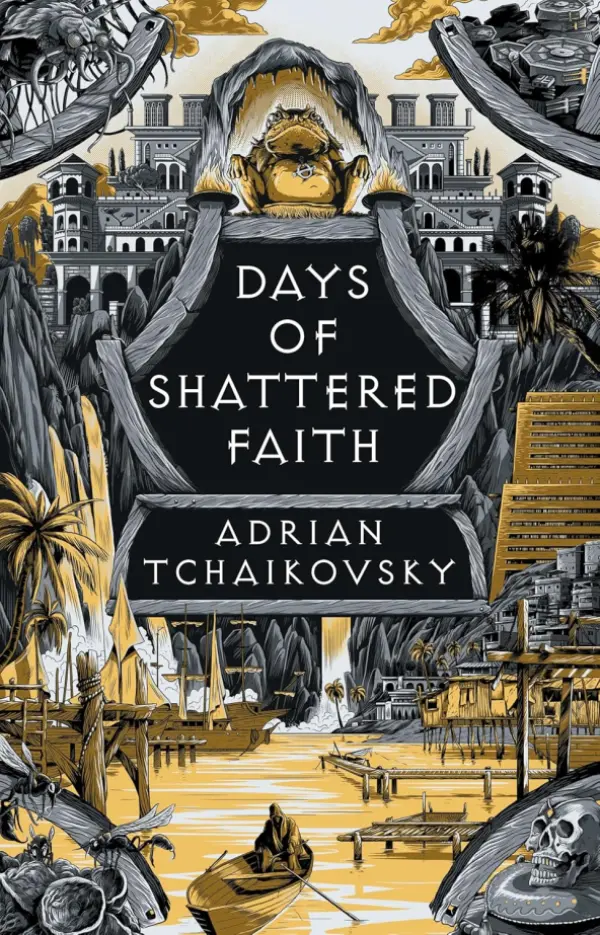
Adrian Tchaikovsky
The Tyrant Philosophers, book 3
Average Goodreads rating4.4
Matched via its series
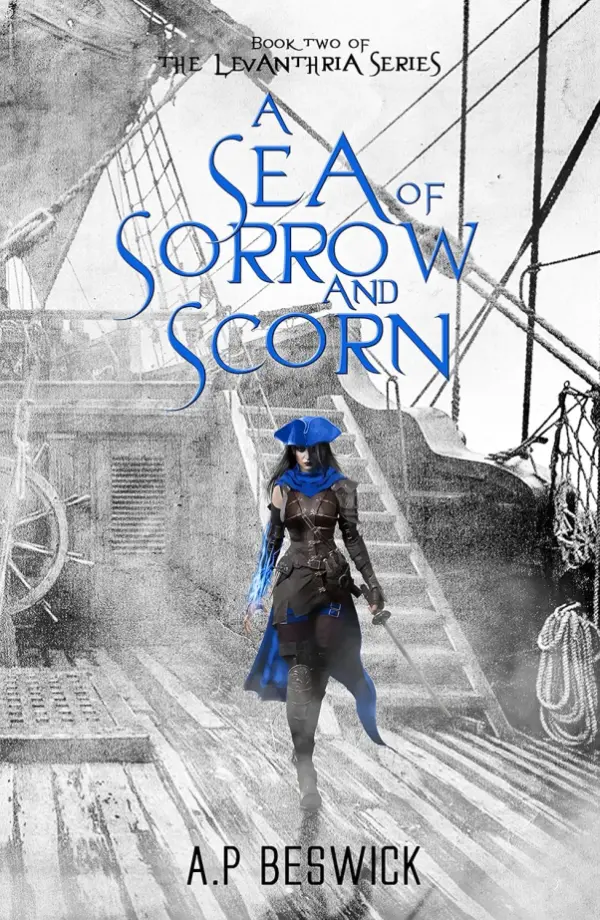
A. P. Beswick
The Levanthria Series, book 2
Average Goodreads rating3.9
Matched via its series
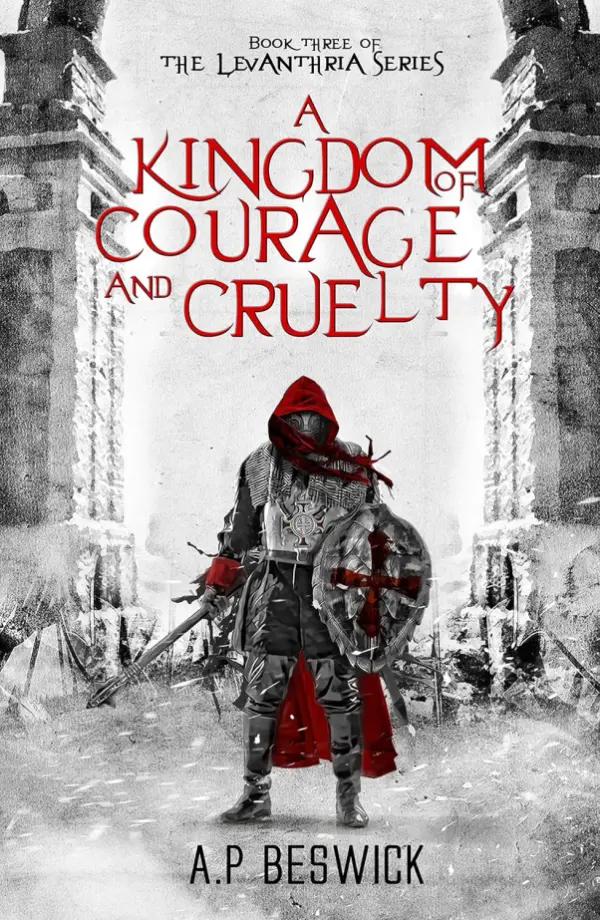
A. P. Beswick
The Levanthria Series, book 3
Average Goodreads rating4.1
Matched via its series
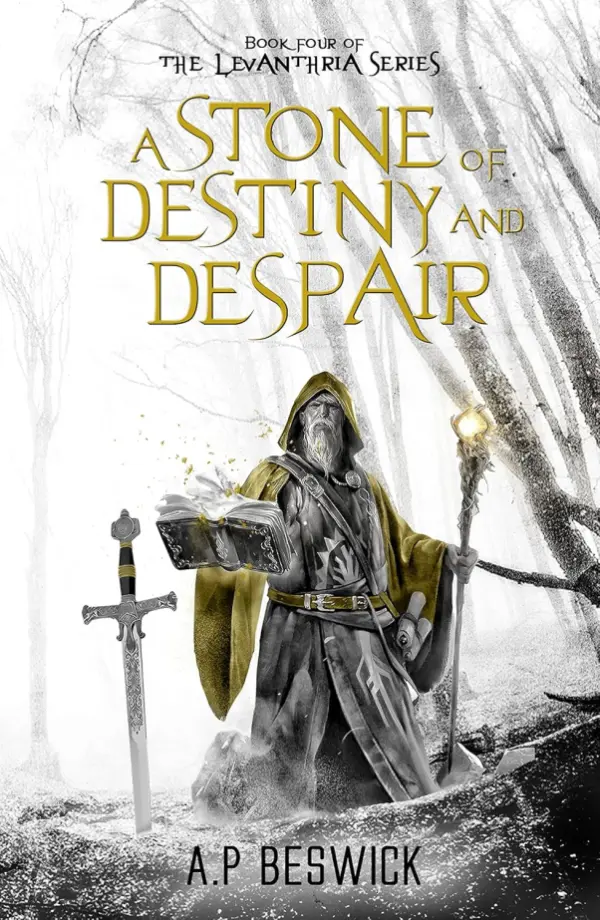
A. P. Beswick
The Levanthria Series, book 4
Average Goodreads rating4.2
Matched via its series
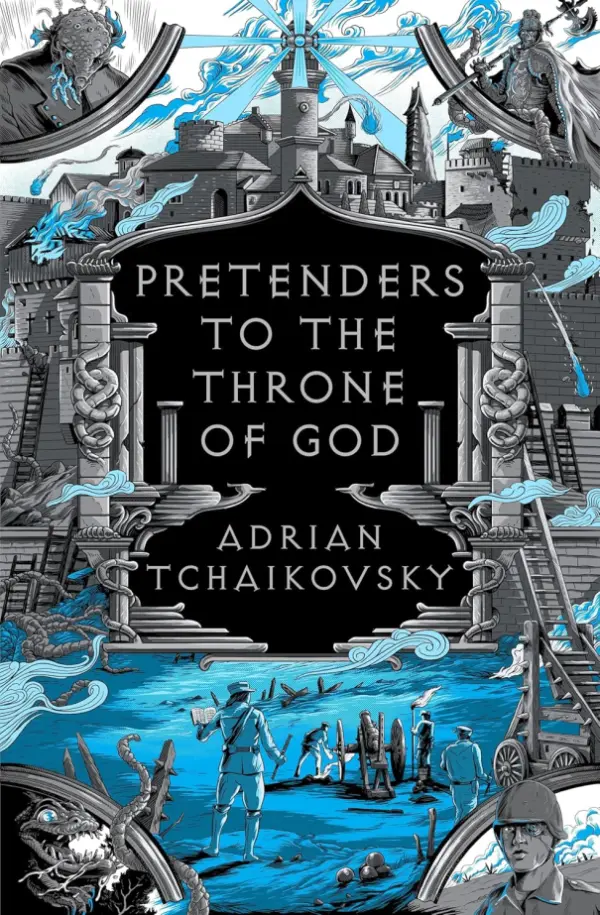
Adrian Tchaikovsky
The Tyrant Philosophers, book 4
Average Goodreads rating4.6
Matched via its series
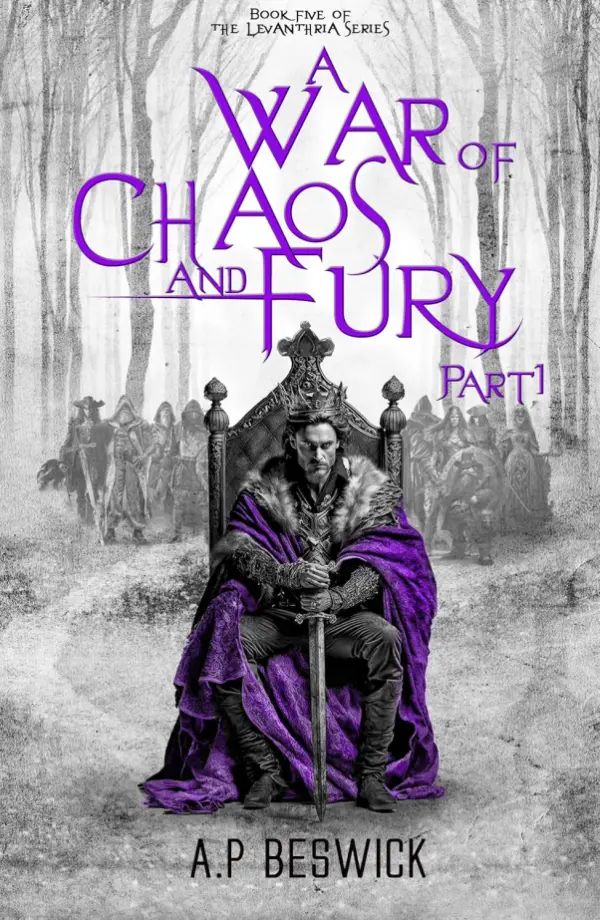
A. P. Beswick
The Levanthria Series, book 5
Average Goodreads rating4.4
Matched via its series
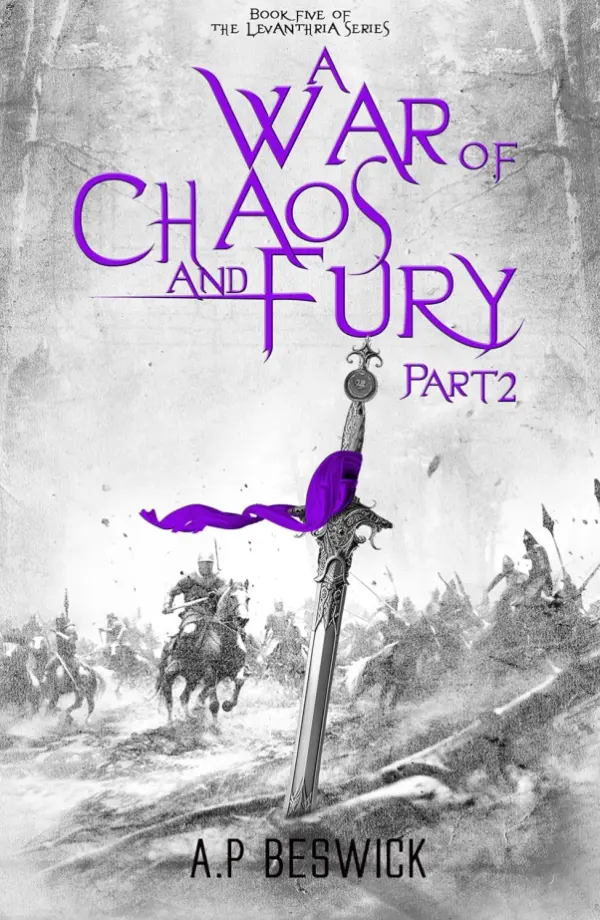
A. P. Beswick
The Levanthria Series, book 6
Average Goodreads rating4.4
Matched via its series
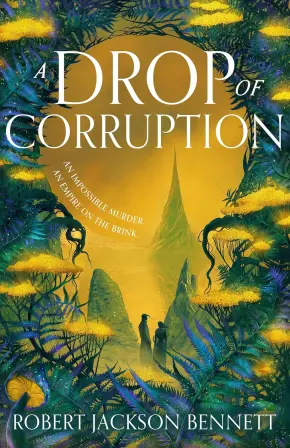
Robert Jackson Bennett
Shadow of the Leviathan, book 2
Average Goodreads rating4.7
Matched via its series
Robert Jackson Bennett
Shadow of the Leviathan, book 3
Matched via its series
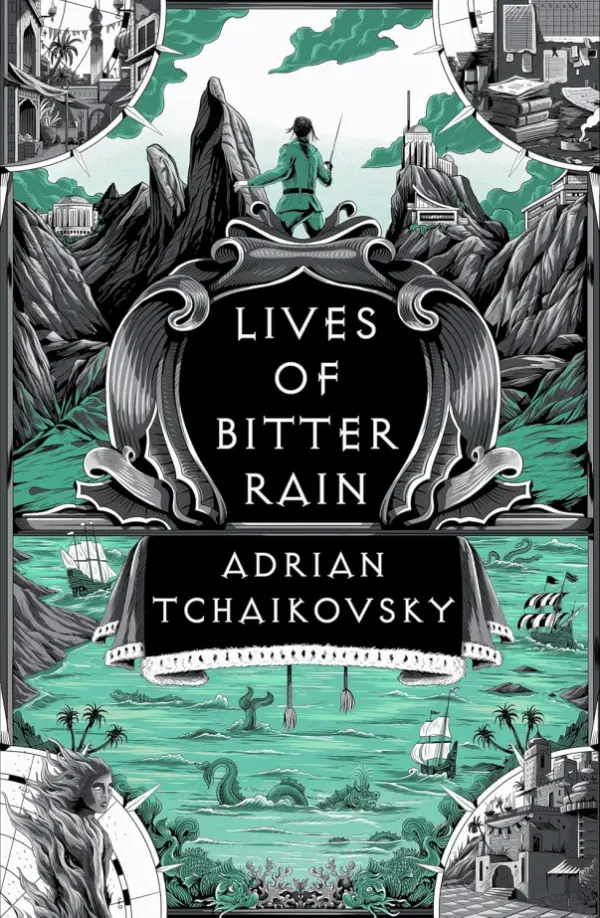
Adrian Tchaikovsky
The Tyrant Philosophers, book 3.5
Matched via its series
Tropes that share the most books with Corrupt Empires & Tyrannical Rule
Power, left unchecked, does not stay neutral. It consolidates, it corrupts, and eventually it turns on the people it was supposed to serve. The Corrupt Empires & Tyrannical Rule trope places that process at the centre of the story - not as background detail but as the engine of everything. The empire is vast, its reach is total, and the machinery of its control is so deeply embedded in the world that most people living inside it have never known anything different. That normalisation of oppression is what makes this trope so potent, and so endlessly relevant. The story begins when someone decides they are no longer willing to pretend it is acceptable.
This trope is defined by a system of power - an empire, a regime, a ruling class - whose authority rests on coercion, violence, deception, or the systematic suppression of those it governs. The corruption might be institutional, woven into laws and structures, or it might be personal, concentrated in a ruler whose cruelty shapes the entire world beneath them. What distinguishes it from simple villainy is scale: this is not one bad actor causing harm but an entire apparatus designed to perpetuate that harm, staffed by people who may be complicit, coerced, or simply too afraid to do otherwise. The protagonist - whether rebel, reluctant insider, or someone the system has finally pushed too far - must reckon with an enemy that is not a person so much as a world.
There is something viscerally satisfying about stories that name oppressive power for what it is and then imagine what dismantling it might look like. Readers are drawn to this trope partly for the catharsis it offers - the fantasy of systems that feel immovable being moved, of individuals finding leverage against structures designed to crush them. But the best versions of this trope are compelling not because they offer easy victories but because they take seriously how difficult resistance actually is. The empire is not just an obstacle. It is a logic, a habit, a set of arrangements that people have organised their lives around. Undoing it costs something real.
These narratives typically begin with the protagonist either embedded within the system - close enough to see its workings clearly - or newly exposed to its violence in a way they cannot recover from. The story tends to move outward from that initial reckoning: gathering allies, uncovering the machinery of control, finding the fracture points in a structure that presents itself as monolithic. Along the way, moral complexity accumulates. The rebellion is not pure; the resisters have their own internal conflicts; the question of what replaces the empire, if it falls, is never as simple as the fight to bring it down. The most honest versions of this trope understand that toppling tyranny is the beginning of a harder story, not the end of an easier one.
The Corrupt Empires & Tyrannical Rule trope endures because the questions it raises are not historical curiosities - they are alive in every generation that has ever had to decide how much it is willing to tolerate from the structures that govern it. Fiction gives those questions a shape that history and politics sometimes cannot: a protagonist to follow, a system to understand from the inside, and a narrative arc that allows readers to imagine, however provisionally, what it might look like to push back. The empire is corrupt. The question the trope always asks - and never quite finishes asking - is what you intend to do about it.
Occasional emails with new recommendations, series news and trope round-ups.