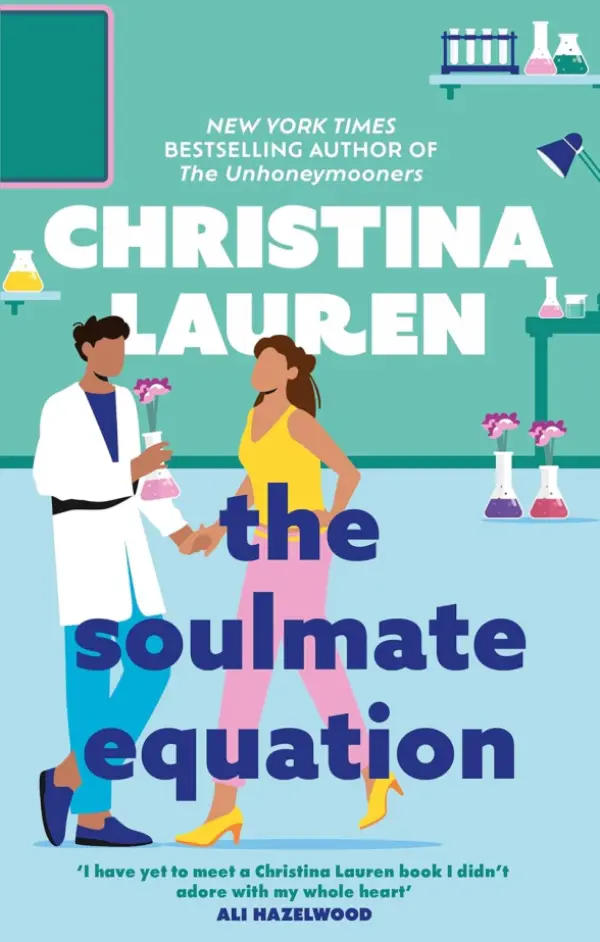
The Soulmate Equation
Christina Lauren
Average Goodreads rating4.0
- Enemies to Lovers
- Found Family

Book trope · 12 books
Is the life you are living the one you chose - or the one that was always going to happen? That question has occupied philosophers, theologians, and storytellers for as long as humans have been trying to make sense of the world.
More about the Fate vs Free Will trope4 are tagged with Fate vs Free Will individually. The others belong to a series tagged with it, which doesn’t mean every book in it features the trope, so they’re marked “Matched via its series”.
Updating books…
12 books found
Christina Lauren
Average Goodreads rating4.0
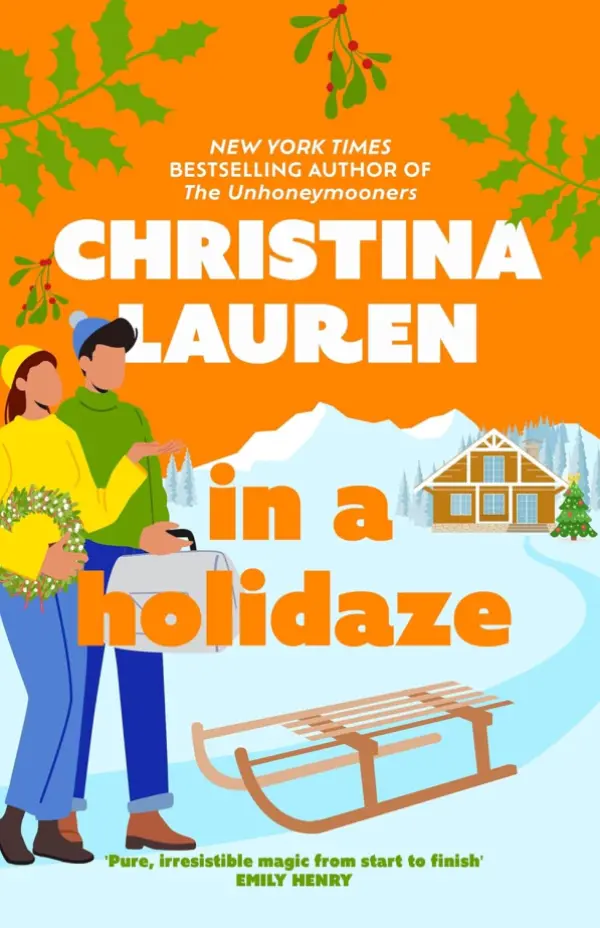
Christina Lauren
Average Goodreads rating4.1

Cormac McCarthy
Average Goodreads rating4.4
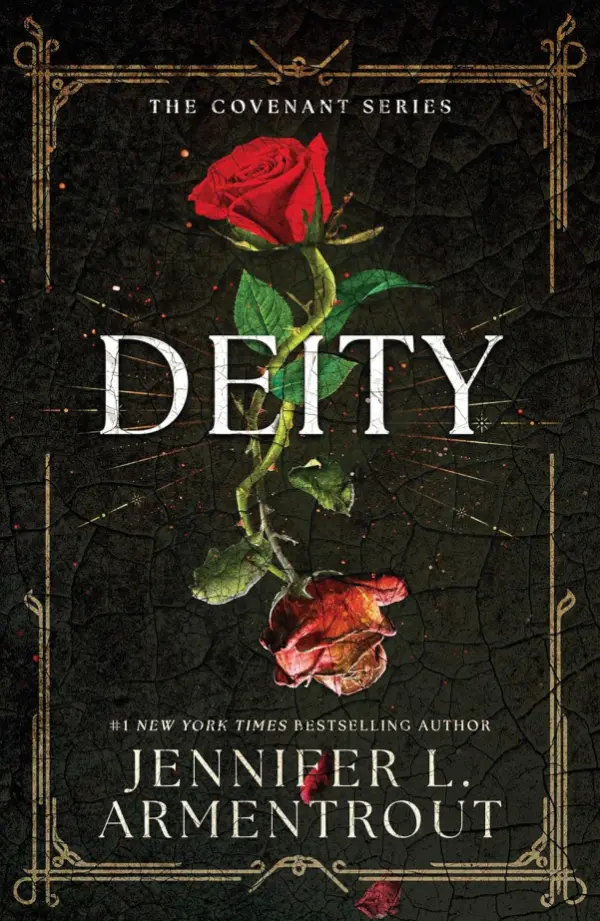
Jennifer L. Armentrout
Covenant, book 3
Average Goodreads rating4.2
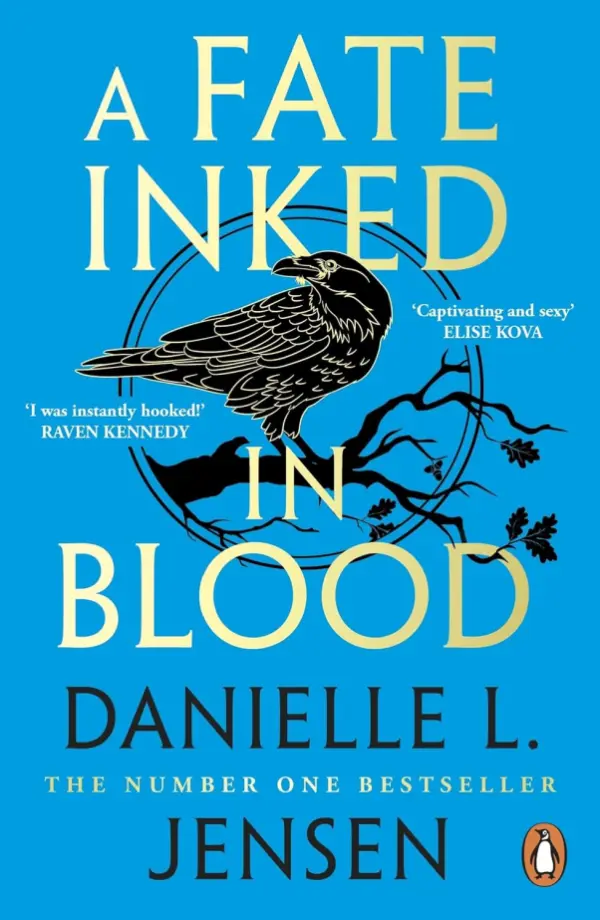
Danielle L. Jensen
Saga of the Unfated, book 1
Average Goodreads rating4.2
Matched via its series
A. E. Rayne
The Lords of Alekka, book 1
Average Goodreads rating4.5
Matched via its series
Danielle L. Jensen
Saga of the Unfated, book 2
Average Goodreads rating4.3
Matched via its series
A. E. Rayne
The Lords of Alekka, book 2
Average Goodreads rating4.5
Matched via its series
A. E. Rayne
The Lords of Alekka, book 3
Average Goodreads rating4.6
Matched via its series
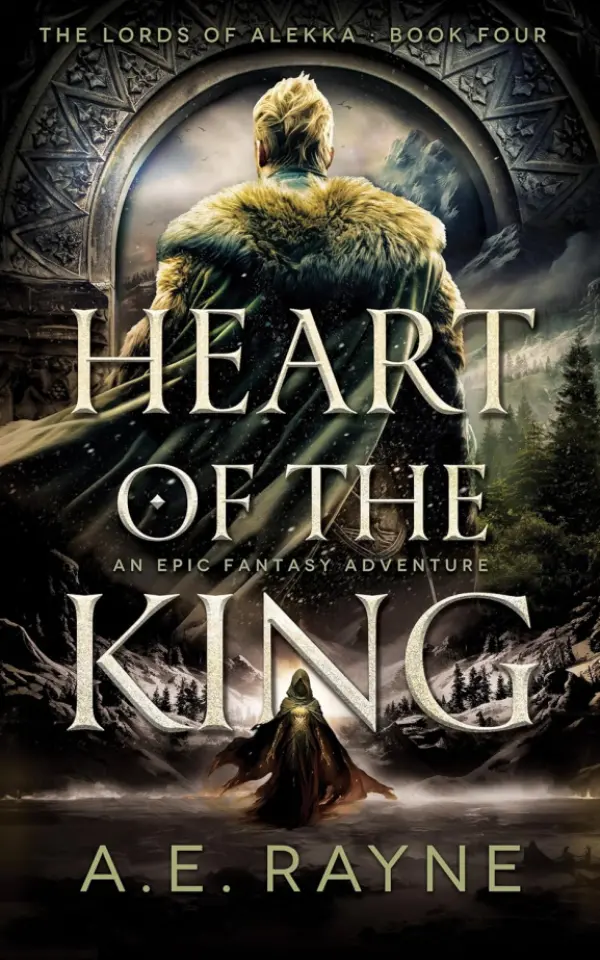
A. E. Rayne
The Lords of Alekka, book 4
Average Goodreads rating4.6
Matched via its series
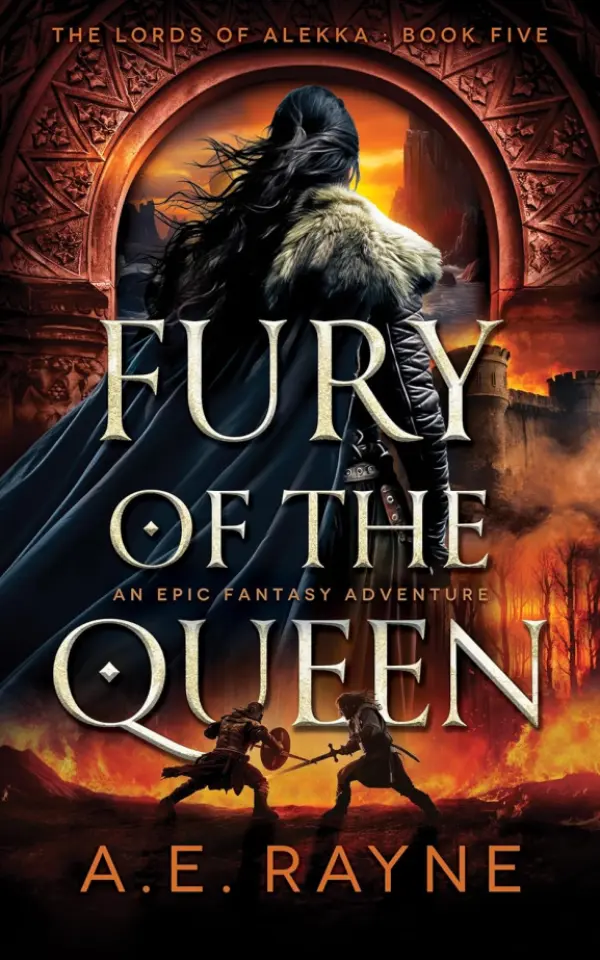
A. E. Rayne
The Lords of Alekka, book 5
Average Goodreads rating4.7
Matched via its series
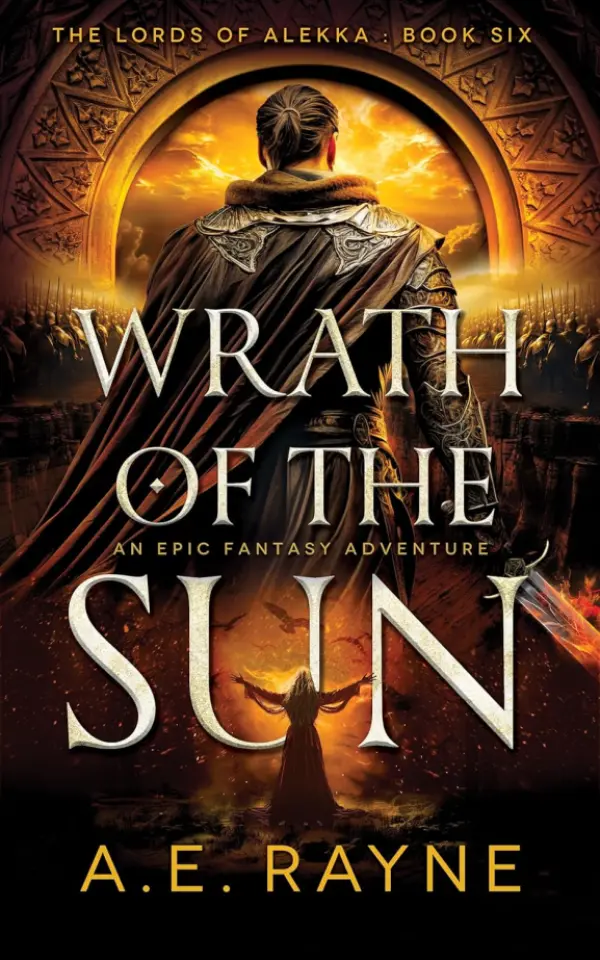
A. E. Rayne
The Lords of Alekka, book 6
Matched via its series
Tropes that share the most books with Fate vs Free Will
Is the life you are living the one you chose - or the one that was always going to happen? That question has occupied philosophers, theologians, and storytellers for as long as humans have been trying to make sense of the world. The Fate vs Free Will trope takes it out of the abstract and places it at the centre of a story, forcing characters to live inside the tension between destiny and choice in ways that make the philosophical suddenly, urgently personal. A prophecy arrives. A path is laid out. And the character must decide what it means to walk it - or refuse to.
This trope is defined by a story that actively stages the conflict between predetermined destiny and individual agency - and refuses to let either side win cleanly. A character might be told what they are meant to become, and spend the narrative trying to prove the telling wrong. Or they might make choices that feel entirely their own, only to discover they have arrived exactly where something older and larger always intended them to be. What defines it is not the presence of fate alone, or of choice alone, but the friction between them: the story is genuinely interested in whether the outcome was fixed, and what that would mean if it were.
Fate vs Free Will resonates because it maps onto something every reader carries: the sense that some things in life feel chosen and others feel inevitable, and that distinguishing between the two is harder than it should be. Fiction that stages this question gives readers a safe space to examine it - to watch characters wrestle with agency and determinism at a remove, and to form their own conclusions about which force is actually driving the story. There is also a particular satisfaction in the ambiguity. The best versions of this trope never fully resolve the question. They simply illuminate it, from as many angles as the story can manage.
These stories tend to structure themselves around moments of apparent choice - decisions that feel meaningful, that the character makes with full conviction - and then complicate them. Was that choice truly free, or was it the only one a person with that history, in that situation, could have made? A secondary tension often runs alongside the main narrative: characters who have accepted fate and stopped choosing, versus characters who insist on choosing even when it costs them. The most interesting structural move is the one that makes both positions sympathetic - where surrendering to fate and fighting against it are equally understandable, and equally costly.
The Fate vs Free Will trope endures because it is, at bottom, a story about what it means to be a person. Agency is the thing most people guard most fiercely - the conviction that their choices matter, that the life they live is genuinely their own. Fiction that threatens that conviction, that introduces the possibility that the outcome was always fixed, creates a discomfort that is also a kind of recognition. And stories that then allow characters to act anyway - to choose, fully and deliberately, even inside a destiny they cannot escape - offer something that feels close to wisdom. The road was always going to lead here. What matters is how you walked it.
Occasional emails with new recommendations, series news and trope round-ups.