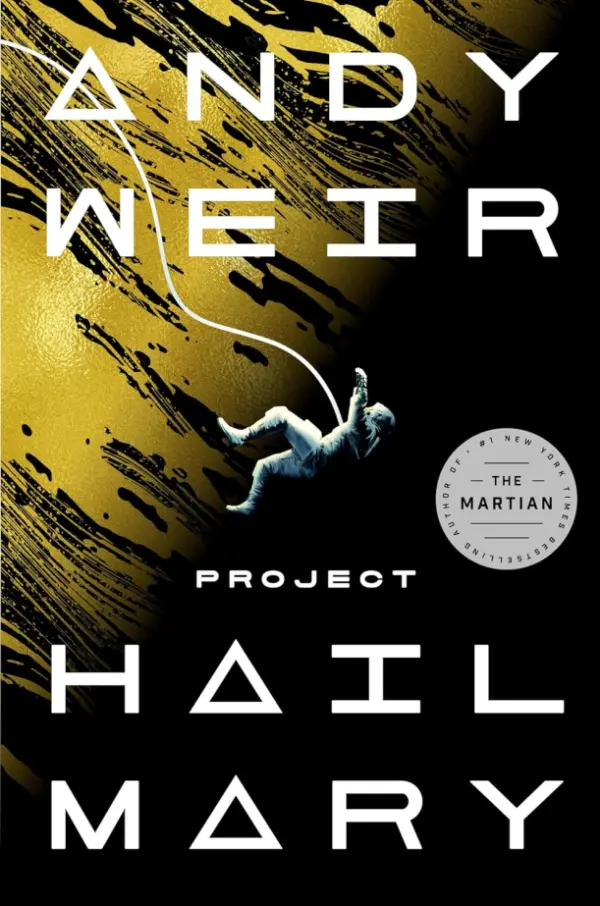
Project Hail Mary
Andy Weir
Average Goodreads rating4.6
- First Contact with Alien Species
- Memory Loss

Book trope · 15 books
Hard science fiction is the genre's commitment to getting it right. Where softer SF might wave a hand at the physics and move on, hard SF plants its flag firmly in scientific accuracy — or at least plausibility.
More about the Hard Science Fiction trope6 are tagged with Hard Science Fiction individually. The others belong to a series tagged with it, which doesn’t mean every book in it features the trope, so they’re marked “Matched via its series”.
Updating books…
15 books found
Andy Weir
Average Goodreads rating4.6
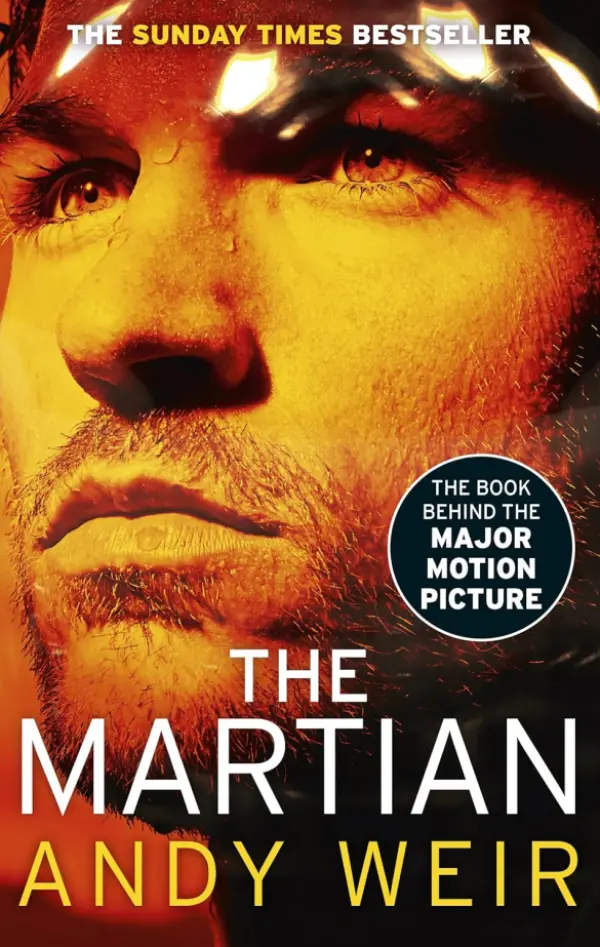
Andy Weir
Average Goodreads rating4.6
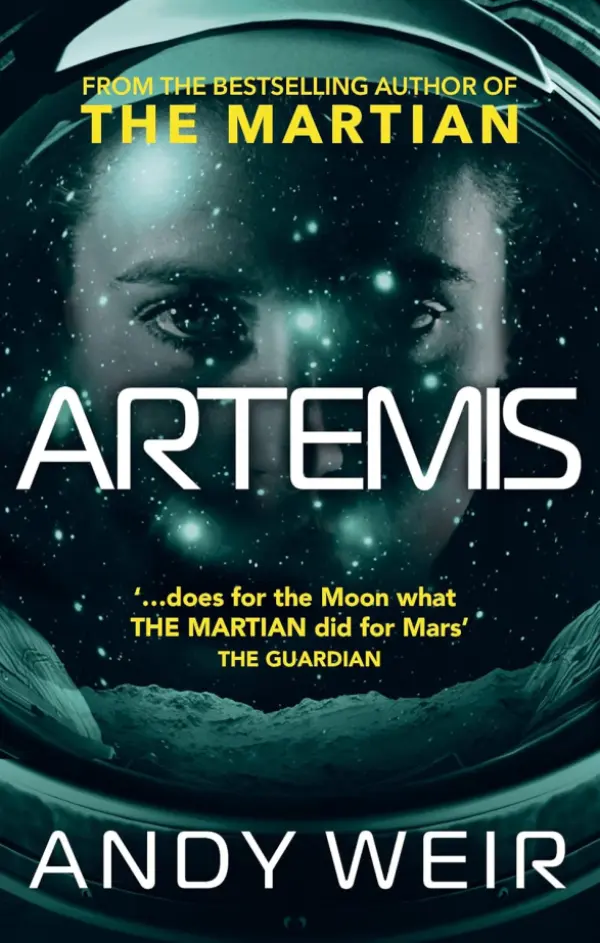
Andy Weir
Average Goodreads rating4.1
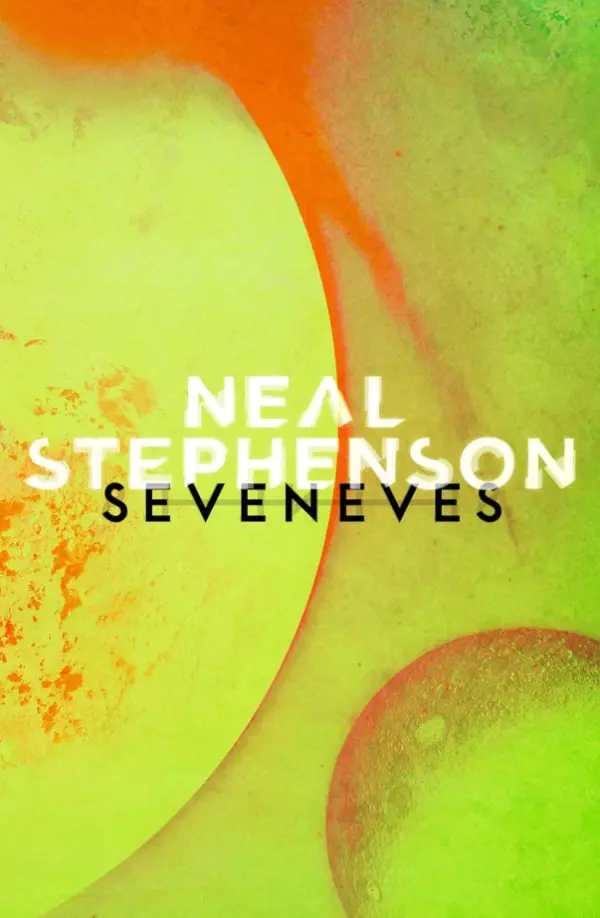
Neal Stephenson
Average Goodreads rating4.2
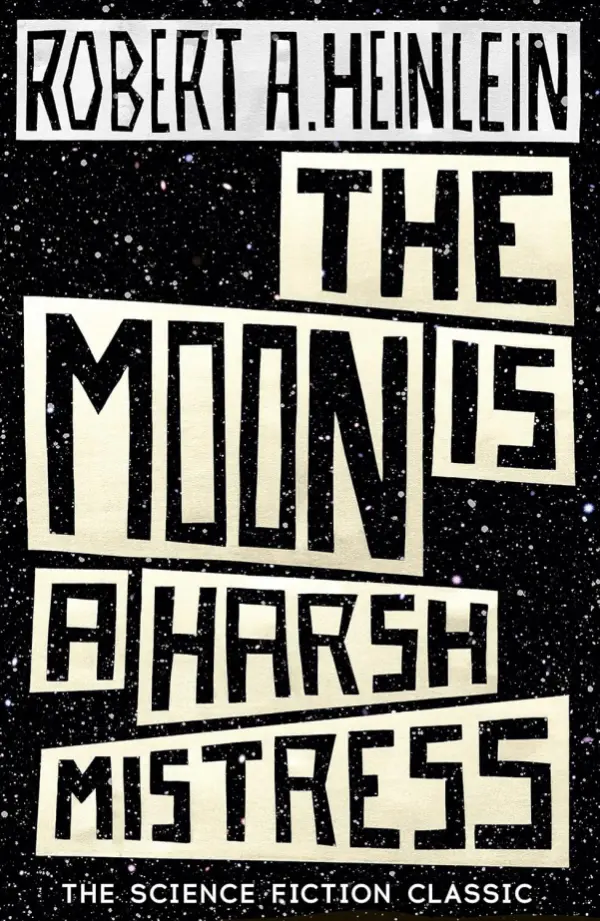
Robert A. Heinlein
Average Goodreads rating4.4
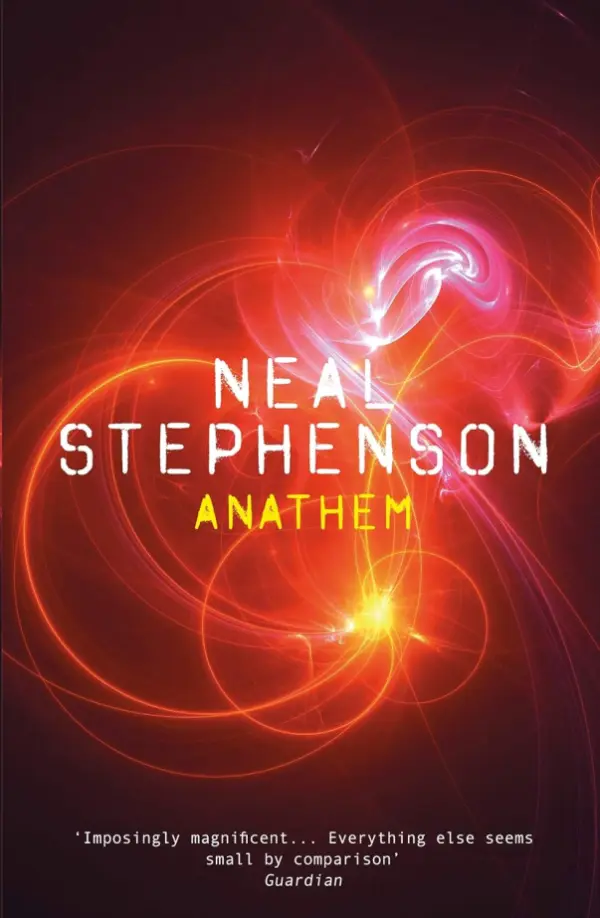
Neal Stephenson
Average Goodreads rating4.4
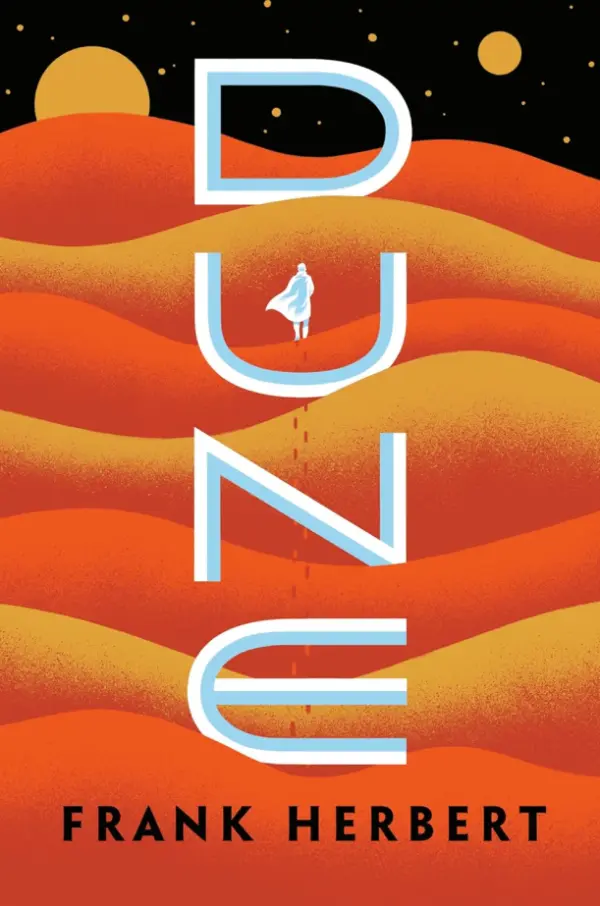
Frank Herbert
Dune, book 1
Average Goodreads rating4.3
Matched via its series
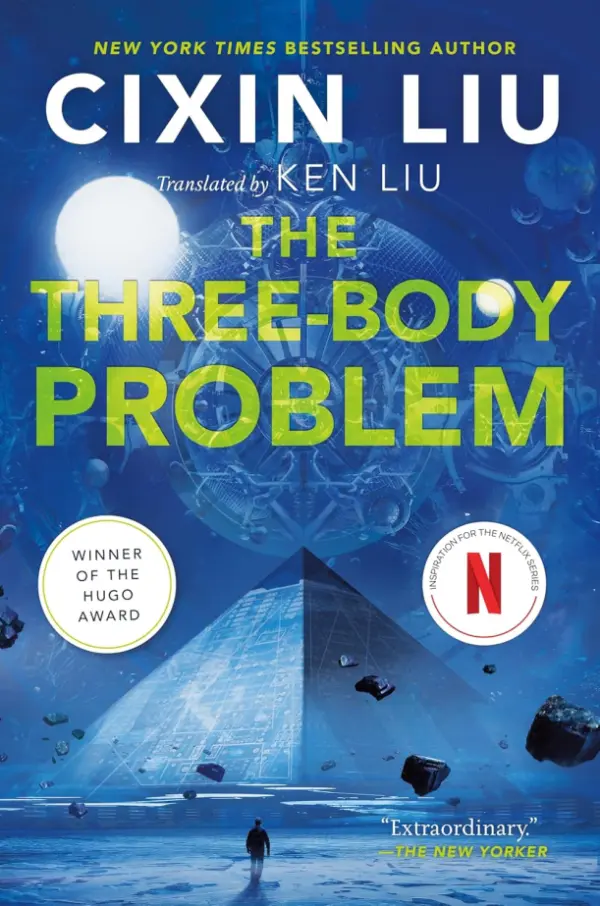
Liu Cixin
The Three-Body Problem, book 1
Average Goodreads rating4.1
Matched via its series
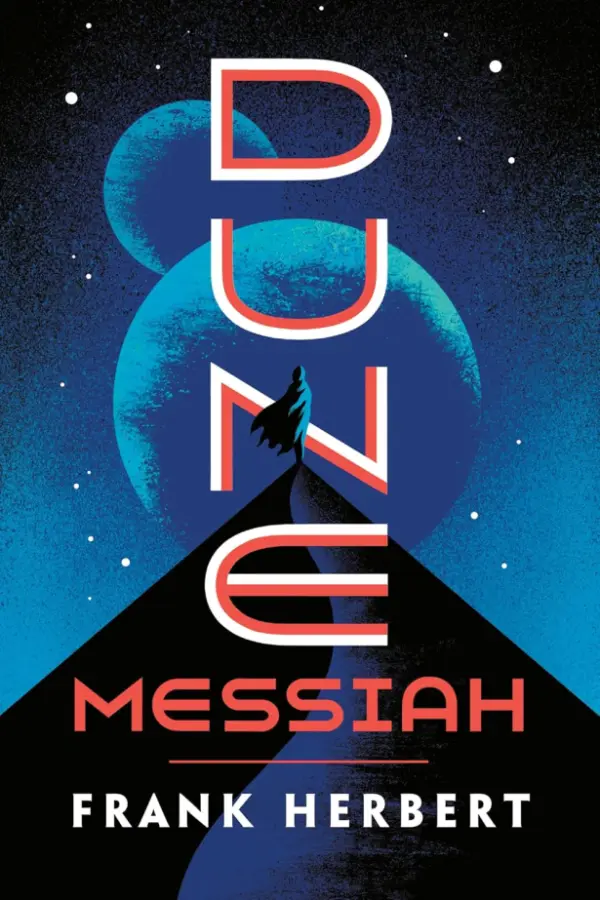
Frank Herbert
Dune, book 2
Average Goodreads rating3.9
Matched via its series
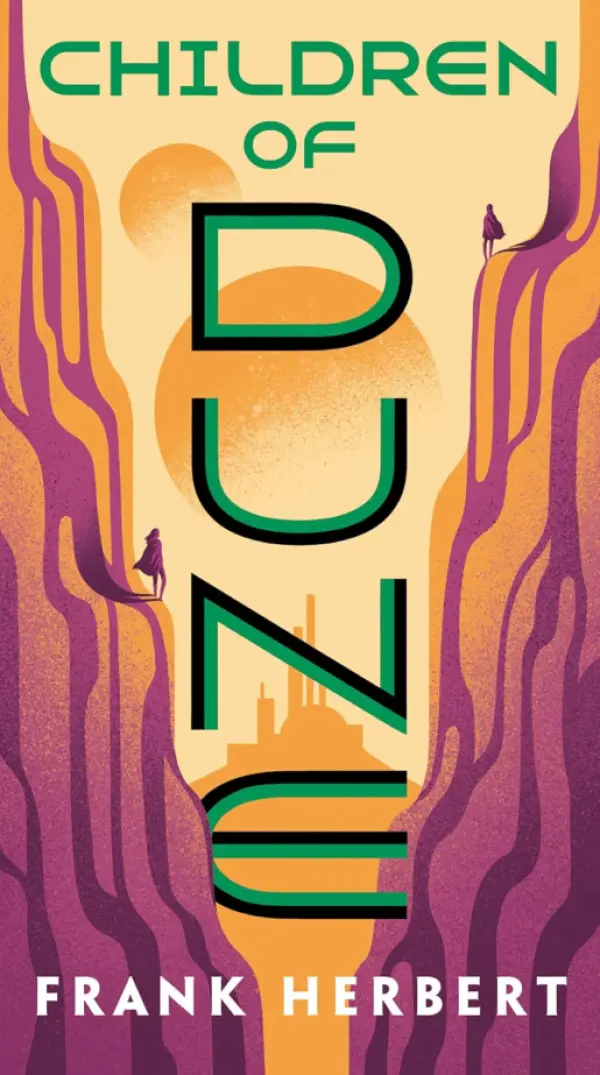
Frank Herbert
Dune, book 3
Average Goodreads rating4.0
Matched via its series
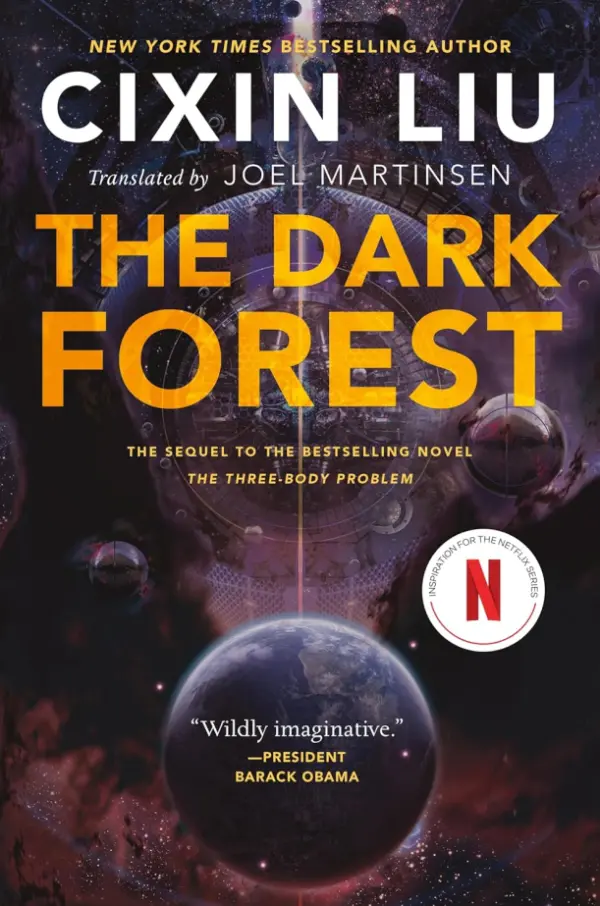
Liu Cixin
The Three-Body Problem, book 2
Average Goodreads rating4.4
Matched via its series
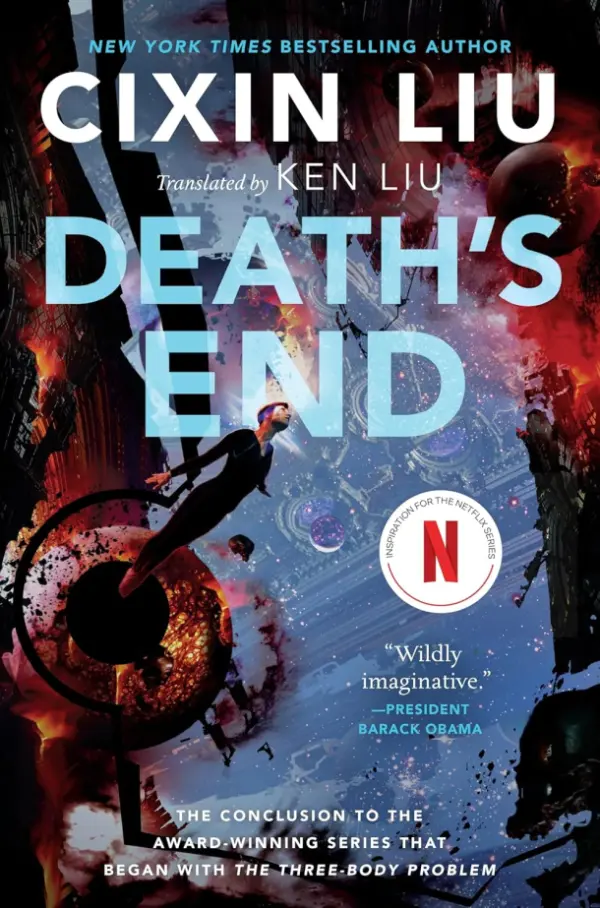
Liu Cixin
The Three-Body Problem, book 3
Average Goodreads rating4.4
Matched via its series
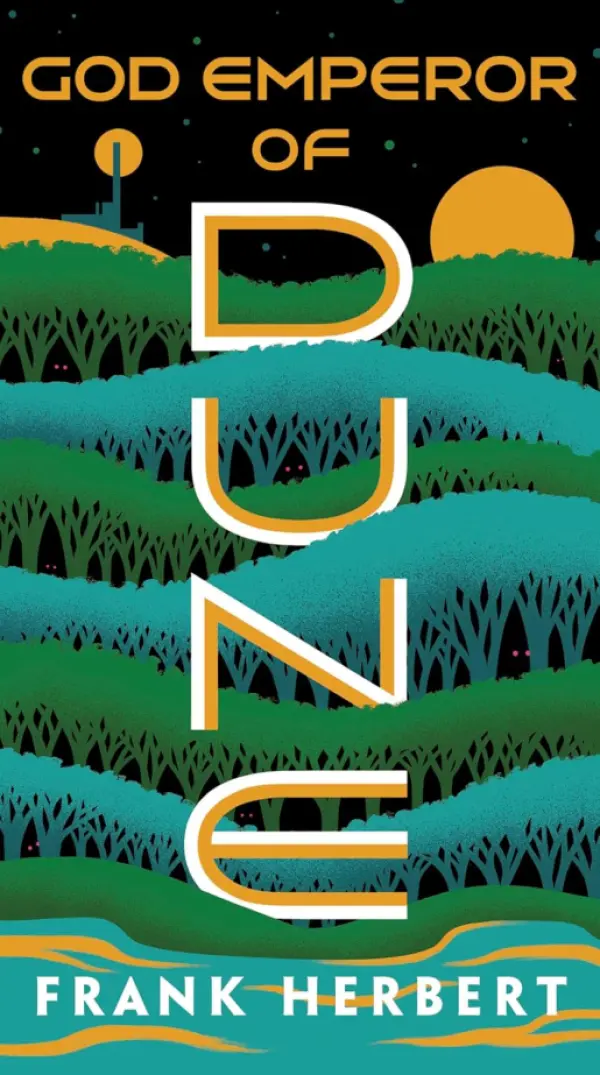
Frank Herbert
Dune, book 4
Average Goodreads rating3.9
Matched via its series
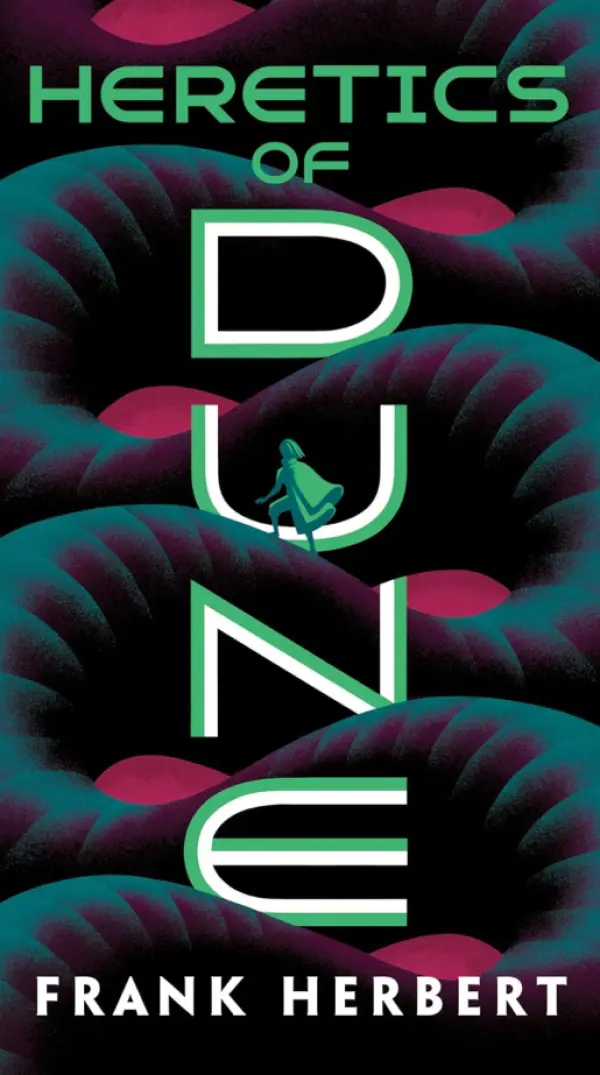
Frank Herbert
Dune, book 5
Average Goodreads rating3.8
Matched via its series
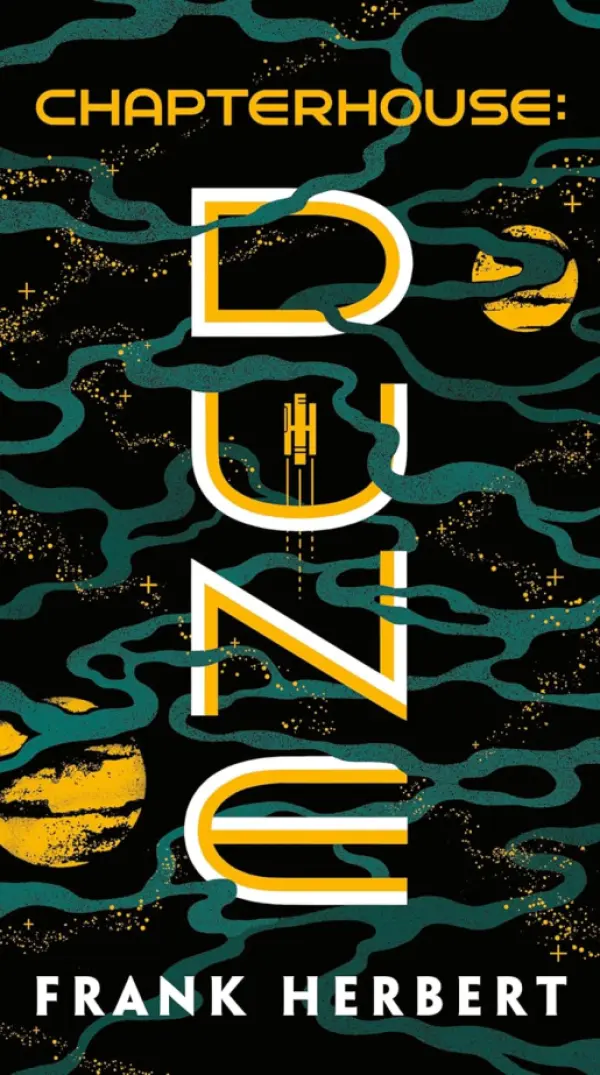
Frank Herbert
Dune, book 6
Average Goodreads rating3.9
Matched via its series
Tropes that share the most books with Hard Science Fiction
Hard science fiction is the genre's commitment to getting it right. Where softer SF might wave a hand at the physics and move on, hard SF plants its flag firmly in scientific accuracy — or at least plausibility. The technology, biology, orbital mechanics, and physics in these stories are grounded in real or rigorously extrapolated science. If a character travels to Mars, you feel every day of the seven-month transit. If a generation ship loses power, the consequences follow logically from thermodynamics, not convenience.
Readers who love this corner of the genre aren't just looking for adventure. They want the satisfaction of a story that respects both their intelligence and the universe's actual rules. There's a particular pleasure in following an author through a genuinely difficult problem — knowing the solution won't be pulled from thin air.
The defining quality isn't a checklist of approved technologies; it's authorial rigour. Hard SF writers show their working. Exposition isn't filler — it's the mechanism by which the reader is invited to reason alongside the protagonist. Problems arise from scientific or engineering constraints, and those same constraints govern what solutions are even possible. A character can't simply invent a workaround that violates conservation of energy.
That said, hard SF isn't cold or humourless. Some of the genre's most celebrated works balance meticulous technical detail with genuine character depth and dark wit. The science is the skeleton, not the whole body. What makes these stories memorable is often the human (or occasionally non-human) drama that unfolds when real physics meets real pressure.
Hard SF tends to cluster around a handful of recurring settings that lend themselves to rigorous treatment. Near-future solar system exploration is a perennial favourite — the distances are short enough to be survivable but long enough to make every mission a genuine ordeal. First contact stories with a hard SF bent spend as much time on xenobiology or communication theory as on drama. Some authors focus tightly on a single discipline: astrophysics, genetic engineering, nanotechnology, or cognitive science. Others build entire civilisations from the ground up, letting speculative sociology and economics emerge naturally from physical constraints.
There's also a growing strand of hard SF that engages seriously with climate systems, ecological collapse, and planetary engineering — stories where terraforming a moon or reversing atmospheric damage becomes the central problem to be solved, one equation at a time.
There's something almost adversarial about the best hard SF — author versus reader, in the best possible way. When the science is sound, you can fact-check the story. You can disagree with the conclusions. You can spot the moment a character makes the wrong call with the right information. That kind of engagement is rare in fiction, and readers who've tasted it rarely settle for less. Hard science fiction doesn't promise you an easy ride through the cosmos. It promises you a real one.
Occasional emails with new recommendations, series news and trope round-ups.