The Moon is a Harsh Mistress
Robert A. Heinlein
Average Goodreads rating4.4
- Artificial Intelligence (AI)
- First-Person POV

Book trope · 7 books
Classic sci-fi refers to science fiction written during the genre's formative and golden eras, broadly spanning the 1930s through to the 1980s, when authors were actively inventing the conventions, vocabulary, and moral preoccupations that still shape the genre today.
More about the Classic Sci-fi trope1 is tagged with Classic Sci-fi individually. The others belong to a series tagged with it, which doesn’t mean every book in it features the trope, so they’re marked “Matched via its series”.
Updating books…
7 books found
Robert A. Heinlein
Average Goodreads rating4.4
Frank Herbert
Dune, book 1
Average Goodreads rating4.3
Matched via its series
Frank Herbert
Dune, book 2
Average Goodreads rating3.9
Matched via its series
Frank Herbert
Dune, book 3
Average Goodreads rating4.0
Matched via its series
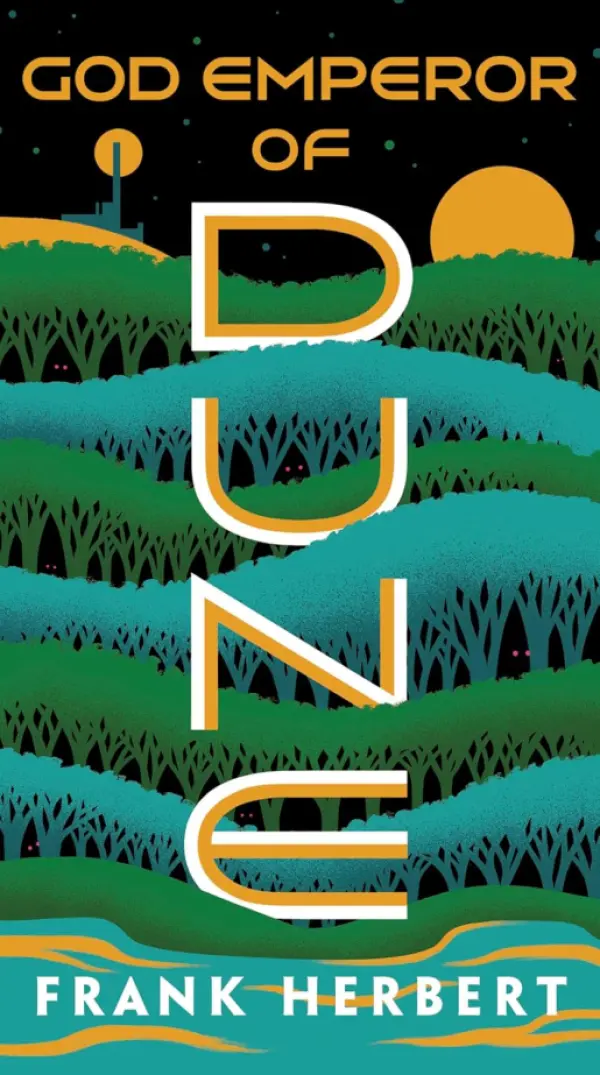
Frank Herbert
Dune, book 4
Average Goodreads rating3.9
Matched via its series
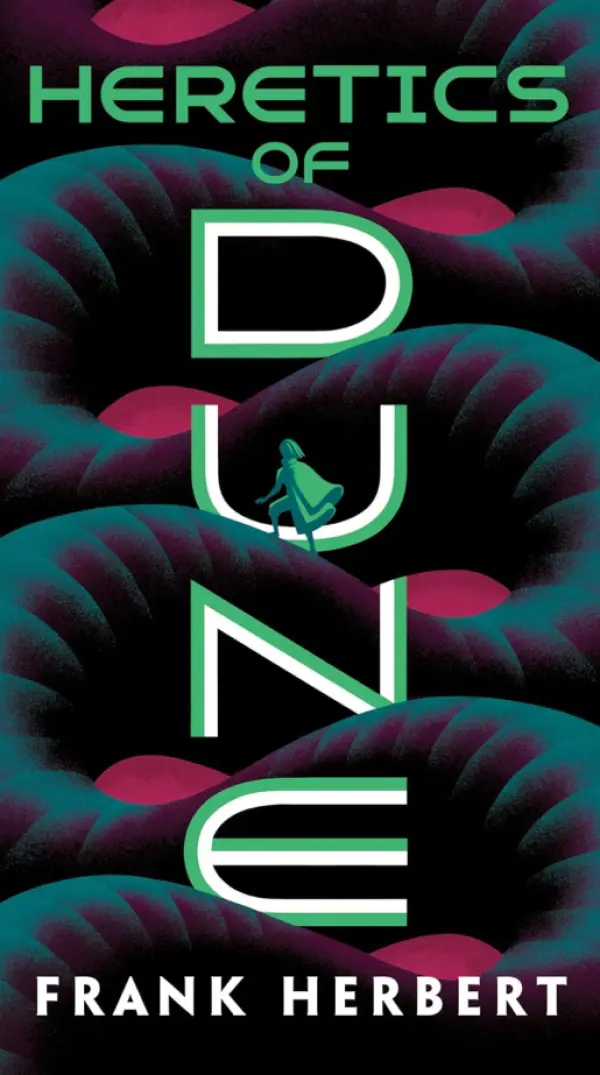
Frank Herbert
Dune, book 5
Average Goodreads rating3.8
Matched via its series
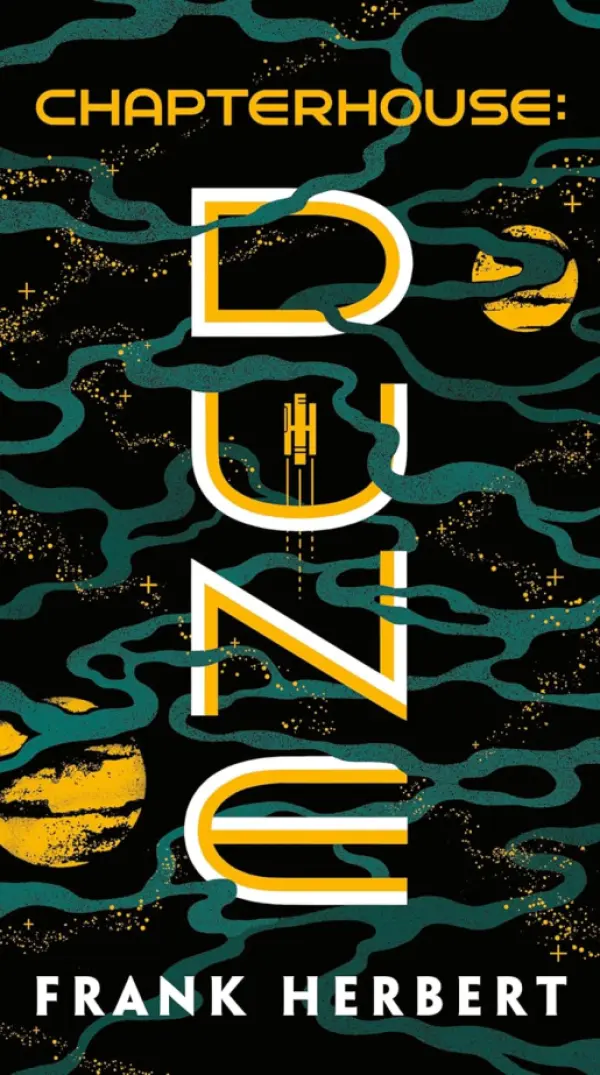
Frank Herbert
Dune, book 6
Average Goodreads rating3.9
Matched via its series
Tropes that share the most books with Classic Sci-fi
Classic sci-fi refers to science fiction written during the genre's formative and golden eras, broadly spanning the 1930s through to the 1980s, when authors were actively inventing the conventions, vocabulary, and moral preoccupations that still shape the genre today. These are the novels and stories that asked the big questions first — about humanity's place in the cosmos, the consequences of technological ambition, and what it might mean to encounter minds utterly unlike our own.
Readers are drawn to it for the same reason people return to foundational texts in any art form: to understand where everything came from. There's a particular thrill in reading a novel from 1951 and recognising how many ideas you've encountered since were planted right there on that page.
The hallmarks tend to be grand in scope. Interstellar travel, first contact, dystopian governance, artificial intelligence, time paradoxes — classic sci-fi wasn't shy about scale. The prose is often more direct and idea-forward than contemporary literary fiction, prioritising the concept itself as the engine of the narrative. A single compelling premise could carry an entire novel, worked through with almost mechanical rigour.
There's also a particular relationship with science that later eras sometimes softened. Many classic authors were engineers, chemists, or astronomers, and it shows. The physics matters. The logistics of space travel matter. This isn't to say the writing is cold — the emotional stakes can be enormous — but the intellectual framework is rarely ornamental.
The trope breaks into recognisable currents. Hard sci-fi prioritises scientific accuracy above all else, sometimes at the cost of character warmth. Space opera trades precision for epic sweep — galactic empires, heroic crews, civilisations at war. Then there's the social sci-fi tradition, which used speculative settings as a lens on contemporary anxieties: nuclear paranoia, Cold War politics, colonial power structures. The New Wave movement of the 1960s and 70s pushed the genre toward psychological interiority and literary experimentation, challenging what science fiction was even allowed to be.
Dystopian fiction sits comfortably within this canon too, as does the robot and AI narrative — a thread that runs from pulp magazines all the way through to some of the most celebrated novels of the twentieth century.
Classic sci-fi holds up not because the science always ages well — some of it doesn't — but because the questions don't expire. What do we owe each other when survival is at stake? Can something built by humans ever become more than its creators intended? What does civilisation actually require of us? These novels posed those questions with urgency, and they remain unresolved. Reading them now, there's an odd doubling effect: the future these writers imagined is often our past, which makes them accidental historical documents as much as speculative fiction.
If you want to understand the genre at its roots, or simply read stories where a single idea is given room to breathe and be fully interrogated, classic sci-fi rewards the patience it occasionally demands.
Occasional emails with new recommendations, series news and trope round-ups.