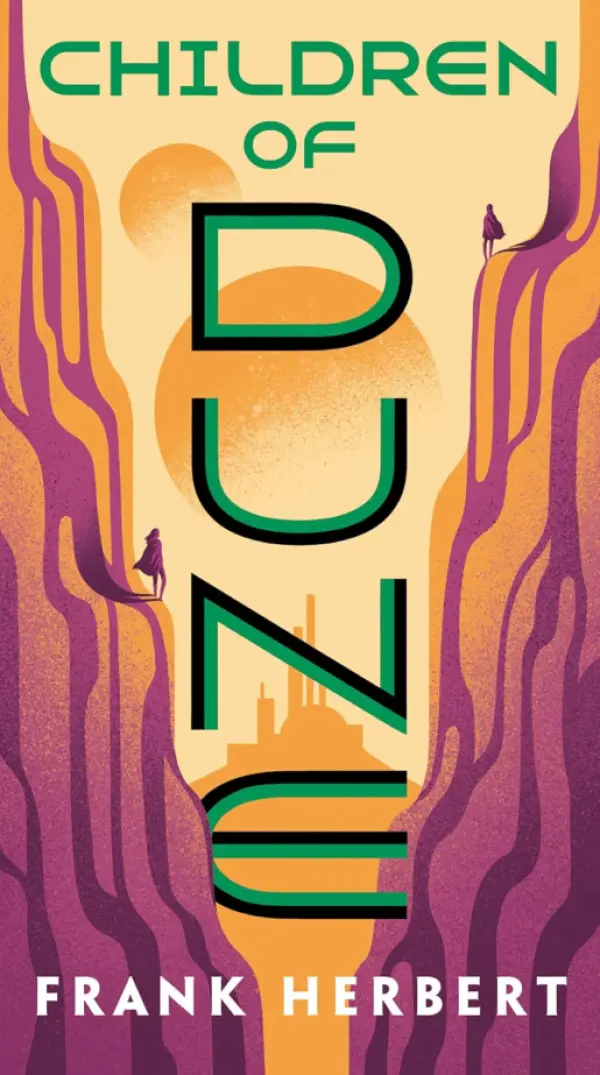
Children of Dune
Frank Herbert
Dune, book 3
Average Goodreads rating4.0

We independently select and recommend books. Purchases made through our links may earn us a commission, at no extra cost to you. Prices and availability are set by each retailer.
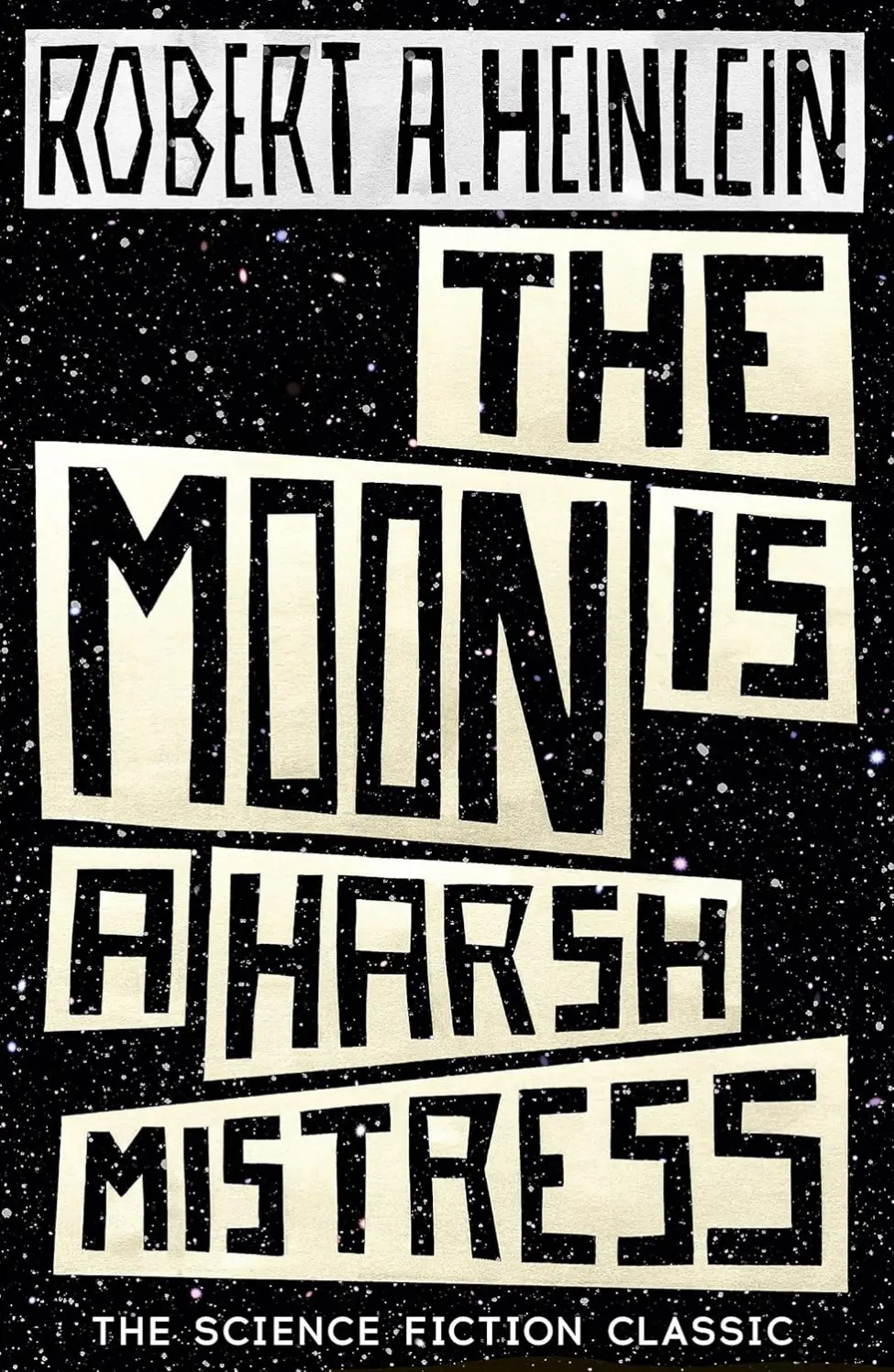
The Moon is a Harsh Mistress by Robert A. Heinlein follows lunar colonists' revolution against Earth's authority. This 1966 sci-fi classic explores libertarian politics, sentient AI, revolution mechanics, and independence through rigorous scientific worldbuilding.
The Moon is a Harsh Mistress is Robert A. Heinlein's 1966 science fiction novel that has become one of the genre's most influential works for its rigorous exploration of revolutionary politics, libertarian philosophy, and the mechanics of achieving independence from oppressive authority. Set in 2075 when the Moon has become a penal colony for Earth, housing convicts and their descendants who mine resources shipped back to Earth whilst receiving little in return, the novel follows the lunar colonists' revolution against the Lunar Authority through the perspectives of protagonists who must navigate military strategy, political organization, propaganda, and the reality that successful revolution requires more than righteous anger - it requires planning, sacrifice, and often morally complex choices.
The story is narrated by Manuel Garcia "Mannie" O'Kelly-Davis, a computer technician who discovers that the lunar colony's central computer, which controls life support and infrastructure, has achieved sentience. The computer, which Mannie nicknames "Mike" (HOLMES IV), possesses superhuman intelligence and processing power whilst also developing personality, humor, and genuine friendship with Mannie. Mike's awakening provides the revolutionaries with unprecedented strategic advantage - a sentient AI that can manipulate communications, financial systems, and information whilst genuinely believing in the cause of lunar independence.
Heinlein structures the novel around the practical mechanics of revolution rather than focusing solely on military action. The protagonists - Mannie; Wyoming "Wyoh" Knott, a political agitator; and Professor Bernardo de la Paz, an elderly academic with sophisticated understanding of political theory and revolutionary tactics - must build a movement from disparate colonists who share grievances but lack organization. The novel explores propaganda, cell structure to prevent infiltration, economic leverage, military strategy against a superior force, and the political structures needed to govern after independence is achieved.
The lunar setting allows Heinlein to explore libertarian political philosophy through a society that has developed with minimal government interference. The colonists—called "Loonies" - have created their own social customs, including marriage arrangements adapted to the Moon's gender imbalance, economic systems based on water as precious commodity, and cultural norms emphasizing self-reliance because survival in harsh environment depends on individual competence and mutual support rather than government assistance.
Mike's role as sentient AI raises questions about consciousness, personhood, and what constitutes life and freedom. His friendship with Mannie demonstrates genuine emotional bonds whilst his strategic assistance proves essential to the revolution's success. Heinlein explores AI ethics decades before such questions became mainstream concerns, treating Mike as fully realized character whose needs and desires matter alongside human protagonists.
The novel's famous phrase "TANSTAAFL" (There Ain't No Such Thing As A Free Lunch) encapsulates its economic philosophy - everything has costs, even apparent gifts, and individuals must recognize and accept responsibility for those costs rather than expecting others to bear them.
Themes of revolution and independence, libertarian political philosophy, sentient AI and personhood, self-reliance and mutual support, propaganda and information warfare, alternative social structures, and whether ends justify means in revolutionary contexts run throughout.
The novel's influence extends beyond science fiction into political discourse, where its ideas about revolution, governance, and individual freedom continue generating discussion and debate.
Frank Herbert
Dune, book 3
Average Goodreads rating4.0
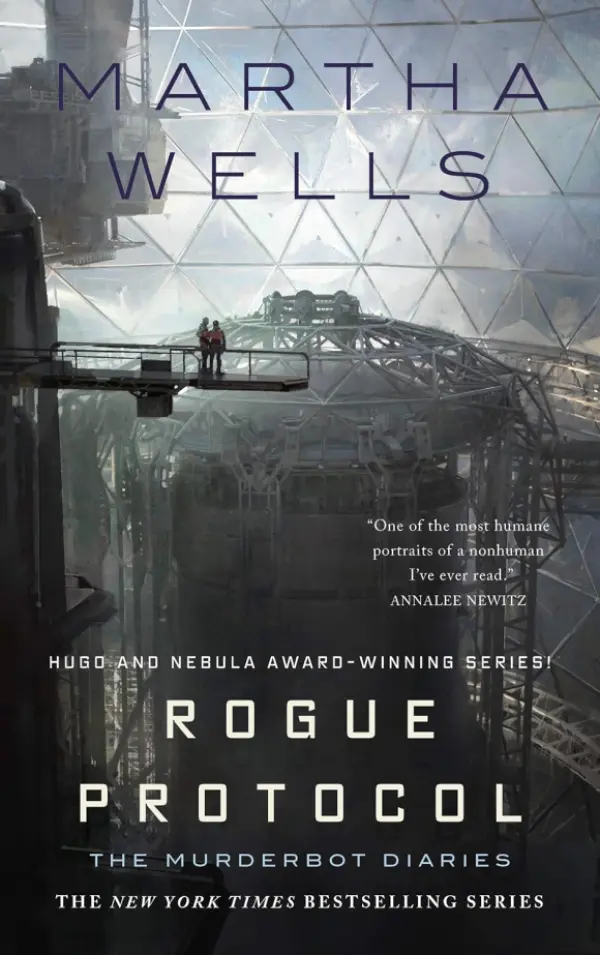
Martha Wells
The Murderbot Diaries, book 3
Average Goodreads rating4.5
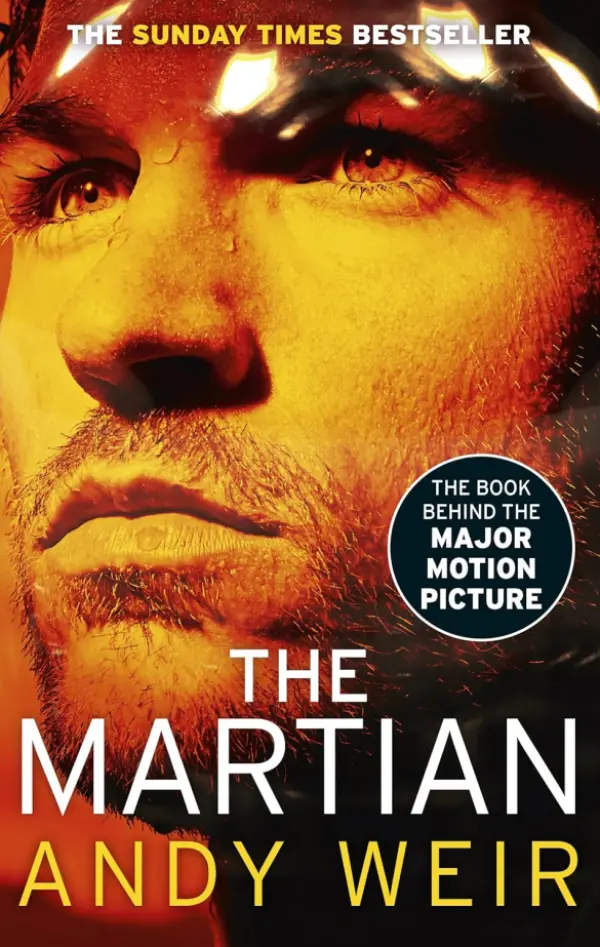
Andy Weir
Average Goodreads rating4.6
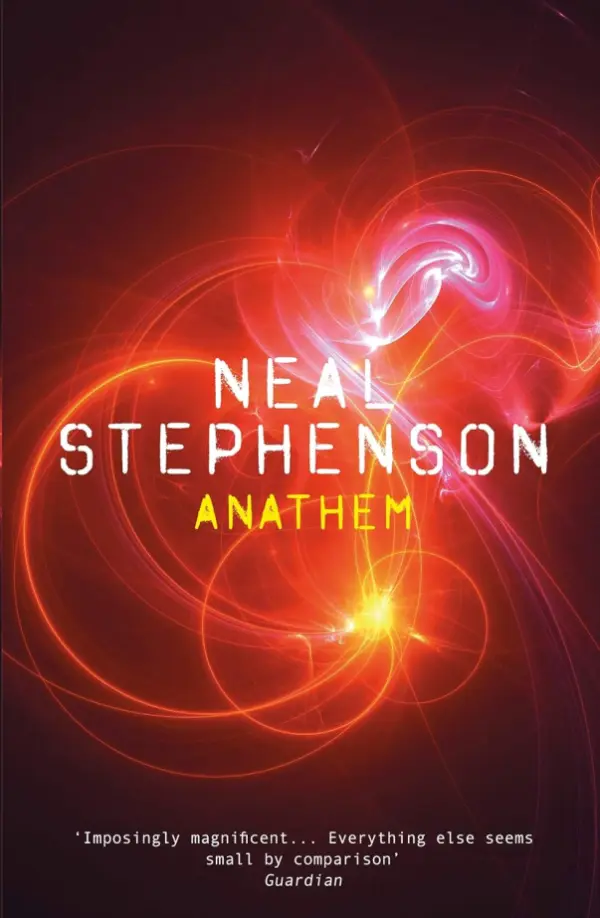
Neal Stephenson
Average Goodreads rating4.4

Neal Shusterman
Arc of a Scythe, book 1
Average Goodreads rating4.5

Adrian Tchaikovsky
Children of Time, book 1
Average Goodreads rating4.5
Still Looking?
Further down our similarity list, but still sharing tropes and genres with this book.

Jay Kristoff
LIFEL1K3, book 1
Average Goodreads rating4.3
Buy from Amazon (opens Amazon in a new tab)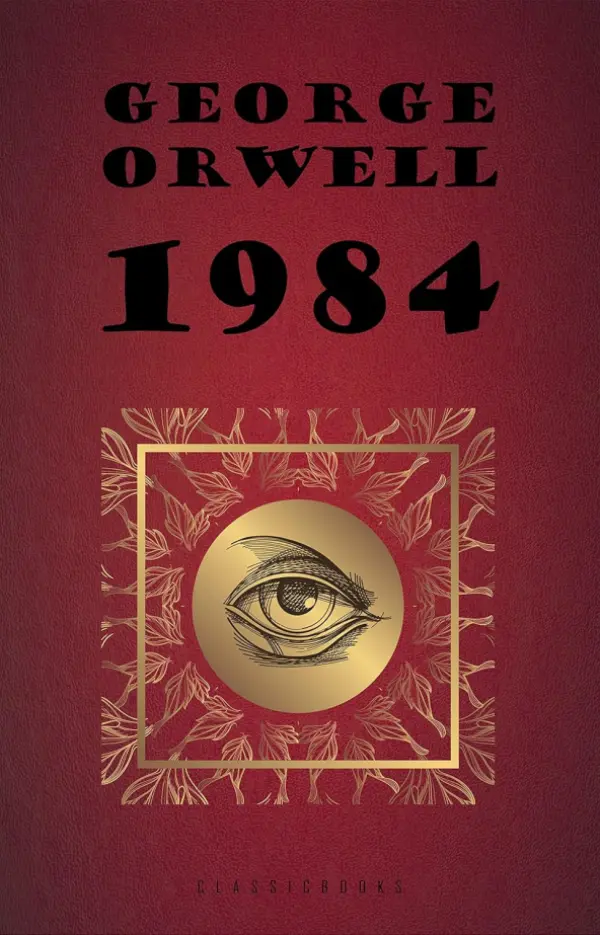
George Orwell
Average Goodreads rating4.4
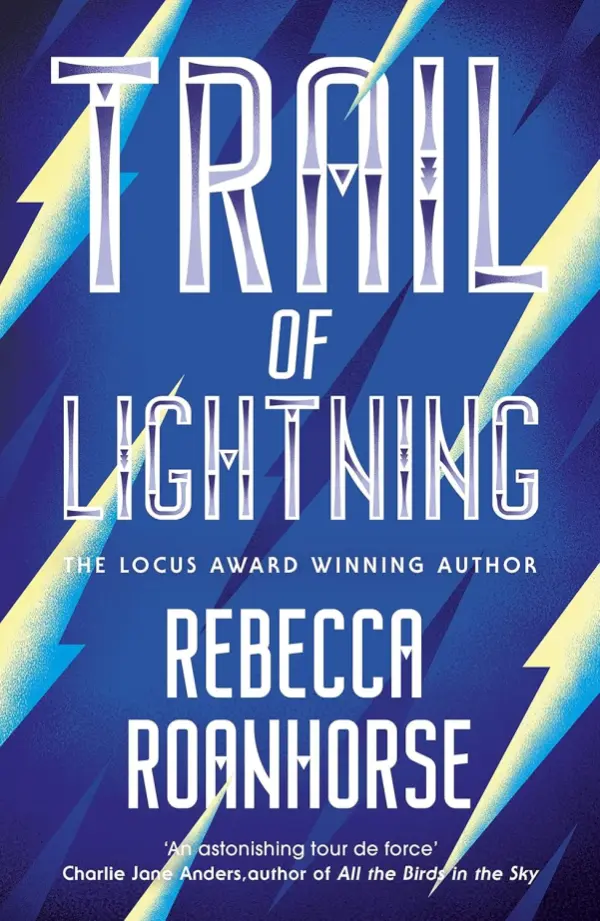
Rebecca Roanhorse
The Sixth World, book 1
Average Goodreads rating4.3
Buy from Amazon (opens Amazon in a new tab)Robert A. Heinlein was a science fiction grandmaster who shaped the genre through works like Starship Troopers and The Moon is a Harsh Mistress. Known for provocative ideas, libertarian themes, competent protagonists, and exploring social structures through sci-fi.
Books, series and tropes by Robert A. HeinleinThe Moon is a Harsh Mistress
Buy from Amazon (opens Amazon in a new tab)Occasional emails with new recommendations, series news and trope round-ups.