The Moon is a Harsh Mistress
Robert A. Heinlein
Average Goodreads rating4.4
- Artificial Intelligence (AI)
- First-Person POV

Book trope · 7 books
At its heart, a revolution narrative is a story about dismantling power. Someone — usually someone with far less influence than the system they're fighting — decides that enough is enough, and the entire plot turns on what happens next.
More about the Revolution Narrative trope1 is tagged with Revolution Narrative individually. The others belong to a series tagged with it, which doesn’t mean every book in it features the trope, so they’re marked “Matched via its series”.
Updating books…
7 books found
Robert A. Heinlein
Average Goodreads rating4.4
Frank Herbert
Dune, book 1
Average Goodreads rating4.3
Matched via its series
Frank Herbert
Dune, book 2
Average Goodreads rating3.9
Matched via its series
Frank Herbert
Dune, book 3
Average Goodreads rating4.0
Matched via its series
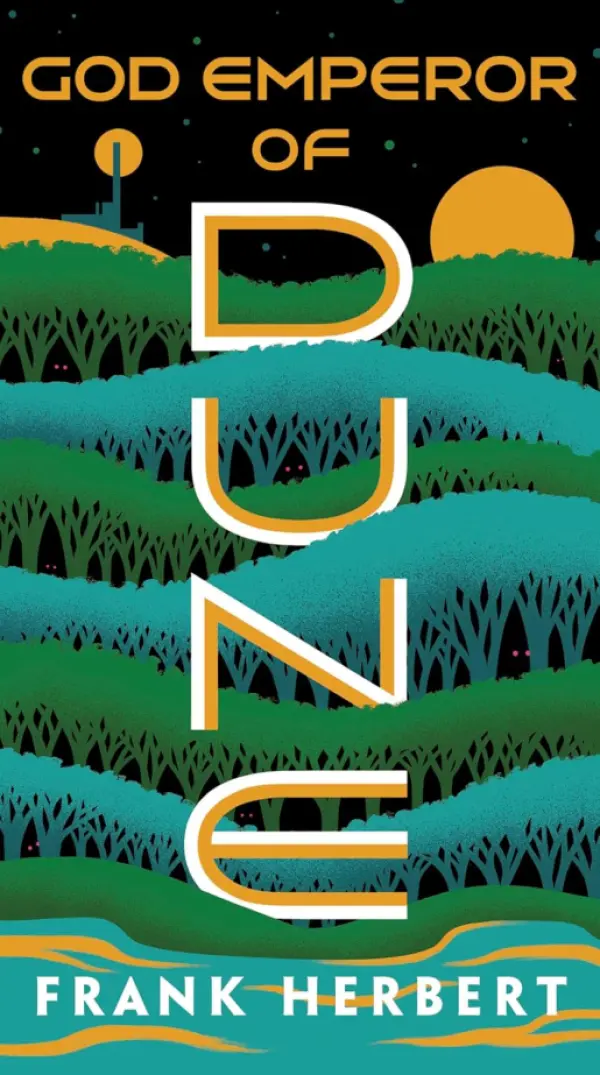
Frank Herbert
Dune, book 4
Average Goodreads rating3.9
Matched via its series
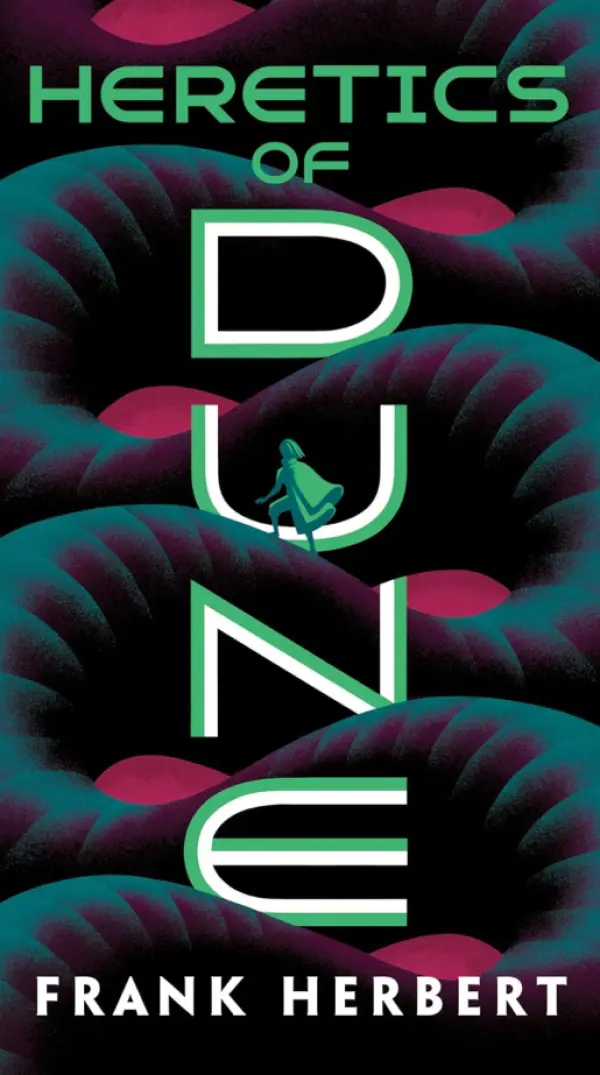
Frank Herbert
Dune, book 5
Average Goodreads rating3.8
Matched via its series
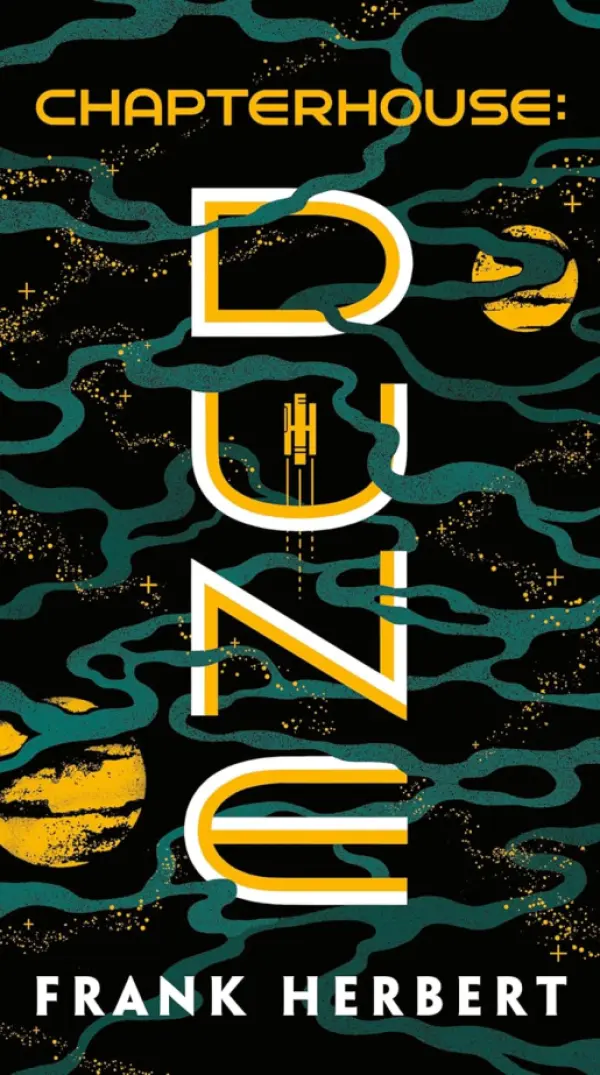
Frank Herbert
Dune, book 6
Average Goodreads rating3.9
Matched via its series
Tropes that share the most books with Revolution Narrative
At its heart, a revolution narrative is a story about dismantling power. Someone — usually someone with far less influence than the system they're fighting — decides that enough is enough, and the entire plot turns on what happens next. These stories are built around collective action, sacrifice, and the question of whether change is ever truly possible without cost.
What makes readers come back to this trope again and again is the emotional architecture underneath the politics. A revolution narrative isn't really about governments or armies. It's about ordinary people pushed past endurance, about the moment a character stops waiting to be saved and starts doing the saving. That shift — from subject to agent — is one of the most satisfying movements in fiction.
The clearest marker of a revolution narrative is an unjust power structure that exists before the story begins. Readers are dropped into a world already broken — a monarchy that brutalises its poor, a caste system maintained through violence, a magical elite hoarding resources from those born without power. The status quo isn't neutral. It's a wound.
From there, the story typically traces a movement from grievance to uprising. There's usually a catalyst — an act of cruelty that can no longer be ignored, a martyr, a revelation about the true nature of the regime. Then comes the organising: alliances formed across difference, debates about tactics and ethics, betrayals from within. The best revolution narratives resist making this feel clean. Morally complicated leaders, unintended casualties, and the uncomfortable possibility that the revolutionaries might become what they're fighting against all belong to the genre's most honest iterations.
A central figure often carries the symbolic weight of the movement, whether they want to or not. This person rarely chose their role. They were thrust into it, and part of the dramatic tension is watching them reckon with what that means — for them personally, and for the people following them.
Fantasy is where the revolution narrative thrives most visibly. High fantasy gives writers the space to construct societies from scratch — to build the injustice into the world's bones, then show readers exactly why it has to fall. Young adult fantasy in particular has made the revolution narrative one of its defining modes, with chosen figures leading uprisings against authoritarian regimes becoming a recognisable template across dozens of beloved series.
Adult fantasy tends to take a grimmer approach, questioning the mythology of revolution rather than celebrating it. These stories often focus on what comes after the uprising — the power vacuums, the compromises, the way old hierarchies have a habit of reasserting themselves in new clothes.
Romance also has a long relationship with the trope, usually as a framework rather than the central engine. Two characters on opposite sides of a conflict, or one trying to protect the other from the consequences of their involvement — the revolution becomes the pressure that tests and deepens the emotional relationship at the story's core.
Revolution narratives persist because they ask questions that never go out of date. How much can one person bear before they act? What do we owe each other when the cost is our own safety? And can a movement remain true to its values once it has the power to enforce them?
These are political questions, yes, but they're also deeply personal ones. The best entries in this tradition make you feel both at once — the sweep of history and the very specific weight of one character's choice. That combination is difficult to pull off and impossible to forget.
Occasional emails with new recommendations, series news and trope round-ups.