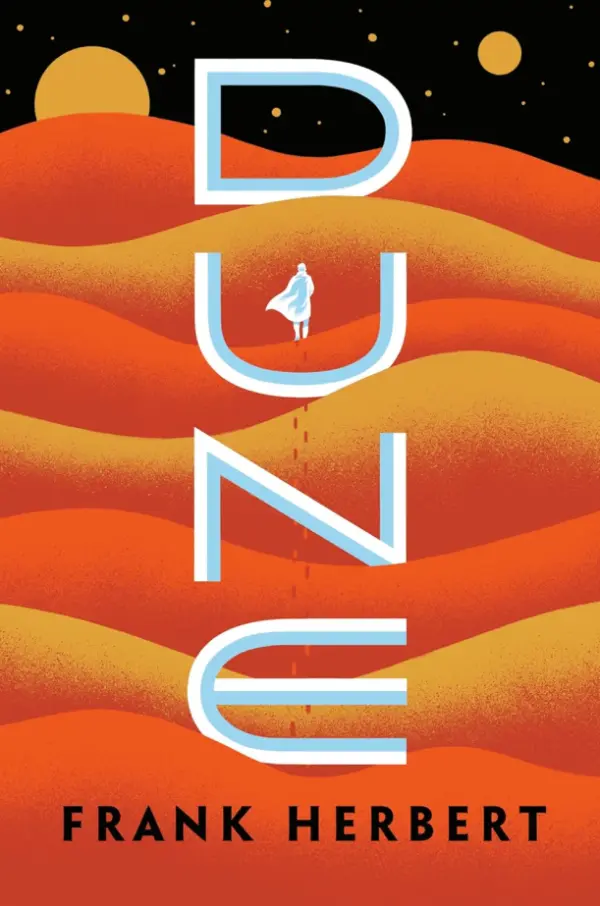
Dune
Frank Herbert
Dune, book 1
Average Goodreads rating4.3
Matched via its series

Book trope · 12 books
The world is dying, and everyone knows it. Environmental collapse as a narrative trope places ecological catastrophe — whether slow and creeping or suddenly, terrifyingly accelerated — at the centre of a story's tension.
More about the Environmental Collapse trope0 are tagged with Environmental Collapse individually. The others belong to a series tagged with it, which doesn’t mean every book in it features the trope, so they’re marked “Matched via its series”.
Updating books…
12 books found
Frank Herbert
Dune, book 1
Average Goodreads rating4.3
Matched via its series
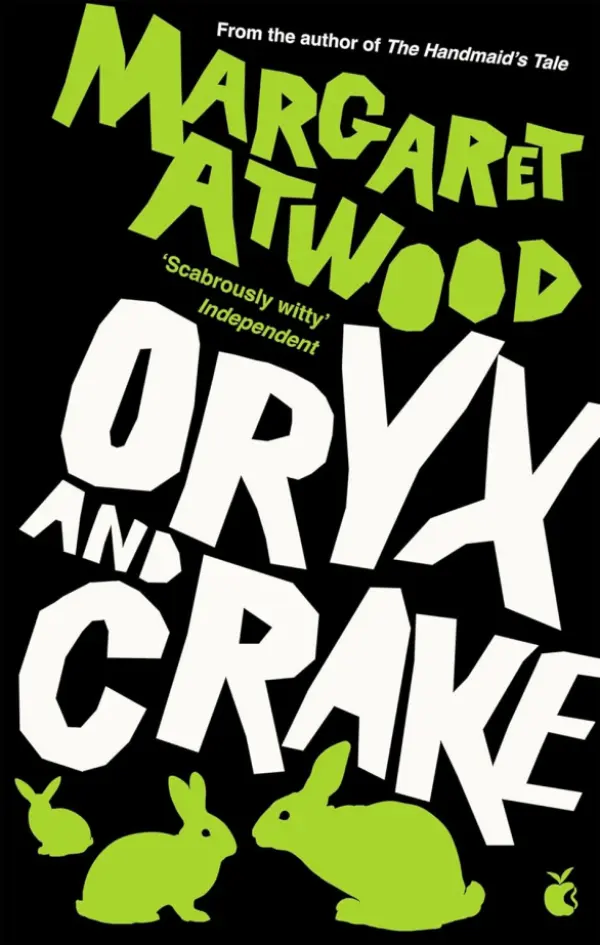
Margaret Atwood
The MaddAddam Trilogy, book 1
Average Goodreads rating4.4
Matched via its series

Jay Kristoff
LIFEL1K3, book 1
Average Goodreads rating4.3
Matched via its series
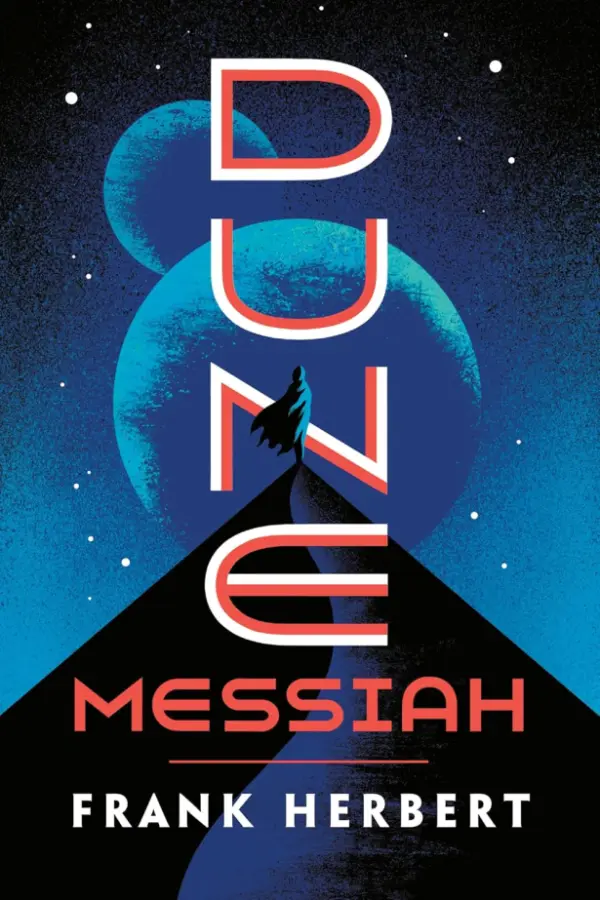
Frank Herbert
Dune, book 2
Average Goodreads rating3.9
Matched via its series
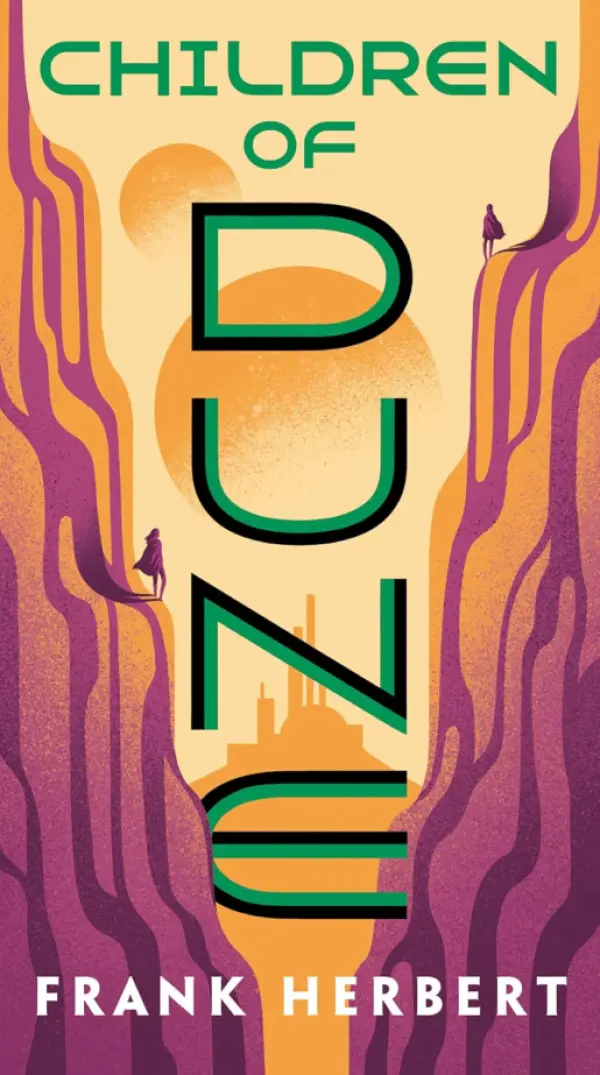
Frank Herbert
Dune, book 3
Average Goodreads rating4.0
Matched via its series
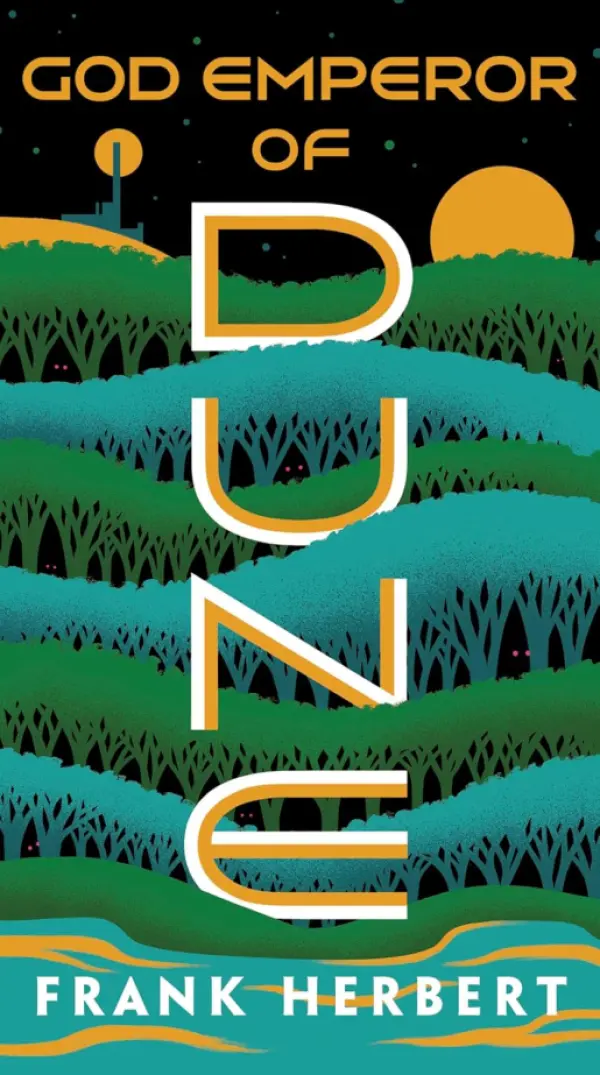
Frank Herbert
Dune, book 4
Average Goodreads rating3.9
Matched via its series
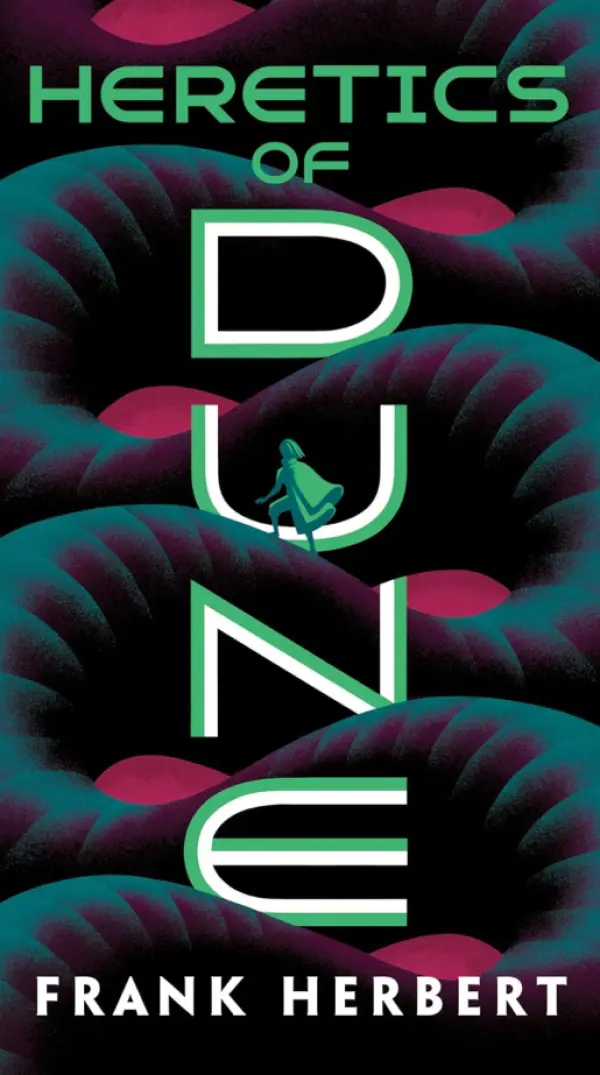
Frank Herbert
Dune, book 5
Average Goodreads rating3.8
Matched via its series
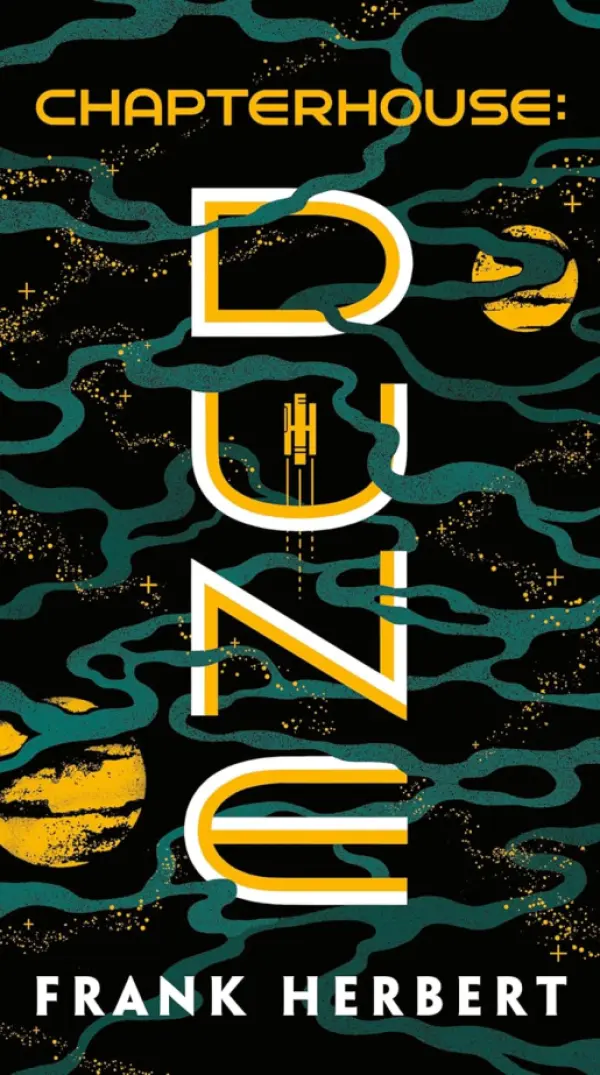
Frank Herbert
Dune, book 6
Average Goodreads rating3.9
Matched via its series
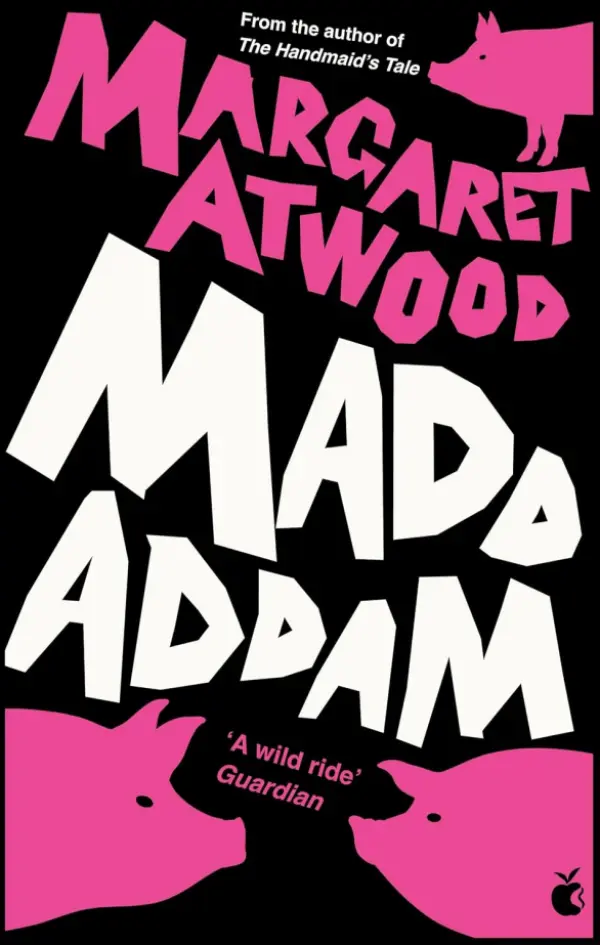
Margaret Atwood
The MaddAddam Trilogy, book 3
Average Goodreads rating4.5
Matched via its series
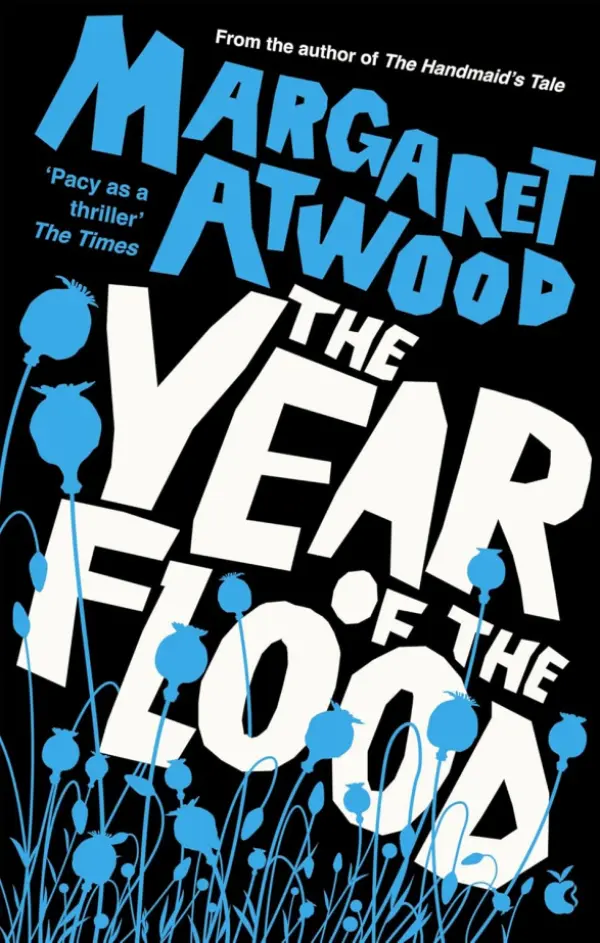
Margaret Atwood
The MaddAddam Trilogy, book 2
Average Goodreads rating4.4
Matched via its series

Jay Kristoff
LIFEL1K3, book 2
Average Goodreads rating4.6
Matched via its series

Jay Kristoff
LIFEL1K3, book 3
Average Goodreads rating4.6
Matched via its series
Tropes that share the most books with Environmental Collapse
The world is dying, and everyone knows it. Environmental collapse as a narrative trope places ecological catastrophe — whether slow and creeping or suddenly, terrifyingly accelerated — at the centre of a story's tension. The land is poisoned, the seas have risen, the forests are ash, or the sky itself has turned hostile. Whatever the specific catastrophe, the premise is the same: humanity (or the fantasy equivalent) pushed too hard, took too much, and now the consequences are arriving.
It's a trope with real urgency behind it. Readers are drawn to these stories not just for the drama of survival, but because they mirror anxieties that feel genuinely present in the world outside the book. The best environmental collapse narratives don't just build a ruined landscape for atmosphere — they ask who caused it, who suffers most, and whether anything can be undone.
At its core, the trope is built around consequence. Unlike natural disasters, environmental collapse in fiction is almost always tied to human (or humanoid) choices — industrial overreach, magical exploitation of the land, the greed of empire, or the slow neglect of generations. This distinction matters, because it turns the ruined world into a moral argument, not just a backdrop.
The collapsed environment tends to function as both setting and antagonist. Characters don't simply travel through a broken landscape; they are shaped by it. Resources are scarce. Communities are fractured. Old knowledge about how the land once worked becomes precious and contested. Power structures often warp around whoever controls what little remains — clean water, fertile soil, breathable air.
Magic systems, when present, frequently tie directly into the collapse. A world where magic was extracted from the earth like a mineral resource, or where elemental forces have been thrown out of balance, makes the environmental stakes feel woven into the story's very logic rather than tacked on as commentary.
The trope spans a wide tonal range. Some stories lean into quiet desolation — sparse prose, small communities clinging on, the grief of a world that used to be green. Others are furious and propulsive, with factions warring over the last habitable zones or racing to activate some half-remembered restoration technology before it's too late.
Fantasy interpretations often frame the collapse in terms of broken covenants — a bargain with the land that was violated, a god of nature whose death or absence set off a chain of decay. Science fiction and dystopian variants tend toward the industrial: strip-mining, corporate pollution, terraforming gone wrong. Romantasy increasingly uses environmental collapse as the crisis that forces unlikely alliances, where the fate of the natural world becomes entangled with the fate of a relationship.
There's also a meaningful distinction between stories set during the collapse — frantic, immediate, desperate — and those set long after it, where characters have no memory of the world before and must piece together what was lost. That second type tends to carry a particular kind of melancholy that readers find quietly devastating.
These stories hold tension that most other crisis narratives can't quite replicate, because the scale is total. A villain can be defeated. A war can end. But a poisoned world demands something more than a final battle — it demands transformation, reckoning, or acceptance. That open-endedness makes environmental collapse stories linger. The question isn't just whether the characters survive, but whether survival is even enough.
For readers who want fantasy or speculative fiction that carries genuine weight, this is a trope that refuses to let the world off the hook.
Occasional emails with new recommendations, series news and trope round-ups.