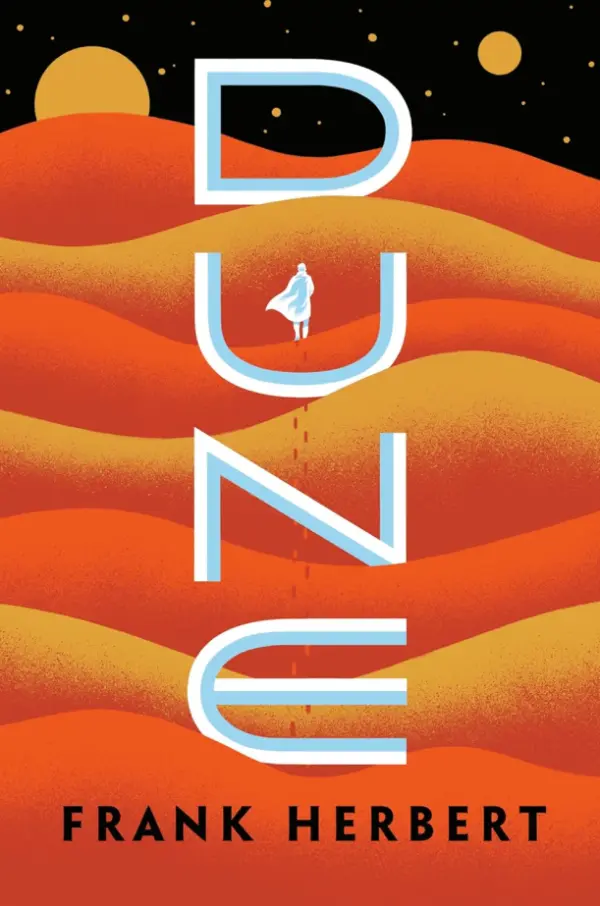
Dune
Frank Herbert
Dune, book 1
Average Goodreads rating4.3
Matched via its series

Book trope · 6 books
Few narrative shapes feel as instinctively satisfying as this one. An ordinary person — or someone who believes they are ordinary — is pulled out of their familiar world by a call to adventure.
More about the Hero's Journey trope0 are tagged with Hero's Journey individually. The others belong to a series tagged with it, which doesn’t mean every book in it features the trope, so they’re marked “Matched via its series”.
Updating books…
6 books found
Frank Herbert
Dune, book 1
Average Goodreads rating4.3
Matched via its series
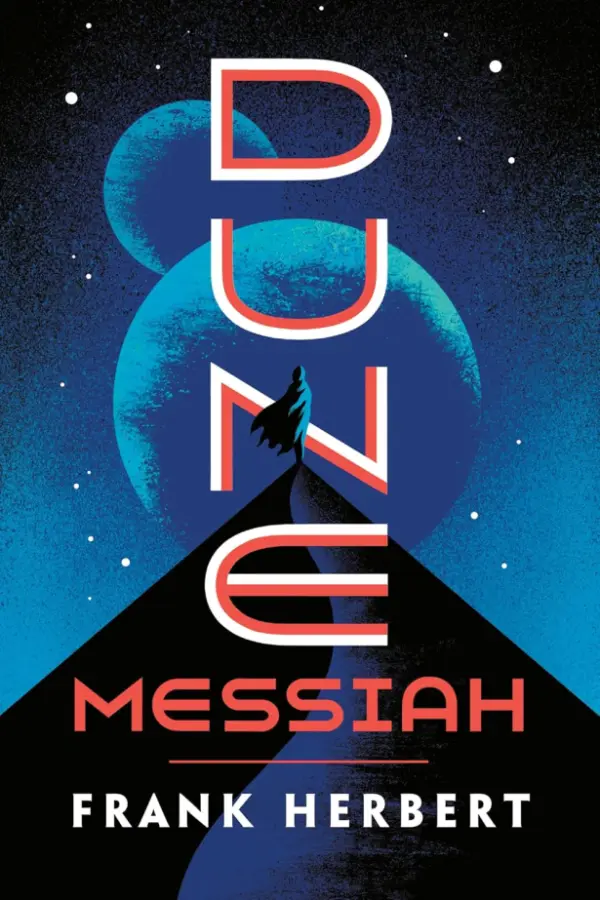
Frank Herbert
Dune, book 2
Average Goodreads rating3.9
Matched via its series
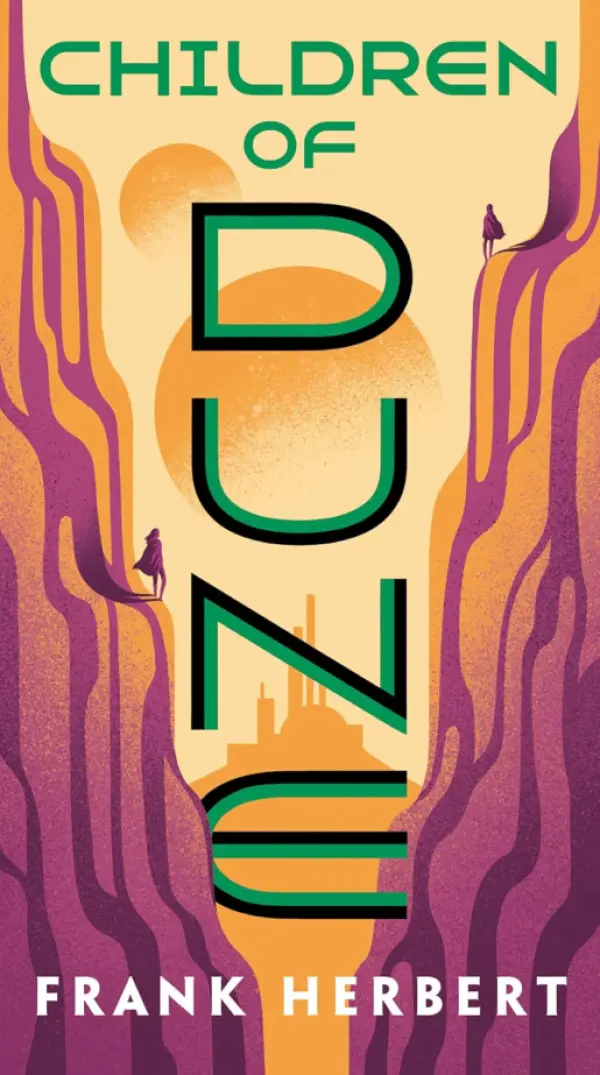
Frank Herbert
Dune, book 3
Average Goodreads rating4.0
Matched via its series
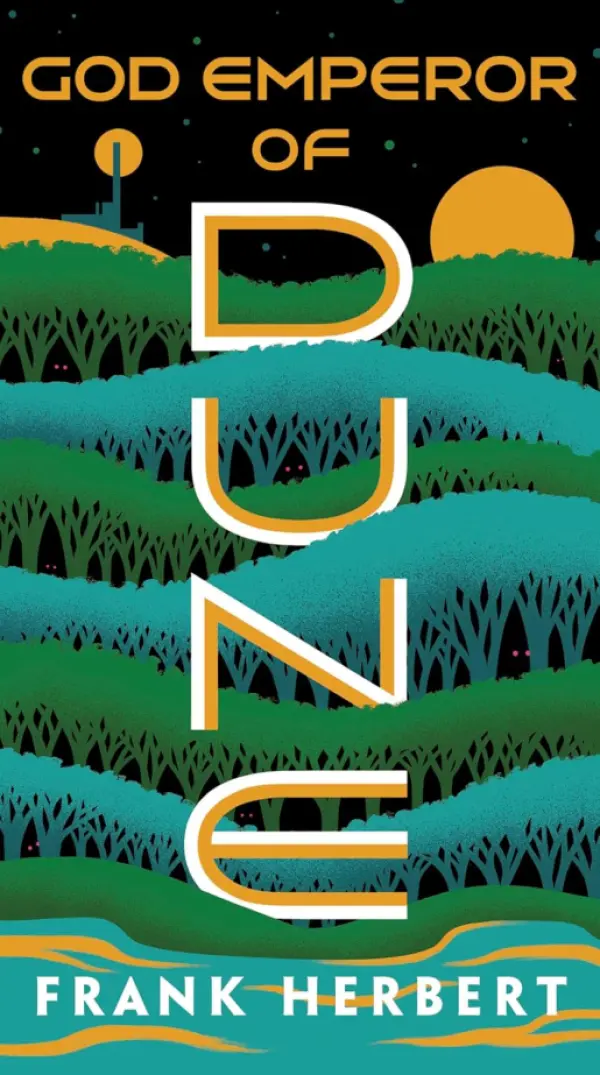
Frank Herbert
Dune, book 4
Average Goodreads rating3.9
Matched via its series
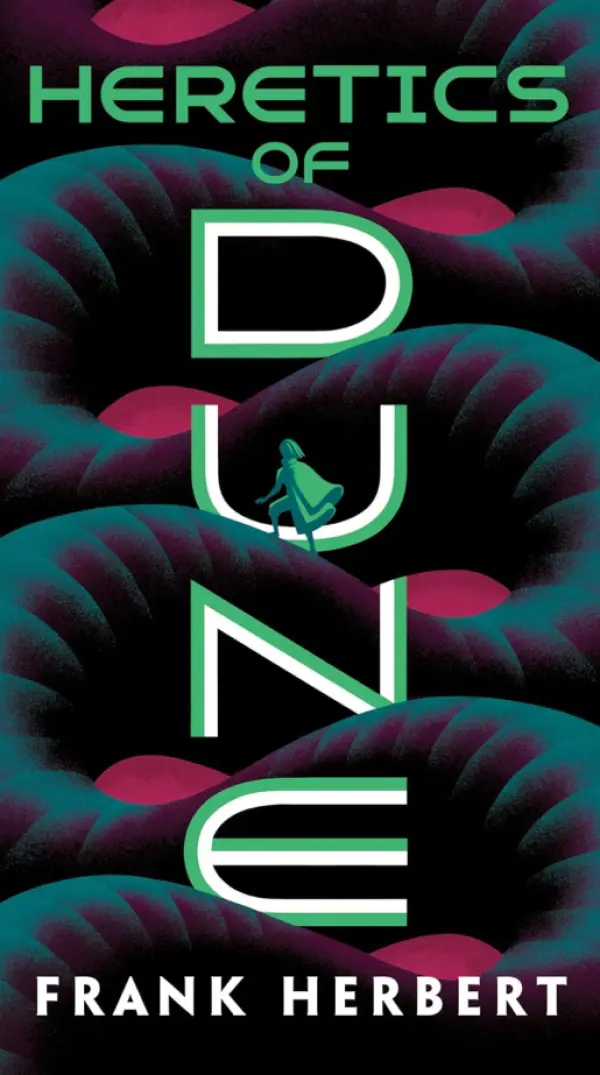
Frank Herbert
Dune, book 5
Average Goodreads rating3.8
Matched via its series
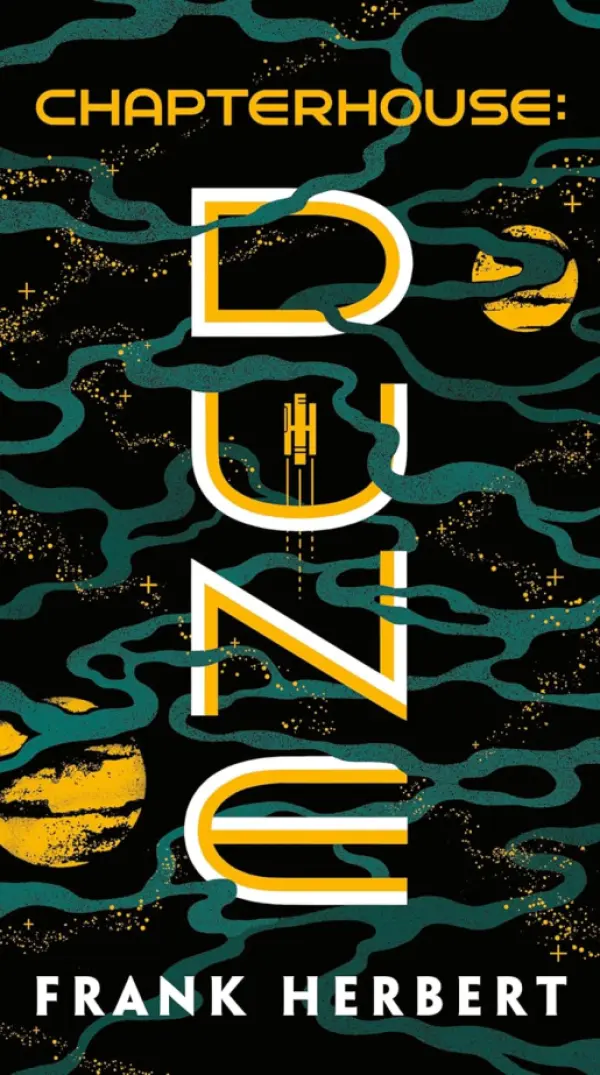
Frank Herbert
Dune, book 6
Average Goodreads rating3.9
Matched via its series
Tropes that share the most books with Hero's Journey
Few narrative shapes feel as instinctively satisfying as this one. An ordinary person — or someone who believes they are ordinary — is pulled out of their familiar world by a call to adventure. They cross a threshold, face trials that test them to their limits, and return transformed. That's the essential arc, and it's older than writing itself.
Scholars of mythology have traced this pattern across cultures and centuries, finding it embedded in ancient epics, folklore, and religious allegory alike. In modern fantasy and romance, it remains one of the most beloved structural frameworks precisely because it mirrors something true about how change actually feels: uncomfortable, dangerous, and ultimately necessary.
The journey is as much internal as external. Yes, there's usually a quest of some kind — a dragon to slay, a dark lord to defeat, a truth to uncover — but the real movement is within the protagonist. Who were they before? Who are they forced to become? The best examples of this trope make those two versions of the character feel genuinely, irreconcilably different by the final act.
Key beats tend to include a mentor figure (often one who won't survive long enough to see the hero succeed), a period of descent into darkness or failure, and a moment of crisis that strips the protagonist of every support they've come to rely on. It's in that stripped-back moment — alone, overwhelmed, seemingly defeated — that the hero discovers what they're actually made of. Readers love this beat because it's the emotional core of the whole shape.
Companions matter enormously here too. The found family, the rival-turned-ally, the wise but flawed guide — these supporting figures aren't decoration. They're the mirrors in which the hero sees themselves changing in real time.
The trope is flexible enough to carry almost any genre flavour. In high fantasy, the journey tends to be literal and world-spanning — continents crossed, armies faced, ancient powers confronted. In urban fantasy, the threshold is often invisible: a hidden world beneath the mundane one, with the protagonist stepping across it for the first time. Romance sometimes uses the structure more quietly, the hero's journey playing out as emotional rather than physical territory, with vulnerability as the final frontier.
Subversions are popular too. The reluctant hero who refuses the call for far longer than expected. The protagonist who completes the external quest and fails the internal one. The hero's journey told from the perspective of a sidekick watching someone else's transformation. Each twist on the formula tends to work best when the writer knows the original shape well enough to deliberately break it.
There are also darker readings — stories that interrogate the cost of becoming a hero, asking what gets sacrificed, who gets left behind, and whether the world that benefits from the hero's transformation ever really sees what it took to get there.
Part of the answer is simple: this arc is emotionally legible. Even a reader who couldn't name a single structural beat will feel, instinctively, when a story is following this shape. There's a comfort in that recognition, a sense of being in capable narrative hands.
But the deeper reason is that the hero's journey is a story about the possibility of change. It insists that who you are at the start isn't fixed — that hardship reshapes you into someone capable of things you couldn't have imagined. In fantasy especially, where the stakes are often literally civilisation-ending, that message lands with genuine force. The world needed saving, and you turned out to be the kind of person who could do it. You just didn't know yet.
That's a story worth telling again and again, in every world and every voice — and readers have never tired of it.
Occasional emails with new recommendations, series news and trope round-ups.