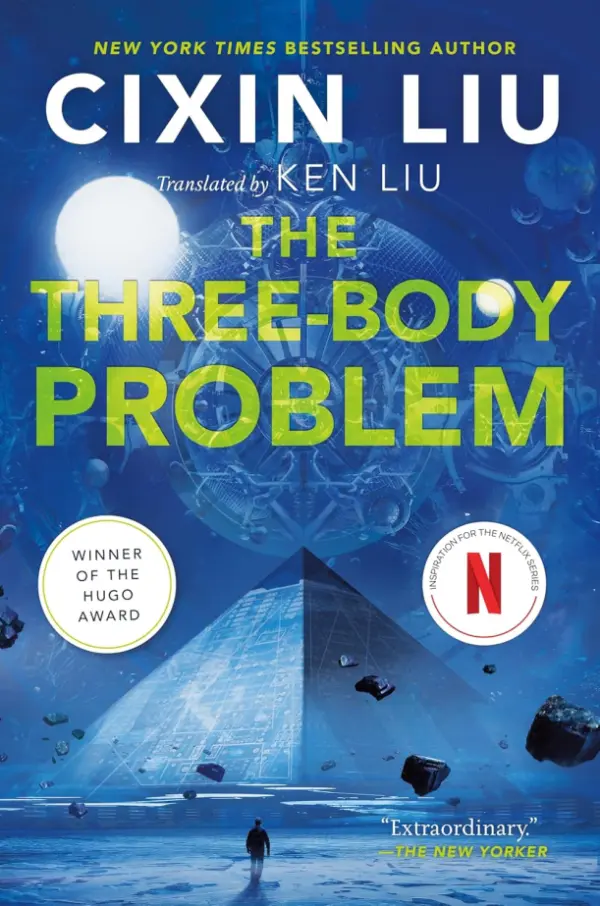
The Three-Body Problem
Liu Cixin
The Three-Body Problem, book 1
Average Goodreads rating4.1
- Systemic Injustice
- Secret Society

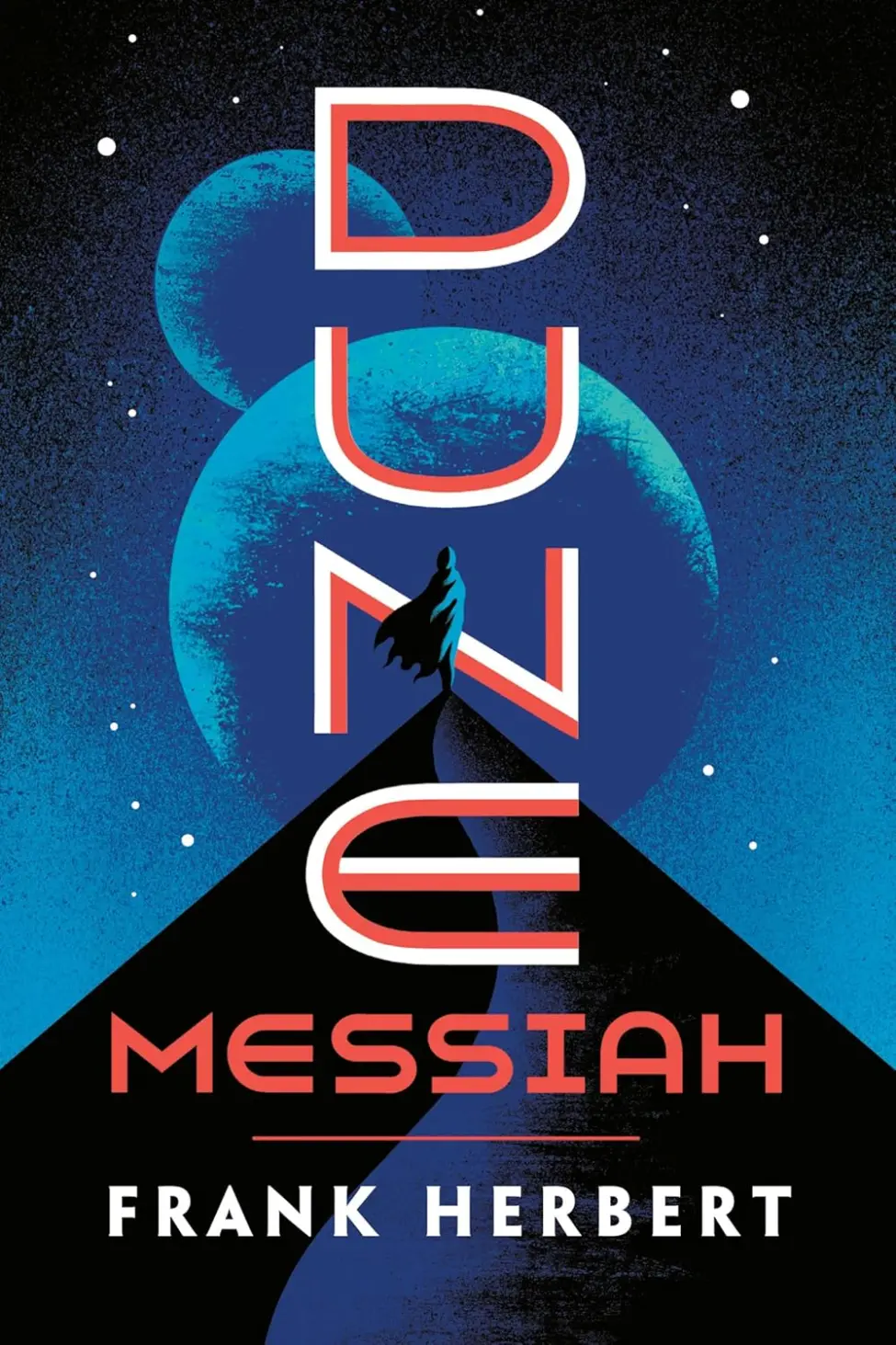
Book 2 in Dune
We independently select and recommend books. Purchases made through our links may earn us a commission, at no extra cost to you. Prices and availability are set by each retailer.
He won the throne. He became a god to billions. Now the conspiracy he never saw coming is already in motion. Dune Messiah is Frank Herbert's darker, sharper sequel to Dune - and the book that complicates everything the first one promised.
Tagged on the series as a whole, so not every book will feature each one.
Dune Messiah is the second instalment of Frank Herbert's Dune Chronicles, serialised in Galaxy magazine and published in full in 1969. Herbert always conceived of Dune and its first sequel as two halves of a single story - he'd written portions of Messiah before Dune itself was finished - and the contrast between them is deliberate. Where Dune built towards a young man's rise, Messiah is concerned almost entirely with what that rise actually cost.
Twelve years have passed since the events of Dune. Paul Atreides now rules as Emperor of the known universe, worshipped by the Fremen as the religious figure Muad'Dib. He holds more power than any single person in the history of the Imperium. He is also, by his own account, unable to stop the holy war his ascension unleashed - a war that has already claimed billions of lives across the galaxy, and one his prescient visions tell him is far from the worst future available to humanity. It's an uneasy, haunted kind of power, and Herbert spends the opening chapters making sure readers feel the weight of it before the plot proper even begins.
That plot arrives in the form of a conspiracy. The old powers Paul displaced - the Bene Gesserit sisterhood, the Spacing Guild, and the bio-engineering Tleilaxu - have not forgiven him for the throne he took, and they're no longer content to simply resent him from a distance. Working together, and shielding their planning from Paul's own foresight, they begin assembling a plot meant to undo him from the inside, using gifts, old loyalties, and people closest to him as the instruments. What that means for Paul's relationships with Chani, his sister Alia, and the people he trusts most in his court is where the novel's real tension lives - Herbert is far more interested in the personal cost of empire than in spectacle.
Tonally, Messiah is a markedly different read from its predecessor: considerably shorter, more claustrophobic, and far less interested in adventure for its own sake. The desert is still there, the politics are if anything denser, but the focus has narrowed from a coming-of-age story to something closer to a tragedy unfolding in throne rooms and private chambers. Readers who came to Dune for the scope of Arrakis itself may find this one quieter; readers who came for the political intrigue and the uneasy question of what happens after a chosen one actually wins will find this is where Herbert really gets to ask it.
It's a book that's grown in critical reputation over the decades, often described as the piece that completes Dune rather than simply follows it - Herbert was explicit that he wrote it specifically to undercut any reading of Paul as an uncomplicated hero. For readers willing to sit with a colder, more morally tangled instalment, Dune Messiah is essential reading, and arguably the book that makes clear what kind of saga Herbert was building all along.
Liu Cixin
The Three-Body Problem, book 1
Average Goodreads rating4.1
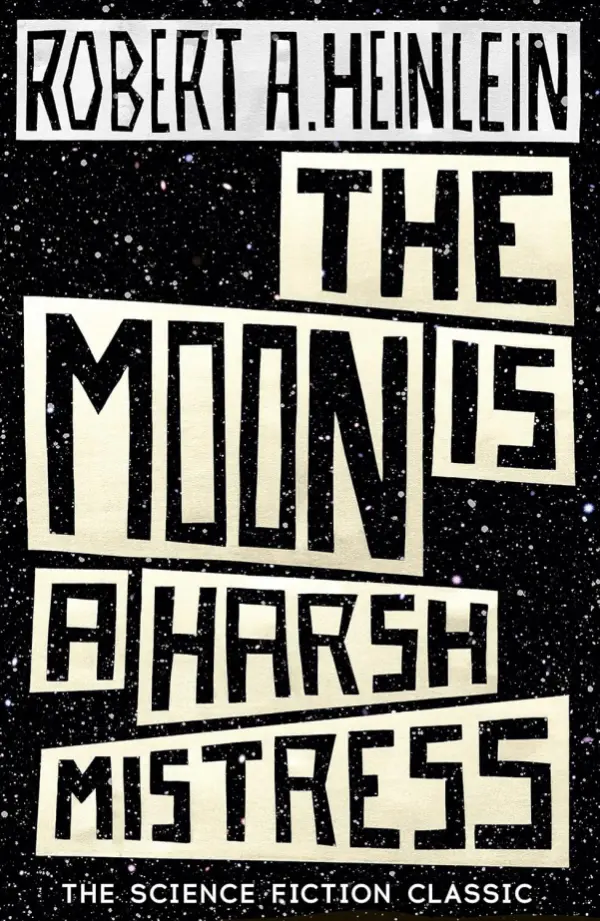
Robert A. Heinlein
Average Goodreads rating4.4

Pierce Brown
Red Rising, book 1
Average Goodreads rating4.5
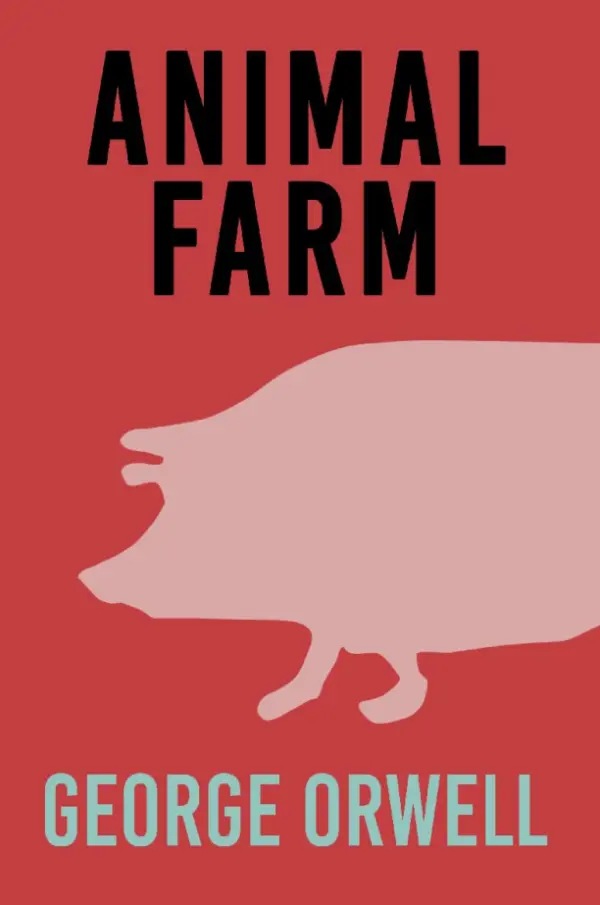
George Orwell
Average Goodreads rating4.6

Arkady Martine
Teixcalaan, book 1
Average Goodreads rating4.3

Christopher Ruocchio
The Sun Eater, book 1
Average Goodreads rating4.3
Still Looking?
Further down our similarity list, but still sharing tropes and genres with this book.

Adrian Tchaikovsky
Children of Time, book 1
Average Goodreads rating4.5
Buy from Amazon (opens Amazon in a new tab)
Octavia E. Butler
Parable, book 1
Average Goodreads rating4.4
Buy from Amazon (opens Amazon in a new tab)
Megan O'Keefe
The Scorched Continent, book 1
Average Goodreads rating4.1
Buy from Amazon (opens Amazon in a new tab)Frank Herbert is the visionary author behind Dune, the genre-defining science fiction saga of political intrigue, ecological upheaval and a reluctant messiah's rise across a hostile desert empire.
Books, series and tropes by Frank HerbertDune Messiah
Buy from Amazon (opens Amazon in a new tab)Occasional emails with new recommendations, series news and trope round-ups.