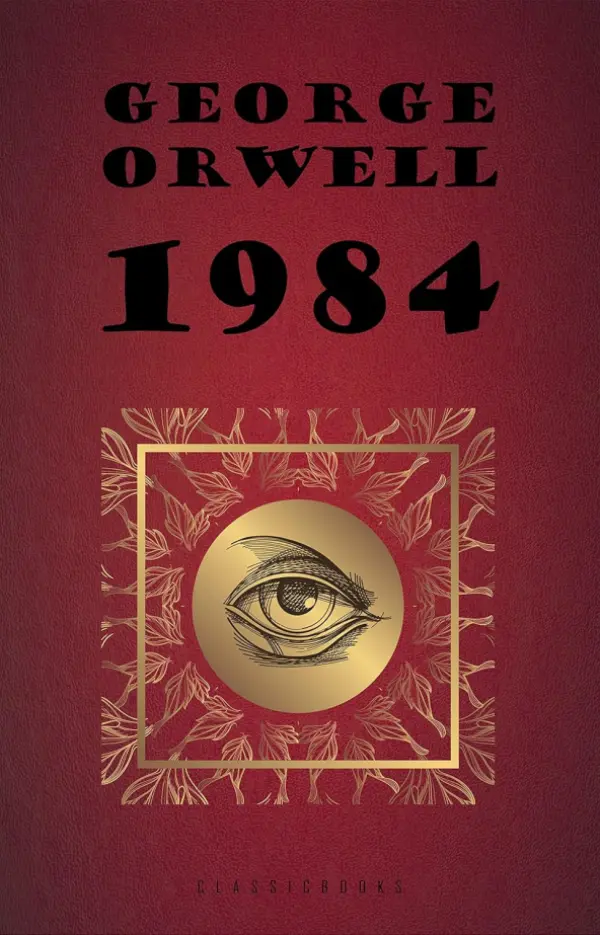
1984
George Orwell
Average Goodreads rating4.4
- Dystopian Society
- Psychological Manipulation

Book trope · 29 books
Few narrative forces are as reliably compelling as watching someone change. The power and corruption trope centres on exactly that: a character who gains authority, magic, status, or influence — and loses something essential in the process.
More about the Power & Corruption trope7 are tagged with Power & Corruption individually. The others belong to a series tagged with it, which doesn’t mean every book in it features the trope, so they’re marked “Matched via its series”.
Updating books…
29 books found
George Orwell
Average Goodreads rating4.4
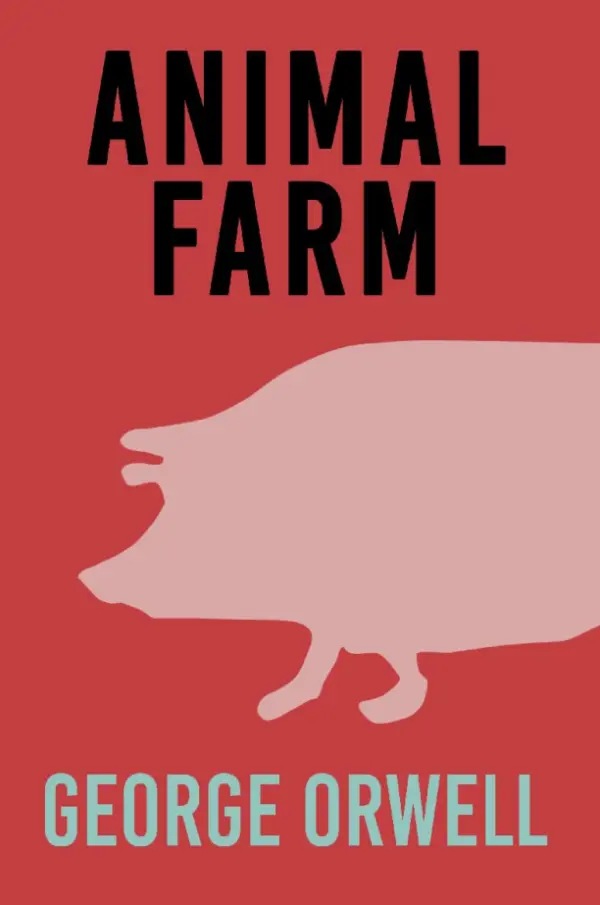
George Orwell
Average Goodreads rating4.6

John Marrs
Average Goodreads rating4.1
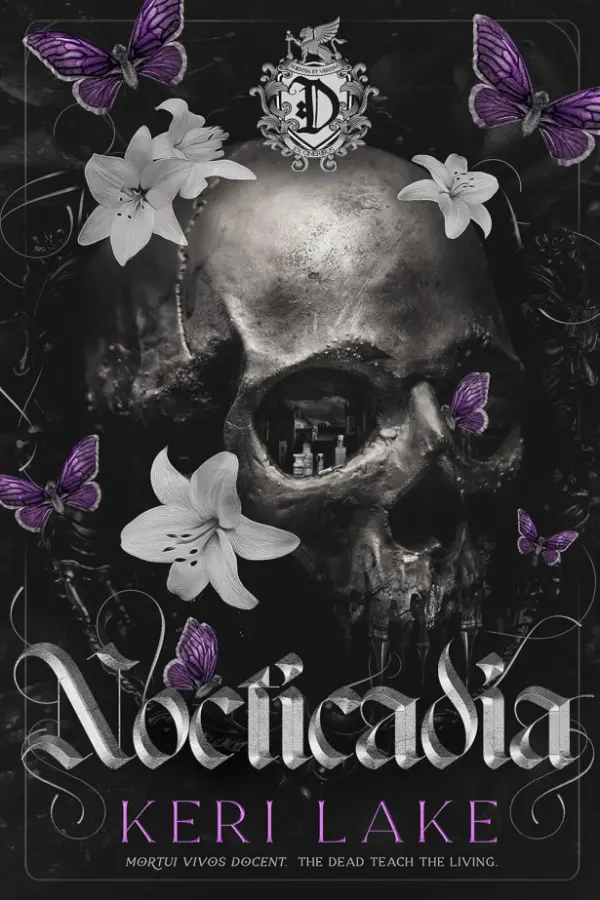
Keri Lake
Average Goodreads rating4.4
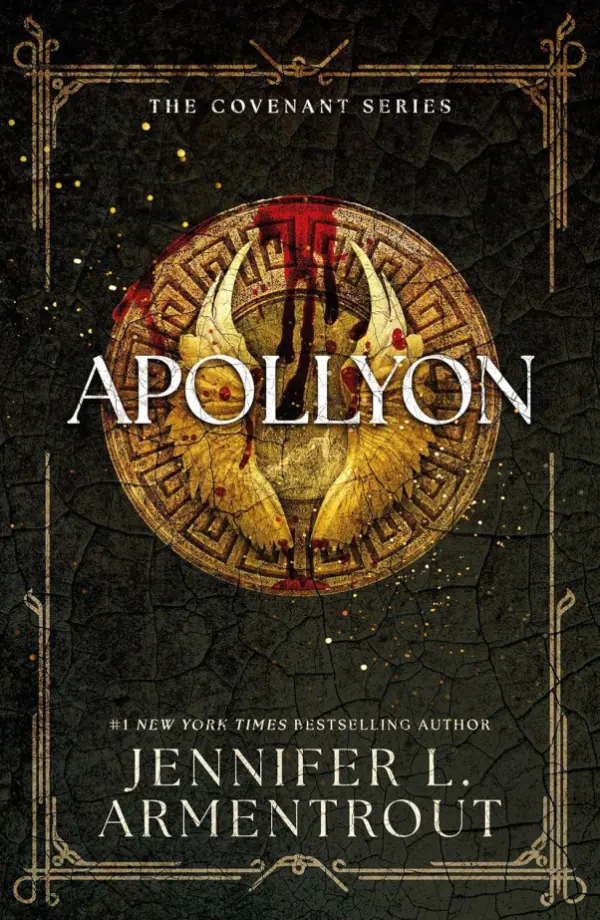
Jennifer L. Armentrout
Covenant, book 4
Average Goodreads rating4.3
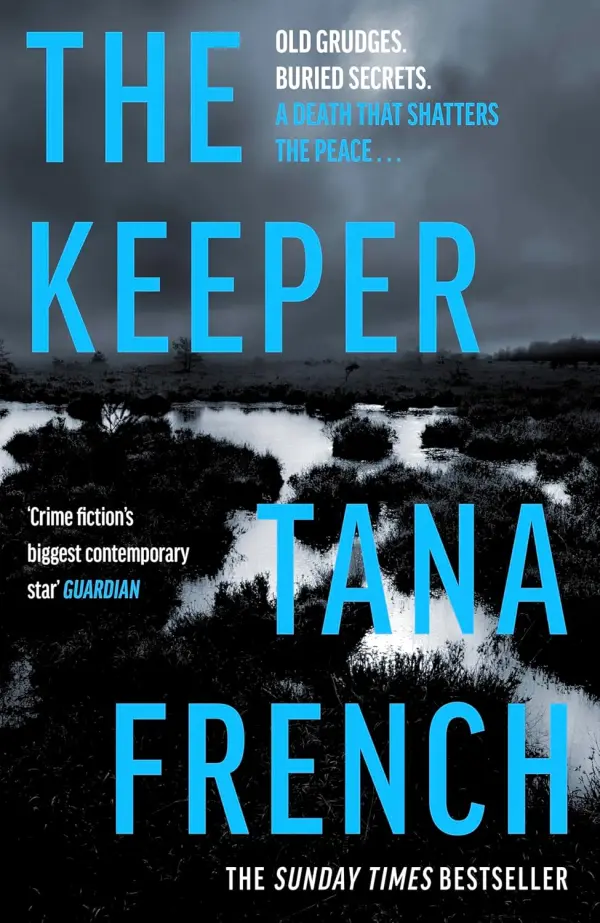
Tana French
Cal Hooper, book 3
Average Goodreads rating4.3
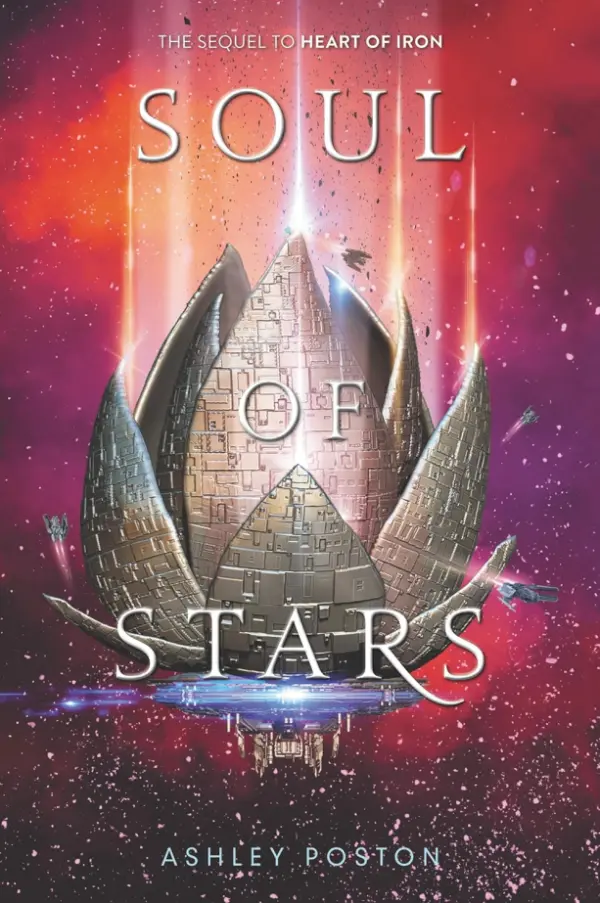
Ashley Poston
Heart of Iron, book 2
Average Goodreads rating4.0
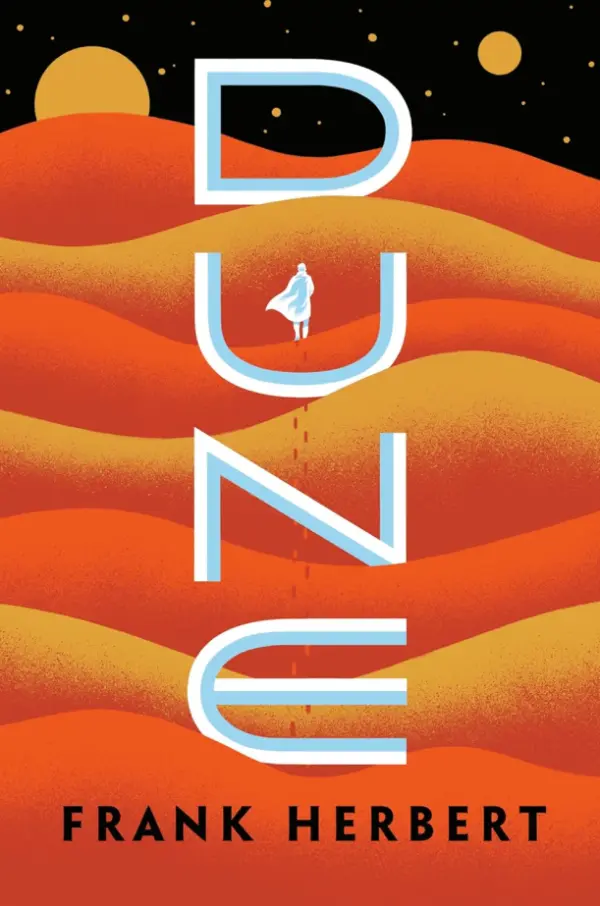
Frank Herbert
Dune, book 1
Average Goodreads rating4.3
Matched via its series
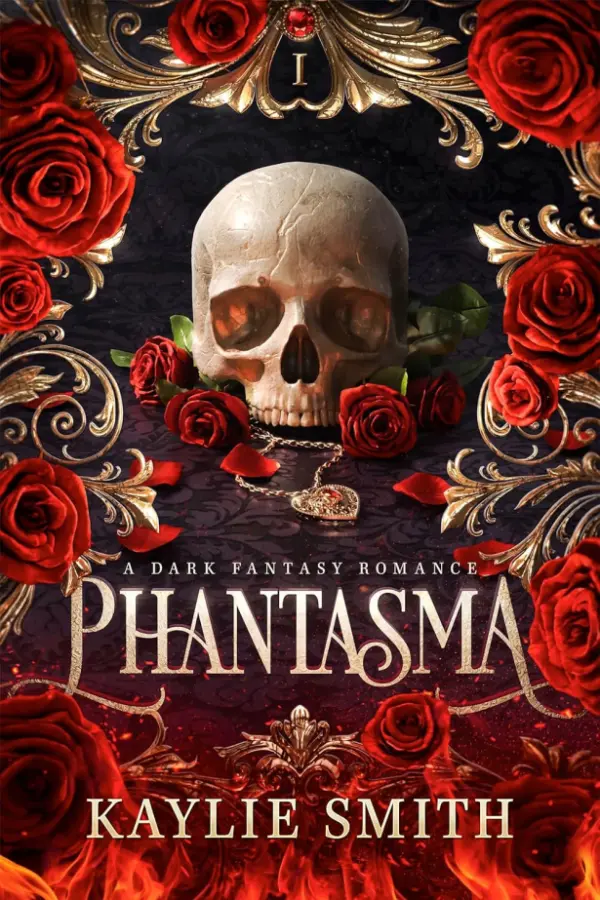
Kaylie Smith
Wicked Games, book 1
Average Goodreads rating4.2
Matched via its series
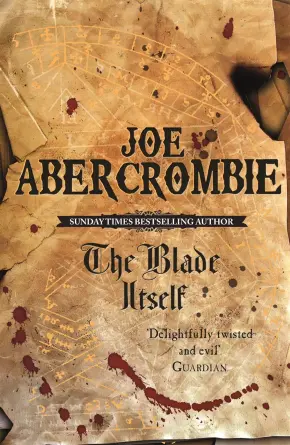
Joe Abercrombie
The First Law Trilogy, book 1
Average Goodreads rating4.7
Matched via its series

Brent Weeks
Lightbringer, book 1
Average Goodreads rating4.5
Matched via its series

Brent Weeks
Night Angel, book 1
Average Goodreads rating4.5
Matched via its series
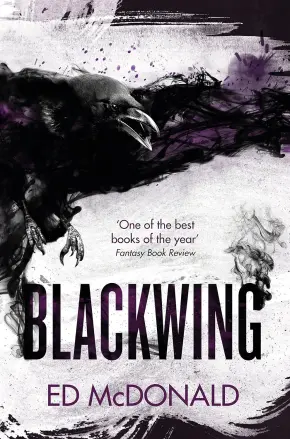
Ed McDonald
Raven's Mark, book 1
Average Goodreads rating4.4
Matched via its series
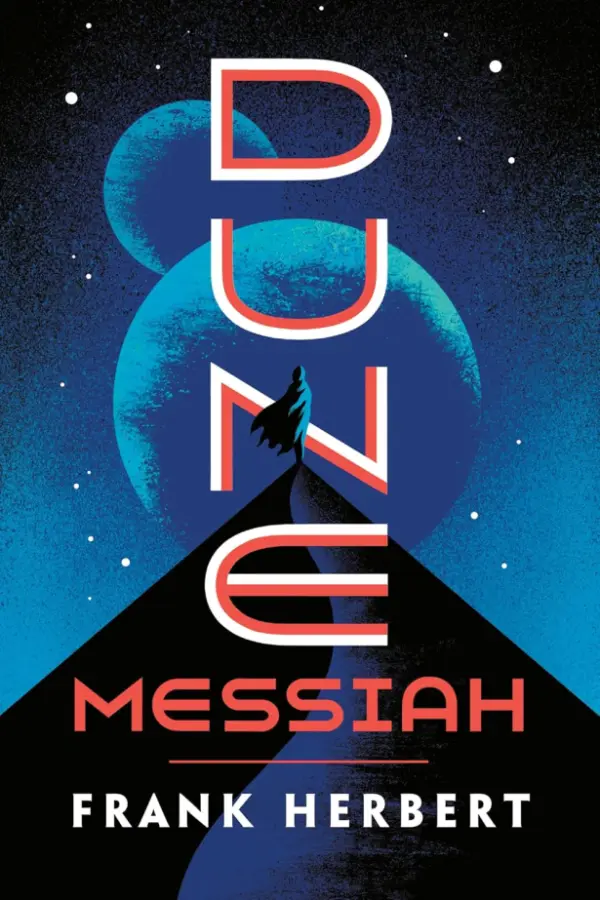
Frank Herbert
Dune, book 2
Average Goodreads rating3.9
Matched via its series
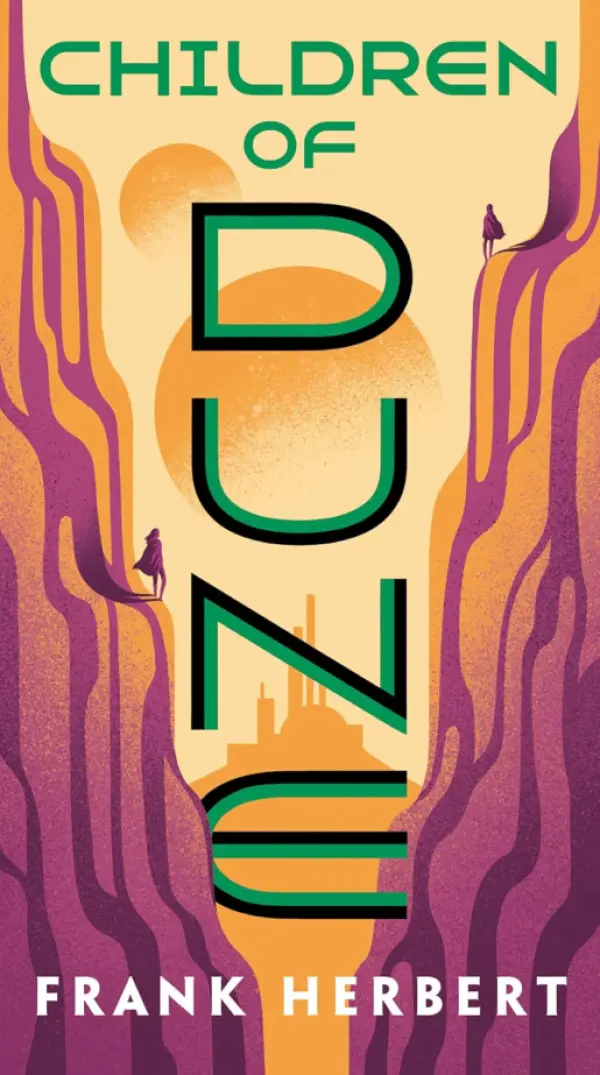
Frank Herbert
Dune, book 3
Average Goodreads rating4.0
Matched via its series
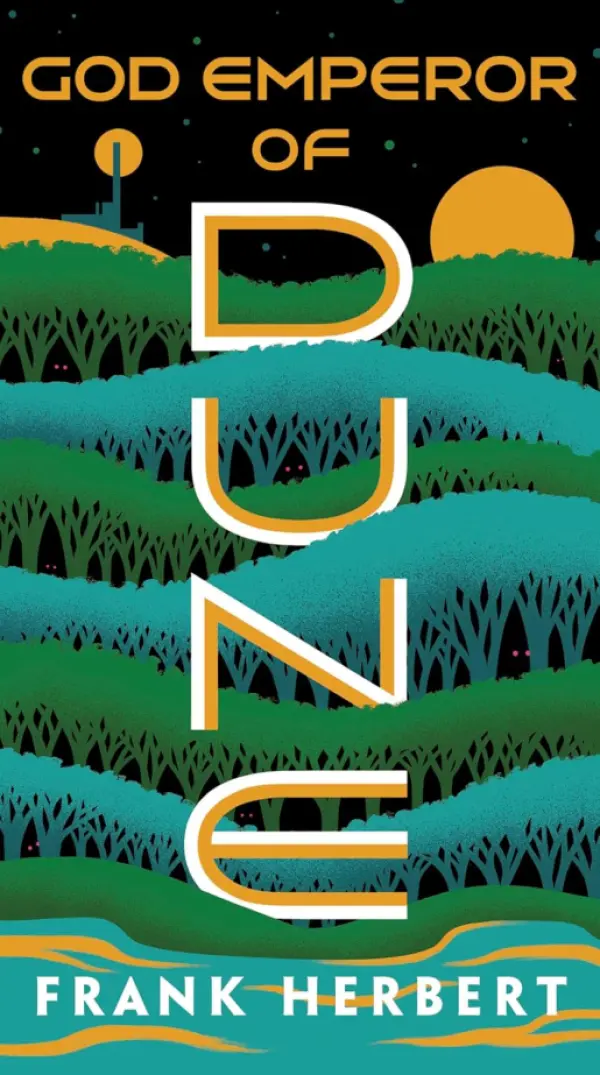
Frank Herbert
Dune, book 4
Average Goodreads rating3.9
Matched via its series
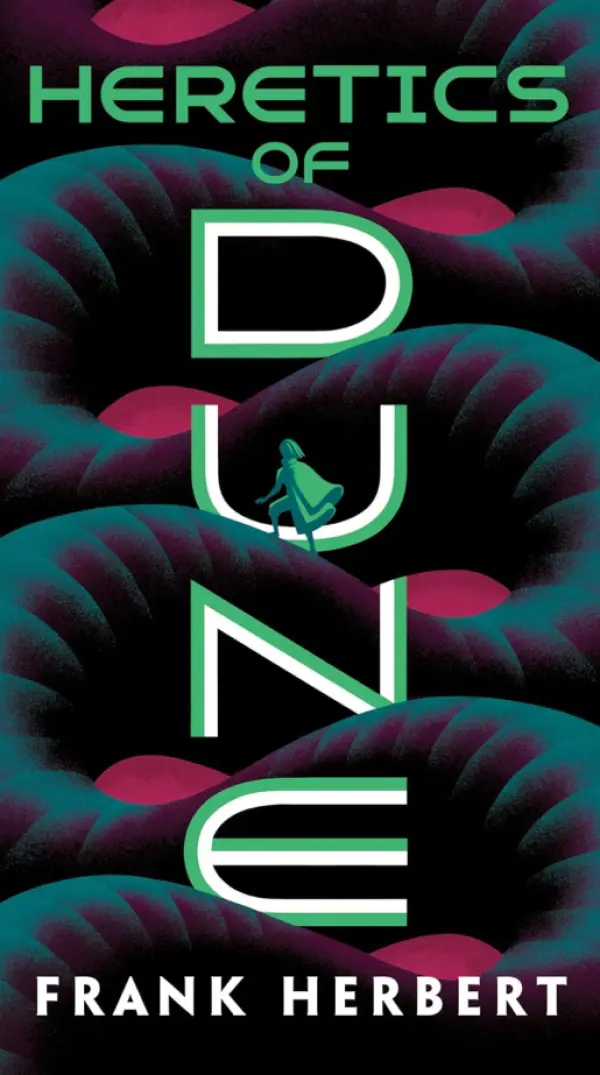
Frank Herbert
Dune, book 5
Average Goodreads rating3.8
Matched via its series
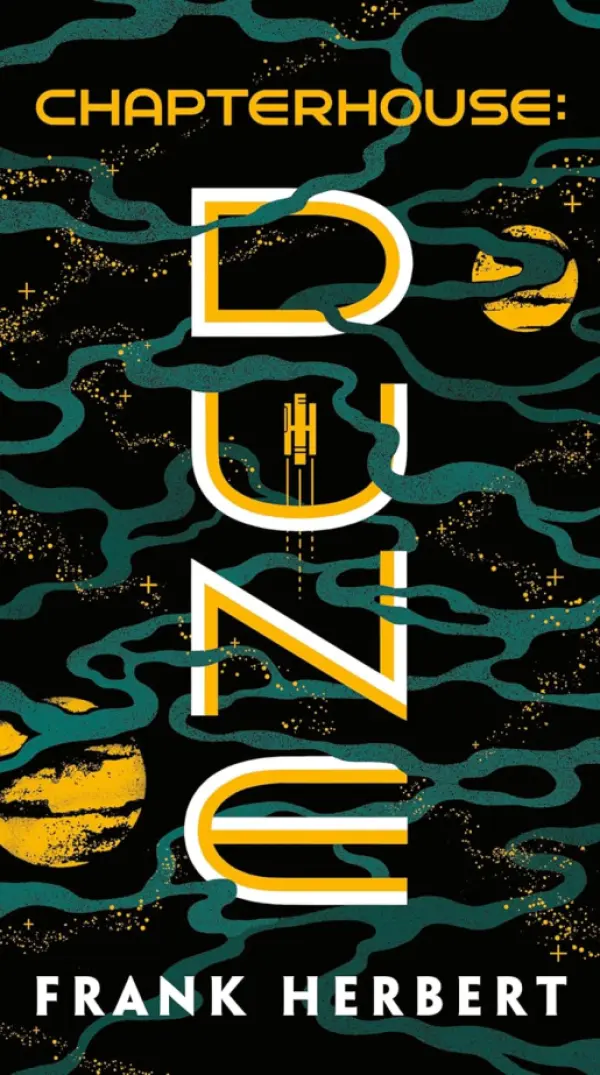
Frank Herbert
Dune, book 6
Average Goodreads rating3.9
Matched via its series
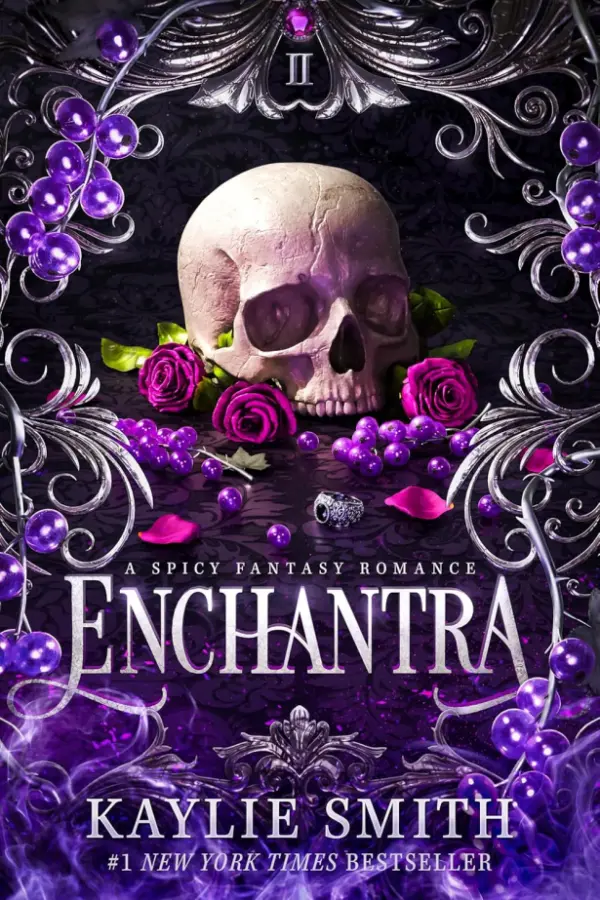
Kaylie Smith
Wicked Games, book 2
Average Goodreads rating4.4
Matched via its series
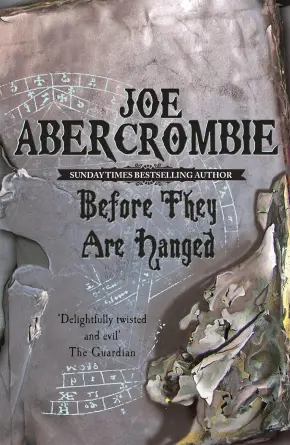
Joe Abercrombie
The First Law Trilogy, book 2
Average Goodreads rating4.6
Matched via its series
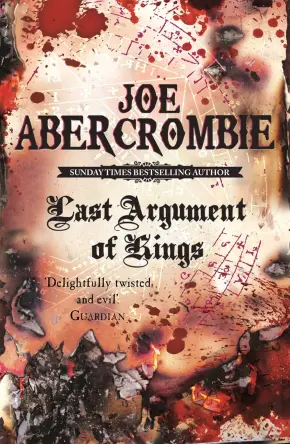
Joe Abercrombie
The First Law Trilogy, book 3
Average Goodreads rating4.6
Matched via its series

Brent Weeks
Lightbringer, book 3
Average Goodreads rating4.6
Matched via its series

Brent Weeks
Lightbringer, book 4
Average Goodreads rating4.5
Matched via its series

Brent Weeks
Lightbringer, book 5
Average Goodreads rating4.6
Matched via its series

Brent Weeks
Lightbringer, book 2
Average Goodreads rating4.6
Matched via its series

Brent Weeks
Night Angel, book 3
Average Goodreads rating4.7
Matched via its series

Brent Weeks
Night Angel, book 2
Average Goodreads rating4.6
Matched via its series
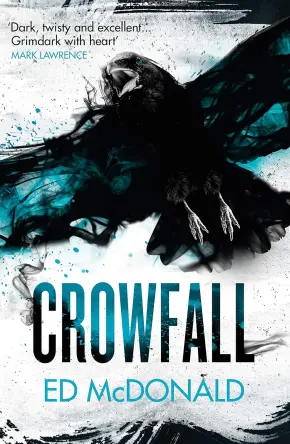
Ed McDonald
Raven's Mark, book 3
Average Goodreads rating4.5
Matched via its series
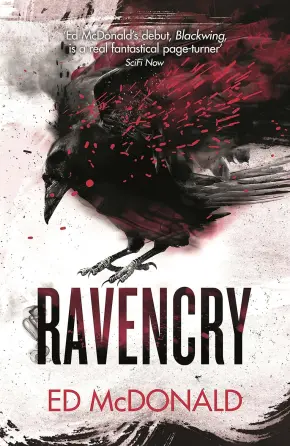
Ed McDonald
Raven's Mark, book 2
Average Goodreads rating4.5
Matched via its series
Tropes that share the most books with Power & Corruption
Few narrative forces are as reliably compelling as watching someone change. The power and corruption trope centres on exactly that: a character who gains authority, magic, status, or influence — and loses something essential in the process. Sometimes it happens slowly, almost imperceptibly, which is what makes it so unsettling. Other times the fall is dramatic and total, a character's worst impulses finally given permission to run free.
The core fascination isn't the power itself. It's the question of whether the person wielding it was always capable of this, or whether the throne, the crown, the dark magic, genuinely made them into something else.
There's a reason this trope appears in everything from grimdark epic fantasy to dark romance — it taps into something deeply uncomfortable about human nature. Readers who love morally grey characters will find this trope irresistible, because it refuses easy answers. Was the corruption inevitable? Was there a moment where a different choice was possible? The best stories in this vein make you argue with yourself long after the final page.
It also functions as a brilliant structural engine. A character actively becoming more dangerous, more reckless, or more ruthless raises the stakes in every subsequent scene. The tension isn't just external conflict — it's the reader watching someone they may have admired, or even loved, become a threat.
In epic and grimdark fantasy, corruption tends to be tied to dark magic, cursed artefacts, or the sheer grinding weight of kingship. A ruler who starts with genuine ideals and ends up justifying atrocities in the name of stability is practically a subgenre unto itself. The tragedy often lies in how reasonable each individual step seemed at the time.
Dark romance handles it differently. Here, power and corruption frequently show up in dominant, morally complex love interests — characters whose control over others has warped their capacity for ordinary feeling. The romantic tension often comes from the question of whether connection can pull someone back from the edge, or whether wanting that outcome is itself a kind of dangerous fantasy.
Urban fantasy and romantasy have also made room for this trope in protagonists, not just antagonists. A heroine who gains magic and starts to enjoy the fear she inspires. A fae lord whose centuries of power have hollowed out his empathy. The moral ambiguity cuts both ways.
Corruption doesn't always mean villainy. Some of the most interesting iterations show characters who retain their self-image as the good guy long after the evidence has turned against them — the ruler who genuinely believes the cruelty is necessary, the mage who insists the forbidden magic is under control. Self-deception is its own flavour of corruption, and arguably the most realistic one.
There's also the redemption arc variant, where the corrupted character becomes aware of what they've lost and fights to reclaim it. These stories tend to be brutal about the cost of that reclamation, which is exactly what makes them satisfying. And then there's the fully fallen version — no redemption, no softening — where the point is to sit with the tragedy of what was and what might have been.
Whatever the shape, this trope endures because it asks the same question every time, and never quite gives you the same answer: how much does power reveal a person, and how much does it create them?
Occasional emails with new recommendations, series news and trope round-ups.