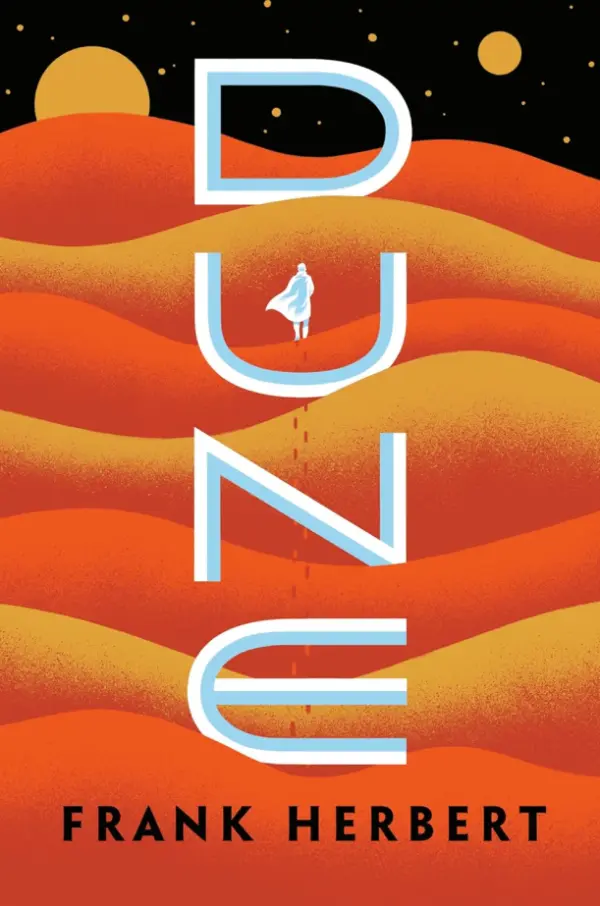
Dune
Frank Herbert
Dune, book 1
Average Goodreads rating4.3
Matched via its series

Book trope · 23 books
A generational saga follows a family, bloodline, or community across multiple decades — sometimes centuries — tracing how choices made in one era ripple forward into the next.
More about the Generational Saga trope0 are tagged with Generational Saga individually. The others belong to a series tagged with it, which doesn’t mean every book in it features the trope, so they’re marked “Matched via its series”.
Updating books…
23 books found
Frank Herbert
Dune, book 1
Average Goodreads rating4.3
Matched via its series
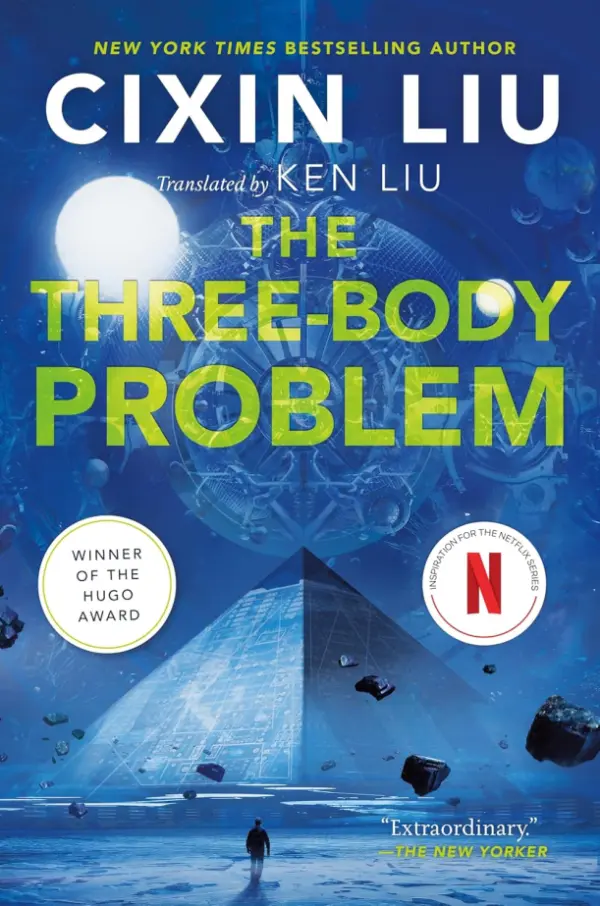
Liu Cixin
The Three-Body Problem, book 1
Average Goodreads rating4.1
Matched via its series

Adrian Tchaikovsky
Children of Time, book 1
Average Goodreads rating4.5
Matched via its series

Fonda Lee
The Green Bone Saga, book 1
Average Goodreads rating4.3
Matched via its series

Samantha Shannon
The Roots of Chaos, book 1
Matched via its series

Octavia E. Butler
The Patternist Series, book 1
Average Goodreads rating4.6
Matched via its series
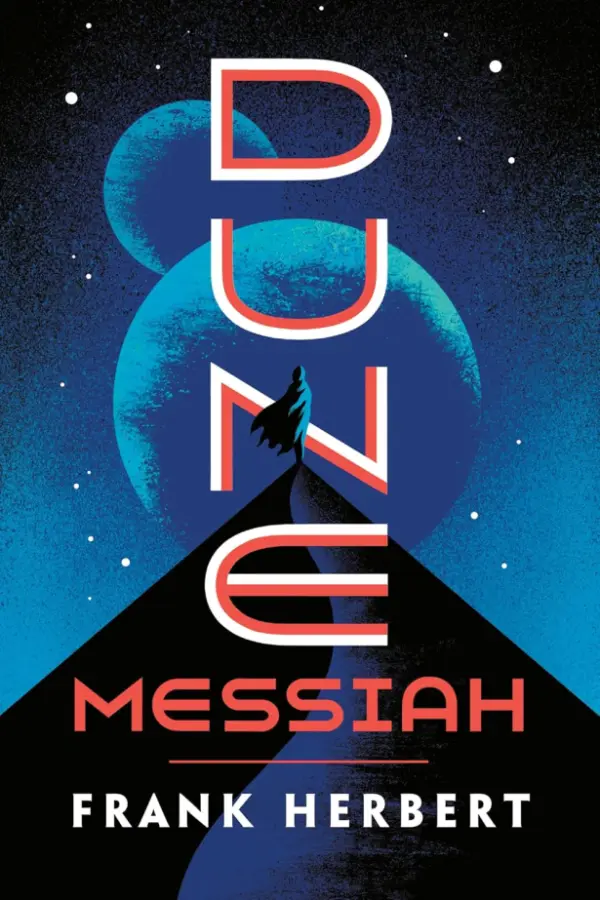
Frank Herbert
Dune, book 2
Average Goodreads rating3.9
Matched via its series
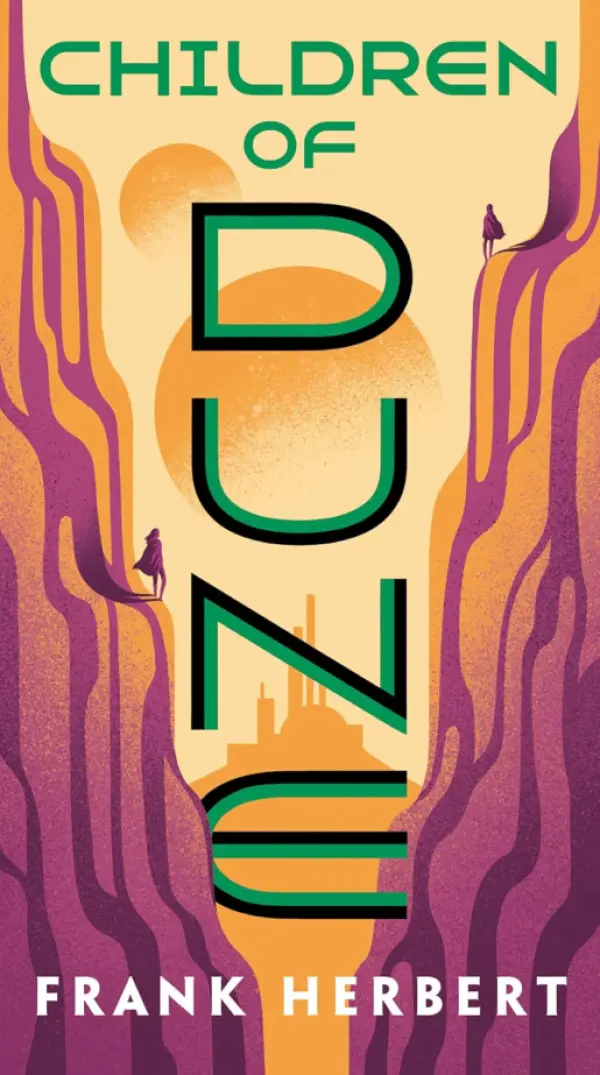
Frank Herbert
Dune, book 3
Average Goodreads rating4.0
Matched via its series
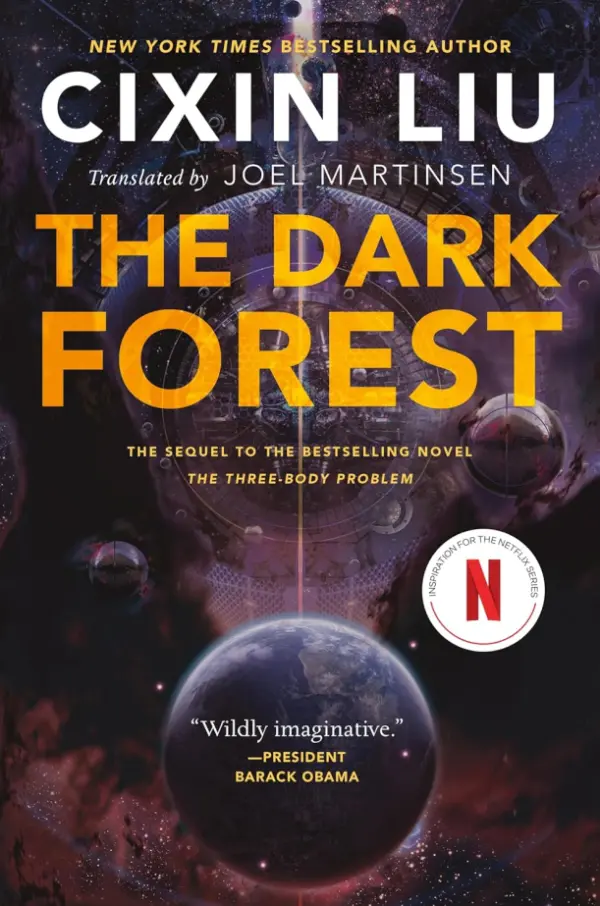
Liu Cixin
The Three-Body Problem, book 2
Average Goodreads rating4.4
Matched via its series
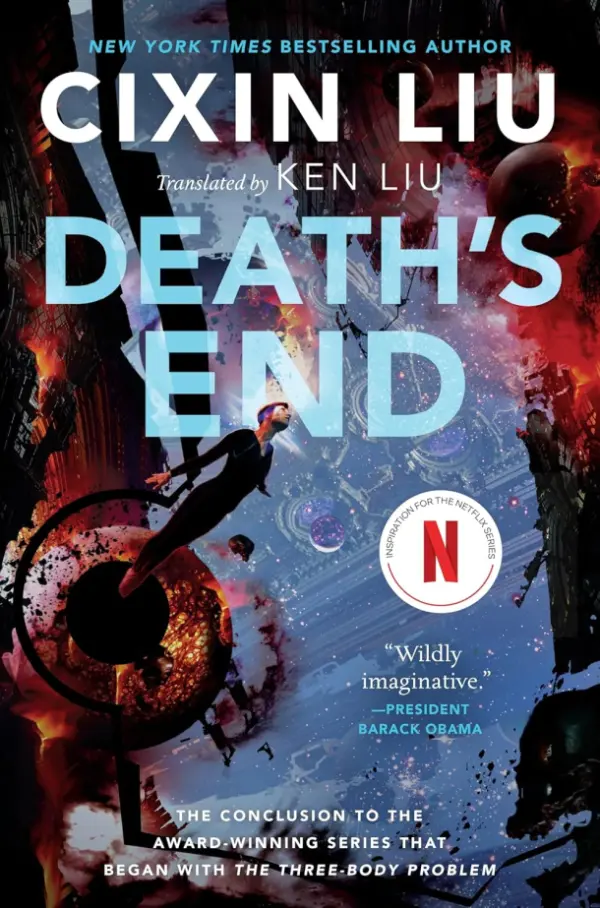
Liu Cixin
The Three-Body Problem, book 3
Average Goodreads rating4.4
Matched via its series
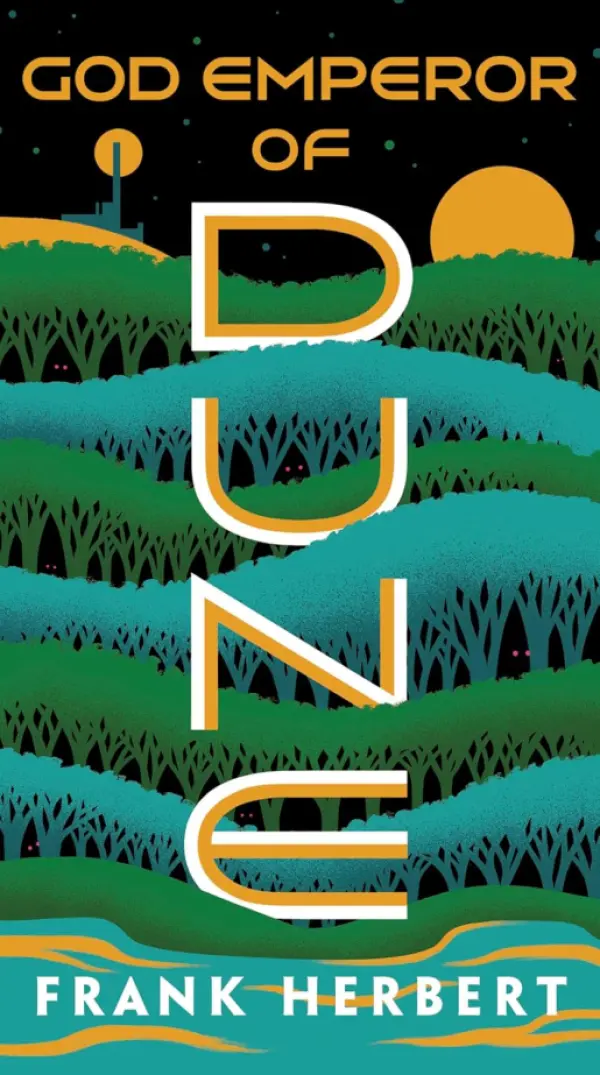
Frank Herbert
Dune, book 4
Average Goodreads rating3.9
Matched via its series
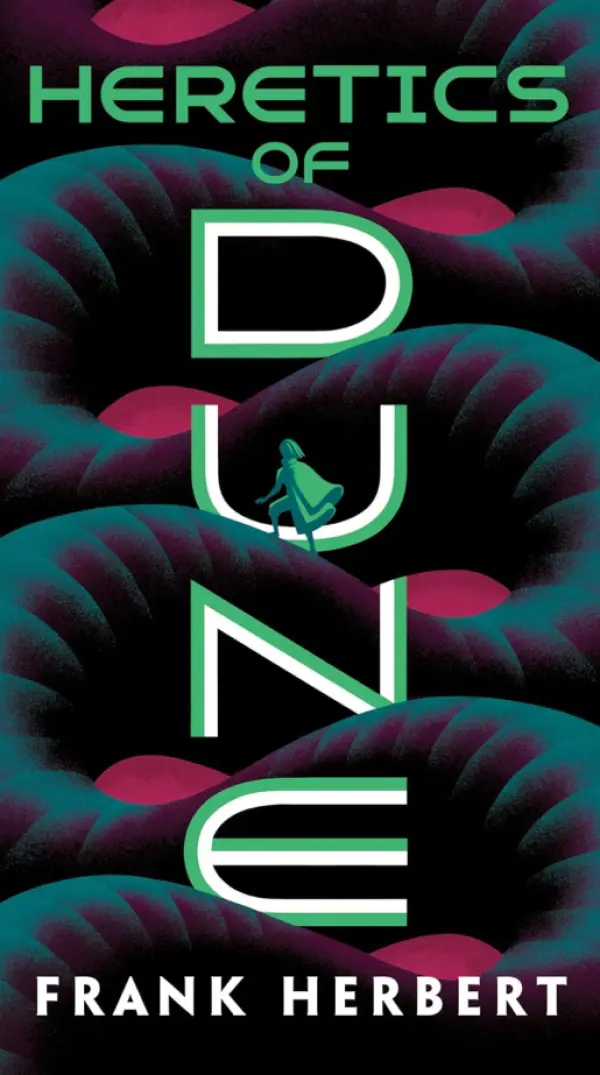
Frank Herbert
Dune, book 5
Average Goodreads rating3.8
Matched via its series
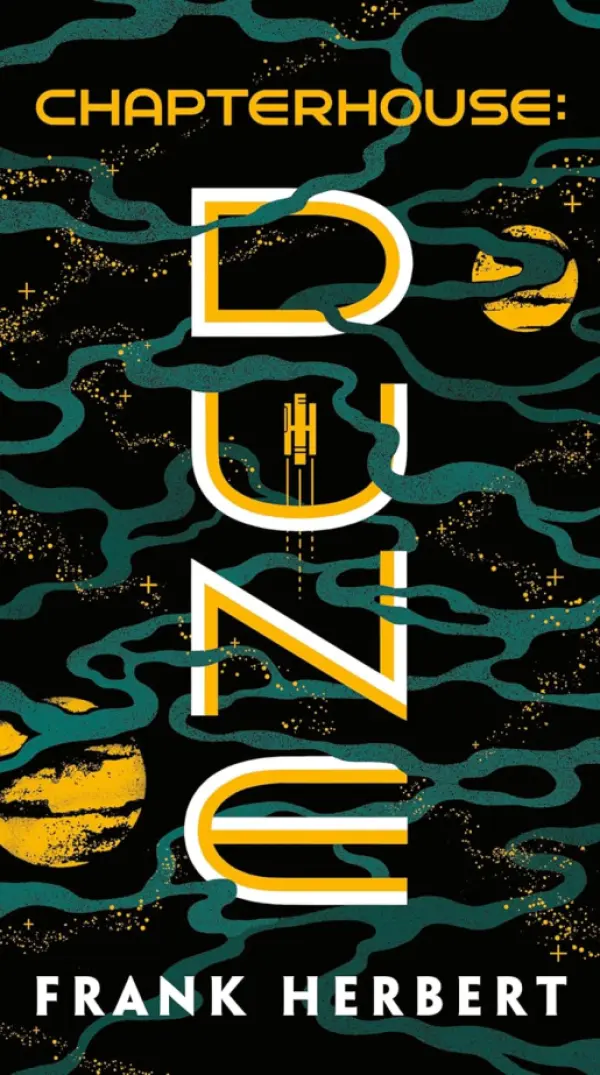
Frank Herbert
Dune, book 6
Average Goodreads rating3.9
Matched via its series

Adrian Tchaikovsky
Children of Time, book 2
Average Goodreads rating4.3
Matched via its series

Adrian Tchaikovsky
Children of Time, book 3
Average Goodreads rating4.2
Matched via its series

Samantha Shannon
The Roots of Chaos, book 2
Matched via its series

Samantha Shannon
The Roots of Chaos, book 3
Matched via its series

Adrian Tchaikovsky
Children of Time, book 4
Matched via its series

Octavia E. Butler
The Patternist Series, book 3
Average Goodreads rating4.4
Matched via its series

Fonda Lee
The Green Bone Saga, book 3
Average Goodreads rating4.7
Matched via its series

Fonda Lee
The Green Bone Saga, book 2
Average Goodreads rating4.3
Matched via its series

Octavia E. Butler
The Patternist Series, book 2
Average Goodreads rating4.6
Matched via its series

Octavia E. Butler
The Patternist Series, book 4
Average Goodreads rating4.6
Matched via its series
Tropes that share the most books with Generational Saga
A generational saga follows a family, bloodline, or community across multiple decades — sometimes centuries — tracing how choices made in one era ripple forward into the next. It's a trope built on consequence. The sins, secrets, and sacrifices of grandparents become the inheritance of grandchildren, whether they know it or not. Readers who love this trope aren't just invested in one protagonist; they're watching a whole architecture of human lives being constructed and, often, dismantled.
The pleasure is cumulative. By the time you reach the third or fourth generation, a name on a page carries the weight of everything that came before it. A house, a heirloom, a particular stubbornness — these details accrue meaning in a way that no standalone story can quite replicate.
At its core, the generational saga is about time as a character. History isn't backdrop here; it actively shapes people. A war, a migration, a catastrophic decision — these events don't end when the chapter closes. They echo. Characters in later generations often don't fully understand why they are the way they are, and part of the narrative tension lies in that gradual uncovering.
Family dynamics are central. Power shifts between parents and children, between siblings, between those who stayed and those who left. Loyalty is complicated by resentment. Love is entangled with obligation. The trope tends to be generous in scope but intimate in focus — zooming out to show decades passing, then zooming back in on a single conversation at a kitchen table that changes everything.
In fantasy, this structure gains an extra dimension. Magic systems can be inherited, corrupted, or suppressed across generations. Prophecies can span centuries. Ancient grudges between families or clans carry the weight of myth. The fantastical elements become part of the bloodline itself — sometimes literally.
Some generational sagas unfold in strict chronological order, moving from founding ancestor to present day in a single, sweeping arc. Others open in the present and work backwards, using mystery as the engine — who was this person, and what did they do? A few jump between timelines entirely, cutting from past to present and back again so that both eras illuminate each other simultaneously.
Romance readers encounter the trope most often when a contemporary love story is haunted by a historical one. Two people in the present are unknowingly mirroring a relationship from generations back, and the question becomes whether they'll repeat the same mistakes or finally break the pattern. There's an inherent fatalism to this variant that makes the emotional stakes feel enormous.
In epic fantasy, the generational saga frequently underpins a series rather than a single book. A dynasty rises in book one; by book five, we're watching its great-grandchildren reckon with the consequences of a bargain made before any of them were born.
There's something quietly profound about watching time do its work. The generational saga asks you to hold multiple lives in your head at once and find the connective tissue between them — the recurring names, the repeated arguments, the small gestures that turn out to have been passed down without anyone realising. It's a trope that rewards patience and punishes skimming.
It also tends to attract writers at the height of their ambition. These are not small books with small ideas. They want to say something about history, about family, about whether people are capable of genuine change. Whether the answer offered is hopeful or devastating, the form itself insists that nothing — and no one — exists in isolation. Once you've read a truly great generational saga, everything else can feel a little thin.
Occasional emails with new recommendations, series news and trope round-ups.