
Shadows Upon Time
Christopher Ruocchio
The Sun Eater, book 7
Average Goodreads rating4.6

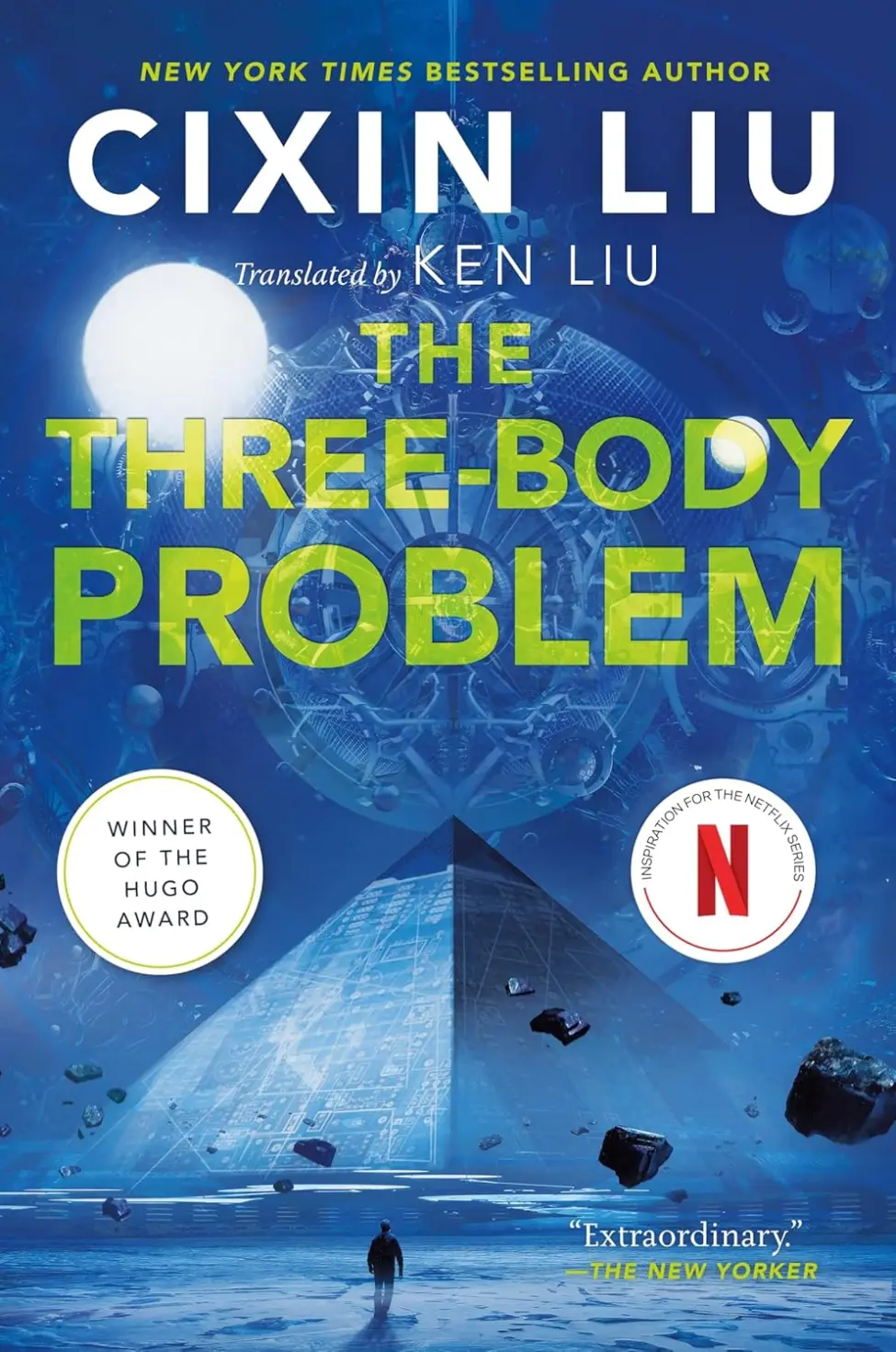
Book 1 in The Three-Body Problem
by Liu Cixin
We independently select and recommend books. Purchases made through our links may earn us a commission, at no extra cost to you. Prices and availability are set by each retailer.
The Three-Body Problem by Liu Cixin is a science fiction epic spanning China's Cultural Revolution and the present day, where a secret signal into space brings first contact - and an existential threat to Earth.
Tagged on the series as a whole, so not every book will feature each one.
The Three-Body Problem is Liu Cixin's 2008 first instalment in The Three-Body Problem series - officially titled Remembrance of Earth's Past - reaching English-language readers through Ken Liu's acclaimed 2014 translation. It became the first novel by an Asian writer to win the Hugo Award for Best Novel, and it remains one of the most internationally celebrated works of Hard Science Fiction ever written, praised for grounding cosmic-scale ideas in rigorous, carefully reasoned physics.
The novel opens decades apart from itself. In China's Cultural Revolution, young astrophysicist Ye Wenjie watches her father killed for refusing to denounce Western science - an act of Systemic Injustice that quietly reshapes everything she believes about humanity. Years later, exiled to a remote labour camp, she's unexpectedly recruited into Red Coast, a secretive military installation built to listen for - and signal to - intelligent life beyond Earth. In the present day, nanomaterials researcher Wang Miao is pulled into an entirely different mystery: a string of unexplained deaths among prominent scientists, and a strange, hauntingly difficult virtual reality game called Three Body, whose impossible physics seem to be hiding something far stranger than a game. The novel's Multiple Timelines weave these two threads together with patient, deliberate control, and the Government Control and Surveillance woven through both eras gives the whole book an undercurrent of watchfulness that never quite lets up.
What makes this a genuinely distinctive entry point into First Contact with Alien Species stories is how unhurried Liu is willing to be. This isn't a novel built around spectacle - it's built around ideas, and Liu trusts readers to sit with orbital mechanics, game theory, and the unsettling implications of Existential Danger on a civilisational scale before the bigger picture starts to resolve. The Secret Society at the heart of Red Coast, and the layered conspiracy Wang finds himself drawn into, give the book real narrative propulsion even as its true subject is something much larger and stranger than either of its two leads initially understands.
It's worth knowing the experience this book offers before going in: character interiority takes a back seat to scientific and philosophical scope, and the prose - even in translation - favours clarity and idea-density over lyricism. Readers drawn to Philosophical Exploration of Humanity at its most unflinching, and to a Twist Ending that genuinely reframes everything that came before it, tend to find this the most rewarding kind of slow burn science fiction offers. It's a book explicitly interested in whether humanity, given the chance, would actually deserve to be saved - and it refuses to answer that question comfortably.
For readers who've enjoyed grand-scale, idea-driven science fiction elsewhere on this site, The Three-Body Problem is essential - not just for where the trilogy goes from here, but for how thoroughly it reframes what a first contact story can be.
Christopher Ruocchio
The Sun Eater, book 7
Average Goodreads rating4.6
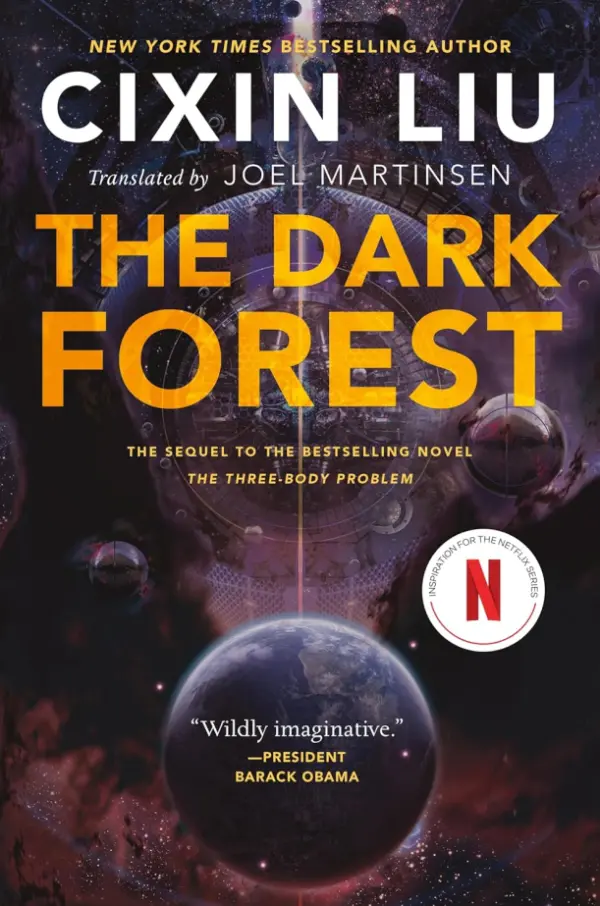
Liu Cixin
The Three-Body Problem, book 2
Average Goodreads rating4.4
Jennifer L. Armentrout
Lux, book 2
Average Goodreads rating4.1
Frank Herbert
Dune, book 1
Average Goodreads rating4.3

Megan O'Keefe
The Protectorate, book 2
Average Goodreads rating4.4

Adrian Tchaikovsky
Children of Time, book 1
Average Goodreads rating4.5
Still Looking?
Further down our similarity list, but still sharing tropes and genres with this book.
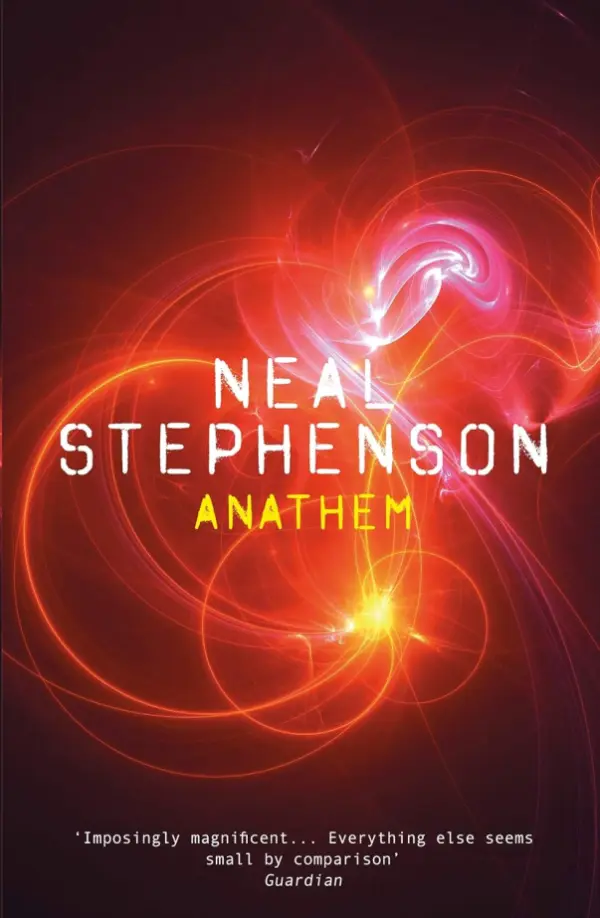
Neal Stephenson
Average Goodreads rating4.4
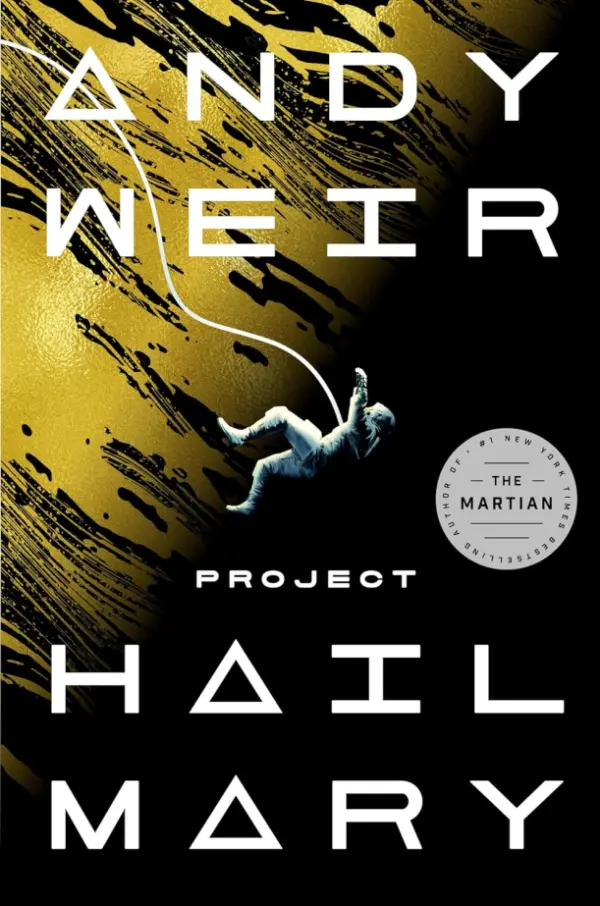
Andy Weir
Average Goodreads rating4.6
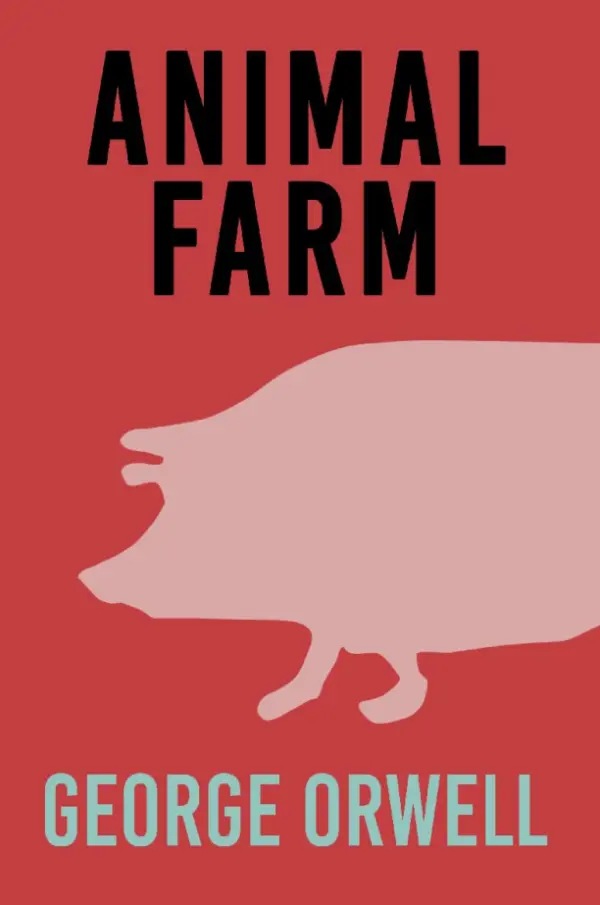
George Orwell
Average Goodreads rating4.6
Chinese hard sci-fi author Liu Cixin wrote The Three-Body Problem, the first Asian novel to win the Hugo Award for Best Novel.
Books, series and tropes by Liu Cixin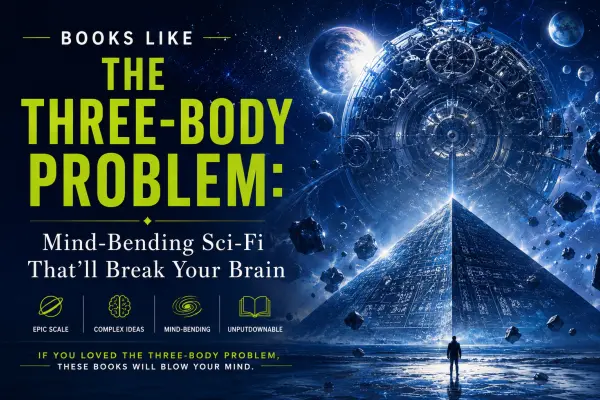
If The Three-Body Problem left you questioning humanity's place in the universe, discover 13 hard sci-fi books with the same cosmic scale, terrifying ideas, and unforgettable scientific concepts.
The Three-Body Problem
Buy from Amazon (opens Amazon in a new tab)Occasional emails with new recommendations, series news and trope round-ups.