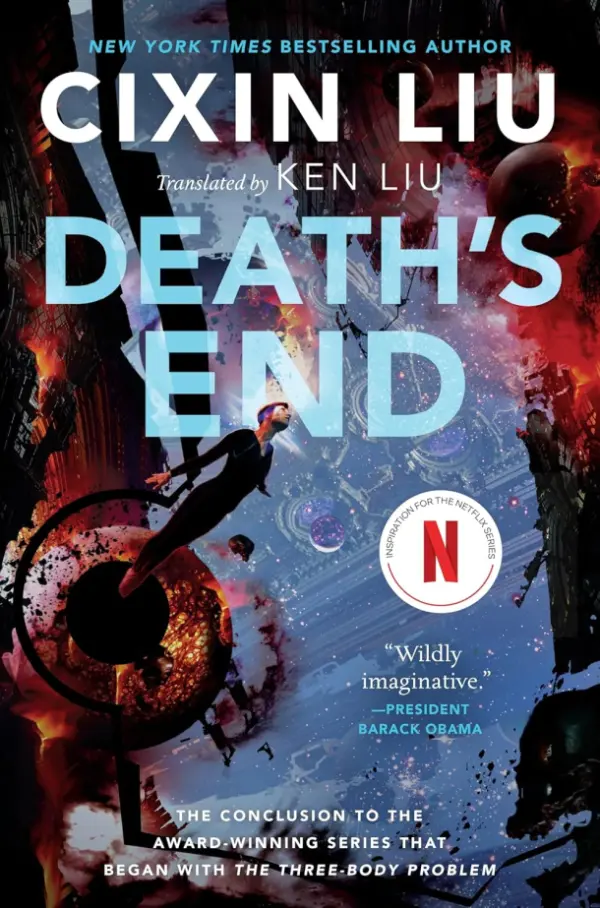
Death's End
Liu Cixin
The Three-Body Problem, book 3
Average Goodreads rating4.4
- Love & Mortality
- Moral Dilemma

We independently select and recommend books. Purchases made through our links may earn us a commission, at no extra cost to you. Prices and availability are set by each retailer.
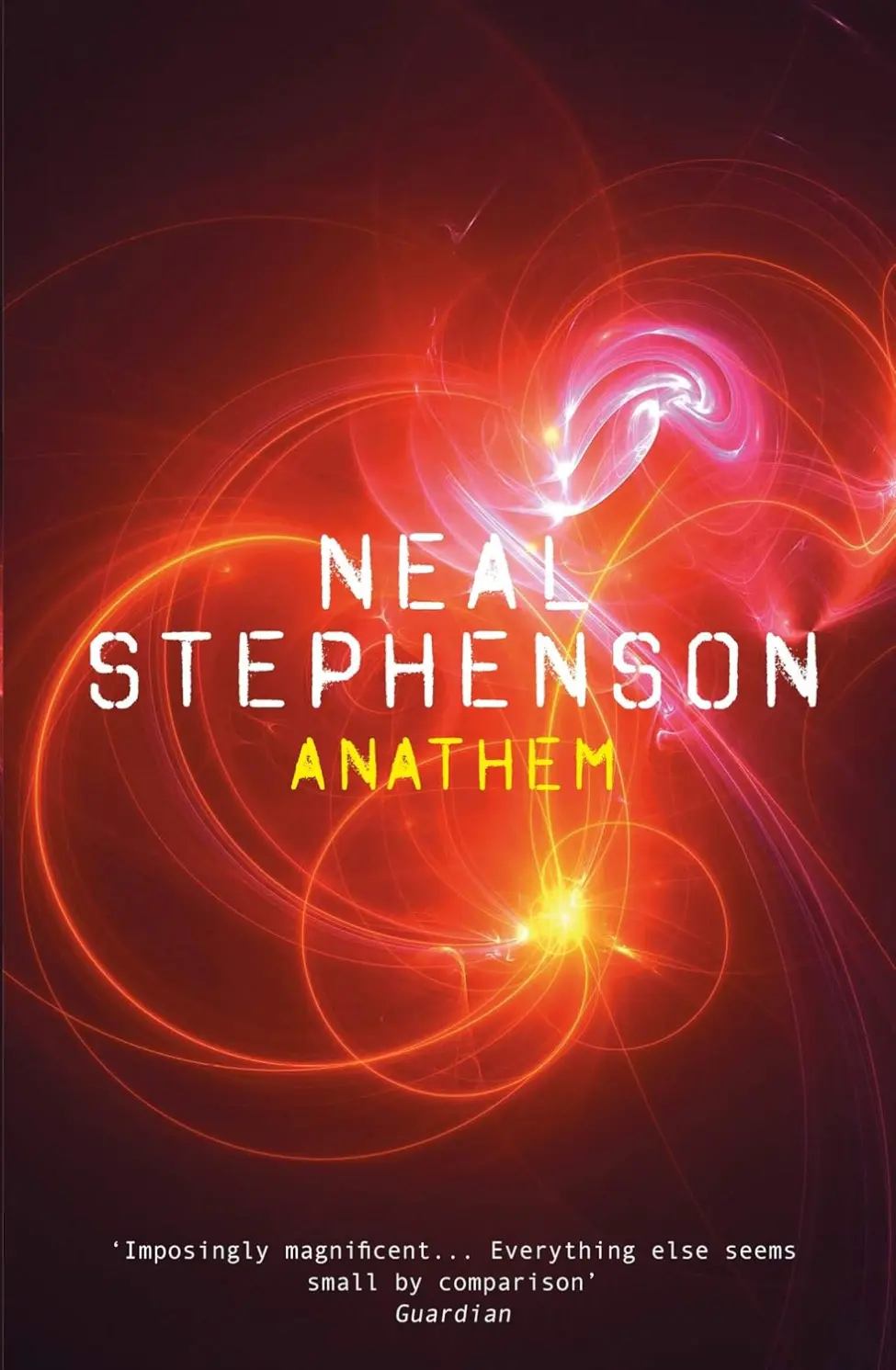
Anathem by Neal Stephenson follows scholar-monk Fraa Erasmas in a world where intellectuals live in cloistered "maths." This philosophical sci-fi epic explores quantum mechanics, parallel worlds, consciousness, and ideas through Stephenson's meticulous worldbuilding and dense prose.
Anathem is Neal Stephenson's 2008 science fiction novel that represents his most philosophically ambitious work, creating an entire alternate world where intellectuals live in monastery-like communities called "maths" (short for "mathic"), emerging periodically to interact with outside society whilst devoting their lives to pure thought, mathematics, philosophy, and scientific inquiry. Following Fraa Erasmas, a young scholar whose routine existence is disrupted by events forcing the maths to engage with the "Sæcular" world and eventually with mysteries involving parallel universes and quantum mechanics, the 937-page novel demands extraordinary patience whilst rewarding readers seeking science fiction that takes ideas seriously, trusts readers with complex philosophical concepts, and builds worlds with linguistic and cultural depth rivaling Tolkien's commitment to Middle-earth.
The planet Arbre has a unique history: thousands of years ago, a catastrophe caused by intellectuals' reckless use of technology led to their segregation into maths - walled communities where "avout" (scholar-monks) live simple lives focused on theoretical knowledge whilst forbidden from possessing modern technology. The maths operate on different cycles: some open their gates annually, others decennially (every ten years), centennially (every hundred years), or millennially (every thousand years). This structure allows Stephenson to explore how intellectual communities evolve when isolated from immediate practical concerns and how periodic engagement with the outside world creates cultural exchange and tension.
Erasmas belongs to a Decenarian math, emerging every ten years for brief interaction with Sæcular society. His life of study - mathematics, philosophy, astronomy, music - provides structure whilst the novel's early sections establish Arbre's culture, the avout's daily rituals, their intellectual traditions, and the complex relationship between theoretical knowledge pursued in maths and practical application controlled by Sæcular powers. Stephenson invents entire vocabulary, philosophical frameworks, and historical traditions for Arbre, creating immersion whilst also creating barrier for readers who must absorb unfamiliar terms and concepts before the plot accelerates.
The narrative's inciting incident involves astronomical observations suggesting something unprecedented is occurring - mysterious objects in orbit, events that don't fit known physics, and indications that the comfortable separation between maths and Sæcular world is about to collapse. Erasmas and fellow avout are drawn into investigating mysteries that eventually reveal connections to parallel universes, quantum mechanics, and philosophical questions about consciousness, causality, and the nature of reality itself.
Stephenson uses the structure to explore genuine philosophical and scientific concepts. The avout's theoretical frameworks - inspired by real-world quantum mechanics, many-worlds interpretation, mathematical Platonism, and consciousness studies - aren't window dressing but central to understanding the plot. Characters engage in lengthy dialogues about these ideas, debate competing interpretations, and apply philosophical rigor to problems. Readers either find this intellectually thrilling or narratively frustrating depending on their tolerance for pages of philosophical discussion interrupting action.
The worldbuilding extends beyond maths to show Sæcular society - technologically advanced but suspicious of intellectuals, pragmatic but lacking the theoretical frameworks that allow genuine innovation, and divided into factions with different relationships to knowledge and power. The tension between those who value pure thought and those who demand immediate practical application mirrors contemporary debates about academic freedom, basic research versus applied science, and anti-intellectualism.
Supporting characters include Erasmas's mentors and fellow avout with different philosophical orientations, Sæcular figures whose perspectives contrast with mathic worldviews, and individuals whose roles in the unfolding mystery reveal surprising connections between theory and reality.
Themes of knowledge for its own sake versus practical application, how societies balance intellectual freedom with security concerns, parallel universes and quantum mechanics, consciousness and causality, cyclical versus linear time, and whether ideas exist independently of minds run throughout.
The ending provides resolution whilst honoring the philosophical complexity established throughout.
Liu Cixin
The Three-Body Problem, book 3
Average Goodreads rating4.4

Frank Herbert
Dune, book 1
Average Goodreads rating4.3
Mary Doria Russell
The Sparrow Series, book 2
Average Goodreads rating4.4
Robert A. Heinlein
Average Goodreads rating4.4
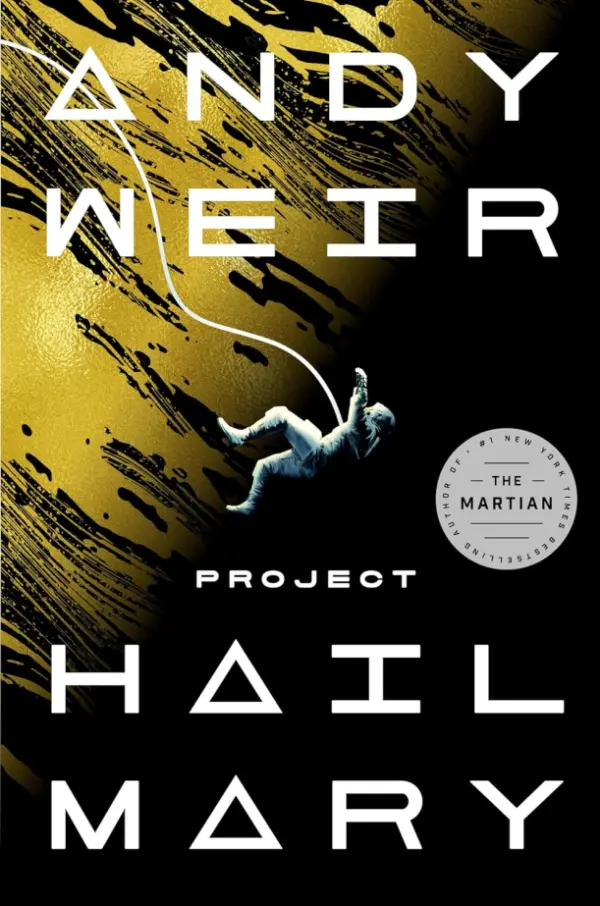
Andy Weir
Average Goodreads rating4.6
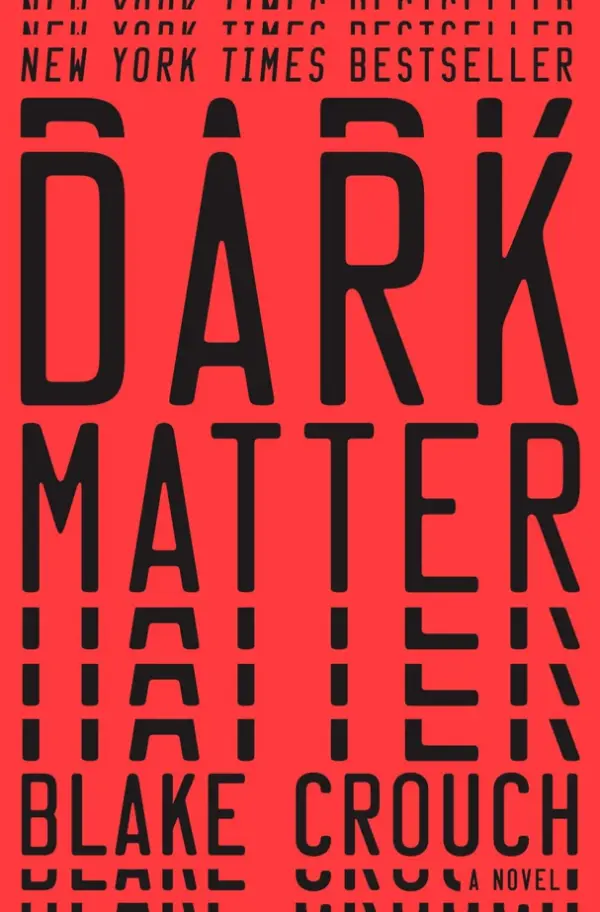
Blake Crouch
Average Goodreads rating4.3
Still Looking?
Further down our similarity list, but still sharing tropes and genres with this book.

Christopher Ruocchio
The Sun Eater, book 1
Average Goodreads rating4.3
Buy from Amazon (opens Amazon in a new tab)
Octavia E. Butler
The Xenogenesis Trilogy, book 1
Average Goodreads rating4.3
Buy from Amazon (opens Amazon in a new tab)
Neal Shusterman
Arc of a Scythe, book 1
Average Goodreads rating4.5
Buy from Amazon (opens Amazon in a new tab)Neal Stephenson is a renowned sci-fi author known for dense, intellectually ambitious novels. Celebrated for Snow Crash and Cryptonomicon, he crafts sprawling narratives blending technology, history, philosophy, and meticulous research with encyclopedic detail.
Books, series and tropes by Neal StephensonOccasional emails with new recommendations, series news and trope round-ups.