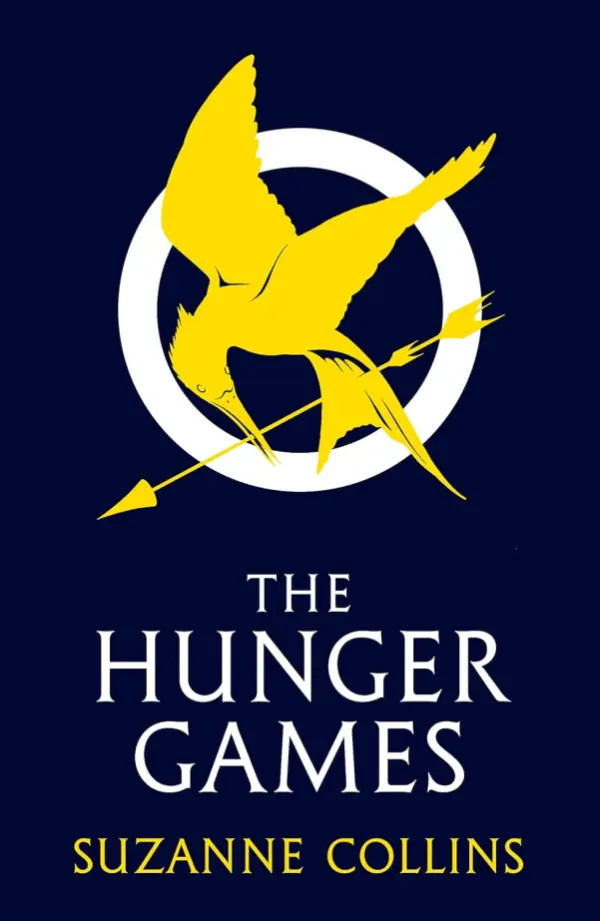
The Hunger Games
Suzanne Collins
Hunger Games, book 1
Average Goodreads rating4.7

From oppressive regimes to survival games and broken futures, these dystopian books and series explore power, rebellion, and control - and why readers can’t stop searching for stories that hit uncomfortably close to home.
Dystopian fiction never really fades - it just changes shape.
At its core, dystopian storytelling asks one unsettling question: what happens when power goes unchecked? Whether the threat is government control, social manipulation, environmental collapse, or manufactured inequality, dystopian books expose systems designed to strip people of choice, identity, and hope.
Readers are drawn to dystopian novels because they:
Reflect real-world fears
Explore rebellion and resistance
Focus on survival under extreme control
Examine moral compromise and propaganda
And in an era of rapid technological and political change, dystopian stories feel more relevant than ever.
Dystopian readers often discover books by trope, not just title.
Oppressive Regime
Surveillance State
Survival Games
Class-Based Societies
Memory Control
Manufactured Reality
Rebellion Against Authority
The Cost of Resistance
These tropes form the backbone of the genre - and often overlap across series.
Below are some of the most influential and searched-for dystopian books and series, each expanded to explain why it resonates and what kind of reader it suits.
Few series define modern dystopia like The Hunger Games. By combining survival games with propaganda and class control, Suzanne Collins created a world that critiques entertainment culture as much as authoritarian power.
What makes the series endure is its focus on trauma. Survival doesn’t equal victory, and rebellion doesn’t come without devastating cost. Readers return to this series not for spectacle - but for its unflinching honesty about violence and control.
Hunger Games (Book 1)
The Hunger Games by Suzanne Collins is a dystopian survival novel where televised violence, propaganda, and power collide as one girl fights to stay alive.
Often described as The Hunger Games for adults, Red Rising escalates quickly from survival trials into full-scale revolution.
The series examines caste systems, propaganda, and leadership under impossible pressure. What sets it apart is how it explores the corruption of rebellion itself, making it ideal for readers who want dystopia that grows darker and more complex with each book.

by Pierce Brown
Red Rising (Book 1)
Red Rising by Pierce Brown is a gripping sci-fi adventure about Darrow, a lowborn miner who infiltrates the ruling elite to challenge a brutal hierarchy and spark a revolution in a futuristic, oppressive society.
This series explores control through forced categorisation. Society is divided into factions, each enforcing a single trait - and deviation is treated as dangerous.
Readers connect with Divergent because it focuses on identity under pressure. While more romance-forward, it resonates strongly with readers who enjoy dystopias centred on self-discovery, conformity, and resistance.
If dystopia as experimentation fascinates you, this series delivers relentless tension.
Memory loss, controlled environments, and unseen manipulators drive the story. Like many dystopias, the horror isn’t just the maze - it’s the realisation that suffering is deliberate and data-driven.
Perfect for readers who enjoy mystery layered on top of survival.
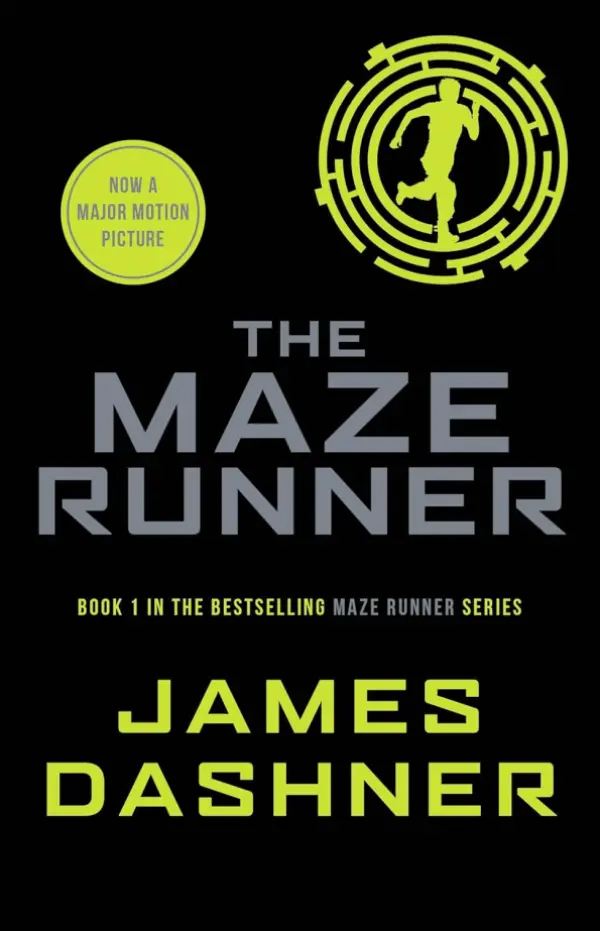
The Maze Runner (Book 1)
The Maze Runner by James Dashner is a dystopian survival novel where memoryless teens must escape a deadly maze controlled by unseen forces.
While often categorised as fantasy, The Poppy War functions as a dystopia rooted in war and nationalism.
This series dismantles the idea of heroic conflict, showing how power radicalises and destroys. Like classic dystopian fiction, it forces readers to confront uncomfortable truths about violence, propaganda, and trauma.
Best for readers who want dystopia that angers as much as it devastates.

by R. F. Kuang
The Poppy War (Book 1)
The Poppy War by R. F. Kuang is a grimdark fantasy inspired by Chinese history, following Rin as war, gods, and devastating power reshape her destiny.
A cornerstone of the genre, 1984 remains disturbingly relevant.
Its depiction of surveillance, language control, and manufactured truth forms the blueprint for modern dystopian fiction. Readers continue to return to it because it feels less like a warning - and more like a mirror.
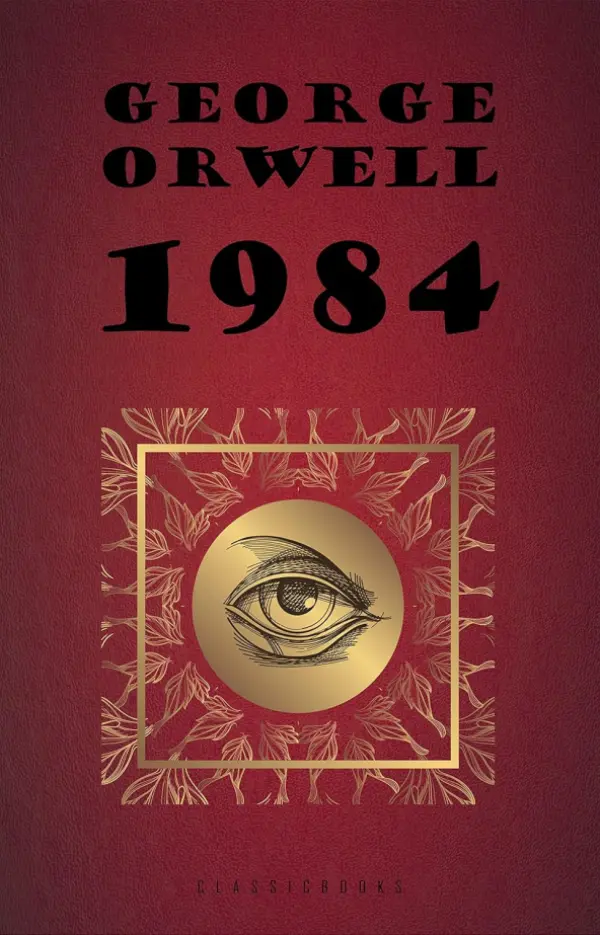
1984 by George Orwell is a dystopian classic depicting a total surveillance state where truth is controlled, language is weaponised, and freedom is a crime.
This novel offers a quieter, more reflective dystopia.
Rather than focusing on authoritarian regimes, Station Eleven explores societal collapse and the fragility of culture. It asks what humanity chooses to preserve after disaster - art, memory, and connection.
Ideal for readers who prefer emotional resonance over brutality.

Station Eleven by Emily St. John Mandel is a literary post-apocalyptic novel exploring survival, memory, and art after a global pandemic reshapes the world.
Unlike dystopias built on fear, this one is built on comfort.
Control is achieved through pleasure, distraction, and chemical happiness. Its chilling power lies in how willingly society complies - a theme that resonates strongly with modern readers.
This novel explores dystopia through enforced gender roles, religious extremism, and bodily control.
What makes it so powerful is its plausibility. Atwood famously built the world using real historical precedents, making the story deeply unsettling and unforgettable.
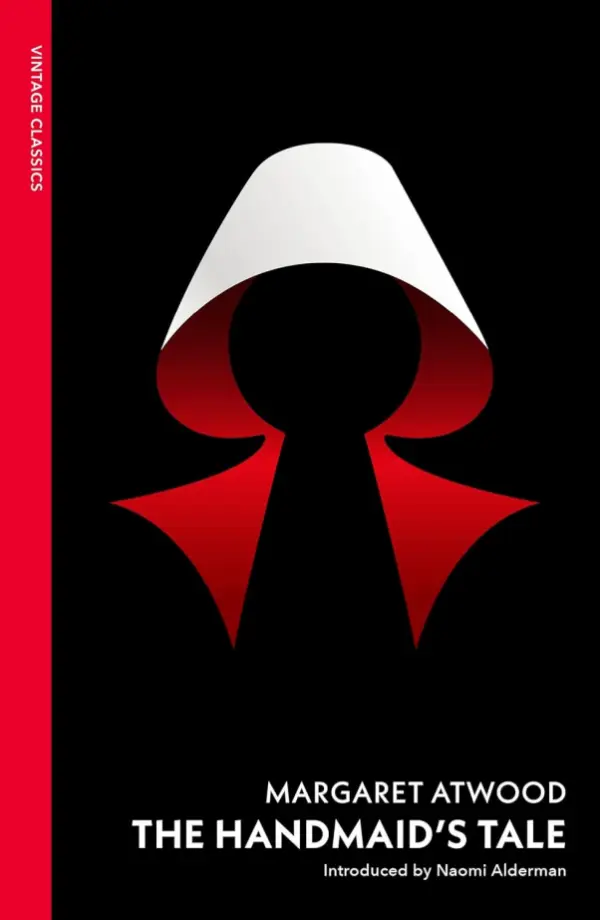
The Handmaid's Tale (Book 1)
The Handmaid’s Tale by Margaret Atwood is a dystopian novel exploring gender, power, and survival in a theocratic regime where women’s bodies are controlled.
Dystopian fiction endures because it:
Helps readers process fear and uncertainty
Explores resistance and survival
Warns against complacency
Gives language to unspoken anxieties
These stories don’t just entertain - they provoke.
If you prefer:
Survival games → The Hunger Games, Red Rising
Psychological control → 1984, Brave New World
Post-collapse reflection → Station Eleven
War and nationalism → The Poppy War
Follow theme and tone, not just popularity.
Suzanne Collins
Hunger Games, book 1
Average Goodreads rating4.7
Pierce Brown
Red Rising, book 1
Average Goodreads rating4.5
R. F. Kuang
The Poppy War, book 1
Average Goodreads rating4.3
George Orwell
Average Goodreads rating4.4
Emily St. John Mandel
Average Goodreads rating4.2
Margaret Atwood
The Handmaid's Tale, book 1
Average Goodreads rating4.4
James Dashner
The Maze Runner, book 1
Average Goodreads rating4.5
Occasional emails with new recommendations, series news and trope round-ups.