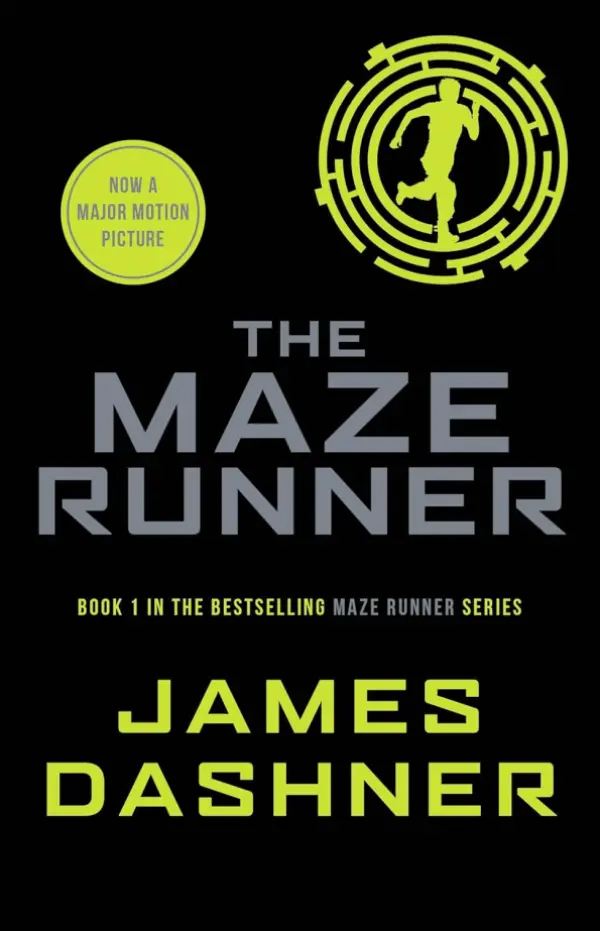
Book 1
The Maze Runner
Average Goodreads rating4.5

Author · American
James Dashner is a bestselling author of dystopian science fiction, best known for The Maze Runner, exploring survival, memory loss, and control in hostile worlds.
New to James Dashner? A popular place to start
Book 1 of The Maze Runner
The Maze Runner by James Dashner is a dystopian survival novel where memoryless teens must escape a deadly maze controlled by unseen forces.
Picked from James Dashner’s most widely rated books on Goodreads, starting at the beginning of its series.
Retailer links may earn Trope Trove a commission, at no extra cost to you.
5 books in reading order
Book 1
Average Goodreads rating4.5
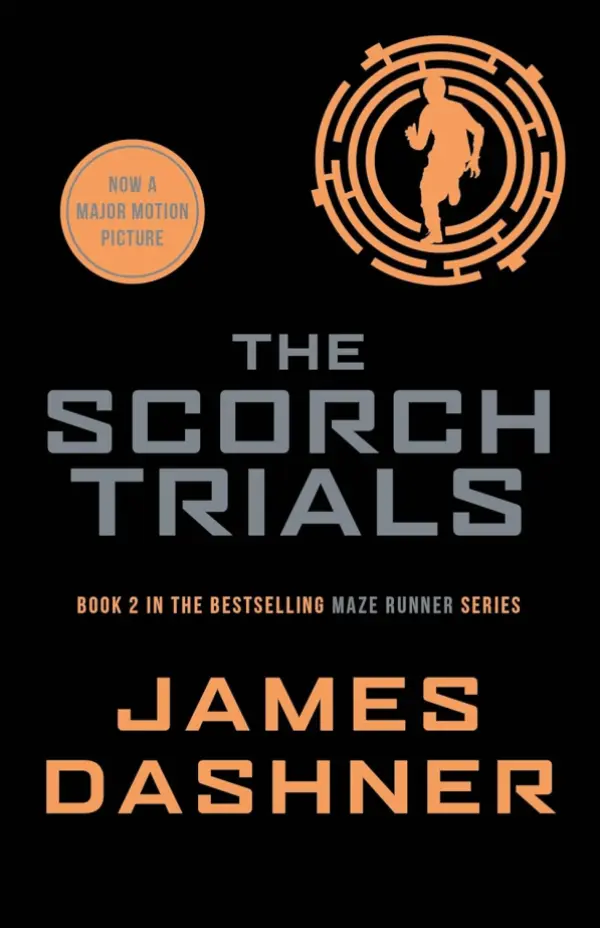
Book 2
Average Goodreads rating4.4
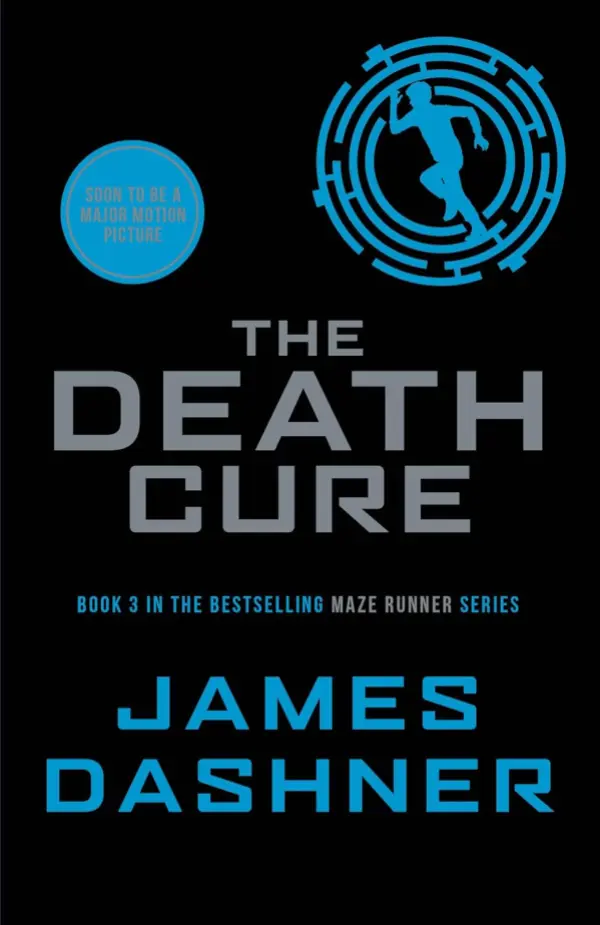
Book 3
Average Goodreads rating4.4
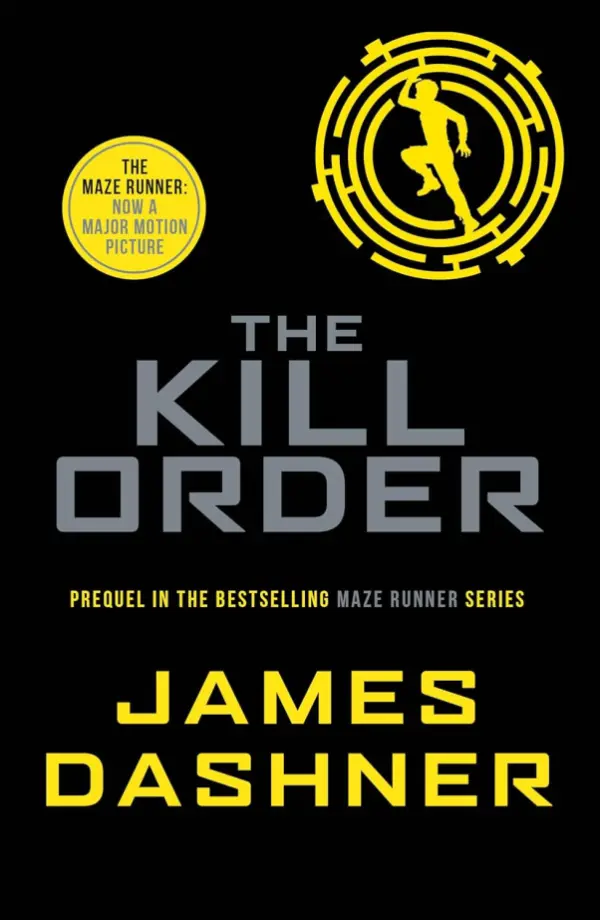
Book 4
Average Goodreads rating4.4
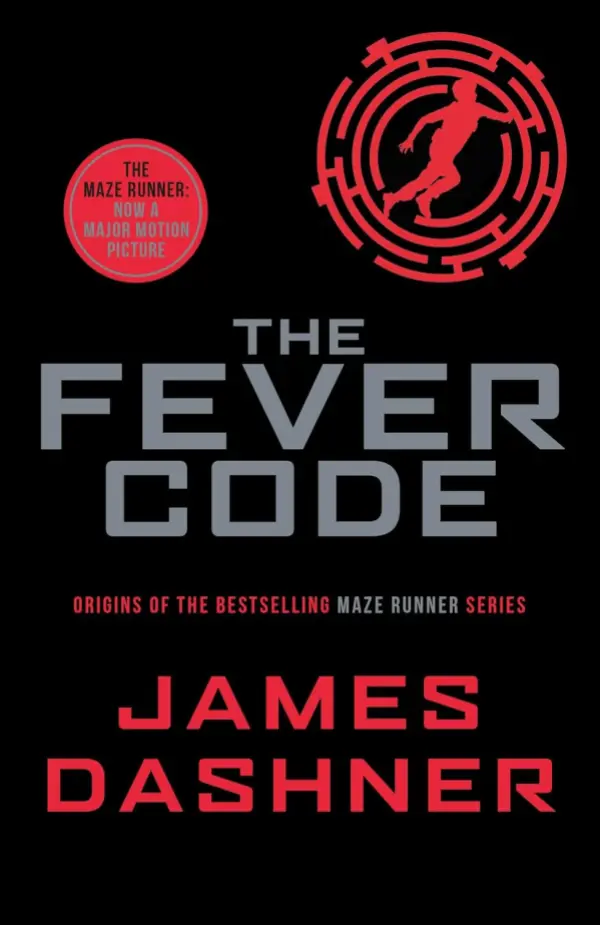
Book 5
Average Goodreads rating4.7
James Dashner is a bestselling American author renowned for his fast-paced dystopian Science Fiction, particularly for The Maze Runner series. His novels are driven by relentless momentum, high-concept premises, and survival-based storytelling that places young protagonists in environments designed to test loyalty, morality, and endurance.
Dashner rose to global prominence with The Maze Runner, a series that helped define a generation of young adult dystopian fiction. The books centre on characters stripped of memory and autonomy, forced to survive within artificial systems controlled by unseen authorities. This emphasis on disorientation and confinement gives Dashner’s work its signature intensity, immersing readers in worlds where answers are deliberately withheld and trust is fragile.
A defining theme across Dashner’s fiction is control through experimentation. Characters are frequently placed in environments where suffering is justified as necessary for a greater good. Dashner interrogates the ethics of this logic, asking whether progress can ever excuse cruelty. Institutions in his stories wield science and secrecy as weapons, manipulating memory, fear, and loyalty to shape outcomes.
Memory loss is one of Dashner’s most distinctive narrative tools. By removing characters’ pasts, he forces identity to be rebuilt through action rather than history. This creates immediate tension while exploring deeper questions about who we are without our memories and whether identity is innate or constructed. As fragments of truth emerge, they often complicate rather than resolve moral dilemmas.
Dashner’s protagonists are rarely traditional heroes. They are reactive, flawed, and often overwhelmed, relying on cooperation and adaptability to survive. Found community plays a crucial role in his narratives, as alliances form under pressure and loyalty becomes both refuge and risk. Betrayal, secrecy, and sacrifice frequently test these bonds.
Stylistically, Dashner’s prose is direct and propulsive. Chapters are short, dialogue-driven, and cliffhanger-heavy, designed to maintain constant forward motion. This pacing mirrors the urgency of his worlds, where hesitation can mean death and certainty is always provisional.
Beyond The Maze Runner, Dashner has written additional speculative series that continue his interest in apocalyptic scenarios, altered environments, and ethical ambiguity. Across his work, optimism is tempered by realism: survival may be possible, but innocence is not preserved.
James Dashner’s novels are ideal for readers who enjoy Science Fiction that blends dystopian settings with action, mystery, and emotional stakes. Tense, immersive, and unsettling, his work asks readers to consider how far humanity might go in the name of saving itself - and what is lost along the way.

Neal Shusterman
Arc of a Scythe, book 1
Average Goodreads rating4.5

Blake Crouch
The Wayward Pines Trilogy, book 1
Average Goodreads rating4.1
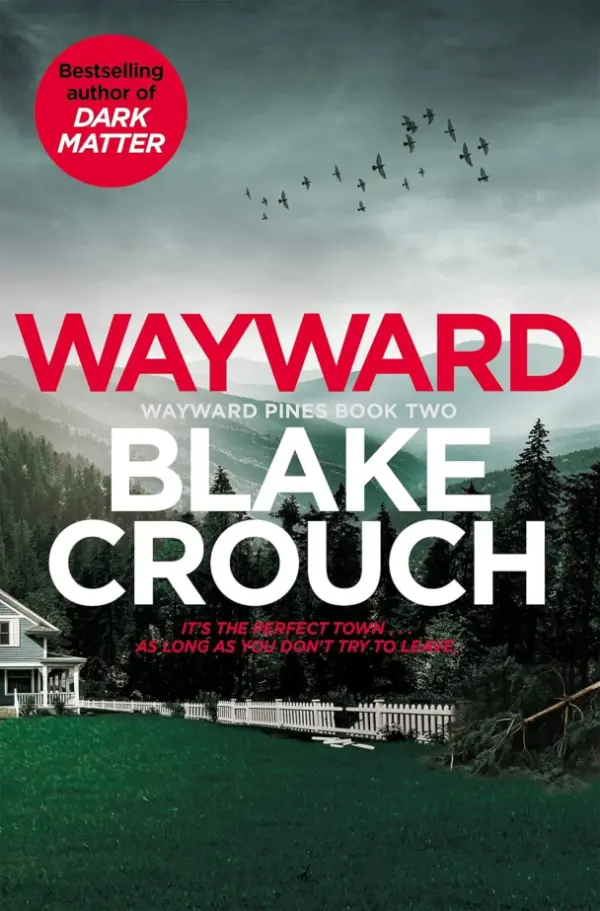
Blake Crouch
The Wayward Pines Trilogy, book 2
Average Goodreads rating4.4
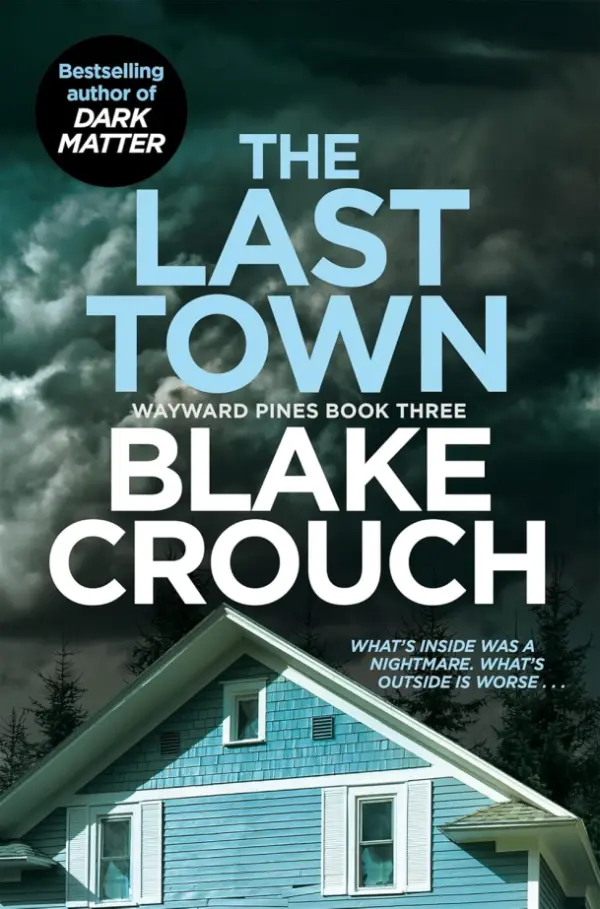
Blake Crouch
The Wayward Pines Trilogy, book 3
Average Goodreads rating4.4
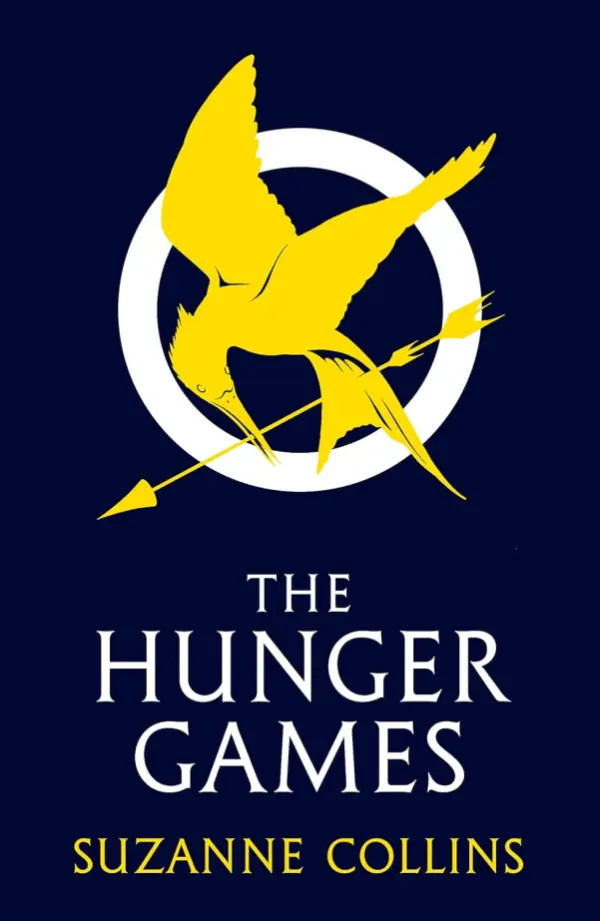
Suzanne Collins
Hunger Games, book 1
Average Goodreads rating4.7
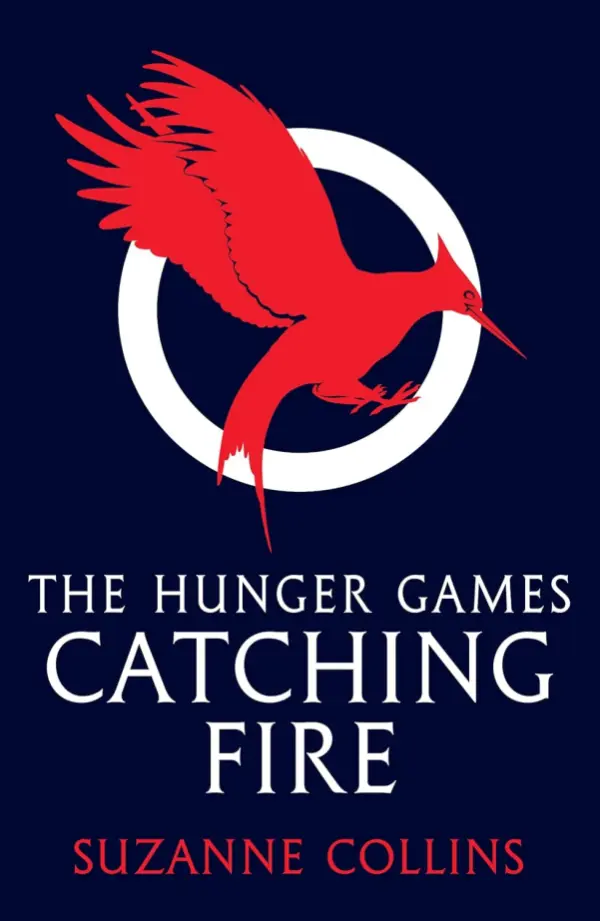
Suzanne Collins
Hunger Games, book 2
Average Goodreads rating4.7

Discover 12 heart-pounding books featuring deadly games and brutal trials where characters must fight, outwit, and survive against impossible odds. Perfect for fans of high-stakes tension and moral dilemmas.

From oppressive regimes to survival games and broken futures, these dystopian books and series explore power, rebellion, and control - and why readers can’t stop searching for stories that hit uncomfortably close to home.
Occasional emails with new recommendations, series news and trope round-ups.