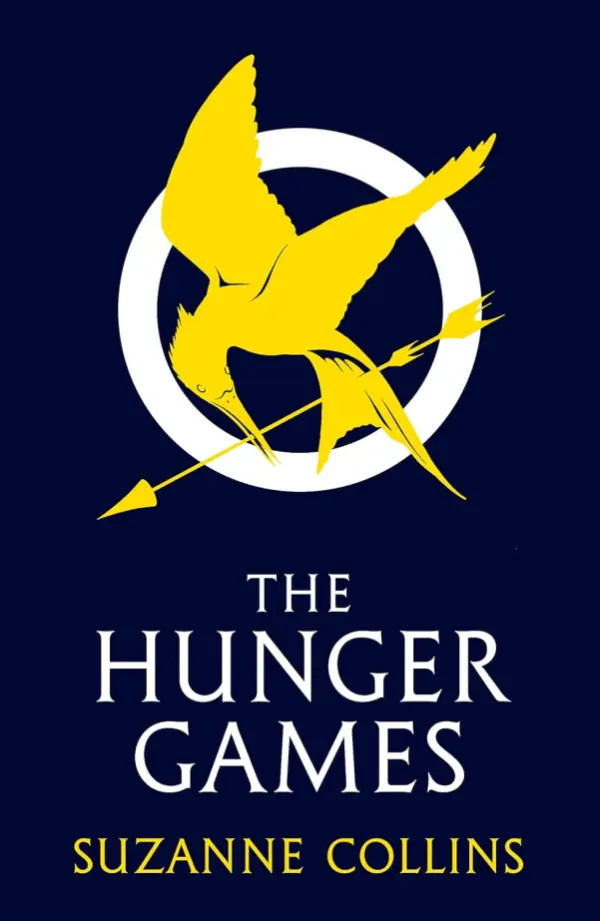
Book 1
The Hunger Games
Average Goodreads rating4.7

Author · American
Suzanne Collins is a bestselling author known for dystopian science fiction that explores power, propaganda, and survival, most famously in The Hunger Games series.
New to Suzanne Collins? A popular place to start
Book 1 of Hunger Games
The Hunger Games by Suzanne Collins is a dystopian survival novel where televised violence, propaganda, and power collide as one girl fights to stay alive.
Picked from Suzanne Collins’s most widely rated books on Goodreads, starting at the beginning of its series.
Retailer links may earn Trope Trove a commission, at no extra cost to you.
3 books in reading order
Book 1
Average Goodreads rating4.7
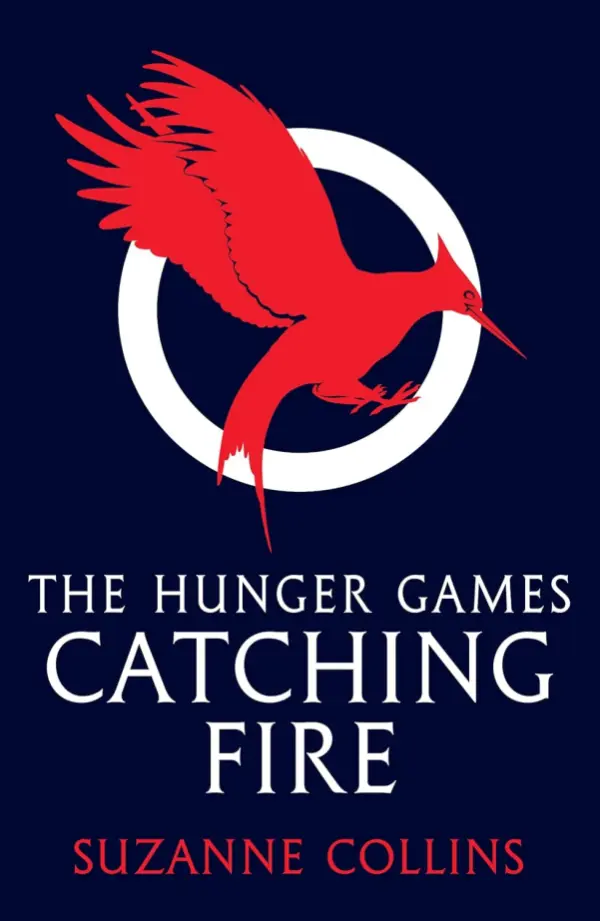
Book 2
Average Goodreads rating4.7
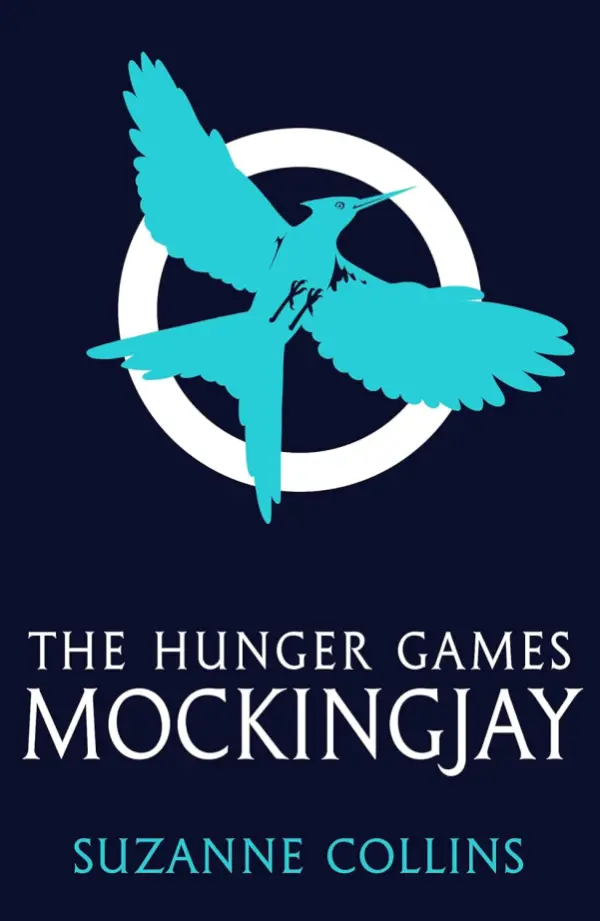
Book 3
Average Goodreads rating4.6
Suzanne Collins is an internationally bestselling author whose work has defined modern dystopian fiction, particularly for young adult and crossover readers. Best known for The Hunger Games series, Collins writes stories that combine gripping survival narratives with sharp political commentary, examining how power, violence, and media shape society.
Before becoming a novelist, Collins worked extensively in television writing, including children’s programming. This background strongly influences her prose: scenes are cinematic, pacing is precise, and dialogue is purposeful. Her storytelling balances accessibility with depth, making complex ideas approachable without diluting their impact.
Collins rose to global prominence with The Hunger Games, a dystopian series set in Panem, a nation built on inequality, spectacle, and control. The books centre on survival competitions used as tools of oppression, forcing participants to perform violence for public consumption. Through this premise, Collins explores state power, propaganda, and moral compromise, framing entertainment as a mechanism of control rather than escape.
A defining strength of Collins’ writing is her focus on psychological consequence. Violence is never glorified; trauma lingers long after action ends. Characters are shaped by fear, grief, and guilt, and heroism is portrayed as reluctant rather than triumphant. Survival often comes at the cost of innocence, certainty, and trust.
Collins frequently interrogates authority and resistance. Her protagonists are not chosen saviours seeking glory, but individuals pushed into defiance by circumstance. Leadership is messy, rebellion is fractured, and victory rarely delivers peace. This moral complexity gives her work lasting resonance beyond its genre trappings.
Another recurring theme is media manipulation. Collins examines how narratives are manufactured, edited, and weaponised to influence public perception. Characters must navigate not only physical danger, but also the performance of identity - deciding what version of themselves is broadcast and what is kept private. This focus on image versus truth remains especially relevant in modern media culture.
Her prose style is direct, efficient, and emotionally grounded. Collins avoids excessive exposition, allowing action and consequence to speak for themselves. This restraint amplifies tension and makes emotional moments land with clarity and force.
Beyond dystopian fiction, Collins has also written speculative and historical works for younger readers, consistently demonstrating an interest in power structures, ethical choice, and the cost of conflict. Across her bibliography, she maintains a clear moral lens: systems that normalise violence inevitably dehumanise everyone involved.
Suzanne Collins’ work is ideal for readers who enjoy Science Fiction that prioritises social commentary, survival stakes, and character psychology. Stark, incisive, and emotionally honest, her novels challenge readers not just to witness injustice - but to question how easily it becomes entertainment.

Neal Shusterman
Arc of a Scythe, book 1
Average Goodreads rating4.5

Neal Shusterman
Arc of a Scythe, book 2
Average Goodreads rating4.6

Neal Shusterman
Arc of a Scythe, book 3
Average Goodreads rating4.6
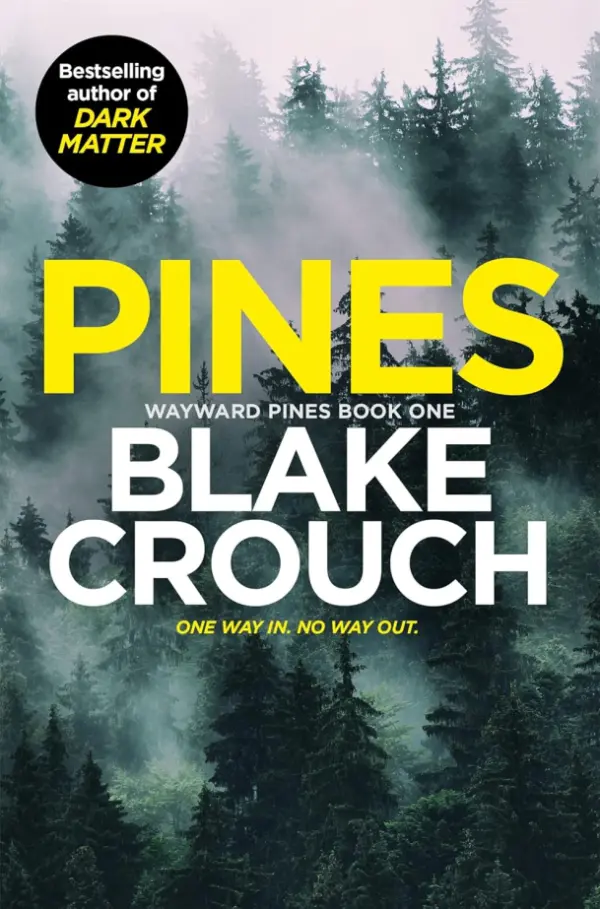
Blake Crouch
The Wayward Pines Trilogy, book 1
Average Goodreads rating4.1
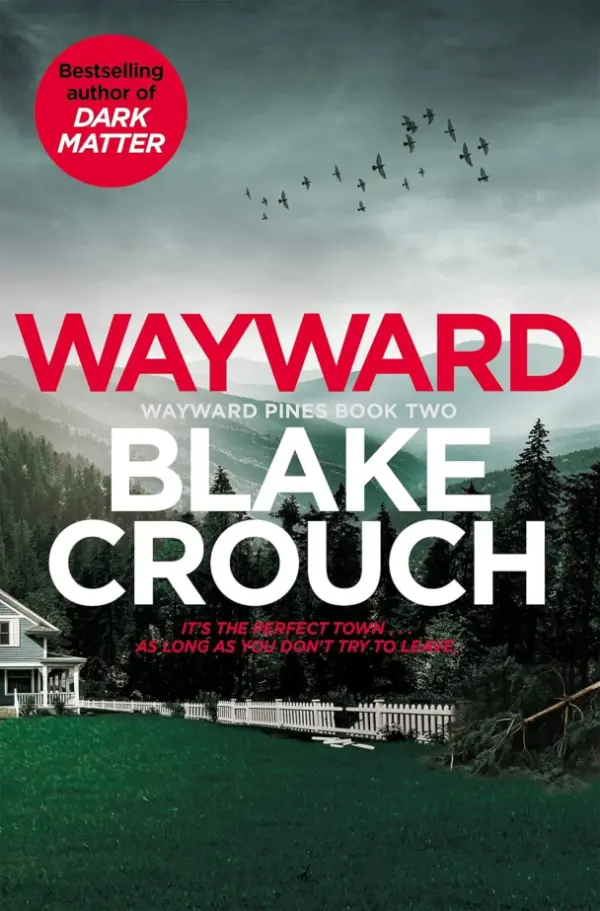
Blake Crouch
The Wayward Pines Trilogy, book 2
Average Goodreads rating4.4
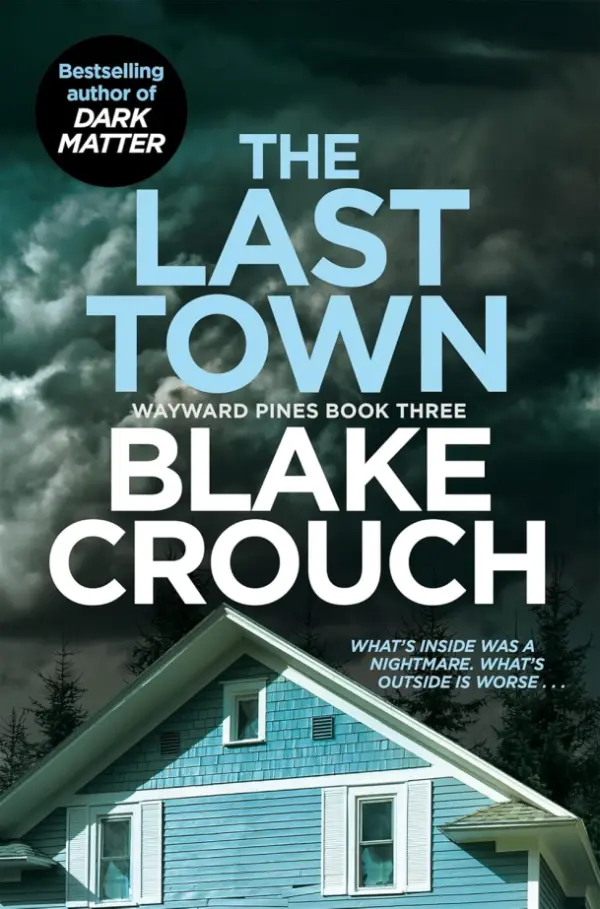
Blake Crouch
The Wayward Pines Trilogy, book 3
Average Goodreads rating4.4
Discover 12 heart-pounding books featuring deadly games and brutal trials where characters must fight, outwit, and survive against impossible odds. Perfect for fans of high-stakes tension and moral dilemmas.
From oppressive regimes to survival games and broken futures, these dystopian books and series explore power, rebellion, and control - and why readers can’t stop searching for stories that hit uncomfortably close to home.
Occasional emails with new recommendations, series news and trope round-ups.