Book 1
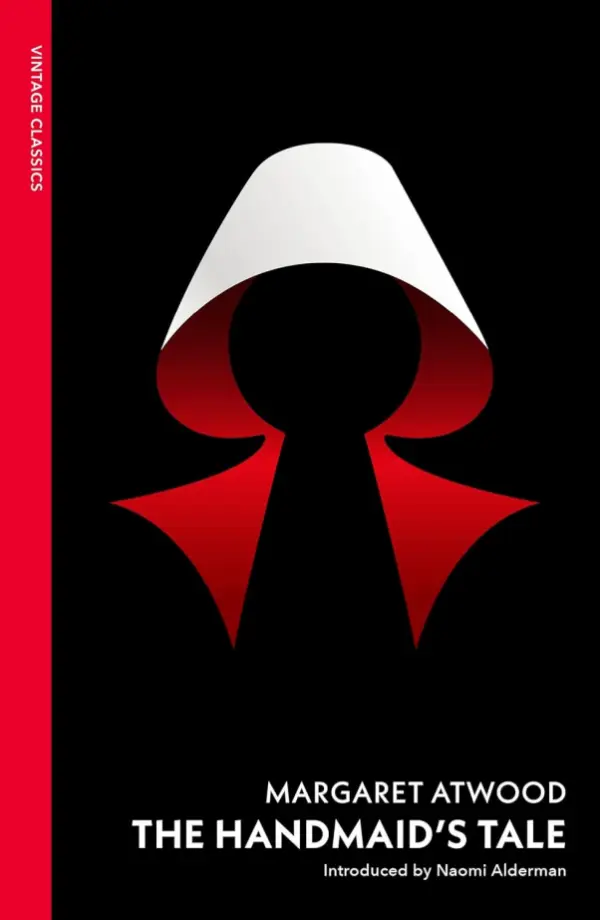
The Handmaid's Tale
Average Goodreads rating4.4

Author · Canadian
Margaret Atwood is a renowned author of speculative and literary fiction, known for dystopian novels that examine power, gender, technology, and survival.
New to Margaret Atwood? A popular place to start
Book 1 of The Handmaid's Tale
The Handmaid’s Tale by Margaret Atwood is a dystopian novel exploring gender, power, and survival in a theocratic regime where women’s bodies are controlled.
Picked from Margaret Atwood’s most widely rated books on Goodreads, starting at the beginning of its series.
Retailer links may earn Trope Trove a commission, at no extra cost to you.
2 books in reading order
Book 1
Average Goodreads rating4.4
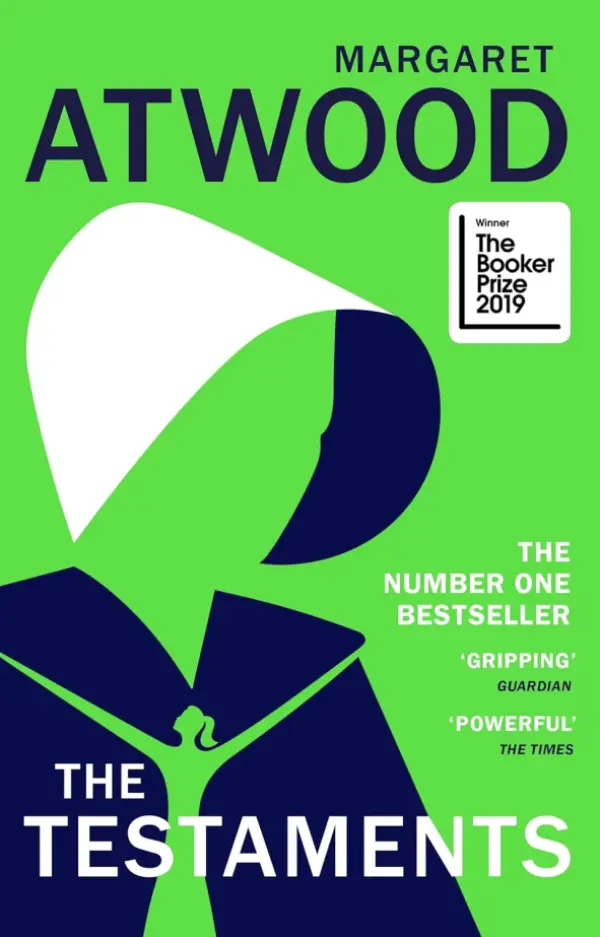
Book 2
Average Goodreads rating4.6
3 books in reading order
Book 1
Average Goodreads rating4.4
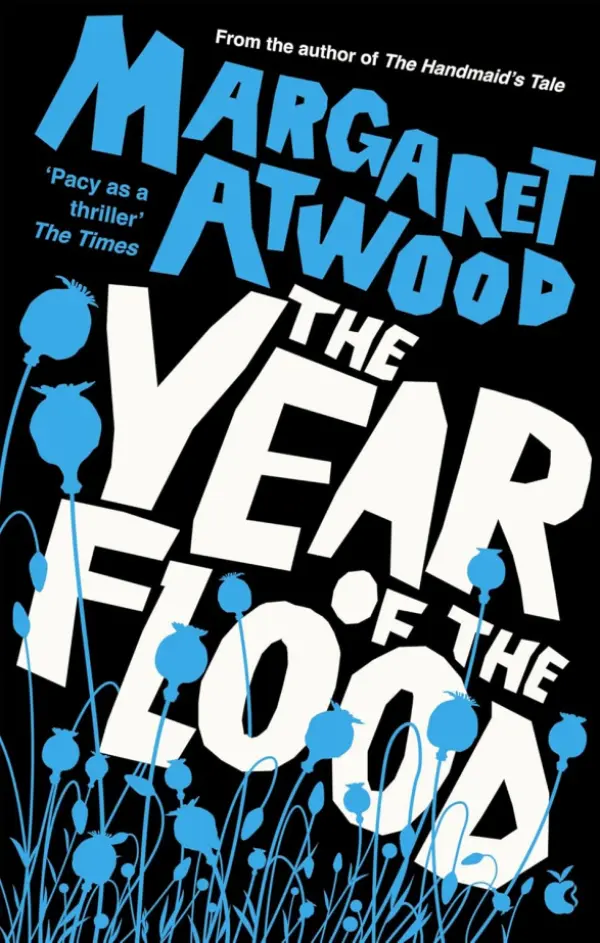
Book 2
Average Goodreads rating4.4
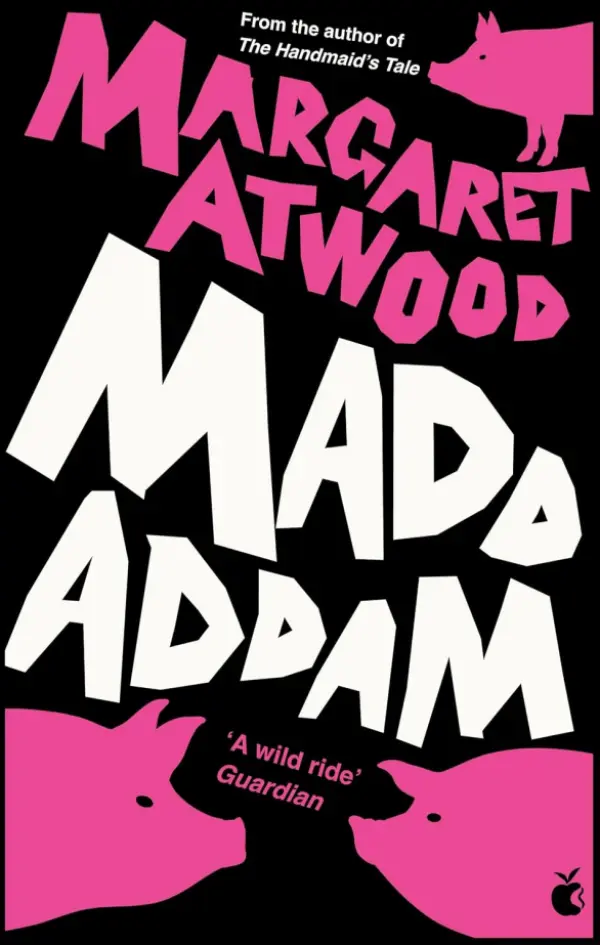
Book 3
Average Goodreads rating4.5
Margaret Atwood is one of the most influential contemporary authors of speculative and literary fiction, celebrated for her sharp intellect, genre-defying storytelling, and fearless examination of power structures. A Canadian novelist, poet, and essayist, Atwood has built a career exploring how societies control bodies, language, and truth - often through futures that feel uncomfortably close to the present.
Atwood is best known for The Handmaid’s Tale, a dystopian novel that depicts a theocratic regime built on rigid gender control and reproductive exploitation. Rather than inventing fantastical technologies, Atwood draws from real historical precedents, reinforcing her belief that speculative fiction should extrapolate from existing human behavior. This grounding makes her dystopias deeply unsettling, as they feel plausible rather than distant.
A defining feature of Atwood’s work is her interrogation of power and autonomy, particularly through the lens of gender. Her protagonists frequently navigate systems that seek to define their worth, identity, and bodies. Resistance in her fiction is rarely grand or heroic; it is quiet, strategic, and often internal. Survival itself becomes a political act.
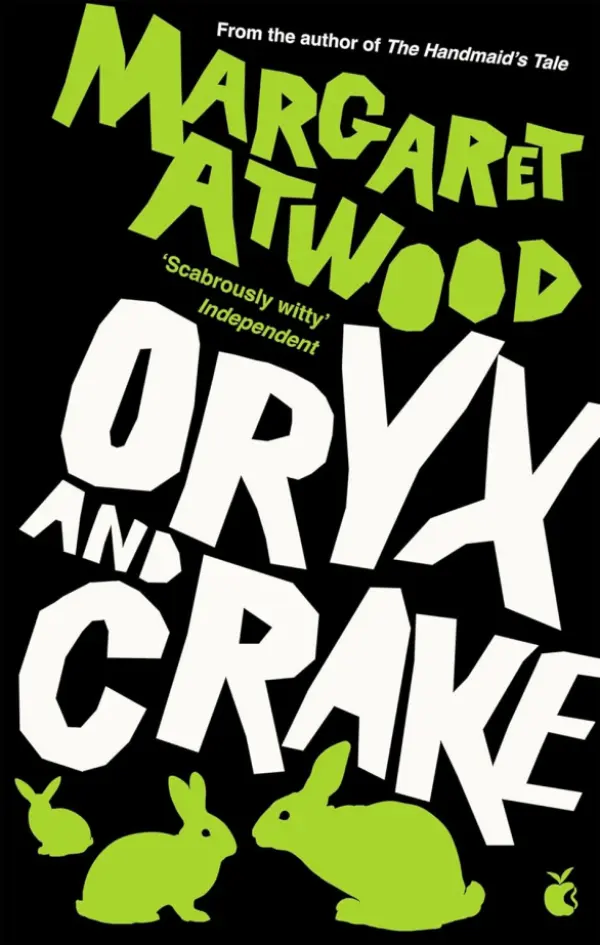
Atwood also examines technology and environmental collapse, most notably in the MaddAddam trilogy, beginning with Oryx and Crake. These novels explore genetic engineering, corporate control, and ecological disaster, questioning humanity’s faith in progress and innovation. Science, in Atwood’s worlds, is neither villain nor savior - it is a tool shaped by human ethics, greed, and fear.
Language plays a crucial role throughout her writing. Atwood demonstrates how words are used to control narratives, rewrite history, and normalize injustice. Storytelling becomes both a weapon and a refuge, preserving identity in systems designed to erase it. This emphasis on language as power connects her fiction with her broader body of essays and criticism.
Her prose is precise, ironic, and often darkly humorous. Atwood balances intellectual rigor with emotional clarity, making complex ideas accessible without simplifying them. She frequently blends genres - science fiction, literary fiction, satire, and myth - resisting easy categorization and challenging readers’ expectations.
Atwood’s influence extends beyond literature into cultural and political discourse. Her work is regularly cited in discussions about censorship, reproductive rights, climate change, and authoritarianism. Adaptations of her novels have further cemented their relevance, introducing her themes to new generations.
Margaret Atwood’s writing is ideal for readers who enjoy Science Fiction and Literary Fiction that confront social realities through speculative lenses. Provocative, incisive, and enduring, her work asks not what the future will look like - but what kind of future we are already building.

Octavia E. Butler
Parable, book 1
Average Goodreads rating4.4

Octavia E. Butler
Parable, book 2
Average Goodreads rating4.5

Jay Kristoff
LIFEL1K3, book 1
Average Goodreads rating4.3

Blake Crouch
The Wayward Pines Trilogy, book 1
Average Goodreads rating4.1

Blake Crouch
The Wayward Pines Trilogy, book 2
Average Goodreads rating4.4
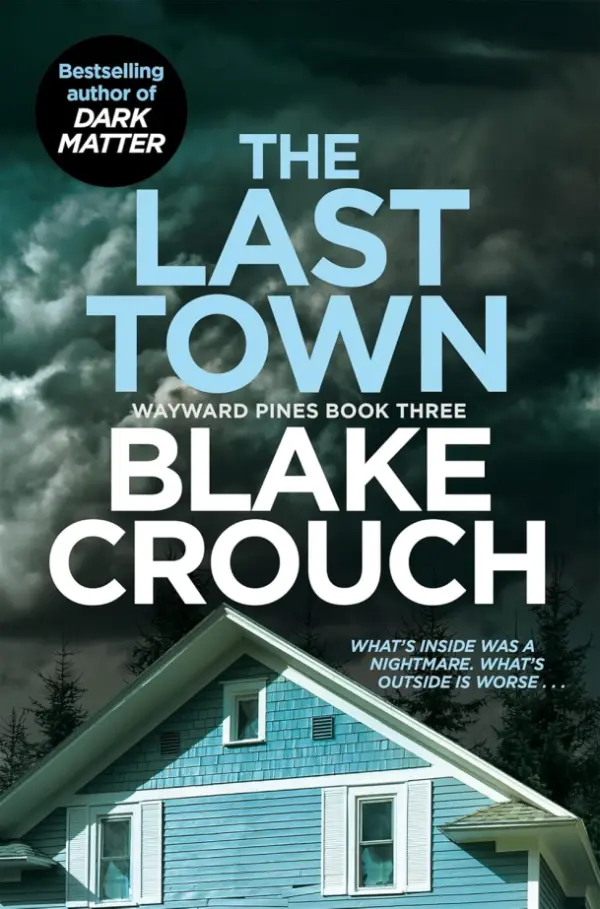
Blake Crouch
The Wayward Pines Trilogy, book 3
Average Goodreads rating4.4
From oppressive regimes to survival games and broken futures, these dystopian books and series explore power, rebellion, and control - and why readers can’t stop searching for stories that hit uncomfortably close to home.
Occasional emails with new recommendations, series news and trope round-ups.