
The Scorch Trials
James Dashner
The Maze Runner, book 2
Average Goodreads rating4.4

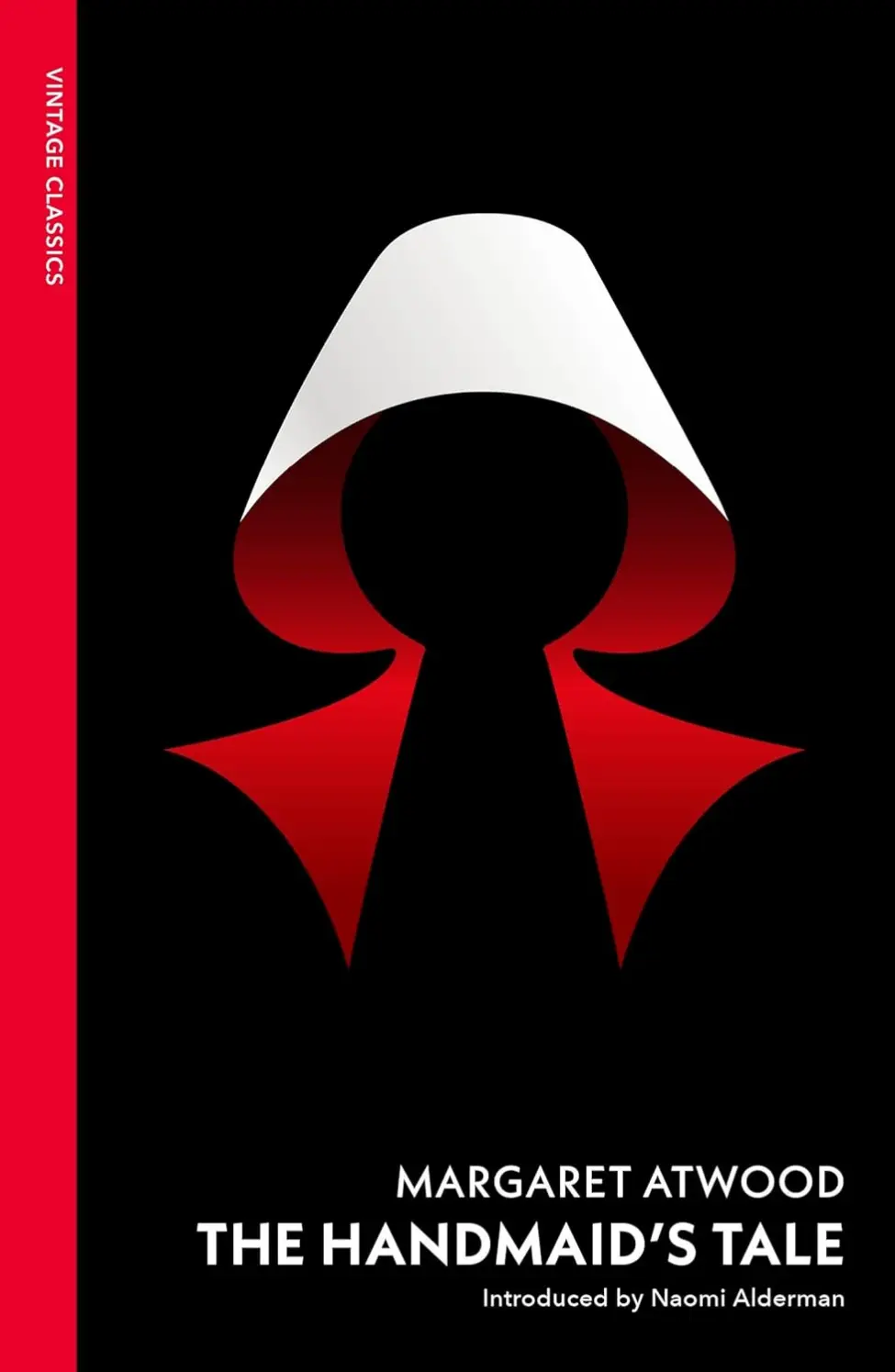
Book 1 in The Handmaid's Tale
We independently select and recommend books. Purchases made through our links may earn us a commission, at no extra cost to you. Prices and availability are set by each retailer.
The Handmaid’s Tale by Margaret Atwood is a dystopian novel exploring gender, power, and survival in a theocratic regime where women’s bodies are controlled.
Tagged on the series as a whole, so not every book will feature each one.
The Handmaid’s Tale by Margaret Atwood is a seminal work of dystopian Science Fiction that examines how authoritarian power can reshape society through ideology, fear, and control of the body. First published in 1985, the novel remains urgently relevant, offering a chilling vision of how fragile rights can be when extremism is allowed to flourish.
Set in the Republic of Gilead, a totalitarian theocracy that has replaced the United States, the novel imagines a society formed in response to environmental collapse and widespread infertility. Under the guise of restoring order and morality, the regime enforces rigid gender hierarchies, stripping women of autonomy and assigning them roles based on perceived usefulness. Fertile women are reduced to Handmaids, forced into reproductive servitude for the ruling elite.
The story is narrated by Offred, a Handmaid whose quiet, fragmented recollections form the emotional core of the novel. Rather than presenting a traditional rebellion narrative, Atwood focuses on survival under oppression. Resistance is subtle and often internal: remembering a name, holding onto forbidden thoughts, or refusing to fully surrender identity. This approach underscores how authoritarian systems limit not only freedom of action, but freedom of imagination.
A central theme of the novel is control through language and ritual. Gilead replaces ordinary speech with religious slogans and euphemisms that mask violence and dehumanisation. Language becomes a tool of obedience, reshaping reality until cruelty appears normal and inevitable. Atwood demonstrates how restricting language narrows thought, making dissent increasingly difficult.
The novel also interrogates complicity and moral compromise. Many characters participate in the system not out of belief, but fear or self-preservation. Atwood avoids simple villains, instead presenting oppression as a network sustained by everyday choices. This moral ambiguity heightens the novel’s realism and its warning.
Atwood’s prose is restrained, precise, and devastating in its simplicity. By avoiding sensationalism, she allows the horror of Gilead to emerge through routine, repetition, and the quiet erosion of dignity. Emotional impact comes not from spectacle, but from recognition - each element of Gilead echoes real historical practices and ideologies.
Ultimately, The Handmaid’s Tale is a meditation on power, autonomy, and memory. Storytelling itself becomes an act of resistance, preserving truth in a world determined to erase it. Offred’s narrative is not a call to heroism, but a testament to endurance.
The Handmaid’s Tale is ideal for readers who enjoy Science Fiction that blends speculative futures with social and political critique. Unsettling, incisive, and enduring, the novel stands as a warning of how quickly freedom can vanish - and how quietly oppression can take hold.
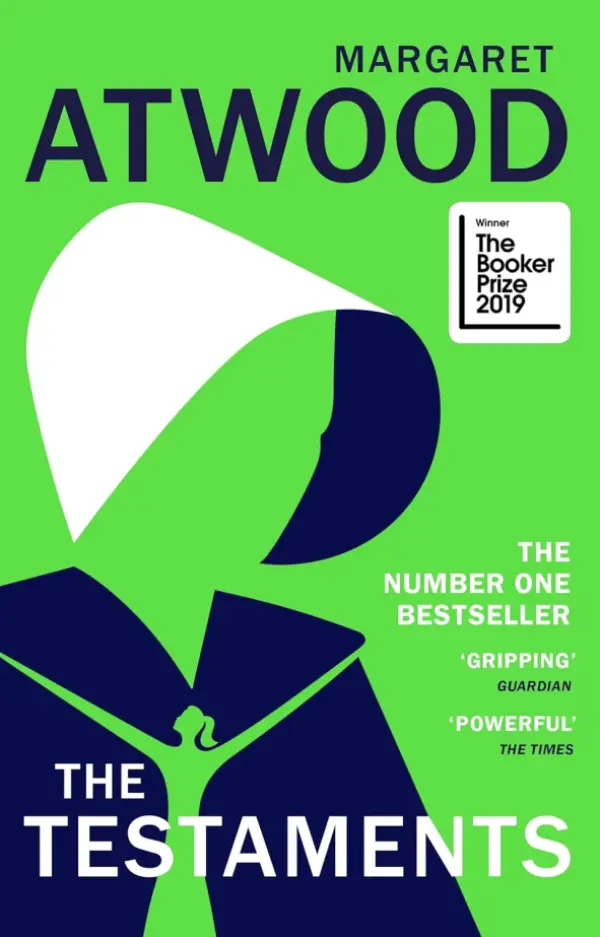
James Dashner
The Maze Runner, book 2
Average Goodreads rating4.4
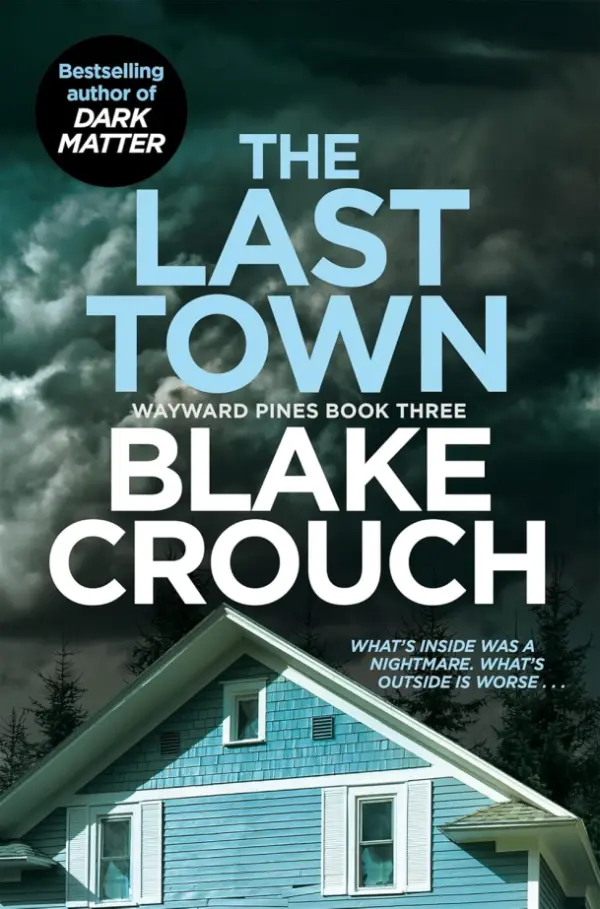
Blake Crouch
The Wayward Pines Trilogy, book 3
Average Goodreads rating4.4

Richard Bachman & Stephen King
Average Goodreads rating4.3

Octavia E. Butler
Parable, book 2
Average Goodreads rating4.5

Emily St. John Mandel
Average Goodreads rating4.1

Andy Weir
Average Goodreads rating4.6
Still Looking?
Further down our similarity list, but still sharing tropes and genres with this book.

Neal Shusterman
Arc of a Scythe, book 1
Average Goodreads rating4.5
Buy from Amazon (opens Amazon in a new tab)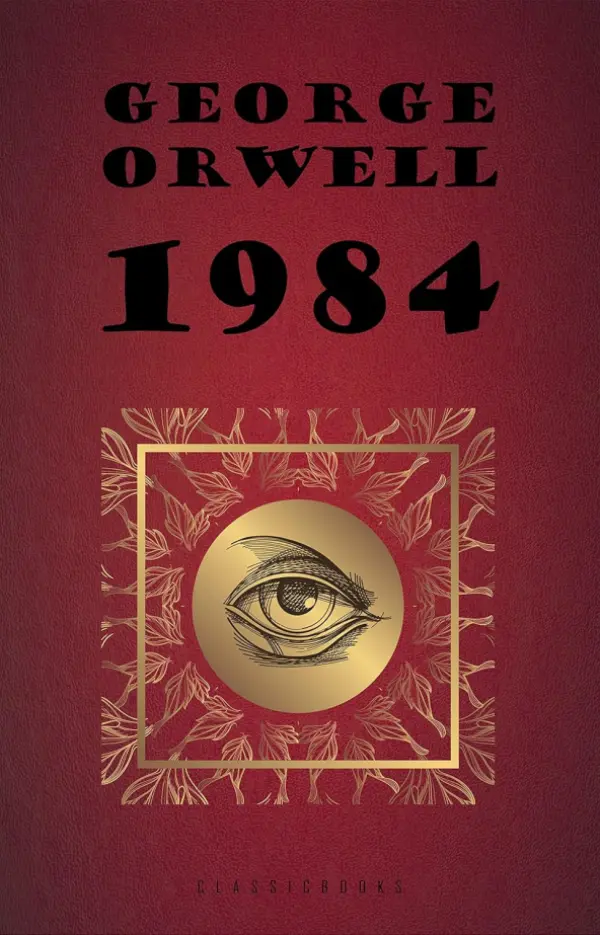
George Orwell
Average Goodreads rating4.4
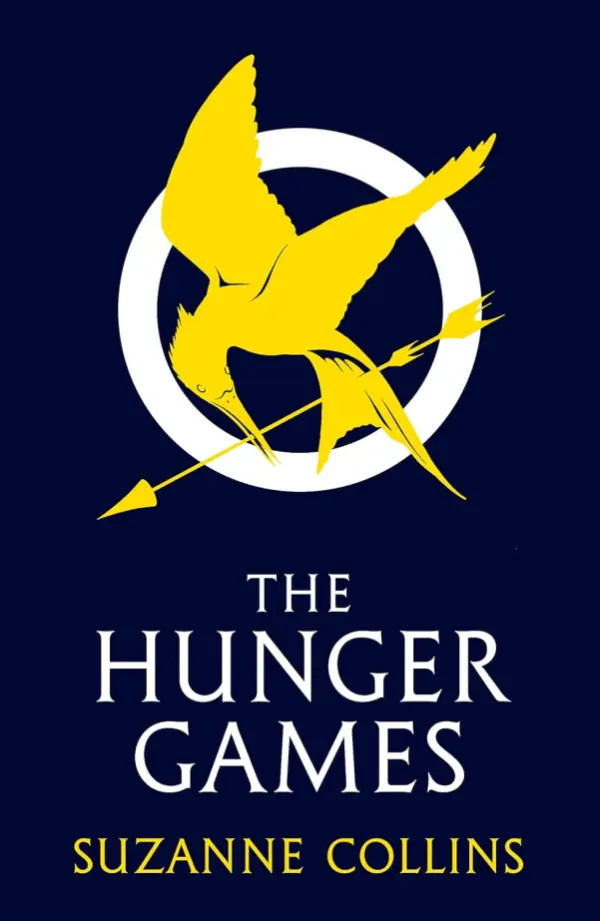
Suzanne Collins
Hunger Games, book 1
Average Goodreads rating4.7
Buy from Amazon (opens Amazon in a new tab)Margaret Atwood is a renowned author of speculative and literary fiction, known for dystopian novels that examine power, gender, technology, and survival.
Books, series and tropes by Margaret Atwood
From oppressive regimes to survival games and broken futures, these dystopian books and series explore power, rebellion, and control - and why readers can’t stop searching for stories that hit uncomfortably close to home.
The Handmaid's Tale
Buy from Amazon (opens Amazon in a new tab)Occasional emails with new recommendations, series news and trope round-ups.