
Scythe
Neal Shusterman
Arc of a Scythe, book 1
Average Goodreads rating4.5

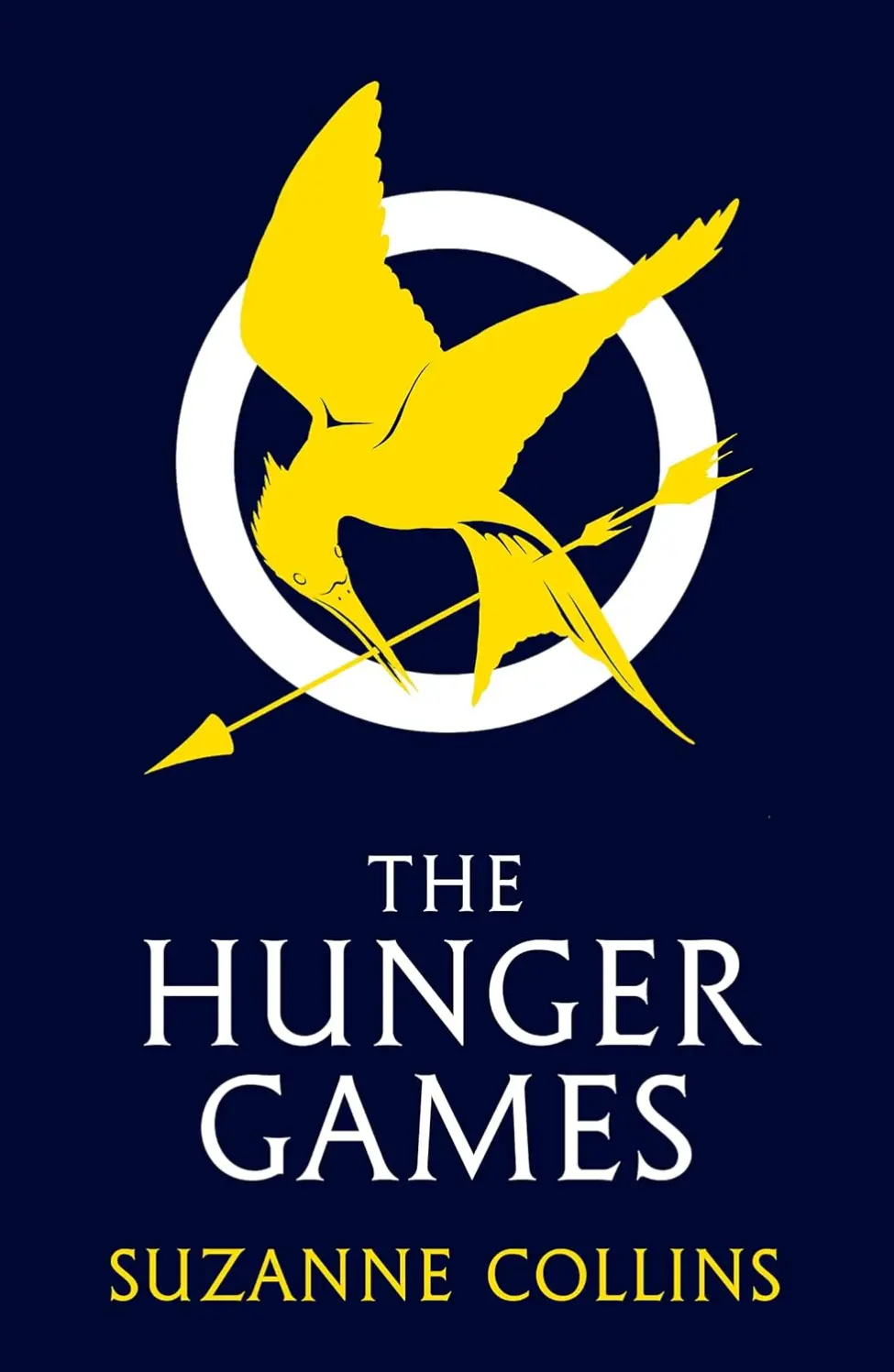
Book 1 in Hunger Games
We independently select and recommend books. Purchases made through our links may earn us a commission, at no extra cost to you. Prices and availability are set by each retailer.
The Hunger Games by Suzanne Collins is a dystopian survival novel where televised violence, propaganda, and power collide as one girl fights to stay alive.
Tagged on the series as a whole, so not every book will feature each one.
The Hunger Games by Suzanne Collins is the first novel in the Hunger Games series, a landmark work of dystopian Science Fiction that combines survival drama with sharp political commentary. Set in the nation of Panem, the story depicts a society ruled by an authoritarian Capitol that maintains control through fear, spectacle, and enforced inequality.
Each year, the Capitol hosts the Hunger Games: a televised event in which children from the twelve districts are forced to fight to the death for public entertainment. Framed as both punishment and celebration, the Games function as propaganda, reinforcing the Capitol’s dominance while numbing viewers to cruelty. Collins uses this brutal premise to explore how violence becomes normalised when packaged as spectacle.
The novel follows Katniss Everdeen, a resourceful teenager from the impoverished District 12 who volunteers to take her sister’s place in the Games. Katniss is not driven by glory or rebellion, but by survival and loyalty. This makes her a reluctant hero, one whose resistance emerges organically rather than ideologically. Her perspective grounds the novel’s political themes in immediate, human stakes.
A defining strength of The Hunger Games is its focus on psychological consequence. The arena is not merely a setting for action, but a pressure cooker that exposes fear, trauma, and moral compromise. Violence is portrayed as terrifying and dehumanising, never heroic. Survival often demands choices that haunt the characters long after the Games end, underscoring Collins’ refusal to glamorise conflict.
Media manipulation plays a central role in the story. The Games are carefully edited, narrated, and broadcast to shape public perception. Tributes are styled, coached, and encouraged to perform personas that appeal to viewers. Katniss must learn to navigate this manufactured reality, understanding that how she appears on screen can mean the difference between life and death. Collins explores image versus truth, showing how storytelling becomes a tool of control.
Relationships within the arena complicate survival further. Alliances offer protection but carry risk, while trust becomes a fragile and dangerous currency. Compassion is both a liability and a form of resistance, challenging the Capitol’s attempt to strip participants of their humanity.
The prose is direct and efficient, heightening tension and emotional impact. Collins avoids excessive exposition, allowing action and consequence to speak for themselves. The pacing keeps readers locked into Katniss’s perspective, reinforcing the immediacy of fear and uncertainty.
The Hunger Games is ideal for readers who enjoy Science Fiction that blends dystopian worldbuilding with moral and psychological depth. Stark, gripping, and unsettling, the novel introduces a series that questions not only who survives - but what survival costs in a world where power depends on who controls the story.
Neal Shusterman
Arc of a Scythe, book 1
Average Goodreads rating4.5
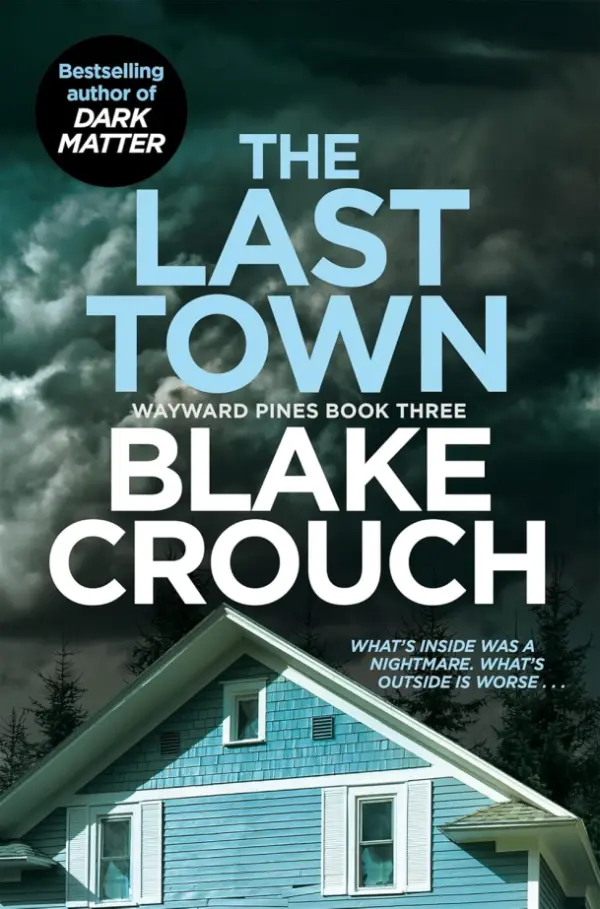
Blake Crouch
The Wayward Pines Trilogy, book 3
Average Goodreads rating4.4
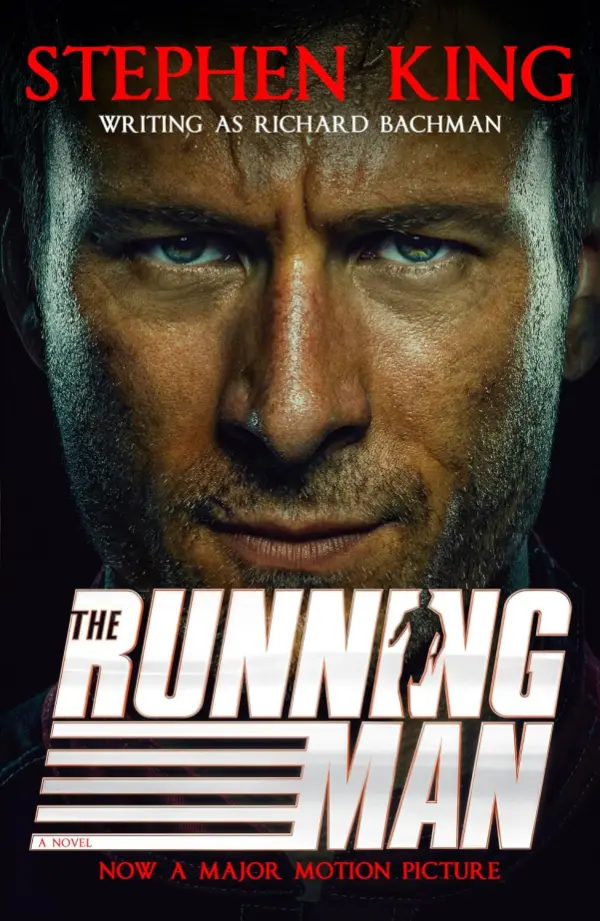
Richard Bachman & Stephen King
Average Goodreads rating4.3
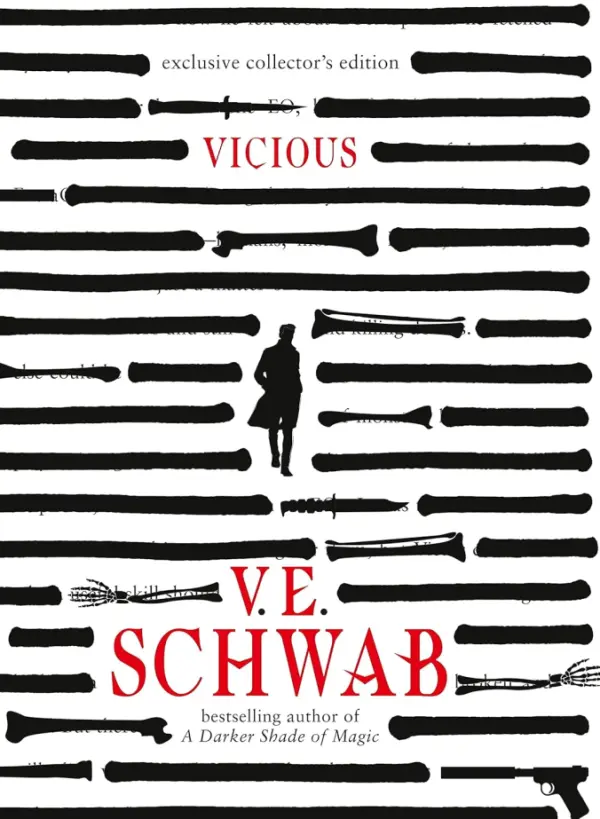
V. E. Schwab
Villains, book 1
Average Goodreads rating4.2
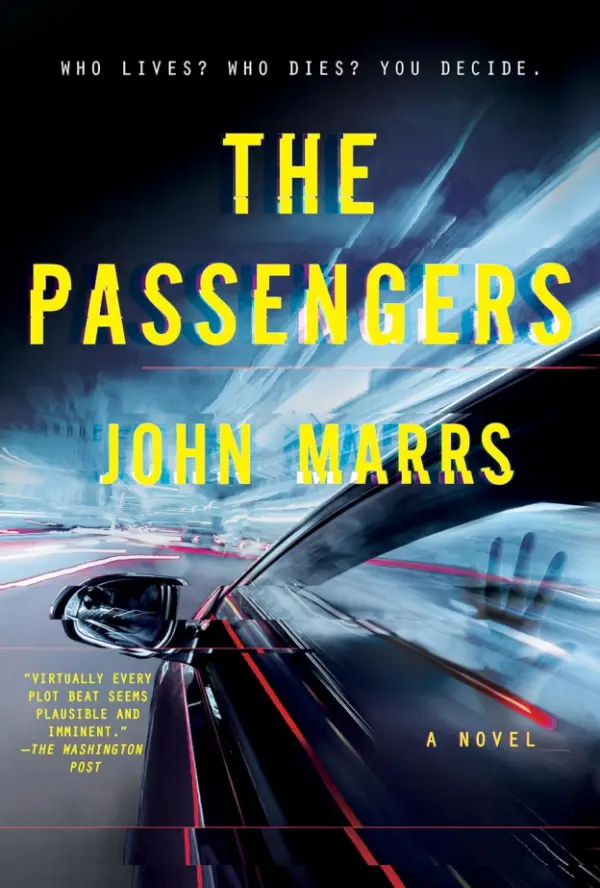
John Marrs
Average Goodreads rating4.1

Cormac McCarthy
Average Goodreads rating4.4
Still Looking?
Further down our similarity list, but still sharing tropes and genres with this book.
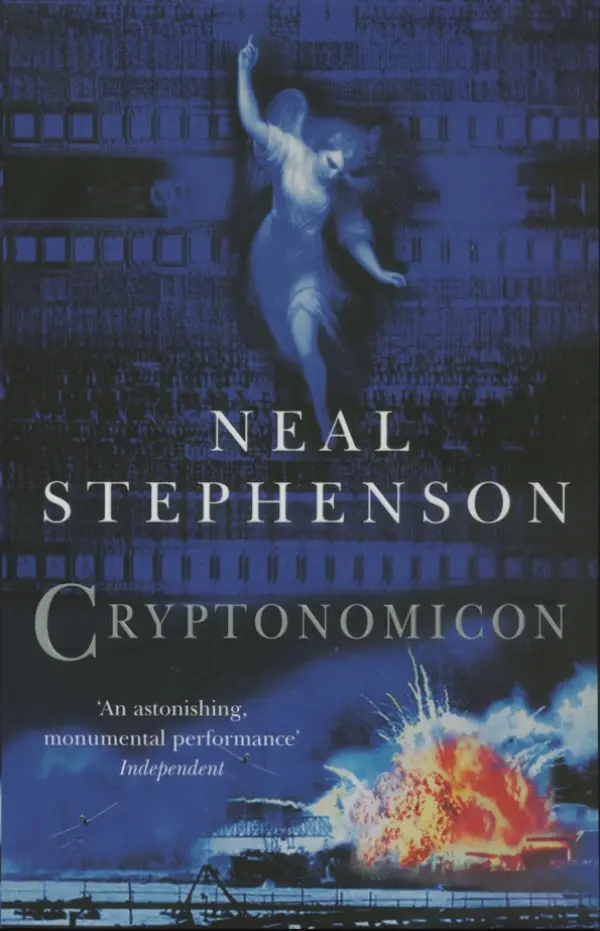
Neal Stephenson
Average Goodreads rating4.5
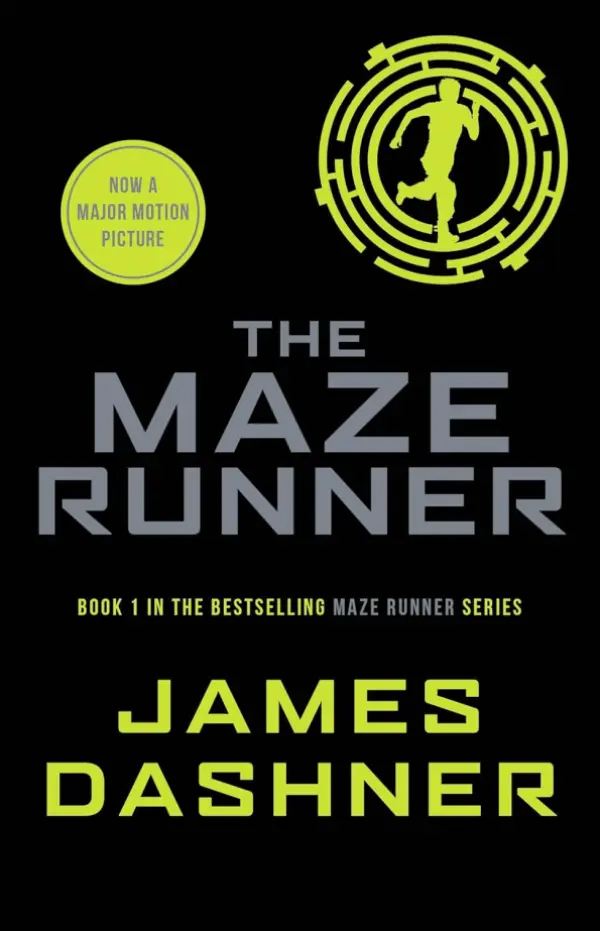
James Dashner
The Maze Runner, book 1
Average Goodreads rating4.5
Buy from Amazon (opens Amazon in a new tab)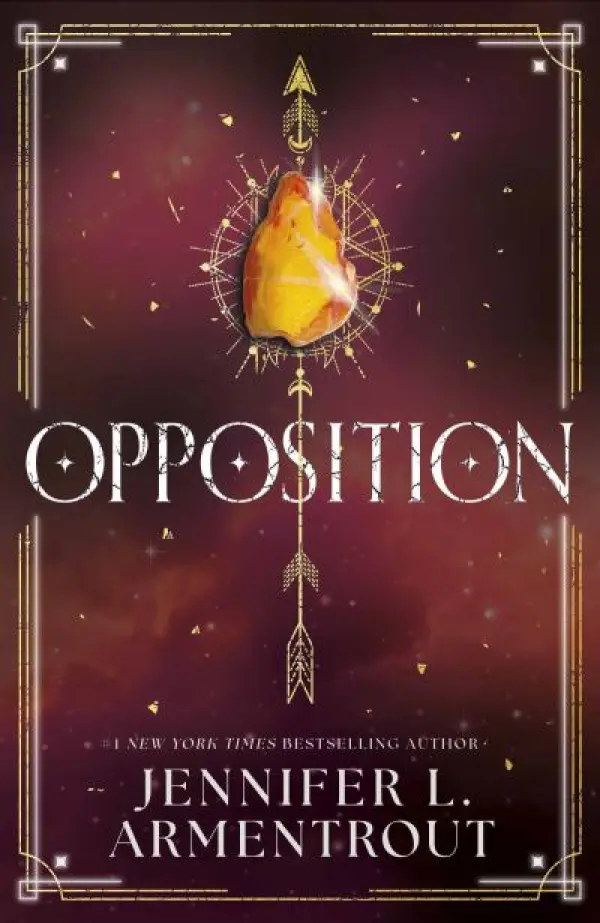
Jennifer L. Armentrout
Lux, book 5
Average Goodreads rating4.2
Suzanne Collins is a bestselling author known for dystopian science fiction that explores power, propaganda, and survival, most famously in The Hunger Games series.
Books, series and tropes by Suzanne Collins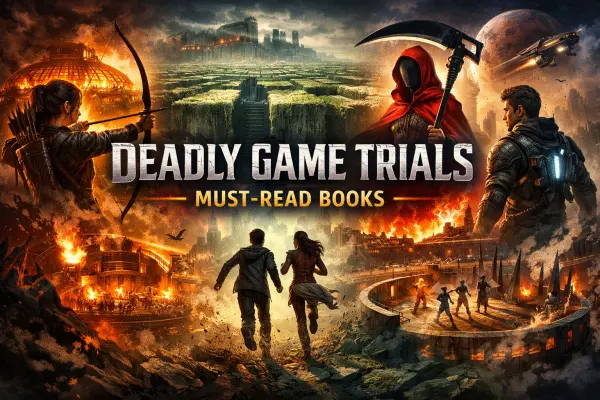
Discover 12 heart-pounding books featuring deadly games and brutal trials where characters must fight, outwit, and survive against impossible odds. Perfect for fans of high-stakes tension and moral dilemmas.
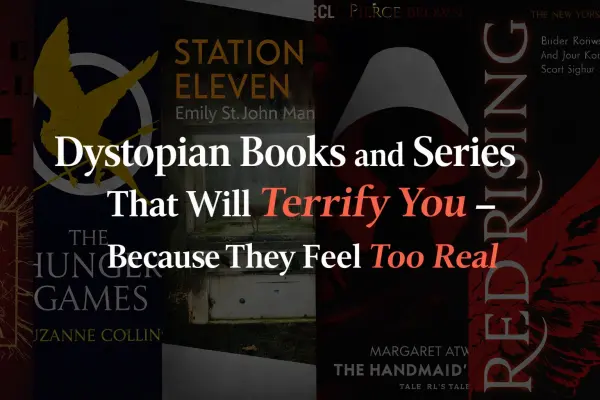
From oppressive regimes to survival games and broken futures, these dystopian books and series explore power, rebellion, and control - and why readers can’t stop searching for stories that hit uncomfortably close to home.
The Hunger Games
Buy from Amazon (opens Amazon in a new tab)Occasional emails with new recommendations, series news and trope round-ups.