
Parable of the Sower
Octavia E. Butler
Parable, book 1
Average Goodreads rating4.4

Book series · 2 books
The Handmaid’s Tale series by Margaret Atwood is a dystopian exploration of power, gender, and resistance, set in a theocratic regime built on control.
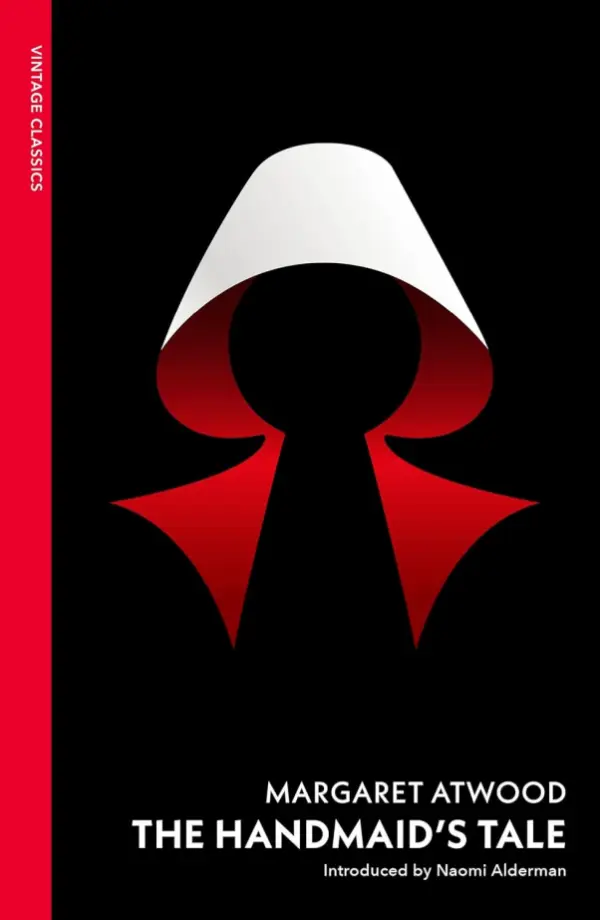
Start the series here · book 1
The Handmaid’s Tale by Margaret Atwood is a dystopian novel exploring gender, power, and survival in a theocratic regime where women’s bodies are controlled.
324 pages
Retailer links may earn Trope Trove a commission, at no extra cost to you.
Start here 324 pages Goodreads rating4.4
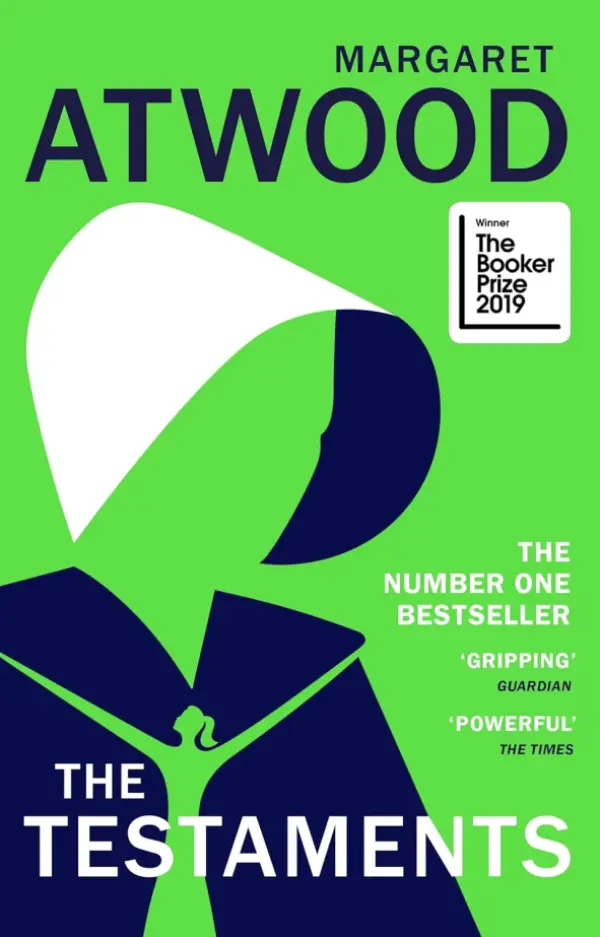
448 pages Goodreads rating4.6
The Handmaid’s Tale series by Margaret Atwood is a landmark work of speculative Science Fiction, examining how authoritarian regimes use gender, religion, and language to consolidate power. Comprising The Handmaid’s Tale and its sequel The Testaments, the series presents a chilling vision of a society where autonomy is stripped away under the guise of moral order.
Set in the Republic of Gilead, a totalitarian theocracy that replaces the United States, the series imagines a future shaped by environmental collapse, declining fertility, and extremist ideology. In response to crisis, Gilead enforces rigid social hierarchies, reducing women to prescribed roles based on reproductive capability. Through this system, Atwood explores control of the body as political currency, revealing how fear and doctrine can normalize systemic abuse.
The first novel, The Handmaid’s Tale, is narrated by Offred, a woman forced into sexual servitude as part of the regime’s reproduction program. Her story foregrounds survival rather than heroism. Resistance is subtle, fragmented, and often internal, reflecting how oppressive systems limit not just action, but imagination. Atwood emphasizes that tyranny thrives not only on violence, but on compliance cultivated through routine and ritual.
The Testaments broadens the scope of the series by shifting perspectives and examining the long-term cracks within Gilead’s structure. Through multiple narrators, Atwood explores how authoritarian systems contain the seeds of their own collapse. Power struggles, hypocrisy, and internal corruption expose the fragility beneath enforced certainty. The sequel reframes resistance as both generational and institutional, revealing how change emerges slowly and unevenly.
A defining theme across the series is language as control. Religious slogans replace dialogue, euphemisms mask brutality, and forbidden words become acts of rebellion. Atwood demonstrates how limiting language reshapes thought, making injustice appear inevitable or divinely sanctioned. Storytelling itself becomes a means of survival, preserving identity in a system designed to erase it.
The series also interrogates complicity and moral compromise. Characters navigate impossible choices, balancing survival against resistance. Atwood avoids simple binaries of good and evil, instead presenting oppression as a network of decisions made under pressure. This moral complexity gives the series enduring relevance.
Atwood’s prose is restrained, precise, and devastatingly effective. By refusing melodrama, she amplifies horror through plausibility. Nothing in Gilead is invented without precedent; each policy echoes real historical practices, reinforcing the series’ warning that such futures are built from existing patterns.
The Handmaid’s Tale series is ideal for readers who appreciate Science Fiction that confronts power, gender, and autonomy with intellectual rigor. Unsettling, urgent, and enduring, the series stands as a cautionary exploration of how quickly rights can vanish - and how quietly resistance can begin.
Margaret Atwood is a renowned author of speculative and literary fiction, known for dystopian novels that examine power, gender, technology, and survival.
Books, series and tropes by Margaret Atwood
Octavia E. Butler
Parable, book 1
Average Goodreads rating4.4

Octavia E. Butler
Parable, book 2
Average Goodreads rating4.5

Blake Crouch
The Wayward Pines Trilogy, book 1
Average Goodreads rating4.1

Blake Crouch
The Wayward Pines Trilogy, book 2
Average Goodreads rating4.4
Blake Crouch
The Wayward Pines Trilogy, book 3
Average Goodreads rating4.4

James Dashner
The Maze Runner, book 1
Average Goodreads rating4.5
Brandon Sanderson
4 books
Pierce Brown
6 books · complete series
Neal Shusterman
3 books
N. K. Jemisin
3 books
N. K. Jemisin
2 books
N. K. Jemisin
3 books

From oppressive regimes to survival games and broken futures, these dystopian books and series explore power, rebellion, and control - and why readers can’t stop searching for stories that hit uncomfortably close to home.
Occasional emails with new recommendations, series news and trope round-ups.


