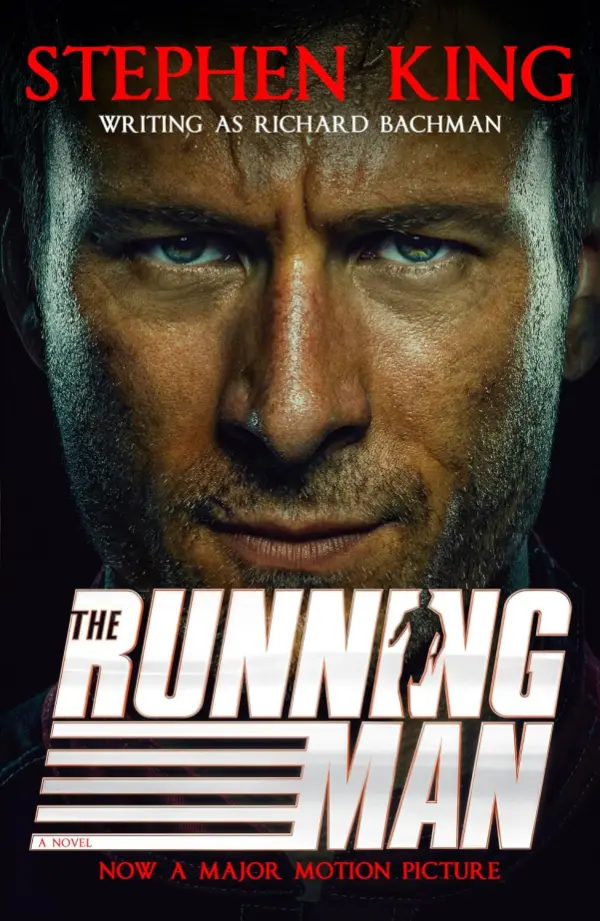
The Running Man
Stephen King & Richard Bachman
Average Goodreads rating4.3
- Dystopian Society
- Survival and Resilience

We independently select and recommend books. Purchases made through our links may earn us a commission, at no extra cost to you. Prices and availability are set by each retailer.
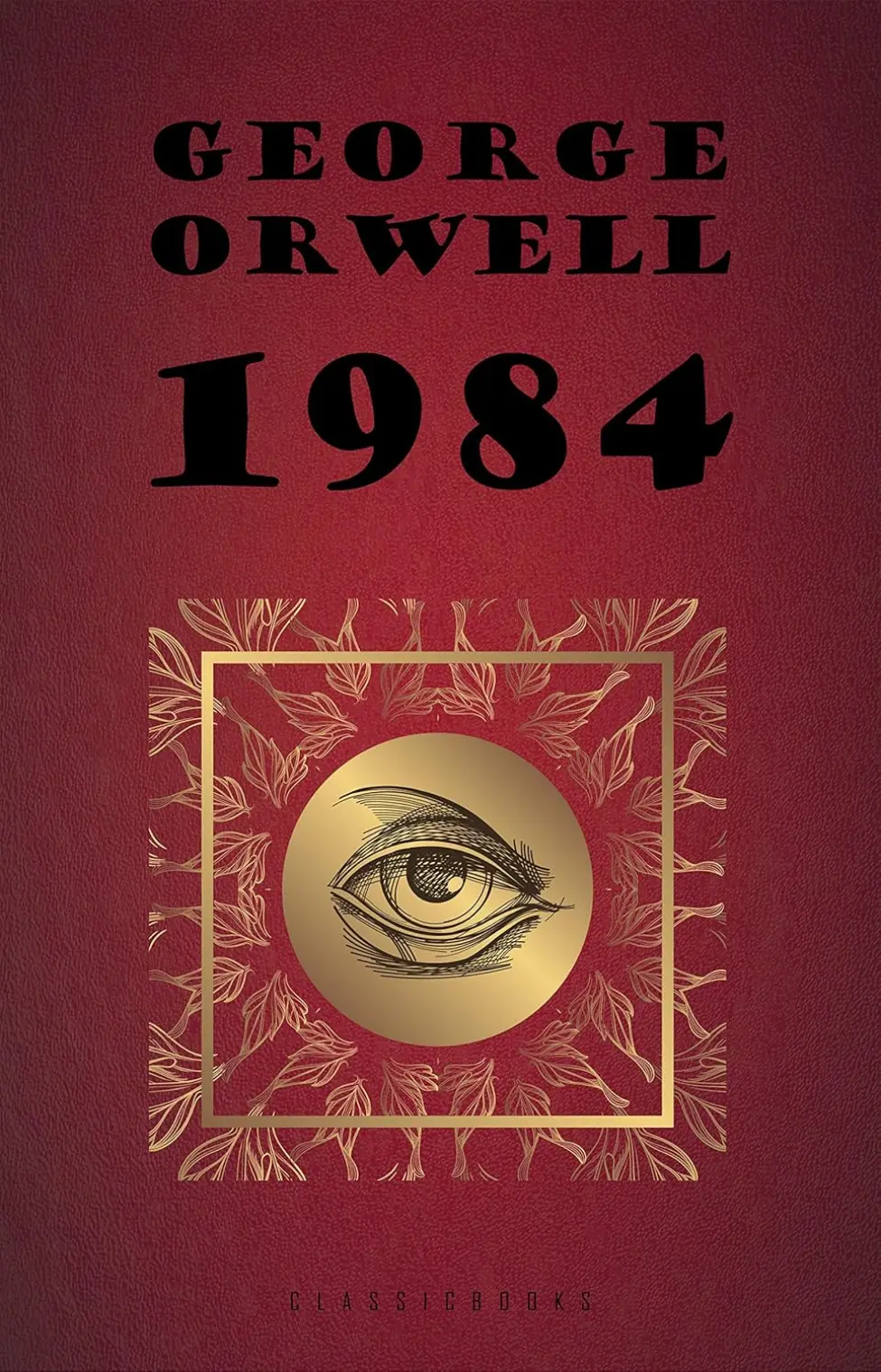
1984 by George Orwell is a dystopian classic depicting a total surveillance state where truth is controlled, language is weaponised, and freedom is a crime.
1984 by George Orwell is a foundational work of dystopian Science Fiction that presents one of the most chilling visions of authoritarian control ever written. Published in 1949, the novel imagines a future where individuality is erased, truth is manufactured, and power is maintained through constant surveillance and psychological manipulation.
Set in the totalitarian superstate of Oceania, the story follows Winston Smith, a minor government employee working at the Ministry of Truth. His job is to alter historical records so that the Party is never wrong. Through Winston’s quiet acts of defiance, Orwell exposes how authoritarian systems sustain themselves not merely through force, but by controlling information, language, and memory.
Central to the novel is the concept of perpetual surveillance. Citizens are monitored at all times by telescreens and informants, creating a culture where even private thought becomes dangerous. The omnipresent figure of Big Brother symbolizes authority that is both personal and unreachable, fostering obedience through fear rather than visibility. Orwell’s portrayal of the surveillance state remains strikingly relevant in an age of digital monitoring and data collection.
Language functions as one of the regime’s most effective weapons. Through the invention of Newspeak, the Party systematically reduces vocabulary to limit the range of thought itself. Orwell’s insight is clear: if people lack the words to articulate dissent, rebellion becomes impossible. This theme of control through language underscores the novel’s warning that freedom depends on the ability to name reality.
The Party’s manipulation of truth is absolute. Contradictions are accepted through “doublethink,” the act of holding two opposing beliefs simultaneously. Objective reality ceases to exist, replaced by whatever the Party declares to be true. Orwell presents this erosion of truth as the ultimate form of domination, where resistance collapses because reality itself is unstable.
Psychological control replaces physical violence as the regime’s most powerful tool. Loyalty is extracted through fear, isolation, and emotional deprivation. Love, friendship, and trust are treated as threats to authority. Winston’s struggle is not heroic in a traditional sense; it is fragile, internal, and ultimately tragic. His story emphasizes how totalitarianism destroys not only bodies, but identities.
Orwell’s prose is stark and precise, mirroring the bleakness of the world he depicts. The restraint of his style intensifies the horror, allowing the implications of the system to speak for themselves without exaggeration.
1984 is ideal for readers interested in Science Fiction, political literature, and social critique. Grim, unsettling, and profoundly influential, the novel serves as both a warning and a mirror - challenging readers to recognize how easily truth can be reshaped when power goes unquestioned.
Stephen King & Richard Bachman
Average Goodreads rating4.3

Neal Shusterman
Arc of a Scythe, book 1
Average Goodreads rating4.5
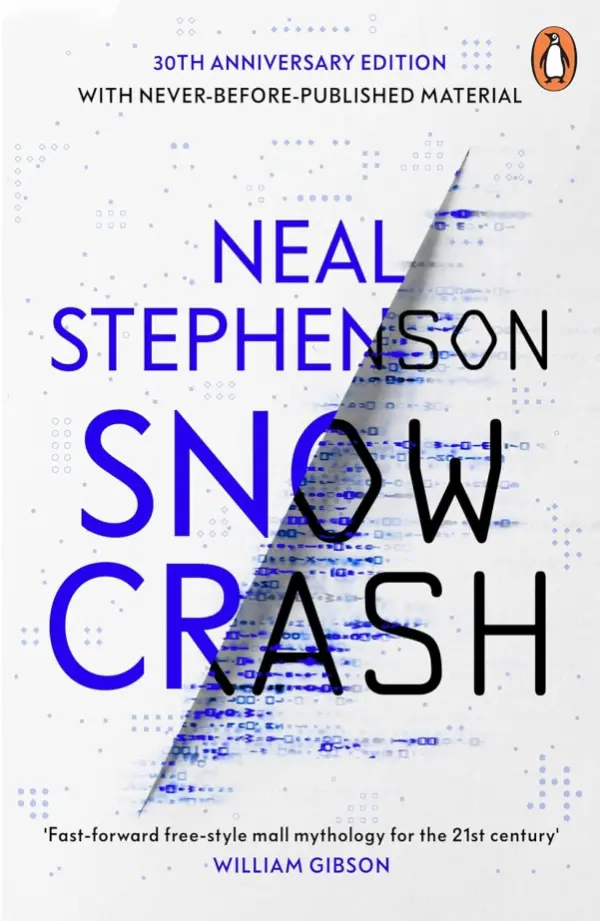
Neal Stephenson
Average Goodreads rating4.2
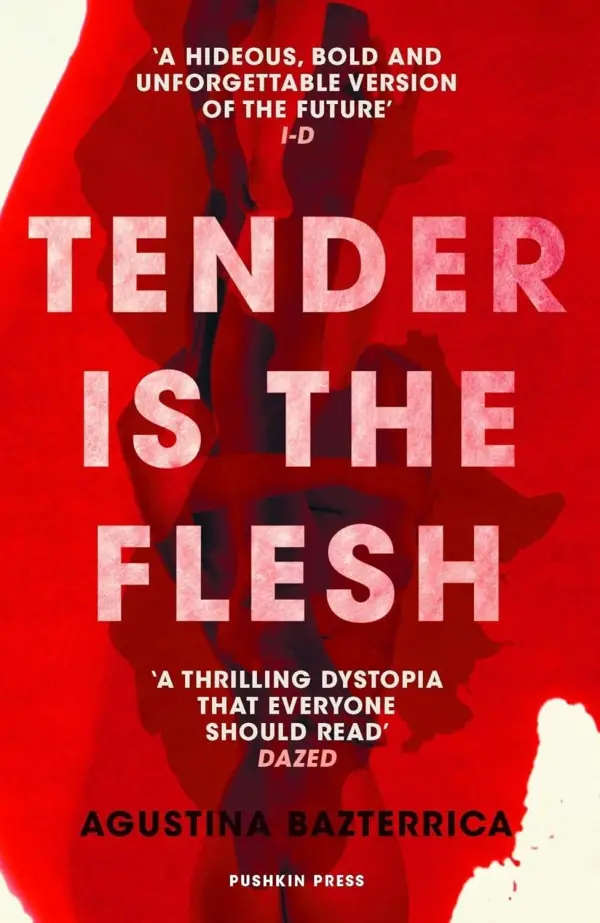
Agustina Bazterrica
Average Goodreads rating4.0
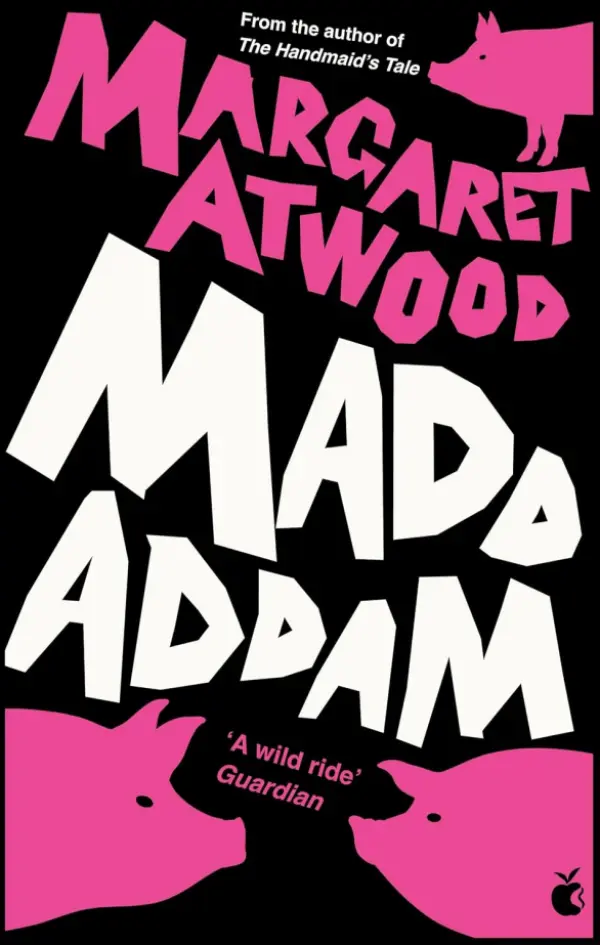
Margaret Atwood
The MaddAddam Trilogy, book 3
Average Goodreads rating4.5

Emily St. John Mandel
Average Goodreads rating4.1
Still Looking?
Further down our similarity list, but still sharing tropes and genres with this book.
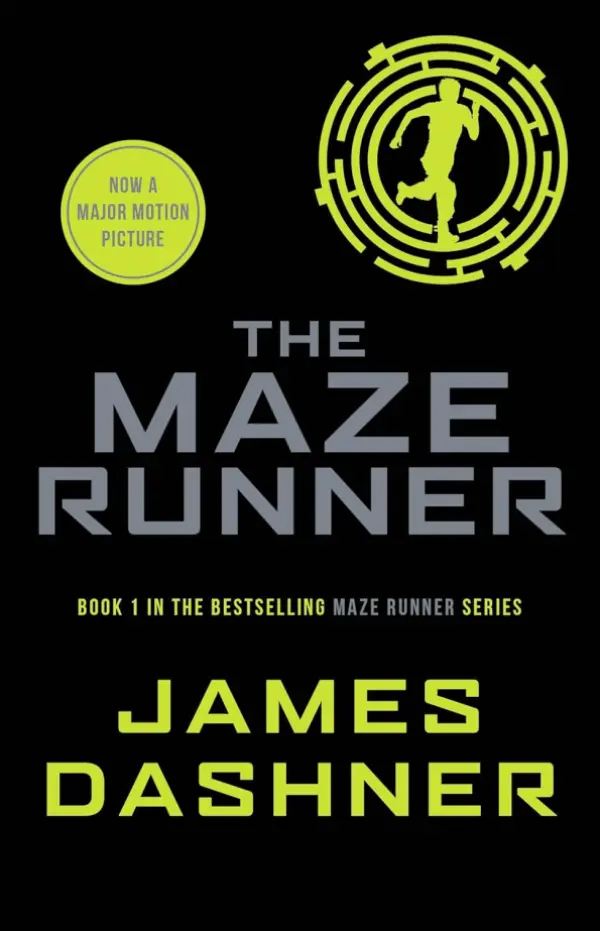
James Dashner
The Maze Runner, book 1
Average Goodreads rating4.5
Buy from Amazon (opens Amazon in a new tab)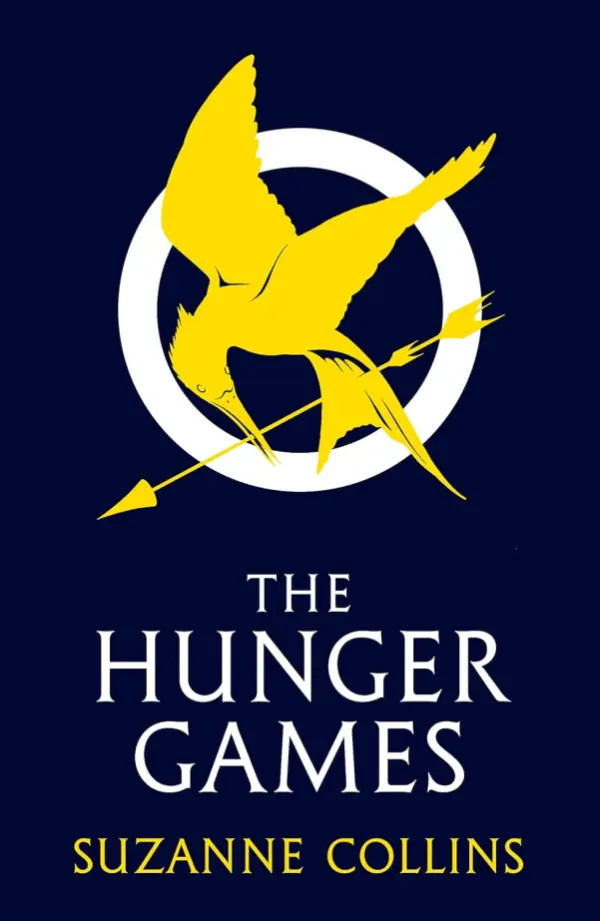
Suzanne Collins
Hunger Games, book 1
Average Goodreads rating4.7
Buy from Amazon (opens Amazon in a new tab)
Blake Crouch
The Wayward Pines Trilogy, book 1
Average Goodreads rating4.1
Buy from Amazon (opens Amazon in a new tab)George Orwell was a British author and journalist known for dystopian fiction and political satire, exploring totalitarianism, propaganda, and individual freedom.
Books, series and tropes by George Orwell
From oppressive regimes to survival games and broken futures, these dystopian books and series explore power, rebellion, and control - and why readers can’t stop searching for stories that hit uncomfortably close to home.
Occasional emails with new recommendations, series news and trope round-ups.