
A Court of Mist and Fury
Sarah J. Maas
A Court of Thorns and Roses (ACOTAR), book 2
Average Goodreads rating4.8

· Updated
Because the slow burn is the point, and you know it. The best enemies-to-lovers books - from faerie courts to war colleges, workplaces to regency ballrooms.
There is something deeply, specifically satisfying about watching two people who cannot stand each other slowly, agonisingly, inevitably fall in love. Not despite the tension between them - because of it. The enemies-to-lovers trope is the most searched, most discussed, most reader-obsessed dynamic in fiction right now, and it has been for a reason that goes deeper than trend. It taps into something true about desire: that the people who get under your skin, who see through your armour, who push back when everyone else steps aside - those are the ones who matter.
The best examples of this trope are not just romances with an obstacle. They are stories about two people being forced to truly see each other - often while simultaneously trying to destroy one another - and finding, somewhere in that wreckage, something they cannot walk away from. Whether it happens in a faerie court or a war college, a regency drawing room or a rain-soaked office building, the emotional architecture is the same: antagonism as foreplay, tension as intimacy, and a payoff that hits harder for every page of waiting.
The tension is romantic in itself - every loaded argument, every too-long stare, every deliberately cutting remark carries a charge that straightforward attraction simply cannot match
Slow burn is baked in - genuine antagonism cannot collapse overnight without feeling false; readers are guaranteed the wait, and the wait is the point
Both characters are seen - you cannot truly loathe someone you do not pay attention to; enemies-to-lovers relationships are built on a specific, grudging intimacy
The stakes are emotional as well as narrative - being wrong about someone you hated requires vulnerability; the moment of softening costs something, and that cost makes it worth everything
Morally grey characters thrive here - the trope creates space for flawed, complicated, difficult people who would be insufferable in a conventional romance but are magnetic in this one
The payoff is unmatched - no first kiss in fiction hits harder than the one that follows fifty thousand words of resistance; the enemies-to-lovers genre has perfected the art of making readers earn it
It reflects something real - the people who challenge us, frustrate us, see us clearly enough to be genuinely irritating - in fiction as in life, they are rarely easy to forget
This is where it starts. Every enemies-to-lovers story written in the two centuries since owes something to Elizabeth Bennet and Mr Darcy - to the particular combination of pride, prejudice, wit, and wounded dignity that makes their antagonism feel so thoroughly earned and their resolution so deeply satisfying. When Darcy declares, at a crowded party, that Elizabeth is not handsome enough to tempt him, she does not crumble. She laughs. She tells the story at his expense. And she spends the following three hundred pages being exactly the kind of woman who makes a man like Darcy realise, to his considerable horror, that he was catastrophically wrong.
What Austen constructs between them is not simple dislike but a war of self-image: both Elizabeth and Darcy believe themselves to be good judges of character, and both are demonstrably, painfully wrong about each other in ways that reveal their own flaws. The slow burn is structured through misunderstanding and revelation rather than physical proximity, and the emotional payoff - when it finally comes - is one of the most satisfying in all of English literature. With nearly five million ratings placing it among the most beloved books ever written, Pride and Prejudice is not a historical curiosity. It is the template.
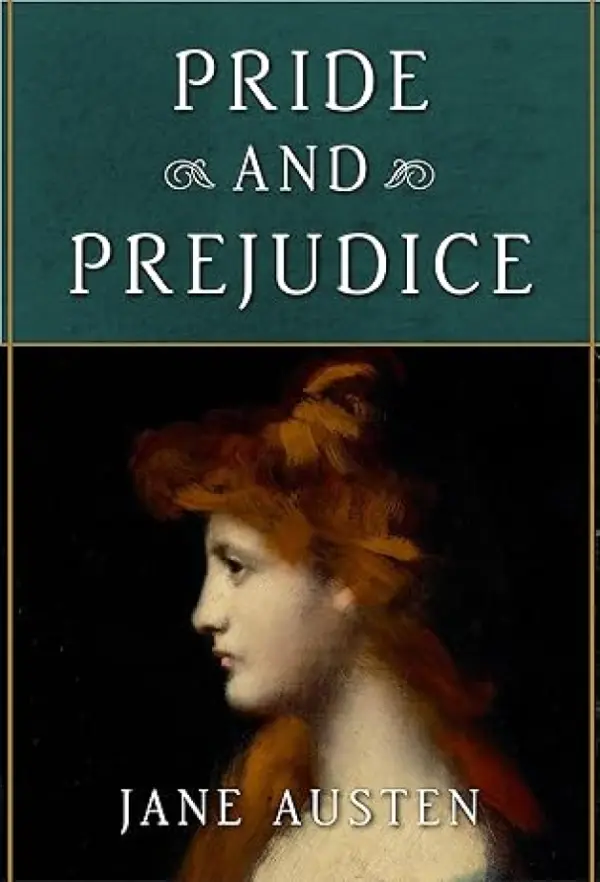
by Jane Austen
Pride & Prejudice by Jane Austen is a witty and enduring Regency romance following Elizabeth Bennet and the infuriating Mr Darcy. A masterclass in slow-burn tension, sharp dialogue, and class-conscious courtship.
If Pride and Prejudice is the blueprint, The Cruel Prince is the genre's most-shelved modern evolution - the book that established much of the DNA of contemporary enemies-to-lovers fantasy, and the one readers return to most often when looking for a morally grey male lead done with genuine craft. Jude Duarte is a mortal girl raised in the faerie world after tragedy dismantled her human life. She is despised for being what she is. Prince Cardan is beautiful, cruel, and the primary architect of her misery at the faerie court - and the relationship that develops between them across Holly Black's Folk of the Air trilogy is one of the most genuinely enemies-to-lovers constructions in the genre: slow, layered, built on two characters who are more alike than either wants to admit.
The political intrigue of the faerie courts runs beneath every interaction, and Jude herself is no passive protagonist - she schemes, she calculates, she makes morally complicated decisions that the reader cannot always endorse but always understands. With nearly two million ratings across the series, this is the slow burn that readers who finished it immediately want to press into the hands of everyone they know. Three books, tightly plotted, deeply satisfying, and an ending that rewards the investment completely.
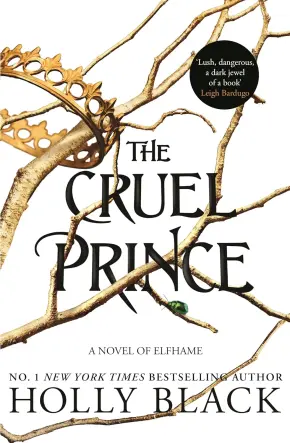
by Holly Black
The Folk of the Air (Book 1)
The Cruel Prince by Holly Black is a dark fantasy where a mortal girl navigates deadly faerie courts, political intrigue, and dangerous rivalries in a world ruled by cruelty.
The second book in the ACOTAR series is where the enemies-to-lovers engine fires for most readers - and it fires with considerable force. If you have not read A Court of Thorns and Roses, that is your starting point; but it is in A Court of Mist and Fury that Sarah J. Maas delivers the antagonistic dynamic that made the series the cultural phenomenon it became. Feyre Archeron, broken and changed by the events of the first book, finds herself in circumstances that throw her into close proximity with Rhysand, High Lord of the Night Court - a figure she has every reason to distrust, and whom the series has carefully constructed as dangerous, manipulative, and utterly magnetic.
What Maas achieves here is a slow burn built across two entire books rather than one, which means that by the time the emotional resolution arrives it has the weight of an enormous amount of earned tension behind it. The found family that assembles around Feyre in Velaris is one of the most beloved in the genre. The morally grey characters - Rhysand in particular - are written with enough complexity that the reader's position shifts repeatedly across the series. With well over four million ratings, the ACOTAR series is the genre's most visible landmark, and this is the instalment that most readers point to as the reason why.
A Court of Thorns and Roses (ACOTAR) (Book 2)
A Court of Mist and Fury by Sarah J. Maas is the second ACOTAR novel, featuring political intrigue, found family, slow-burn romance, and Feyre’s transformation in Prythian.
Carissa Broadbent's series is the one that most consistently comes up when readers who loved Fourth Wing or ACOTAR ask what to read next - and it delivers the enemies-to-lovers dynamic with a distinctly dark, atmospheric intensity that sets it apart from its contemporaries. Oraya is a human girl raised by the vampire king of the Nightborn in a world where humanity is prey. When she enters the Kejari, a brutal once-in-a-century tournament where competitors fight to the death for a wish from the gods, her only viable strategy is to form an alliance with Raihn - a vampire she has every reason to hate and no reason to trust.
What Broadbent does with remarkable skill is make the antagonism functional rather than performative: Oraya and Raihn's mistrust is rooted in genuine, reasonable grounds, and every step toward something else costs them both something real. The deadly trials setting will feel immediately familiar to Fourth Wing readers, the morally grey characters are genuinely grey rather than conveniently redeemable, and the slow burn is constructed with exceptional patience. Nearly 800,000 ratings and a devoted following that treats this series with the same fervour ACOTAR readers bring to theirs. Start here if you want true enemies who take their time becoming anything else.
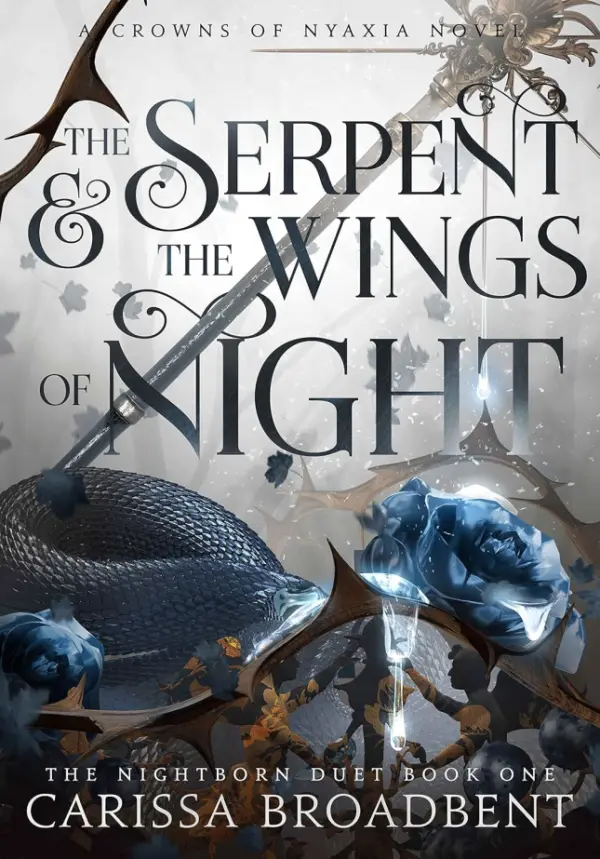
Crowns of Nyaxia (Book 1)
The Serpent and the Wings of Night by Carissa Broadbent is a dark romantasy of deadly trials, vampiric courts, and slow-burn love where survival demands sacrifice.
For readers who want their enemies-to-lovers stripped of magic and set in the ruthless mundanity of a shared office, The Hating Game is the genre standard. Lucy and Joshua share an executive assistant desk at a publishing house following a company merger, and they hate each other with a specificity and creativity that only proximity can manufacture. They have a list of games - the staring game, the copying game, the lying game - and beneath the games is a dynamic that anyone who has ever been professionally obsessed with someone they cannot stand will recognise with a flinch.
Sally Thorne's contemporary romance does exactly what the best enemies-to-lovers books do: it makes the antagonism feel like a language that only these two people speak, and it makes the slow collapse of that antagonism feel earned rather than convenient. The forced proximity here is structural - they are, literally, facing each other every day, with no exit - and the slow burn is built through banter sharp enough to draw blood. With over 840,000 ratings, this is the book that readers recommend when someone says they want the trope without dragons. A standalone, quick to read, and deeply satisfying.
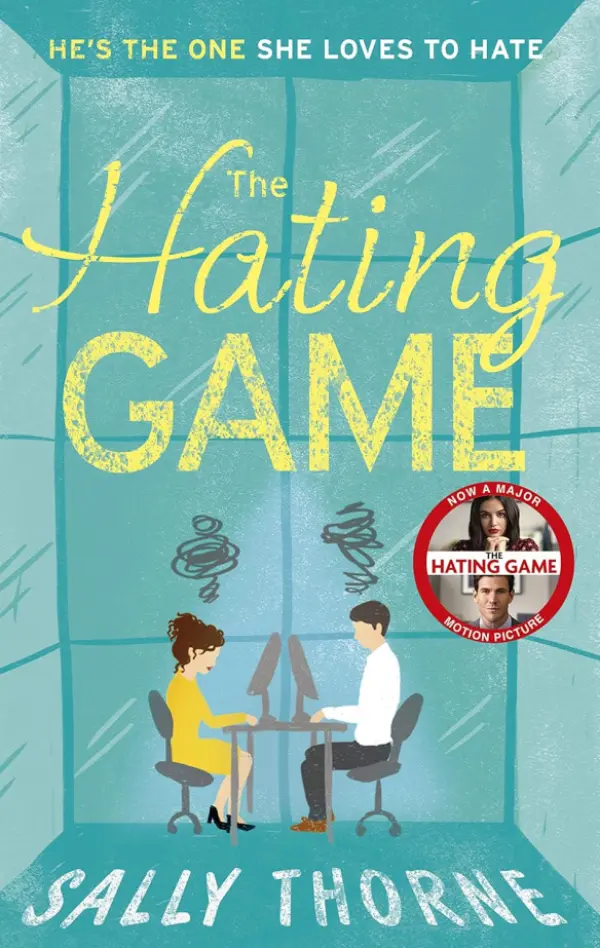
by Sally Thorne
The Hating Game by Sally Thorne follows Lucy Hutton and Joshua Templeman, executive assistants who despise each other - until a job promotion forces them to confront feelings that aren't hate at all. A sparkling enemies-to-lovers workplace romance classic.
A witch hiding in a city that hunts witches. A witch hunter who must, by law, kill her - and who has just accidentally married her instead. Shelby Mahurin's debut constructs its forced proximity with a structural elegance that most enemies-to-lovers books can only approximate: Lou and Reid are not simply thrown together by circumstance; they are legally bound to each other in a situation that neither of them has any way out of, in a world where discovery means death for one of them.
The dynamic between Lou - irreverent, chaotic, brilliant - and Reid - rigid, principled, slowly unravelling - is the kind of pairing that makes the slow burn feel genuinely earned because both characters have so much distance to travel before they can arrive anywhere near each other. The morally grey characters deepen significantly as the trilogy progresses, and the world-building has a richness that rewards investment across all three books. Nearly 350,000 ratings and a fanbase that treats it as an underrated jewel of the genre. The enemies here are genuinely enemies, and the lovers are a long time coming.
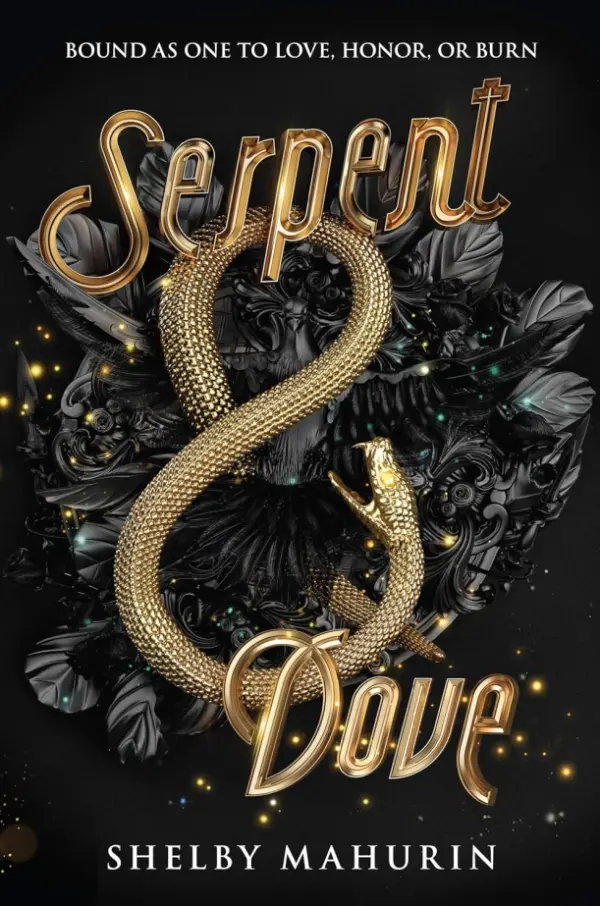
Serpent & Dove (Book 1)
Serpent & Dove by Shelby Mahurin follows witch Lou and devout witch-hunter Reid forced into marriage after a magical accident. This 2019 YA fantasy delivers enemies-to-lovers tension, found family, blood magic, and BookTok-beloved French-inspired romance.
Armentrout's series sits at the intersection of enemies-to-lovers and forbidden romance in a way that makes both dynamics reinforce each other rather than compete. Poppy is the Maiden - a sacred, untouchable figure whose entire existence is defined by restrictions she never chose, including a strict prohibition on being known, seen, or loved. Hawke is her guard: amber-eyed, dangerously charming, possessed of a smile that makes the rules feel increasingly abstract.
What Armentrout builds across the Blood and Ash series - now running to seven books - is an enemies-to-lovers arc that operates in slow motion, where every stolen interaction and loaded silence carries the weight of stakes that are genuinely life-threatening for both of them. The political intrigue that runs beneath the romance deepens considerably as the series progresses, the morally grey characters include both leads in ways that evolve across thousands of pages, and the found family that assembles around the central relationship is among the most emotionally satisfying in the genre. With nearly 900,000 ratings on the first book alone, this is a series readers start and then cannot discuss without gesturing helplessly at the number of books they subsequently read.
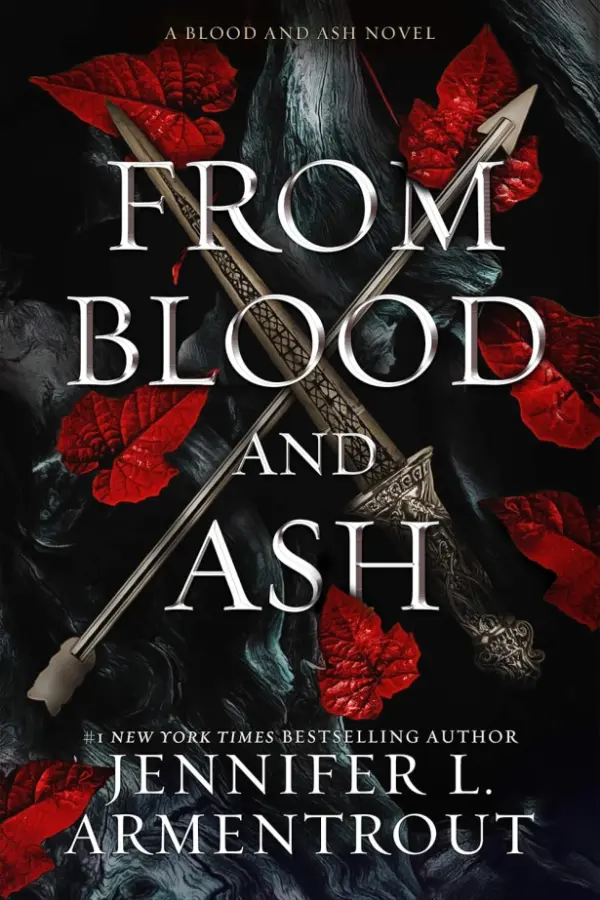
Blood And Ash (Book 1)
From Blood and Ash by Jennifer L. Armentrout is a fantasy romance of prophecy and power, where a sheltered chosen one uncovers dangerous truths—and an even more dangerous love.
Rebecca Ross's Divine Rivals takes the enemies-to-lovers dynamic and runs it through a backdrop of warring gods, frontline journalism, and letters sent through a magical wardrobe - and the result is one of the most emotionally affecting books in the genre. Iris Winnow and Roman Kitt are rival columnists at the same newspaper, competing for the same promotion, unable to stand each other in person. They are also, anonymously, writing each other letters that begin as the most honest communication either of them has ever managed.
The dramatic irony of two people falling in love through writing while despising each other in the workplace is deployed with considerable skill, and Ross makes the slow burn feel genuinely slow - not in the sense of laborious, but in the sense of careful, layered, worth every page of the build. The political intrigue of a world where the gods are at war and mortals are caught in the middle gives the romance stakes beyond the personal. With over 400,000 ratings and a sequel that expands everything the first book built, Divine Rivals is the enemies-to-lovers book for readers who want their heart broken elegantly.
Ciccarelli's Crimson Moth (a.k.a. Heartless Hunter) opens the Crimson Moth duology with one of the most structurally clean versions of the trope in recent fantasy: a witch hunter and a witch, from families at war for generations, who find themselves in each other's orbit in ways that neither of them can safely disentangle. Gideon Sharpe is hunting the Crimson Moth - the most wanted witch in the kingdom. Rook is the woman he dances with at a party who seems to know more about the Moth than anyone should. The dramatic irony is established early and maintained beautifully.
What distinguishes Heartless Hunter is the quality of the antagonism: it is rooted in genuine ideological conflict rather than misunderstanding, which means the slow burn between Gideon and Rook is not simply a countdown to revelation but a genuine negotiation between two people whose worldviews are in fundamental opposition. The morally grey characters here are constructed with the kind of care that makes every scene feel consequential, and the forbidden romance dimension adds a layer of genuine danger to every interaction. With over 420,000 ratings, this is the enemies-to-lovers duology that most readers feel has not yet received the attention it deserves.

The Crimson Moth (Book 1)
The Crimson Moth by Kristen Ciccarelli is a dark fantasy romance of magic, secrecy, and rebellion, where a deadly hunter and a hidden witch are bound by fate.
Thea Guanzon's debut fantasy pulls off something impressive: an enemies-to-lovers dynamic rooted in genuine, large-scale war between two peoples, where the antagonism between the leads is not personal grievance but ideological and political conflict that has cost both of them things they cannot recover. Talasyn is a soldier of the Allfold, a wielder of light magic on the losing side of a brutal war. Alaric Oshaer is the Night Emperor - the enemy. When a ceasefire demands an alliance between them, the premise becomes a study in how forced proximity works when the people involved have spent their entire adult lives on opposite sides of something that has defined them.
What The Hurricane Wars captures that many enemies-to-lovers books miss is the genuine difficulty of softening toward someone when doing so feels like a betrayal of everything you have fought for. The slow burn here is not just romantic resistance but moral resistance, and Guanzon gives both her leads enough interiority that the resistance feels earned. With political intrigue running through every chapter and a world that rewards exploration, this is the enemies-to-lovers fantasy for readers who want the tension to have real geopolitical stakes.
The book that turned enemies-to-lovers into the defining conversation of the current literary moment belongs on this list not just for cultural reasons but because Yarros executes the trope with exceptional precision. Violet Sorrengail arrives at Basgiath War College as an underdog with a target on her back - and Xaden Riorson, the most feared wingleader at the college and the son of a man her mother executed, is among the people with the most reason to want her to fail. What develops between them is not a romance that softens the danger but one that exists alongside it, where the attraction is always complicated by genuine threat.
The slow burn is patient and purposeful, the morally grey characters include both leads in ways that make the central dynamic feel adult and complex, and the found family forged at Basgiath is as compelling as the romance. With millions of readers and a series still in progress, Fourth Wing is the book that has brought more readers to the enemies-to-lovers genre than anything in recent years. If you have read it, you already understand why it belongs here. If you have not - this list has just given you a reason to start.

The Empyrean (Book 1)
Fourth Wing by Rebecca Yarros is a high-stakes fantasy where dragon riders are forged through brutal trials, deadly competition, and forbidden attraction at an elite military academy.
Every book on this list is built on the same foundation: two people who begin in opposition and end up somewhere they never expected, changed by each other in ways neither could have predicted. If the enemies to lovers trope is what you are here for, Trope Trove has dedicated pages for the related dynamics that appear across these books - slow-burn romance, forced proximity, morally grey characters, forbidden romance, and political intrigue - with further recommendations built around each one.
The next book that ruins you is waiting.
Sarah J. Maas
A Court of Thorns and Roses (ACOTAR), book 2
Average Goodreads rating4.8
Carissa Broadbent
Crowns of Nyaxia, book 1
Average Goodreads rating4.5
Sally Thorne
Average Goodreads rating4.4
Shelby Mahurin
Serpent & Dove, book 1
Average Goodreads rating4.3
Jennifer L. Armentrout
Blood And Ash, book 1
Average Goodreads rating4.6
Kristen Ciccarelli
The Crimson Moth, book 1
Average Goodreads rating4.3
Rebecca Yarros
The Empyrean, book 1
Average Goodreads rating4.8
Jane Austen
Average Goodreads rating4.3
Occasional emails with new recommendations, series news and trope round-ups.