
Catching Fire
Suzanne Collins
Hunger Games, book 2
Average Goodreads rating4.7

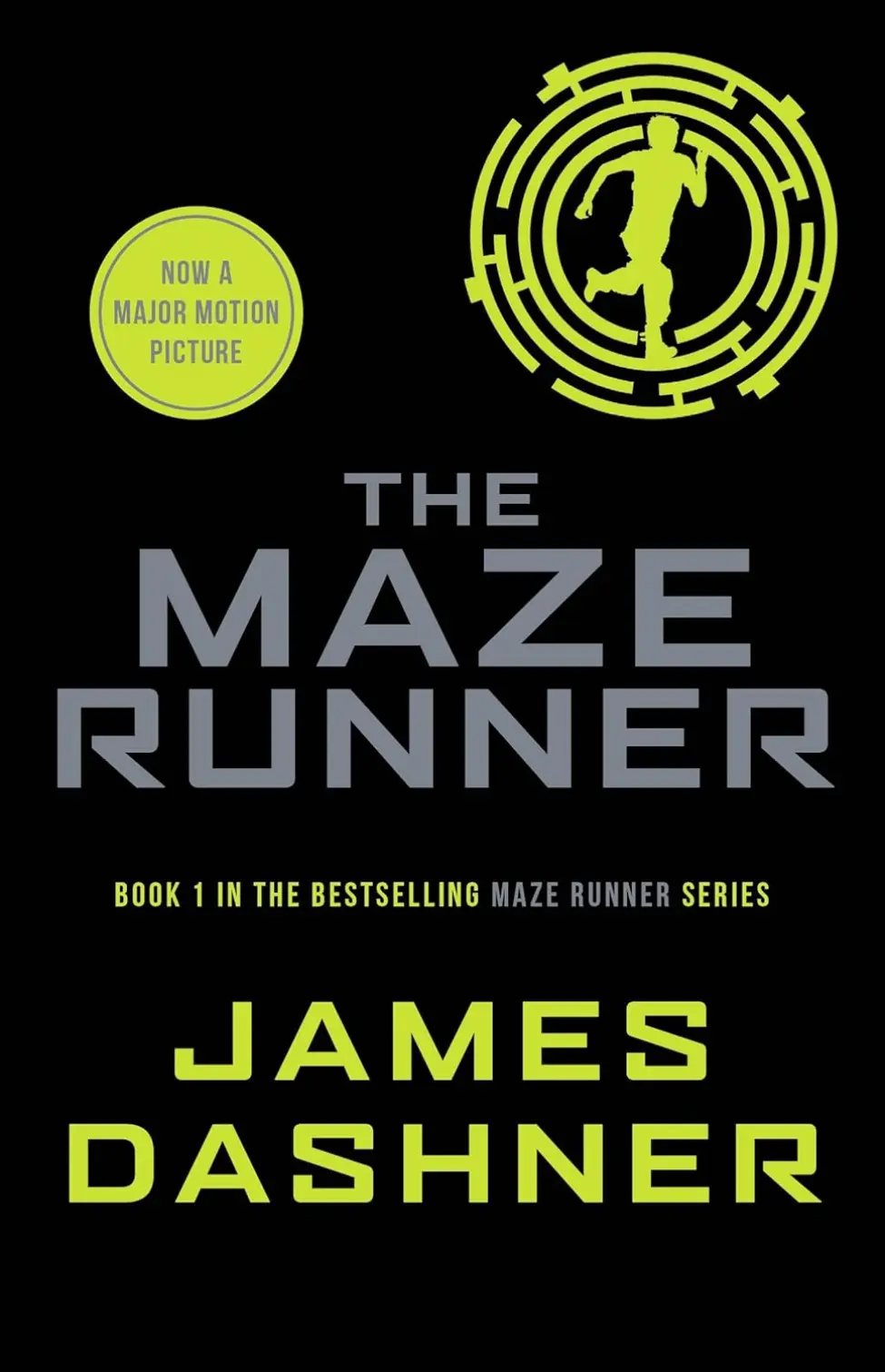
Book 1 in The Maze Runner
We independently select and recommend books. Purchases made through our links may earn us a commission, at no extra cost to you. Prices and availability are set by each retailer.
The Maze Runner by James Dashner is a dystopian survival novel where memoryless teens must escape a deadly maze controlled by unseen forces.
Tagged on the series as a whole, so not every book will feature each one.
The Maze Runner by James Dashner is the opening novel in The Maze Runner series, a high-intensity work of dystopian Science Fiction that plunges readers into a world of confusion, confinement, and survival. From its first page, the novel establishes relentless tension by denying both characters and readers crucial information, creating an atmosphere of urgency and fear.
The story begins when Thomas awakens in a metal elevator with no memory of his past, emerging into the Glade - a self-contained settlement surrounded by an enormous, ever-shifting maze. The inhabitants are teenage boys who, like Thomas, have lost their memories. Cut off from the outside world, they have formed a fragile society built on routine, cooperation, and strict rules designed to keep them alive.
Central to the novel is the theme of identity without memory. Deprived of their histories, the boys must define themselves through action, loyalty, and leadership rather than personal pasts. Thomas’s arrival disrupts the established order, forcing the group to confront uncomfortable questions about safety, stagnation, and risk. Survival demands obedience - but escape demands defiance.
The maze itself functions as both setting and antagonist. It is a carefully engineered environment designed to provoke fear, competition, and desperation. Night brings mechanical monsters known as Grievers, reinforcing the idea that danger is constant and controlled. Dashner uses the maze to explore control through environment, showing how systems can manipulate behavior without overt authority.
As Thomas begins to uncover patterns within the maze, the novel introduces the idea of human experimentation. The Glade is not a natural prison, but a deliberate construct. Pain, loss, and fear are revealed to be data points, raising ethical questions about whether suffering can ever be justified by the promise of a greater good. Dashner resists easy answers, presenting experimentation as morally fraught rather than purely villainous.
Community plays a vital role in the narrative. The boys’ survival depends on cooperation, but trust is fragile and leadership contested. Found community under pressure becomes both a strength and a liability, as alliances shift and fear breeds conflict. Dashner highlights how scarcity and uncertainty strain social bonds, forcing characters to balance self-preservation with collective survival.
The prose is fast-paced and direct, driven by short chapters and frequent cliffhangers. Dashner’s limited point of view keeps readers aligned with Thomas’s confusion, ensuring that revelations land with maximum impact. Action is immediate and visceral, reinforcing the sense that hesitation can be fatal.
The Maze Runner is ideal for readers who enjoy Science Fiction that blends dystopian mystery with survival tension and ethical ambiguity. Gripping and unsettling, the novel sets the foundation for a series that questions how far humanity is willing to go in the name of progress - and what is lost when choice, memory, and compassion are treated as expendable.
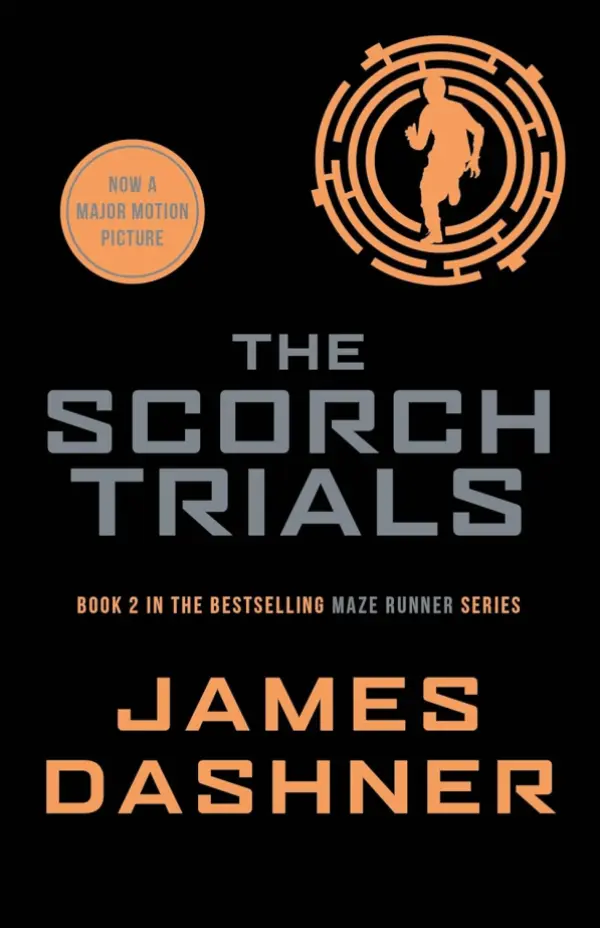
Suzanne Collins
Hunger Games, book 2
Average Goodreads rating4.7

Blake Crouch
The Wayward Pines Trilogy, book 1
Average Goodreads rating4.1

Neal Shusterman
Arc of a Scythe, book 1
Average Goodreads rating4.5
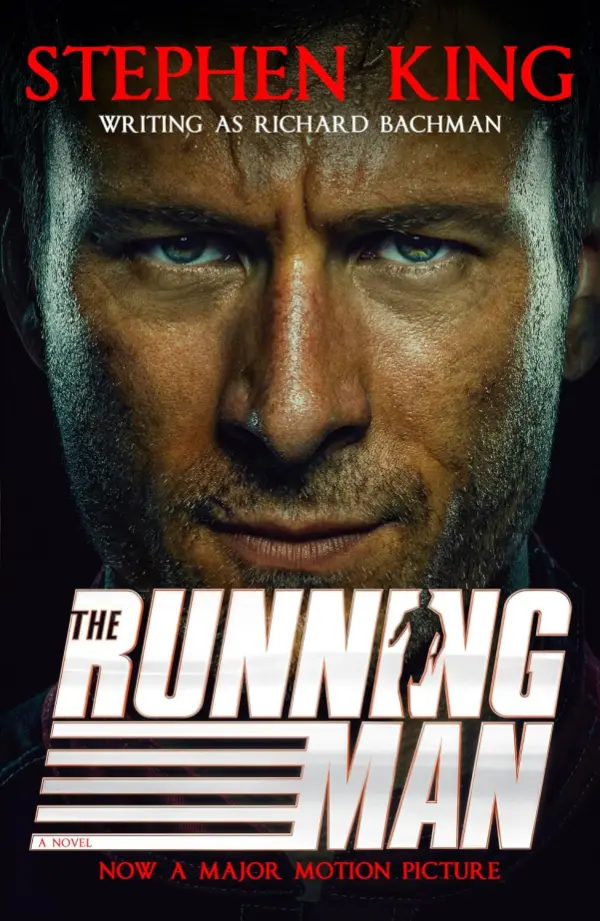
Richard Bachman & Stephen King
Average Goodreads rating4.3

Brandon Sanderson
Skyward, book 1
Average Goodreads rating4.6

Emily St. John Mandel
Average Goodreads rating4.2
Still Looking?
Further down our similarity list, but still sharing tropes and genres with this book.
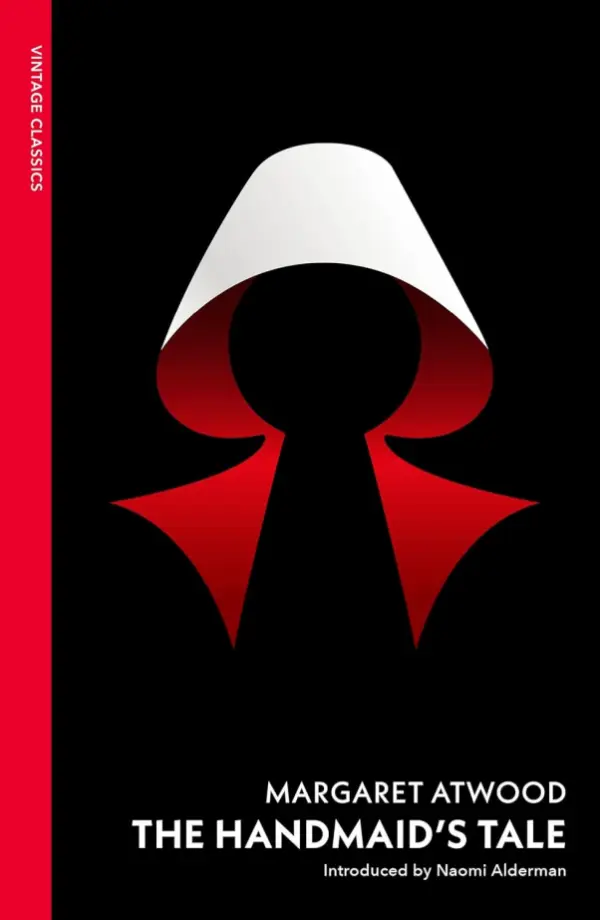
Margaret Atwood
The Handmaid's Tale, book 1
Average Goodreads rating4.4
Buy from Amazon (opens Amazon in a new tab)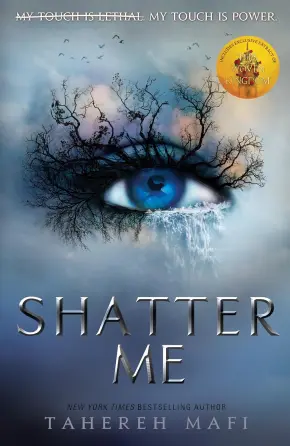
Tahereh Mafi
Shatter Me, book 1
Average Goodreads rating4.2
Buy from Amazon (opens Amazon in a new tab)
Jay Kristoff
LIFEL1K3, book 1
Average Goodreads rating4.3
Buy from Amazon (opens Amazon in a new tab)James Dashner is a bestselling author of dystopian science fiction, best known for The Maze Runner, exploring survival, memory loss, and control in hostile worlds.
Books, series and tropes by James Dashner
Discover 12 heart-pounding books featuring deadly games and brutal trials where characters must fight, outwit, and survive against impossible odds. Perfect for fans of high-stakes tension and moral dilemmas.

From oppressive regimes to survival games and broken futures, these dystopian books and series explore power, rebellion, and control - and why readers can’t stop searching for stories that hit uncomfortably close to home.
The Maze Runner
Buy from Amazon (opens Amazon in a new tab)Occasional emails with new recommendations, series news and trope round-ups.