
Scythe
Neal Shusterman
Arc of a Scythe, book 1
Average Goodreads rating4.5

Book series · 3 books
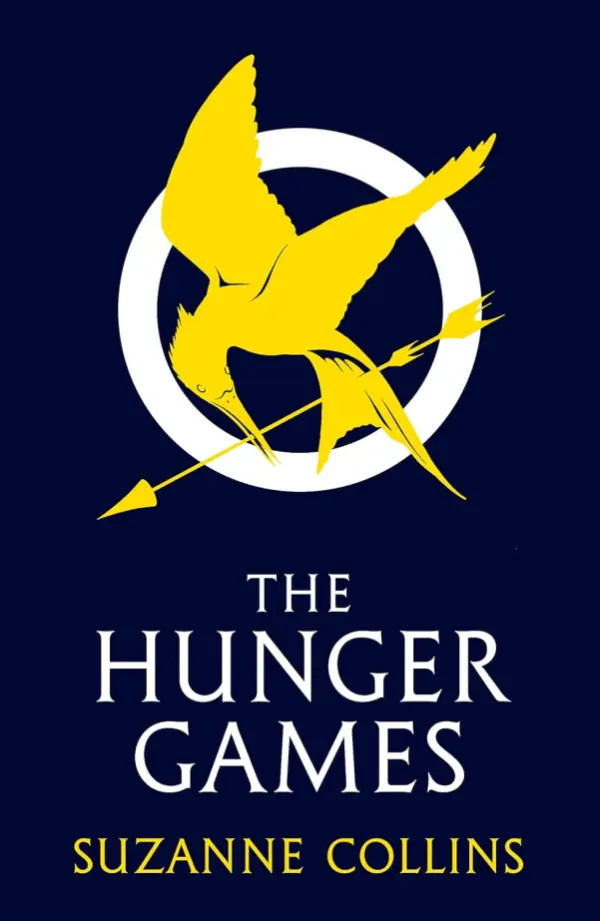
The Hunger Games by Suzanne Collins follows Katniss Everdeen forced to compete in televised death matches in dystopian Panem. This groundbreaking YA trilogy explores war, propaganda, trauma, and rebellion through brutal games designed to control the oppressed.
Start the series here · book 1
The Hunger Games by Suzanne Collins is a dystopian survival novel where televised violence, propaganda, and power collide as one girl fights to stay alive.
464 pages
Retailer links may earn Trope Trove a commission, at no extra cost to you.
Start here 464 pages Goodreads rating4.7
480 pages Goodreads rating4.7
464 pages Goodreads rating4.6
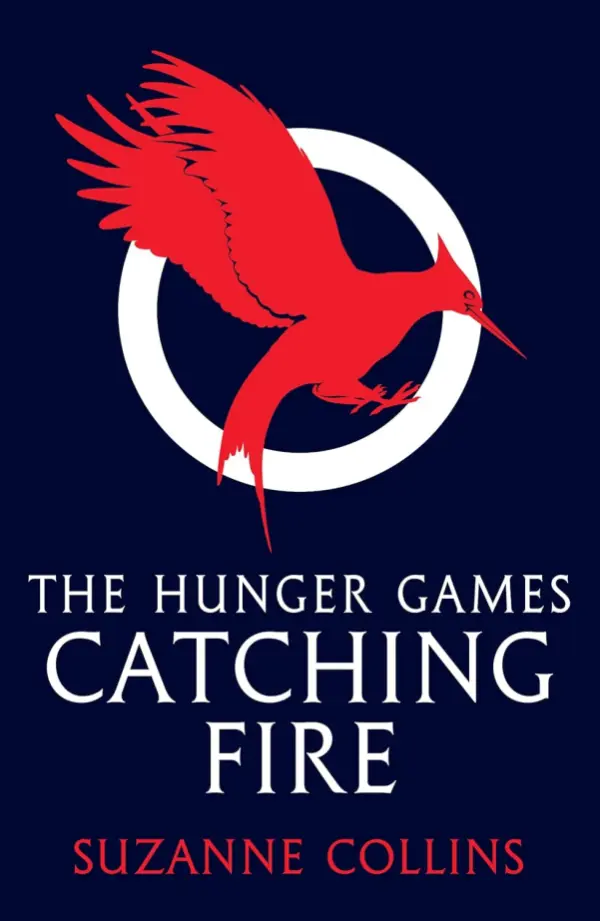
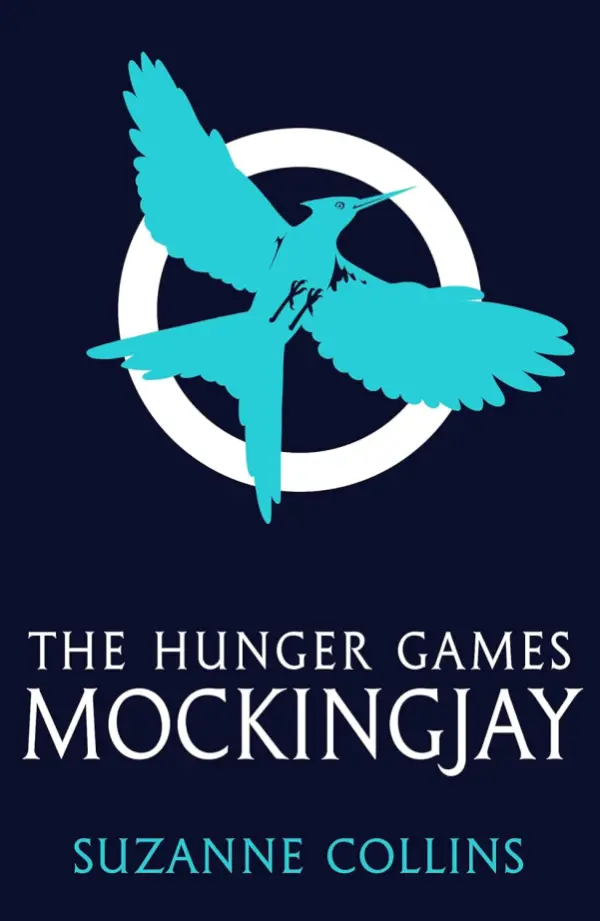
The Hunger Games is Suzanne Collins's landmark YA dystopian trilogy that became a cultural phenomenon, redefining the genre and sparking countless imitators. Set in post-apocalyptic Panem - a nation divided into the wealthy Capitol and twelve oppressed districts - the series follows Katniss Everdeen as she's thrust into the annual Hunger Games, a televised fight to the death designed to punish districts for past rebellion whilst entertaining the Capitol. What begins as survival story transforms into epic examination of war, propaganda, trauma, and the cost of resistance. The trilogy's unflinching depiction of violence, PTSD, and moral complexity elevated YA literature whilst captivating readers across age groups.
The Hunger Games (2008) introduces sixteen-year-old Katniss, who volunteers for the Games to save her younger sister Prim from certain death. Alongside Peeta Mellark, the male tribute from District 12, Katniss enters the arena where 24 teenagers fight until only one survives. Collins depicts the Games with brutal honesty - alliances formed and broken, children killing children, the spectacle of suffering for Capitol entertainment. Katniss's survival skills, learned through years of illegal hunting, give her advantages, but the emotional and psychological toll proves devastating. The love triangle between Katniss, Peeta, and her hunting partner Gale begins here, though Collins uses it to explore how war corrupts relationships rather than as simple romantic drama.
Catching Fire (2009) reveals that surviving the Games doesn't mean freedom. Katniss and Peeta's defiant act in the first arena - threatening double suicide rather than killing each other - has sparked hope in the districts, threatening the Capitol's control. President Snow forces them into a Quarter Quell, a special Games featuring previous victors, intending to eliminate the symbol of resistance. The sequel expands world-building, reveals the brewing rebellion, and ends with a devastating twist that transforms Katniss from unwilling participant to revolutionary symbol.
Mockingjay (2010) concludes the trilogy with full-scale war between the Capitol and the rebel districts. Katniss becomes the Mockingjay, the face of propaganda for District 13's rebellion, whilst grappling with PTSD, manipulation by both sides, and the realization that her rebel leaders may be no better than those they're fighting. Collins refuses easy answers or clean victories - war is brutal, traumatic, and destroys innocents regardless of which side claims righteousness. The ending is deliberately ambiguous about whether revolution achieved anything beyond replacing one oppressive system with another.
The trilogy is characterized by first-person present-tense narration creating immediacy, brutal violence depicted honestly without glorification, dystopian world-building with Roman influences, reality TV satire and media manipulation, love triangle serving thematic purposes, PTSD and trauma portrayed authentically, and moral complexity - no clear heroes or villains.
Common themes include the spectacle of violence and entertainment, propaganda and media control, war's psychological cost, rebellion's complexity and moral ambiguity, survival versus humanity, the Capitol's exploitation of districts (class warfare), trauma and its lasting effects, and whether revolution simply creates new oppressors.
Collins's prose is spare and direct, matching Katniss's pragmatic survivor mentality. The present tense creates relentless momentum and immediacy, trapping readers in Katniss's perspective as she processes horrors in real time. Collins never softens violence or trauma for her YA audience, trusting readers to handle difficult content.
What distinguished The Hunger Games from previous YA dystopias was its unflinching examination of violence's cost. Collins (daughter of a Vietnam veteran) depicts PTSD authentically - Katniss's nightmares, hypervigilance, and emotional numbness reflect real trauma responses. The series refuses triumphant endings, instead showing how war damages everyone, victors and victims alike.
The trilogy sparked massive cultural impact - blockbuster films, intense fandom, and countless dystopian YA novels following its template. Its exploration of reality TV, propaganda, and spectacle feels increasingly relevant in our media-saturated age.
Suzanne Collins is a bestselling author known for dystopian science fiction that explores power, propaganda, and survival, most famously in The Hunger Games series.
Books, series and tropes by Suzanne Collins
Neal Shusterman
Arc of a Scythe, book 1
Average Goodreads rating4.5

Neal Shusterman
Arc of a Scythe, book 2
Average Goodreads rating4.6

Neal Shusterman
Arc of a Scythe, book 3
Average Goodreads rating4.6
Blake Crouch
The Wayward Pines Trilogy, book 1
Average Goodreads rating4.1
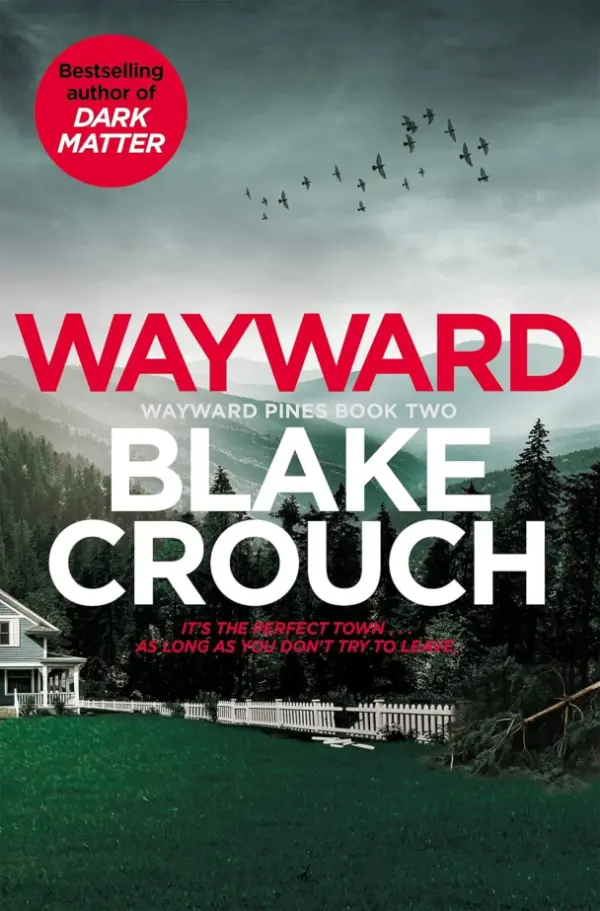
Blake Crouch
The Wayward Pines Trilogy, book 2
Average Goodreads rating4.4
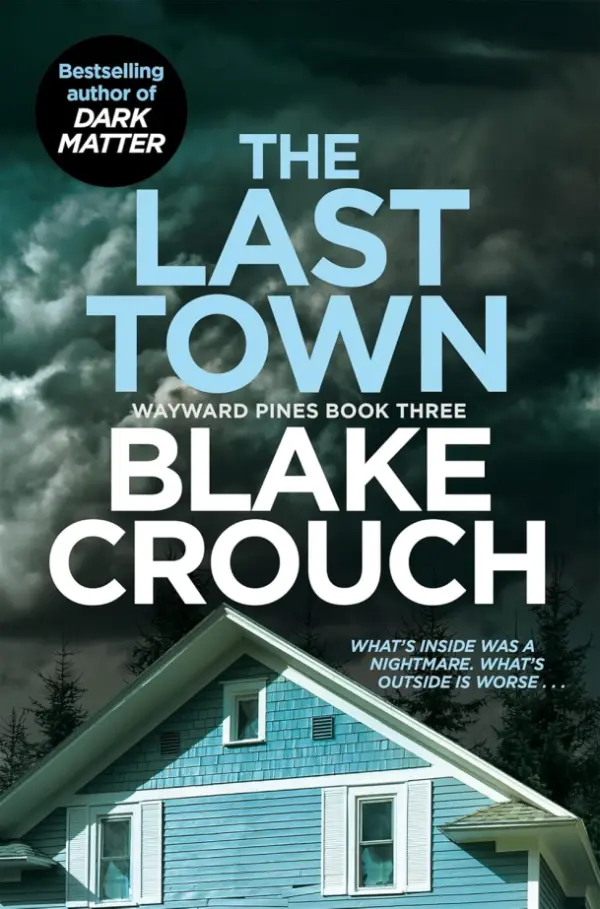
Blake Crouch
The Wayward Pines Trilogy, book 3
Average Goodreads rating4.4
Brandon Sanderson
3 books
Brandon Sanderson
4 books
Pierce Brown
6 books · complete series
James Islington
2 books · complete series
Neal Shusterman
3 books
R. F. Kuang
3 books
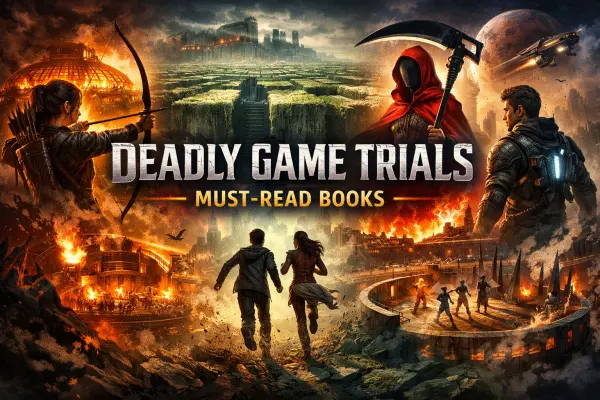
Discover 12 heart-pounding books featuring deadly games and brutal trials where characters must fight, outwit, and survive against impossible odds. Perfect for fans of high-stakes tension and moral dilemmas.
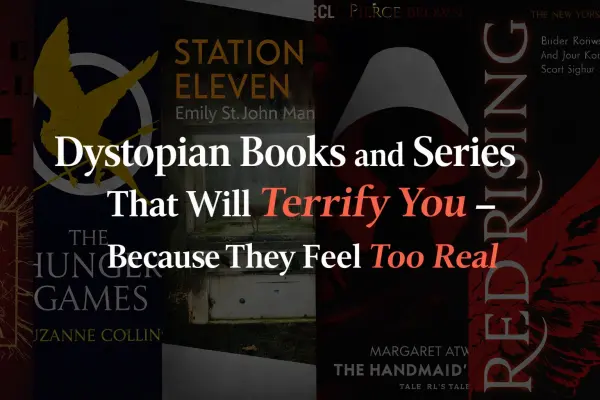
From oppressive regimes to survival games and broken futures, these dystopian books and series explore power, rebellion, and control - and why readers can’t stop searching for stories that hit uncomfortably close to home.
Occasional emails with new recommendations, series news and trope round-ups.


