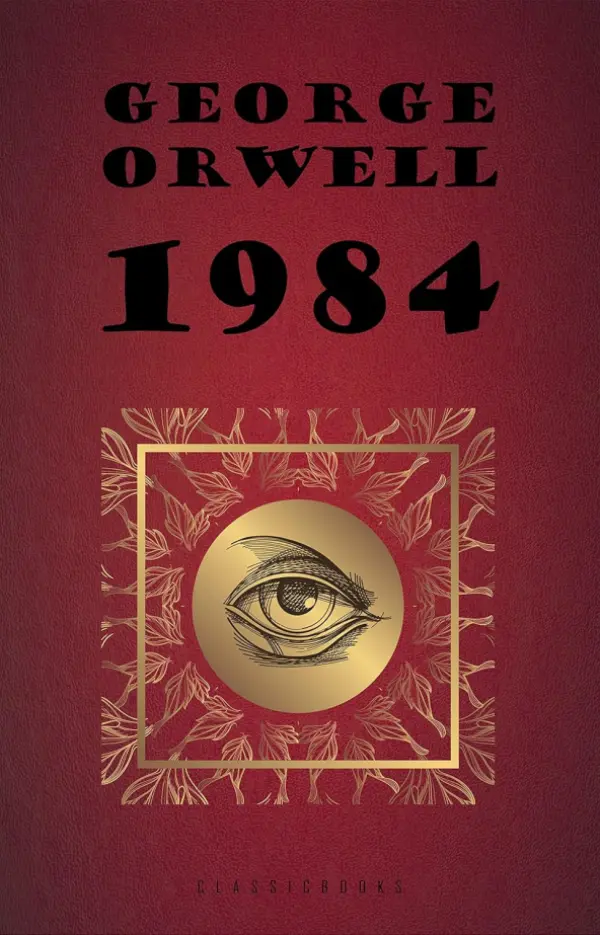
1984
Average Goodreads rating4.4
- Dystopian Society
- Psychological Manipulation

Author · English
George Orwell was a British author and journalist known for dystopian fiction and political satire, exploring totalitarianism, propaganda, and individual freedom.
New to George Orwell? A popular place to start
1984 by George Orwell is a dystopian classic depicting a total surveillance state where truth is controlled, language is weaponised, and freedom is a crime.
Picked from George Orwell’s most widely rated books on Goodreads, starting at the beginning of its series.
Retailer links may earn Trope Trove a commission, at no extra cost to you.
Not part of a series listed on Trope Trove
Average Goodreads rating4.4
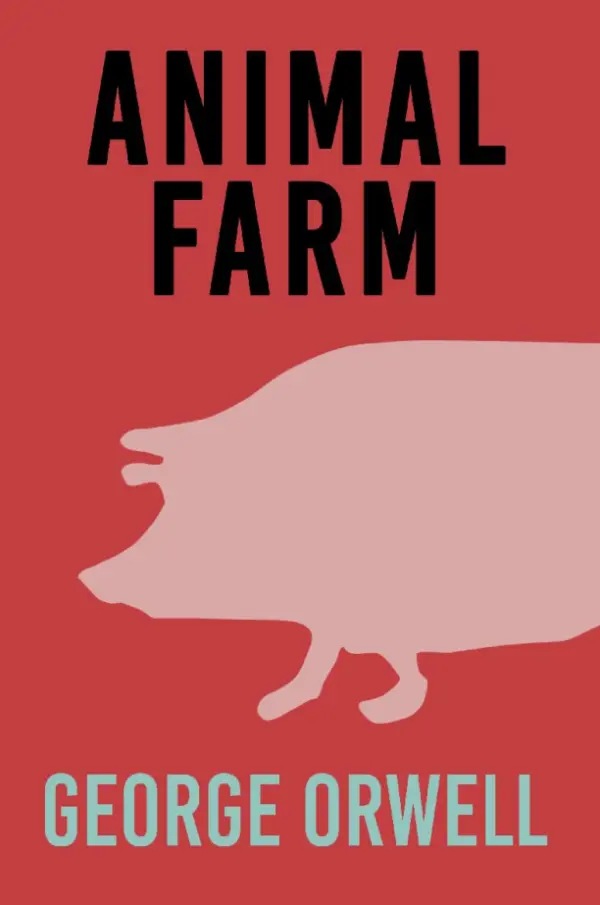
Average Goodreads rating4.6
George Orwell, the pen name of Eric Arthur Blair, was a British novelist, essayist, and journalist whose work has had a profound and lasting influence on modern political thought and speculative fiction. Widely regarded as one of the most important writers of the twentieth century, Orwell is best known for his dystopian novel 1984 and political satire Animal Farm - both enduring examinations of power, truth, and authoritarian control.
Orwell’s writing was shaped by lived experience. He fought in the Spanish Civil War, lived in poverty while researching social inequality, and worked as a journalist during periods of intense political upheaval. These experiences gave his fiction a sharp moral clarity and deep skepticism toward ideology, particularly when power is concentrated and dissent suppressed. His work consistently challenges systems that demand obedience at the expense of truth.
A defining feature of Orwell’s writing is its focus on totalitarianism and surveillance. In 1984, he imagined a society where language is manipulated, history rewritten, and citizens monitored at all times. Concepts such as “Big Brother,” “doublethink,” and “thoughtcrime” have entered everyday language, reflecting how accurately Orwell identified the mechanics of authoritarian control. His dystopian vision is less about the future and more about warning readers of patterns already present.
Equally important is Orwell’s exploration of propaganda and truth. He understood language as a political weapon - capable of obscuring reality as easily as revealing it. In Animal Farm, Orwell uses allegory to show how revolutionary ideals can be corrupted, exposing how slogans and simplified narratives are used to manipulate populations. His work warns that when truth becomes flexible, freedom soon follows.
Orwell’s prose style is famously direct and accessible. He rejected ornamentation in favor of clarity, believing that clear language was essential to honest thought. This approach makes his work both widely readable and devastatingly effective. His essays, including Politics and the English Language, remain influential guides to critical thinking and ethical communication.
Morally, Orwell resisted easy categorization. He was deeply critical of imperialism, fascism, and Stalinism alike, and distrusted movements that demanded unquestioning loyalty. His protagonists are often ordinary individuals crushed by vast systems, emphasizing how totalitarian power erodes personal identity, memory, and love.
Beyond dystopian fiction, Orwell wrote extensively about class, nationalism, censorship, and social justice. Across genres, his work remains unified by a commitment to intellectual honesty and resistance to oppression.
George Orwell’s writing is ideal for readers who appreciate Science Fiction and political literature that confront uncomfortable truths. Stark, incisive, and relentlessly relevant, his work continues to shape discussions around freedom, media, and the dangers of unchecked power.

Neal Shusterman
Arc of a Scythe, book 1
Average Goodreads rating4.5
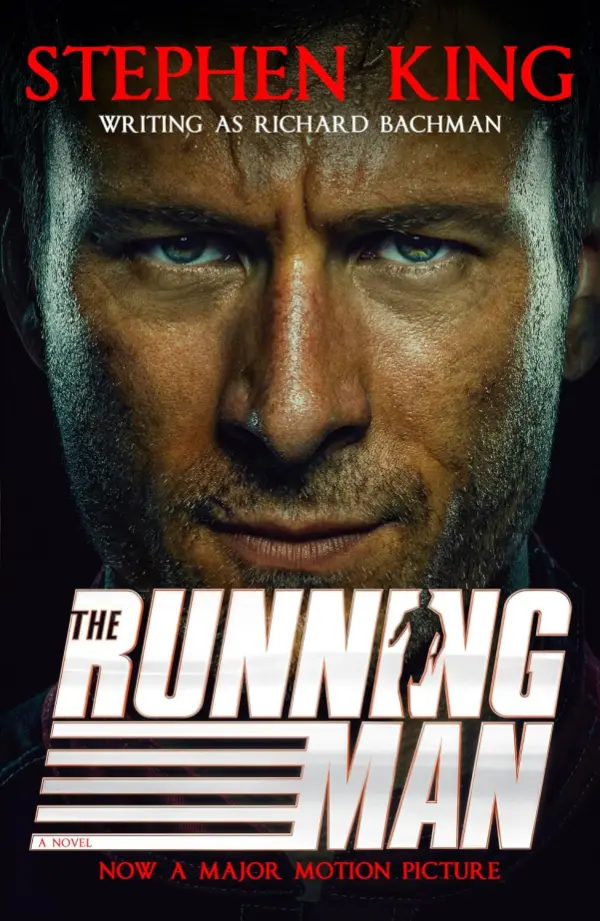
Richard Bachman & Stephen King
Average Goodreads rating4.3
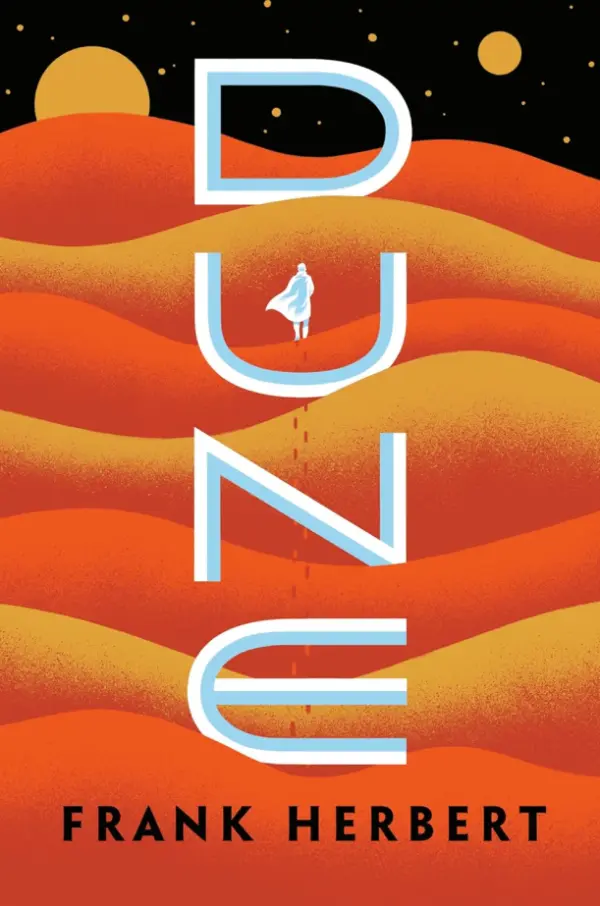
Frank Herbert
Dune, book 1
Average Goodreads rating4.3
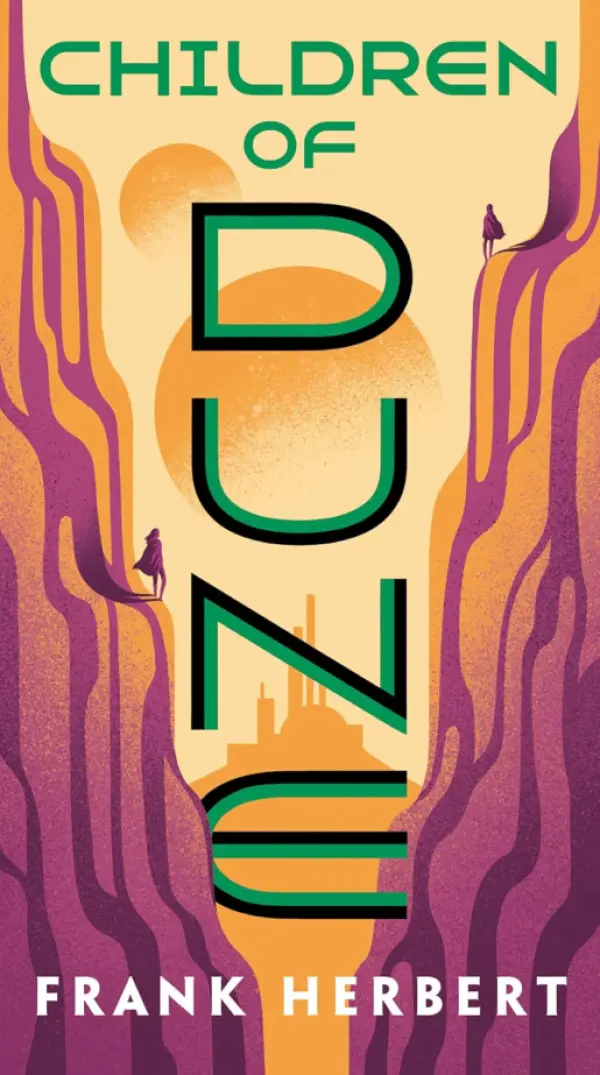
Frank Herbert
Dune, book 3
Average Goodreads rating4.0
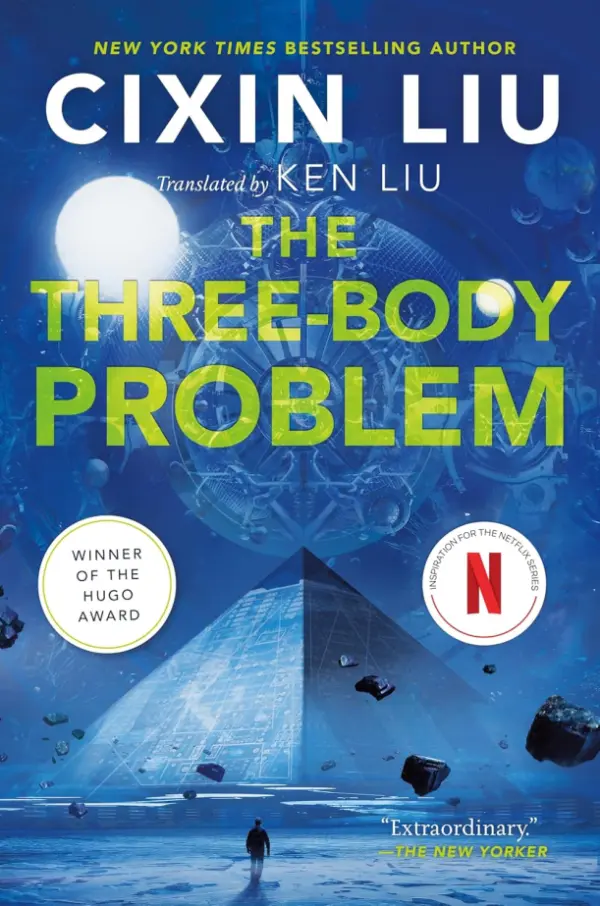
Liu Cixin
The Three-Body Problem, book 1
Average Goodreads rating4.1
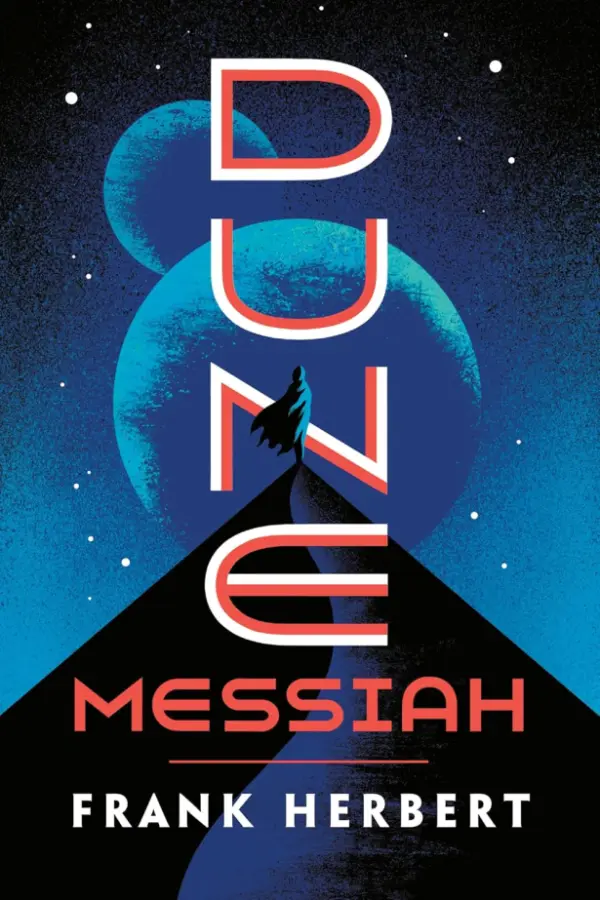
Frank Herbert
Dune, book 2
Average Goodreads rating3.9
From oppressive regimes to survival games and broken futures, these dystopian books and series explore power, rebellion, and control - and why readers can’t stop searching for stories that hit uncomfortably close to home.
Occasional emails with new recommendations, series news and trope round-ups.