
DEV1AT3 (DEVIATE)
Jay Kristoff
LIFEL1K3, book 2
Average Goodreads rating4.6

We independently select and recommend books. Purchases made through our links may earn us a commission, at no extra cost to you. Prices and availability are set by each retailer.
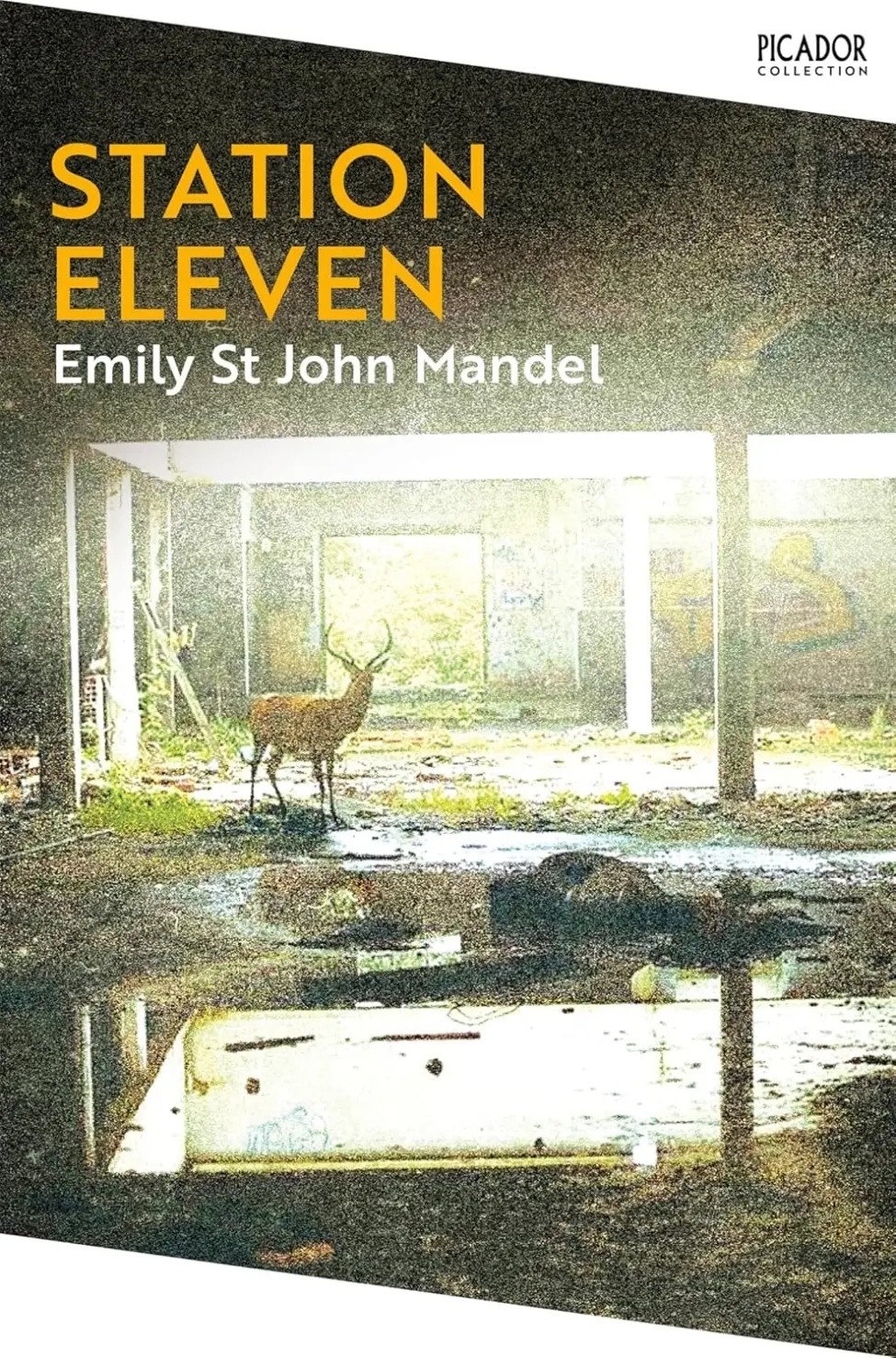
Station Eleven by Emily St. John Mandel is a literary post-apocalyptic novel exploring survival, memory, and art after a global pandemic reshapes the world.
Station Eleven by Emily St. John Mandel is a critically acclaimed work of literary Science Fiction that reimagines the post-apocalyptic novel through a quiet, human lens. Rather than focusing on the collapse itself, the story examines what endures after civilisation falls - memory, art, and the fragile connections that bind people across time.
The novel unfolds through a nonlinear narrative, moving between the days immediately before a devastating flu pandemic and the years that follow. Mandel weaves together multiple perspectives, allowing characters’ lives to intersect in subtle, meaningful ways. This structure reinforces one of the book’s central ideas: that lives ripple outward, shaping futures long after moments have passed.
At the heart of the post-pandemic world is the Traveling Symphony, a group of actors and musicians who journey between scattered settlements performing Shakespeare and classical music. Their motto - “Survival is insufficient” - captures the novel’s thematic core. Mandel presents art as a necessity, not a luxury: a means of preserving humanity when infrastructure, technology, and governments are gone.
Unlike many dystopian narratives, Station Eleven resists violence as spectacle. Threats exist, but they are not the story’s focus. Instead, Mandel explores the aftermath of catastrophe, examining grief, nostalgia, and the quiet ache of remembering a lost world. Characters grapple with what they choose to carry forward - objects, stories, values - and what must be left behind.
Memory plays a crucial role throughout the novel. Pre-collapse life is remembered imperfectly, filtered through emotion and distance. The graphic novel Station Eleven, created within the story, becomes a symbol of how fiction itself preserves identity and meaning. Mandel suggests that storytelling is a form of continuity, allowing people to remain connected to a past that no longer physically exists.
The prose is restrained, lyrical, and emotionally precise. Mandel favours small details - a performance under electric lights, a childhood memory, a shared glance - to convey loss and hope. Her writing invites reflection rather than urgency, offering a meditative pace that contrasts with more action-driven apocalyptic fiction.
Station Eleven also explores connection across time. Characters who never meet still influence one another through shared memories, art, and circumstance. The novel proposes that civilisation is not defined by technology or order alone, but by empathy, creativity, and the stories people tell to understand themselves.
Station Eleven is ideal for readers who enjoy Science Fiction that blends speculative elements with literary depth. Quiet, haunting, and deeply human, the novel offers a vision of survival rooted not in domination or rebuilding power - but in remembering what makes life meaningful.
Jay Kristoff
LIFEL1K3, book 2
Average Goodreads rating4.6

Octavia E. Butler
The Xenogenesis Trilogy, book 3
Average Goodreads rating4.4
James Dashner
The Maze Runner, book 1
Average Goodreads rating4.5
Tahereh Mafi
Shatter Me, book 1
Average Goodreads rating4.2

Adrian Tchaikovsky
Children of Time, book 3
Average Goodreads rating4.2

Neal Shusterman
Arc of a Scythe, book 1
Average Goodreads rating4.5
Still Looking?
Further down our similarity list, but still sharing tropes and genres with this book.
Margaret Atwood
The MaddAddam Trilogy, book 2
Average Goodreads rating4.4
Buy from Amazon (opens Amazon in a new tab)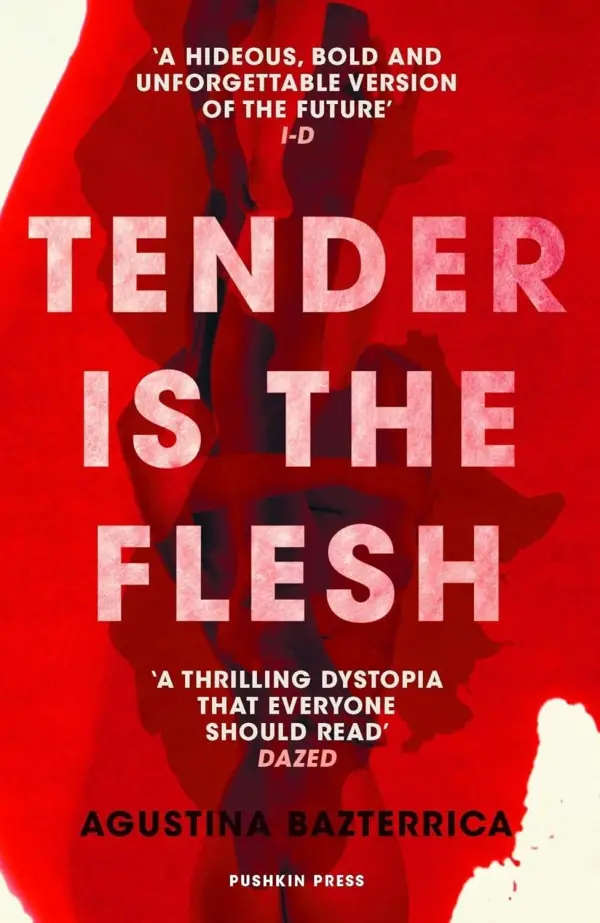
Agustina Bazterrica
Average Goodreads rating4.0
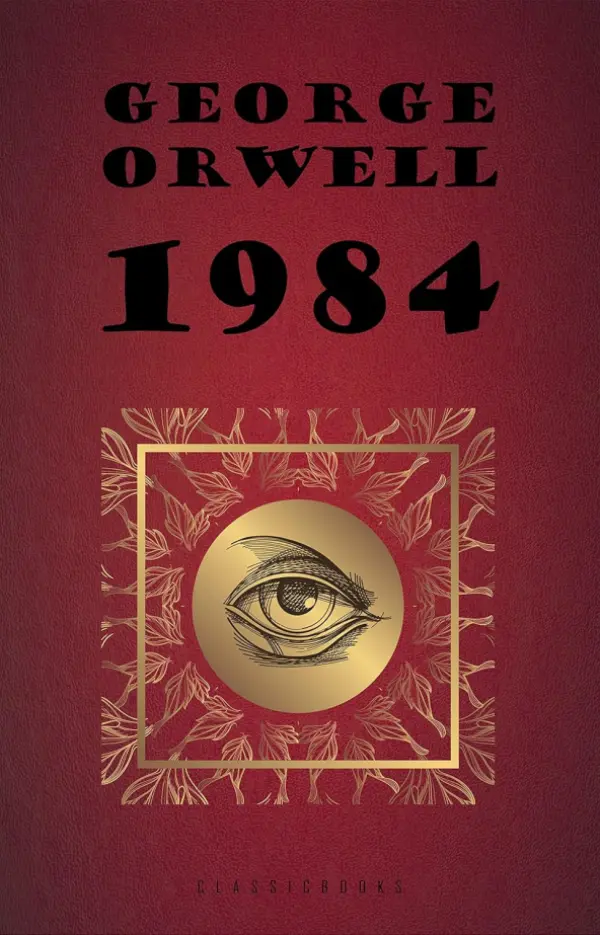
George Orwell
Average Goodreads rating4.4
Emily St. John Mandel is an acclaimed author of literary speculative fiction, known for elegant, interconnected novels exploring art, memory, and survival.
Books, series and tropes by Emily St. John Mandel
From oppressive regimes to survival games and broken futures, these dystopian books and series explore power, rebellion, and control - and why readers can’t stop searching for stories that hit uncomfortably close to home.
Station Eleven
Buy from Amazon (opens Amazon in a new tab)Occasional emails with new recommendations, series news and trope round-ups.