Circe
Madeline Miller
Average Goodreads rating4.5
- Morally Grey Characters
- Slow-burn Romance

· Updated
Not feeling the Valentine's spirit? Discover 20 bestselling anti-Valentine's reads across fantasy, thriller, romance, and horror that celebrate independence, revenge, and the beautifully messy reality of relationships.

Not everyone wants hearts, flowers, and declarations of undying love on Valentine's Day. Perhaps you're happily single and tired of the commercial romance push. Maybe you're nursing a broken heart. Or perhaps you simply prefer your stories with a darker edge, where love is complicated, messy, or downright destructive. Whatever your reason for skipping the saccharine sentiment, there's a whole world of brilliant books that embrace the anti-Valentine's spirit.
This carefully curated collection celebrates stories where romance takes a backseat to revenge, independence, and survival. We've gathered twenty compelling reads across fantasy, thriller, romance, and horror - genres that prove love isn't always the answer, and sometimes the most satisfying endings don't involve couples riding off into the sunset. These are books about characters who choose themselves, who fight back against toxic relationships, or who find that some loves are better left unexplored.
From vengeful heroines reclaiming their power to psychological thrillers that expose the rot beneath romantic facades, from romance novels that subvert the genre's conventions to horror stories where love becomes something monstrous - these books offer the perfect antidote to Valentine's Day sentimentality. So pour yourself something strong, settle in somewhere comfortable, and prepare to celebrate the anti-Valentine's spirit with stories that are dark, thrilling, and refreshingly honest about the complications of human connection.
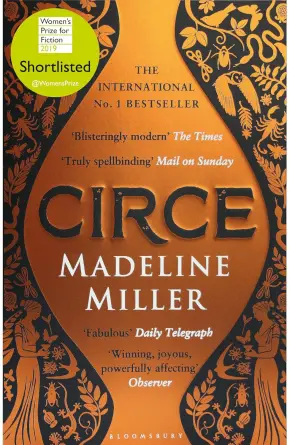
Madeline Miller's Circe reimagines the story of the infamous witch from Greek mythology, following her exile to a deserted island where she hones her craft and encounters gods, monsters, and mortals. This is a story about a woman who refuses to be defined by the men who try to control or love her, instead forging her own path through centuries of solitude and power.
This is perfect anti-Valentine's reading because Circe's romantic relationships consistently disappoint or betray her, teaching her that self-reliance is more valuable than romantic love. Miller doesn't punish Circe for wanting connection, but she shows how the heroine grows strongest in solitude, developing her magic and identity away from the gods who scorned her. The relationships Circe does form - particularly with her mortal son - prove more meaningful than any romance.
Miller's prose is luminous, transforming ancient myth into an intimate character study of a woman learning her own worth. Circe's journey from overlooked nymph to powerful witch who fears no god is deeply satisfying for anyone who's tired of stories where female characters need romantic love to feel complete. The book celebrates female rage, transformation, and the radical act of choosing yourself over societal expectations. For readers seeking mythology retold with feminist fury and a protagonist who becomes her own salvation, this is essential anti-Valentine's reading.
Circe by Madeline Miller reimagines Greek myth through the eyes of a witch who claims power, identity, and independence in a world ruled by gods.
R.F. Kuang's The Poppy War follows Rin, a war orphan who aces the empire's entrance exam to escape an arranged marriage, only to discover she possesses a terrifying shamanic power. As war erupts, Rin transforms from struggling student to ruthless military commander, making choices that increasingly distance her from her humanity and any possibility of normal relationships.
This is brilliantly anti-romantic because Kuang systematically strips away anything resembling conventional romance or happy endings. Rin's survival and success require hardening herself against emotional connection, and the few tender relationships she forms are destroyed by war's brutality. The book shows how trauma and violence make traditional romance not just impossible but irrelevant - Rin has far more pressing concerns than finding love.
Kuang's dark fantasy is unflinching in its portrayal of war crimes, addiction, and the costs of power. This isn't escapist fantasy; it's a brutal examination of how war destroys everything soft and beautiful, including the capacity for romantic love. Rin's arc is about becoming a weapon, not finding a partner, and the series never suggests that romance would heal or save her. For readers who want fantasy that rejects the "love conquers all" narrative in favour of survival, vengeance, and the terrible price of power, this trilogy delivers something far more complex and uncomfortable than Valentine's fluff.

by R. F. Kuang
The Poppy War (Book 1)
The Poppy War by R. F. Kuang is a grimdark fantasy inspired by Chinese history, following Rin as war, gods, and devastating power reshape her destiny.
Whilst A Court of Thorns and Roses appears on Valentine's lists, it works brilliantly as anti-Valentine's reading when you focus on its true message: your first love isn't always your forever love, and leaving a relationship—even when nothing is overtly "wrong"—is sometimes the healthiest choice. With over 1.8 million Goodreads ratings, this romantasy phenomenon actually delivers one of the most important anti-romantic messages: choosing yourself over comfortable dysfunction.
The series works as anti-Valentine's material because Maas doesn't just give Feyre a fairy-tale romance—she shows her in a relationship that looks perfect from outside but slowly suffocates her. Tamlin loves Feyre, but his love becomes controlling, overprotective, and ultimately toxic. Maas depicts how "love" can be used to justify controlling behaviour, how partners can diminish you whilst claiming it's for your protection, and how leaving is necessary even when the other person hasn't done anything dramatically terrible.
What makes this subversive is that Maas gives Feyre permission to want more, to choose a relationship that challenges her to grow rather than one that keeps her safe and small. The pivot to Rhysand isn't just about finding a "better" love interest—it's about Feyre recognising that she deserves partnership over protection, equality over being kept. The series celebrates women who refuse to settle, who trust their instincts about relationships, and who prioritise their growth over their partner's comfort.
The books also explore female friendship and chosen family as alternatives to romantic salvation. Feyre's relationships with Mor, Amren, and the other Night Court residents provide support that doesn't depend on romance. For anti-Valentine's readers, the series offers this message: it's okay to outgrow relationships, it's healthy to leave situations that diminish you, and the right relationship should expand your world rather than limit it. That's a far more valuable Valentine's lesson than simple romance.

A Court of Thorns and Roses (ACOTAR) (Book 1)
A Court of Thorns and Roses by Sarah J. Maas blends fantasy and romance, following Feyre Archeron as she enters a dangerous fae world filled with magic, curses, and slow-burn love.
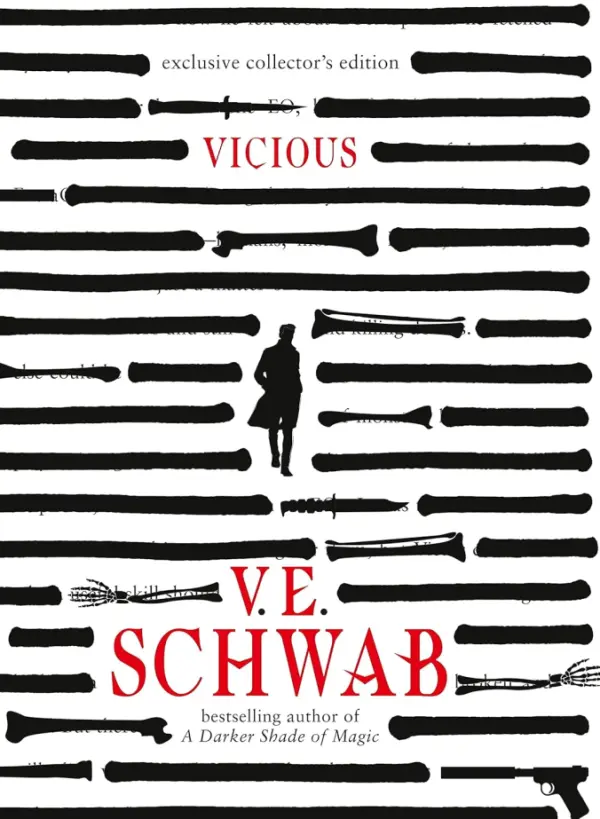
V.E. Schwab's Vicious introduces Victor Vale and Eli Ever, former college roommates whose research into near-death experiences grants them superhuman abilities - and transforms them into nemeses. Ten years after Victor's imprisonment for Eli's "murder," he escapes to settle scores, leading to a cat-and-mouse game between two morally grey individuals who were once as close as brothers.
This is perfect anti-Valentine's material because it's fundamentally about a relationship that's intense, obsessive, and completely toxic. The bond between Victor and Eli resembles romance in its all-consuming nature, but it's warped into something destructive. Schwab explores how the most dangerous relationships are sometimes those that consume us entirely, where love and hate become indistinguishable. Neither character improves the other; instead, they bring out each other's worst impulses.
The non-linear narrative reveals how their friendship soured, making their present-day conflict feel inevitable and tragic. Schwab writes morally complex characters who are fascinating precisely because they're flawed and sometimes monstrous. The book's villain-protagonist approach means no one's getting a happy romantic ending - these characters are too damaged and too dangerous for conventional happiness. For readers who enjoy dark examinations of obsessive relationships, superhero stories without heroes, and narratives that prove some bonds are better broken, this is deliciously cynical anti-Valentine's reading.
by V. E. Schwab
Villains (Book 1)
Vicious by V.E. Schwab follows Victor Vale and Eli Ever, university students who gain superpowers through near-death experiments but become mortal enemies. Ten years later, Victor escapes prison seeking revenge in this dark superhero deconstruction.
Pierce Brown's Red Rising follows Darrow, a Red (the lowest caste in a colour-coded society) who infiltrates the elite Golds by posing as one of them at their brutal Institute. Whilst the series eventually includes romance, the first book is fundamentally about survival, revolution, and choosing mission over personal connection. With over 500,000 Goodreads ratings and passionate following, this space opera examines how revolutionary purpose sometimes requires sacrificing personal happiness and relationships.
This works as anti-Valentine's reading because Darrow enters the story already destroyed by love—his wife Eo's execution for rebellion motivates his entire mission. Rather than seeking new romance, Darrow weaponises relationships, using attraction and connection strategically whilst keeping emotional distance. Brown shows how revolution requires becoming someone colder and more ruthless than love allows, and how personal feelings become dangerous vulnerabilities in war.
The Institute section delivers brutal competition where alliances are temporary and betrayal is inevitable. Darrow forms connections but can never be fully honest about who he is, creating relationships built on necessary lies rather than genuine intimacy. His transformation from loving husband to revolutionary weapon requires hardening himself against the vulnerability that love demands. Brown doesn't romanticise this—he shows it as necessary but tragic.
What makes this essential anti-Valentine's reading is its examination of what revolutionary change costs personally. Darrow carries Eo's memory but channels his grief into rage and purpose rather than seeking comfort. The relationships he forms serve his mission; personal happiness is secondary to societal transformation. For readers who want space opera that prioritises rebellion over romance, examines how love can be both motivation and weakness, and celebrates choosing larger purpose over personal connection, this is epic, brutal, and refreshingly unsentimental about relationships.

by Pierce Brown
Red Rising (Book 1)
Red Rising by Pierce Brown is a gripping sci-fi adventure about Darrow, a lowborn miner who infiltrates the ruling elite to challenge a brutal hierarchy and spark a revolution in a futuristic, oppressive society.
Gillian Flynn's Gone Girl begins when Amy Dunne disappears on her fifth wedding anniversary, and all evidence points to her husband Nick as the culprit. As the investigation unfolds, the novel alternates between Nick's present-day perspective and Amy's diary entries, revealing a marriage far more toxic and complex than it initially appeared.
This is the ultimate anti-Valentine's thriller because it systematically dismantles the fairy tale of married love, exposing the performance, resentment, and manipulation that can fester beneath a picture-perfect exterior. Flynn creates two unreliable narrators who are equally monstrous in different ways, showing how marriages can become battlegrounds where each partner schemes for advantage. The "cool girl" monologue alone is worth reading for anyone tired of performing for romantic partners.
Flynn's genius lies in making both Amy and Nick sympathetic and repellent in turns, so you're never quite sure who to root for - if anyone. The book is a masterclass in psychological suspense, but it's also a savage commentary on marriage, gender roles, and the lies we tell to attract and keep partners. The ending is deeply unsettling precisely because it refuses easy answers or justice. For readers who want their thrillers to double as relationship horror, with characters who deserve each other in the worst way possible, this is essential anti-Valentine's reading that will make you grateful for singleness or honest communication.
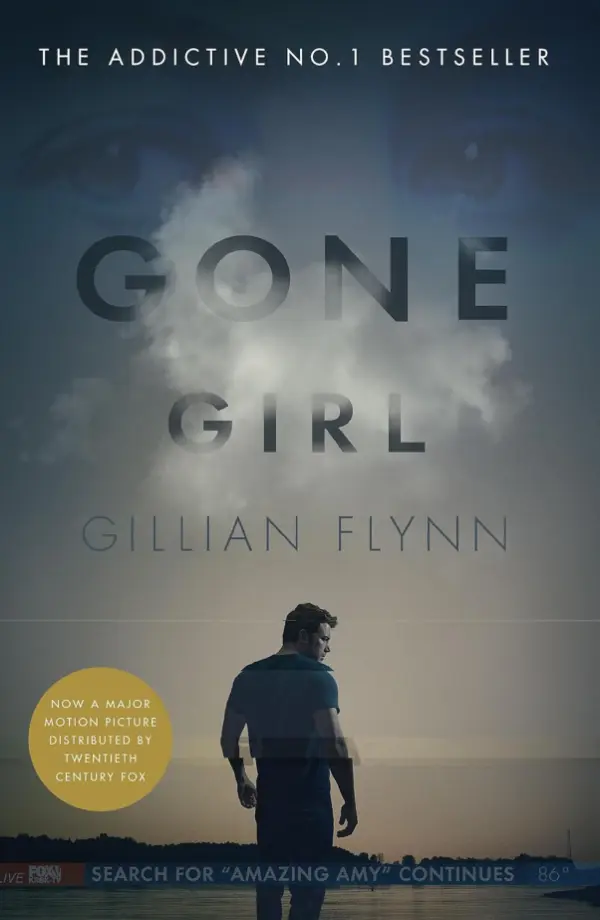
Gone Girl by Gillian Flynn follows Nick Dunne, whose wife Amy vanishes on their fifth anniversary. As media frenzy builds and secrets emerge, nothing is what it seems in this twisted psychological thriller about marriage, manipulation, and revenge.
Caroline Kepnes's You is told from the perspective of Joe Goldberg, a bookshop manager who becomes obsessed with aspiring writer Beck. What begins as attraction quickly spirals into stalking, manipulation, and violence, all narrated by Joe in a chillingly casual second-person voice that implicates the reader in his twisted version of romance.
This is perfect anti-Valentine's material because it exposes the sinister underbelly of romantic obsession, showing how easily "love" becomes control and monitoring. Kepnes brilliantly uses Joe's narration to reveal how stalkers justify their behaviour as devotion, how they convince themselves they know what's best for their beloved. The second-person address makes it uncomfortably intimate, forcing readers into Joe's warped perspective on what constitutes romantic behaviour.
The book serves as a darkly comic yet genuinely disturbing critique of rom-com behaviour - when real people engage in the "grand gestures" that seem romantic in films, it's actually terrifying. Kepnes lampoons both Joe's delusions and Beck's millennial affectations with sharp wit. For readers who want to examine toxic masculinity, stalking culture, and how society romanticises possessive behaviour, this is both entertaining and thought-provoking. It's the perfect antidote to Valentine's sentimentality, reminding us that obsession isn't love and that sometimes the person who claims to adore you is actually your worst nightmare.
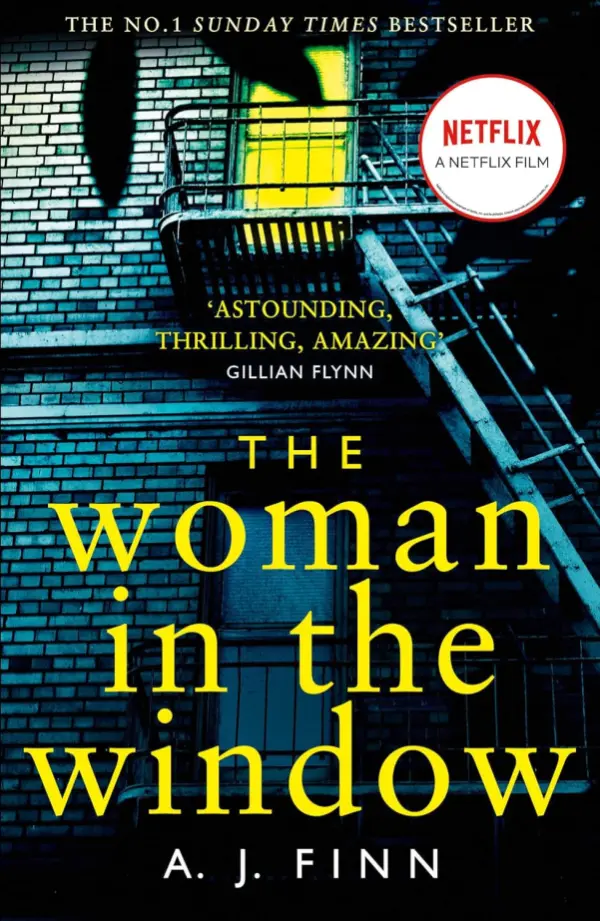
A.J. Finn's The Woman in the Window follows Anna Fox, an agoraphobic psychologist who spends her days drinking wine, watching old films, and spying on her neighbours. When she witnesses something disturbing in the house across the street, her attempts to report it are dismissed as the delusions of an unreliable woman, forcing her to question her own perception of reality.
This is excellent anti-Valentine's reading because it centres a woman whose life has been destroyed by a past relationship trauma that's slowly revealed throughout the novel. Anna's isolation isn't romantic solitude; it's the aftermath of devastating loss that's left her unable to function normally. The book explores how romantic relationships and family dynamics can lead to catastrophic consequences, and how easily women's testimonies are dismissed.
Finn creates a claustrophobic atmosphere where Anna's house becomes both sanctuary and prison, and her mental state keeps readers guessing about what's real. The Hitchcock references are lovingly woven throughout, paying homage to psychological thrillers where women are gaslit and doubted. The mystery is genuinely twisty, with revelations that recontextualise Anna's entire story. For readers who want psychological suspense focused on a woman piecing her life back together alone rather than finding romantic salvation, this delivers paranoia, plot twists, and a protagonist whose greatest relationship is with her own survival.
by A. J. Finn
The Woman in the Window by A.J. Finn follows agoraphobic Anna Fox, who witnesses a crime across the street - or does she? Trapped in her home, addicted to wine and pills, Anna's grip on reality unravels in this Hitchcockian psychological thriller.
Liane Moriarty's Big Little Lies weaves together the lives of three women whose children attend the same primary school, building towards a murder that occurs at the school's trivia night. Beneath the perfect facades of their coastal Australian town, each woman harbours secrets about their marriages, relationships, and pasts that are far darker than anyone suspects.
This is brilliant anti-Valentine's material because it exposes how romantic relationships can trap, diminish, and endanger women. Moriarty doesn't shy away from depicting domestic abuse, marital dissatisfaction, and the performance of perfect coupledom that exhausts everyone involved. The book shows women supporting each other as marriages fail or reveal themselves as prisons, proving that female friendship often provides more sustenance than romantic love.
Moriarty balances dark themes with sharp humour about parent politics, class tensions, and the absurdities of modern marriage. The multiple perspectives allow readers to see how differently each woman experiences relationships and how they've all made compromises that chafe. The murder mystery framework keeps pages turning, but the real story is about women finding strength in each other when their romantic relationships offer only disappointment or danger. For readers who appreciate domestic suspense that interrogates marriage and motherhood whilst celebrating female solidarity, this is perfect cynical Valentine's reading.
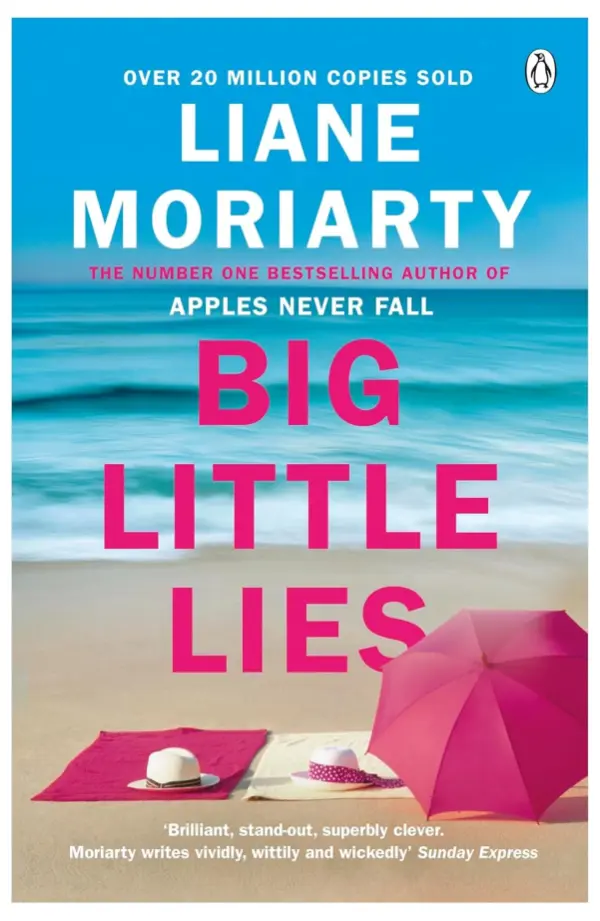
Big Little Lies by Liane Moriarty follows three mothers in an affluent coastal community whose lives collide at a school trivia night ending in murder. This addictive domestic thriller explores friendship, secrets, and the violence hidden behind closed doors.
Paula Hawkins's The Girl on the Train follows Rachel, an alcoholic whose life fell apart after her marriage ended. During her daily commute, she obsesses over a seemingly perfect couple she glimpses from the train - until the woman goes missing and Rachel becomes entangled in the investigation, despite her unreliable memories and questionable behaviour.
This is quintessential anti-Valentine's reading because every relationship in the novel is dysfunctional, toxic, or built on lies. Rachel's marriage ended in infidelity and recrimination; the "perfect" couple she idealises are anything but; and the other characters' relationships are similarly compromised. Hawkins explores how romantic failure can define and destroy us, and how we project fantasies onto others' relationships when our own disappoint.
The unreliable narrator technique works brilliantly, with Rachel's alcoholic blackouts creating genuine mystery about what she witnessed or did. Her descent into obsession mirrors many readers' own tendencies to romanticise strangers' lives whilst feeling inadequate in their own. The book refuses easy answers or redemption, instead showing damaged people making poor choices in the wreckage of failed relationships. For readers who want psychological suspense that doubles as a cautionary tale about romantic obsession and the lies we tell ourselves about love, this is compulsively readable anti-Valentine's noir.
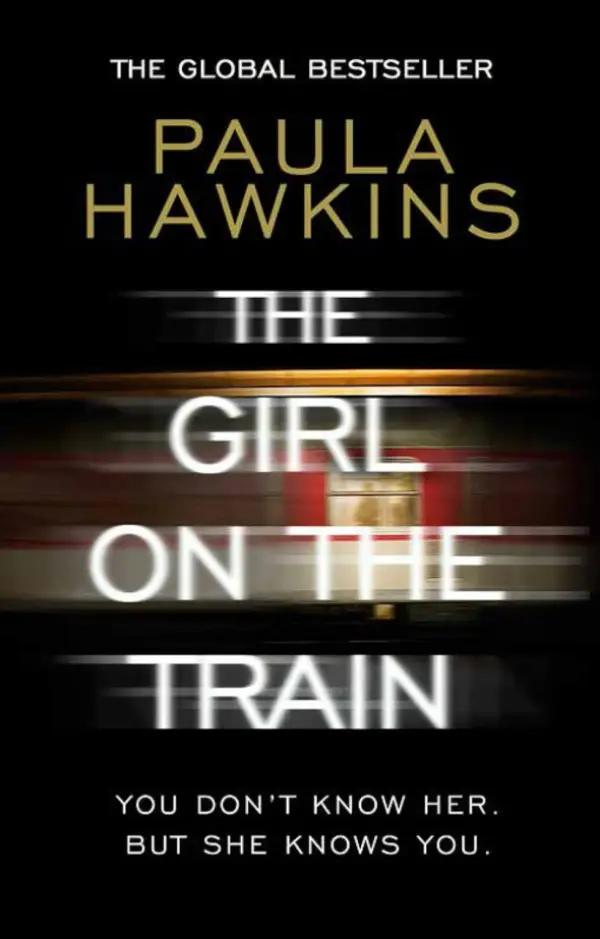
The Girl on the Train by Paula Hawkins follows Rachel Watson, an alcoholic divorcée who witnesses something shocking from her commuter train. When a woman disappears, Rachel's alcoholic blackouts make her both witness and suspect in this gripping thriller.
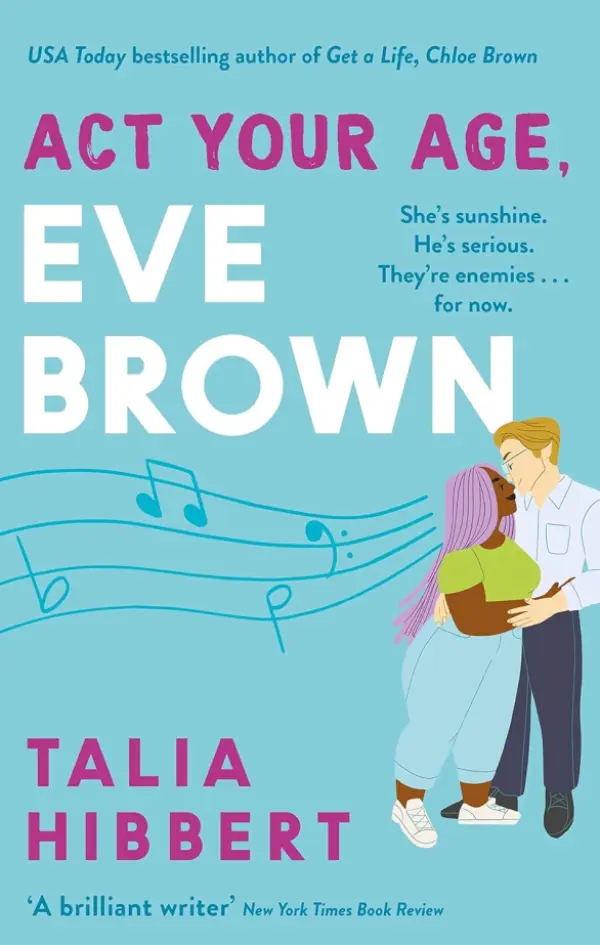
Talia Hibbert's Act Your Age, Eve Brown follows chaotic Eve, the youngest Brown sister, who accidentally injures uptight B&B owner Jacob when she crashes her car into him. To make amends, she becomes his temporary chef and employee, leading to a fake relationship arrangement that forces both characters to confront their assumptions and insecurities.
This is perfect anti-Valentine's reading because it's fundamentally about two people who are complete disasters at relationships learning that they don't need to be fixed to deserve love. Eve has ADHD and a history of being called irresponsible; Jacob is autistic and has been told he's too rigid. Their romance doesn't "cure" their neurodivergence or personality quirks - instead, they learn to appreciate each other's differences whilst maintaining their authentic selves.
Hibbert writes characters who actively dislike Valentine's Day sentimentality and performative romance. What they build together is messy, honest, and sometimes awkward - nothing like the polished romance ideals society promotes. The book celebrates imperfect people finding connection without changing their fundamental natures. For readers tired of romances where characters must become "better" versions of themselves to deserve love, this offers something refreshingly different: acceptance of flaws, neurodivergent representation, and a relationship built on genuine compatibility rather than fairy tale fantasies.
The Brown Sisters (Book 3)
Act Your Age, Eve Brown by Talia Hibbert follows chaotic Eve who accidentally hits uptight B&B owner Jacob Wayne with her car, then must work for him. Their enemies-to-lovers romance beautifully depicts undiagnosed ADHD and autism with humour and heart.
Christina Lauren's The Unhoneymooners begins when Olive's twin sister's destination wedding ends with everyone except Olive and her nemesis Ethan (the groom's brother) getting food poisoning. Forced to use the non-refundable honeymoon to Hawaii, they pretend to be newlyweds whilst maintaining their years-long mutual hatred - until unexpected feelings develop and Olive's real life intrudes on the fantasy.
This is excellent anti-Valentine's material because it skewers honeymoon and wedding culture mercilessly. Olive is a self-proclaimed pessimist with terrible luck who doesn't believe in romantic destiny, making her a perfect protagonist for readers tired of overly optimistic romance heroines. The enemies-to-lovers dynamic is played for laughs, with Olive and Ethan's bickering more entertaining than any lovey-dovey couple could manage.
The book interrogates the performative nature of romance, with Olive and Ethan literally faking a relationship whilst in Hawaii. Their real connection develops precisely because they're honest about finding each other annoying, rather than performing attraction. The supporting cast includes Olive's supremely irritating perfect twin, whose picture-perfect life provides comic contrast to Olive's chaos. For readers who want romantic comedy that acknowledges how exhausting wedding culture and relationship performance can be, whilst still delivering genuine connection and laughs, this is ideal cynical Valentine's entertainment.
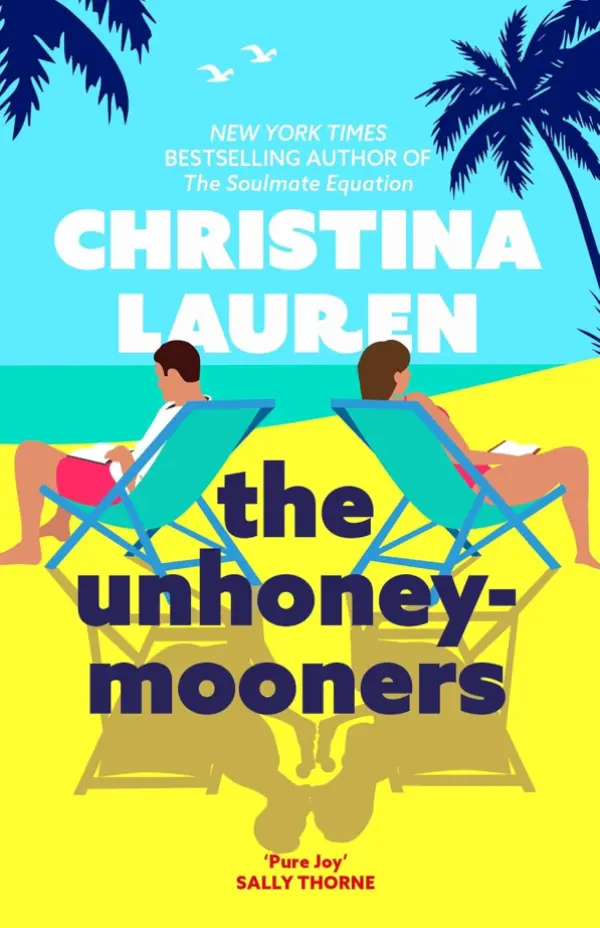
The Unhoneymooners by Christina Lauren follows Olive Torres and Ethan Thomas, sworn enemies forced to pretend to be newlyweds on a free honeymoon to Hawaii. Fake romance and tropical paradise lead to real feelings in this hilarious enemies-to-lovers romcom.
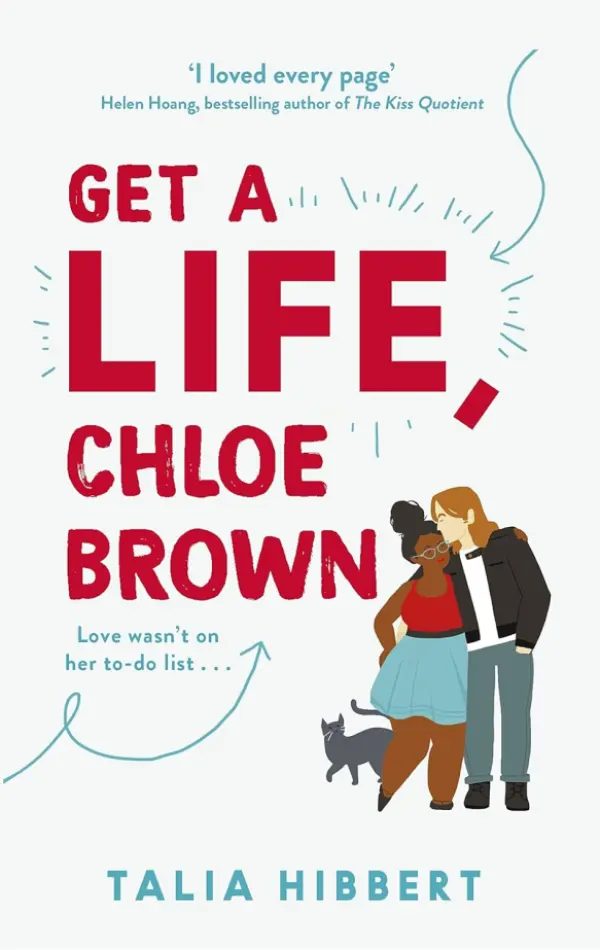
Talia Hibbert's Get a Life, Chloe Brown follows Chloe, a chronically ill computer geek who creates a "Get a Life" list after a near-death experience. She enlists her building's superintendent, Red, to help her complete adventurous tasks, leading to a fake relationship that allows both characters to heal from past traumas whilst developing real feelings.
This is perfect anti-Valentine's reading because Chloe actively rejects traditional romantic narratives due to her chronic illness and past abusive relationship. She's been told she's "too much" and should be grateful for any romantic attention, making her suspicious of grand gestures and performative romance. The book centres disability without making it the sole focus, showing how chronic pain affects relationships without suggesting love can cure illness.
Hibbert creates characters who are damaged by previous relationships and rightly wary of romance. Red is recovering from an abusive relationship where his ex exploited his kindness; Chloe is learning to trust again after her ex used her illness to control her. Their connection develops slowly, with consent and communication prioritised throughout. For readers tired of romances that suggest love heals all wounds or that disabled people should be grateful for romantic attention, this offers something more honest: two people choosing each other whilst maintaining their boundaries and addressing their trauma.
The Brown Sisters (Book 1)
Get a Life, Chloe Brown by Talia Hibbert follows chronically ill web designer Chloe who creates a life-experience list after a near-death event. She enlists tattooed superintendent Red Morgan for help, sparking unexpected romance and self-discovery.
Erin Sterling's The Kiss Curse features Gwyn, a witch who accidentally cursed her ex-boyfriend Wells - now a ghost haunting her magic shop - when they broke up years ago in witchy disaster. Forced to work together to break the curse, they must confront what went wrong in their relationship and whether they can find their way back to each other despite past hurts.
This is brilliant anti-Valentine's material because it's about a relationship that spectacularly failed and the messy aftermath of romantic implosion. Gwyn and Wells were engaged when everything fell apart, and Sterling doesn't gloss over the genuine hurt and resentment that lingers. The book examines how miscommunication and fear of vulnerability can destroy even loving relationships, and how "love conquers all" is a dangerous myth when people won't actually talk to each other.
The curse provides darkly comic stakes - Wells literally cannot leave Gwyn's shop, forcing proximity when both would rather avoid each other entirely. Sterling balances supernatural elements with genuine emotional work as both characters must acknowledge their contribution to the relationship's failure. The book's message is actually quite anti-romantic: love alone wasn't enough the first time, and unless they both change and communicate better, it won't be enough now. For readers who want paranormal romance that acknowledges relationships require work beyond romantic feelings, this is perfect cynical witchy fun.
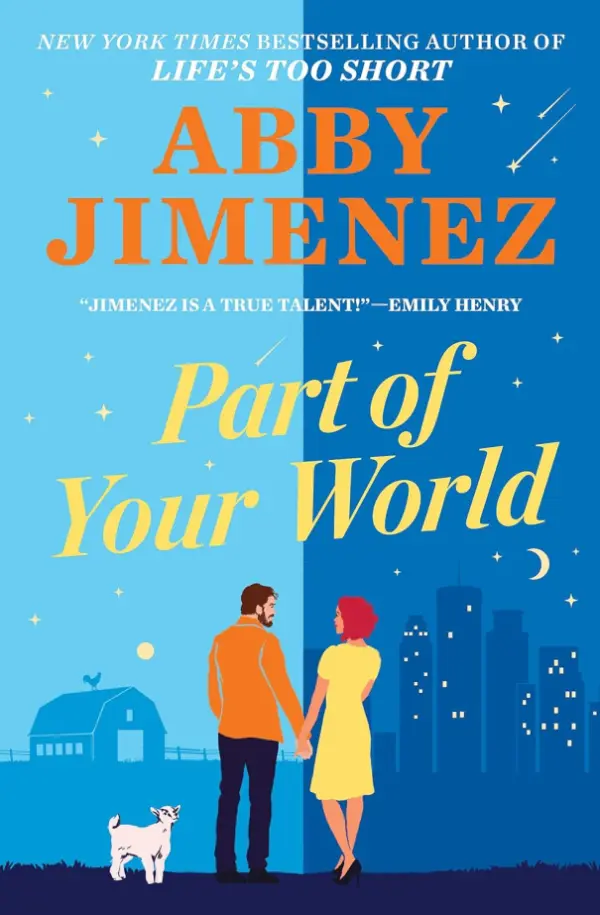
Abby Jimenez's Part of Your World follows Alexis, a big-city ER doctor, who gets stranded in tiny Wakan, Minnesota, where she meets Daniel, the charming small-town carpenter who helps her. As their unlikely connection deepens, Alexis must confront whether the life she's built - including her long-term engagement to a man who's never home - is actually what she wants.
This is excellent anti-Valentine's reading because Alexis begins the book already engaged, and the novel forces her to acknowledge that her existing relationship is fundamentally broken. Jimenez doesn't romanticise sacrifice or settling - instead, she shows how women often convince themselves that unfulfilling relationships are acceptable because their partner isn't actively terrible. The book celebrates choosing yourself over a relationship that diminishes you.
The small-town vs. city tension mirrors Alexis's internal conflict about what life she actually wants versus what she thought she should want. Daniel represents not just romance but a fundamentally different approach to life and relationships - one where her partner actually prioritises her. The book's ultimate message is anti-romantic in the best way: sometimes leaving a relationship, even when nothing dramatic is "wrong," is the healthiest choice. For readers who want romance that encourages self-reflection and choosing happiness over comfortable dysfunction, this delivers both laughs and emotional honesty.
by Abby Jimenez
Part of Your World (Book 1)
Part of Your World by Abby Jimenez follows Chicago doctor Alexis Montgomery stranded in tiny Wakan, Minnesota, where she falls for small-town carpenter Daniel Grant. A reverse Little Mermaid exploring career sacrifice, class differences, and belonging.
Silvia Moreno-Garcia's Mexican Gothic follows socialite Noemí Taboada, who travels to the remote High Place mansion to check on her cousin Catalina, whose disturbing letters suggest something is very wrong with her new husband and his family. What Noemí discovers is a house infected with rot, secrets, and a parasitic presence that feeds on the women trapped within it.
This is perfect anti-Valentine's horror because it depicts marriage as a literal trap where women are consumed and subsumed by their husband's family. Catalina's romantic marriage has transformed into a nightmare where she's losing her identity and autonomy, and the gothic atmosphere drips with the rot of relationships built on possession rather than partnership. Moreno-Garcia draws explicit connections between colonial exploitation and marital ownership of women.
The mansion itself becomes a character representing toxic masculinity and generational trauma, with fungal growth literally infecting everyone inside. The horror lies not just in supernatural elements but in how the Doyle family views women as vessels and breeding stock, their identities irrelevant beyond their usefulness. The book's climax involves women fighting back against the patriarchal structure trying to consume them. For readers who want gothic horror that uses supernatural elements to explore how romantic and familial relationships can be prisons, this is both beautifully written and genuinely terrifying anti-Valentine's material.
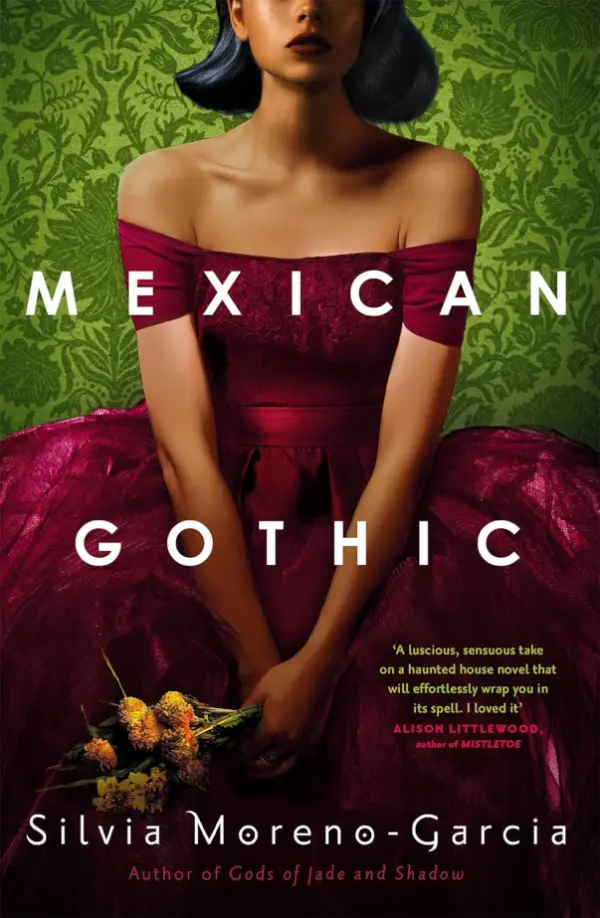
Mexican Gothic by Silvia Moreno-Garcia follows socialite Noemí Taboada investigating disturbing events at her cousin's crumbling mansion in 1950s rural Mexico. Gothic horror meets postcolonial critique in this atmospheric, feminist reimagining of classic Gothic tropes.
Stephen Graham Jones's The Only Good Indians follows four Blackfeet men who are haunted by something they did ten years earlier during an elk hunt on forbidden land. As they try to build normal lives - including marriages and families - their past returns in supernatural form to exact revenge, targeting not just them but everyone they love.
This is brilliant anti-Valentine's horror because it shows how past actions poison present relationships and how guilt can make healthy connections impossible. The men's marriages and romantic relationships become collateral damage in the supernatural revenge plot, with their partners suffering consequences for crimes they didn't commit. Jones explores how trauma and secrets create distance between partners, making genuine intimacy impossible.
The horror is visceral and creative, blending cultural specificity with universal themes about how we carry our mistakes into our relationships. Jones doesn't offer romantic salvation or suggest that love can heal these men's fundamental brokenness. Instead, their relationships become additional sources of pain and guilt as they watch loved ones endangered by their past. For readers who want horror that examines how our worst selves contaminate our best relationships, with Indigenous perspectives and genuinely frightening supernatural revenge, this is devastating and brilliant.
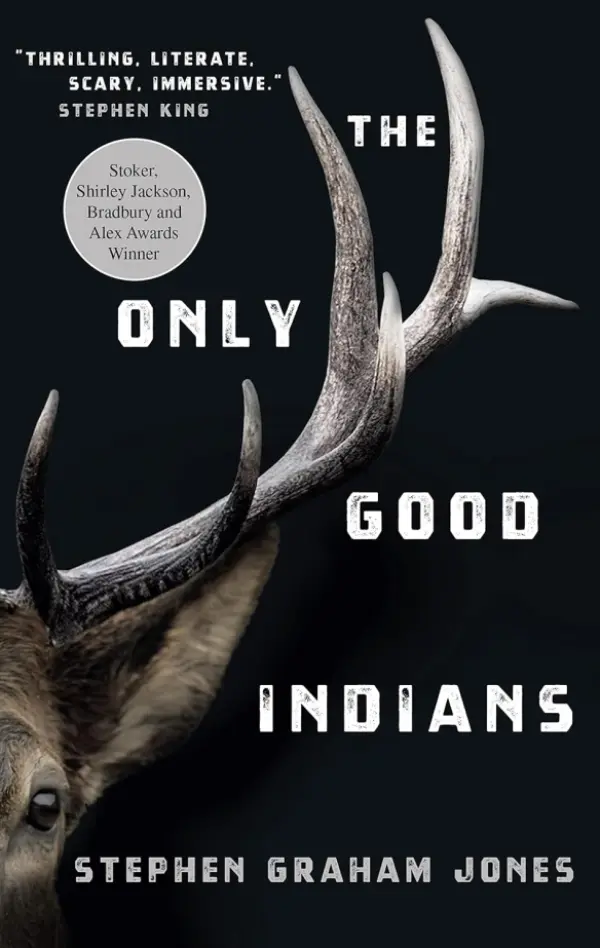
The Only Good Indians by Stephen Graham Jones follows four Blackfeet men haunted by an elk they killed a decade ago. This award-winning horror masterpiece blends indigenous spirituality, guilt, and cosmic revenge in a terrifying exploration of consequences.
Catriona Ward's The Last House on Needless Street introduces Ted, a reclusive man living with his young daughter Lauren and foul-mouthed cat Olivia in a boarded-up house. When Dee, whose sister vanished nearby years ago, moves in across the street determined to investigate Ted, the narrative fractures across perspectives, revealing that nothing - not the relationships, the memories, or even the characters themselves - is quite what it seems.
This is perfect anti-Valentine's horror because every relationship in the novel is built on deception, trauma, or fundamental misunderstanding. The few romantic or familial connections that exist are warped by horrifying truths that Ward slowly unveils. The book explores how isolation and mental illness make healthy relationships impossible, and how love can become something monstrous when filtered through damaged perceptions.
Ward's narrative structure keeps readers disoriented, questioning everything they think they know about the characters and their relationships. The reveals are genuinely shocking and heartbreaking, recontextualising earlier scenes in disturbing ways. This isn't horror that relies on jump scares but on the slow dawning realisation that the reality you've been presented is completely wrong. For readers who want psychological horror that makes you question the nature of identity and relationships whilst delivering genuine scares, this is masterfully crafted anti-Valentine's reading.
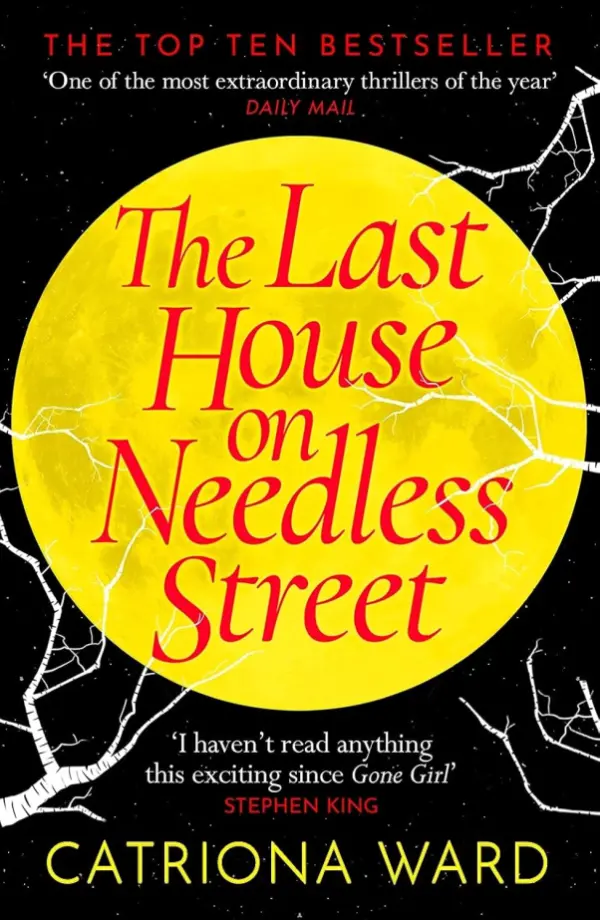
The Last House on Needless Street by Catriona Ward follows Ted, a reclusive man living with his daughter and cat in a boarded-up house. When a neighbour suspects him of a child's disappearance, dark secrets emerge in this devastating psychological horror.
Grady Hendrix's The Southern Book Club's Guide to Slaying Vampires follows Patricia, a 1990s South Carolina housewife whose book club discovers their charming new neighbour is actually a vampire targeting children in their community. When Patricia tries to warn people, she's dismissed as an hysterical woman, forcing her and her book club friends to take matters into their own hands.
This is excellent anti-Valentine's horror because it depicts marriage as something that drains women's autonomy and credibility. Patricia's husband dismisses her concerns, prioritises the vampire's feelings over hers, and actively works against her attempts to protect their community. The book uses vampire metaphor to explore how women's labour and lives are consumed by domestic expectations whilst men remain wilfully blind to dangers women recognise.
Hendrix balances genuine horror - the vampire's crimes are disturbing - with sharp social commentary about how women's voices are silenced within marriages and communities. The real horror isn't just the supernatural threat but Patricia's isolation when her husband refuses to believe or support her. The book celebrates female friendship as more powerful and reliable than romantic partnership, with the book club women succeeding precisely because they trust each other over their dismissive husbands. For readers who want horror that doubles as social commentary about marriage and misogyny, this is both terrifying and satisfying.
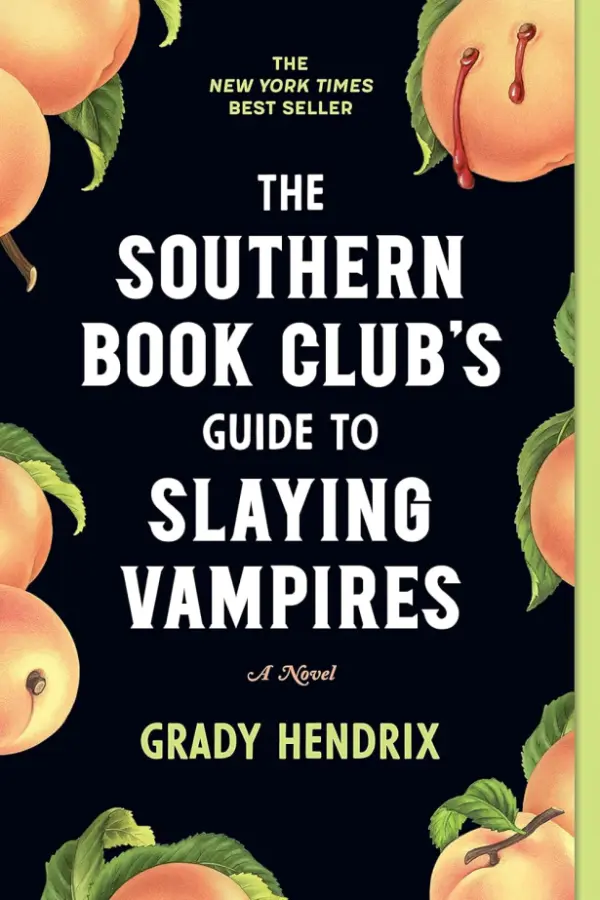
The Southern Book Club's Guide to Slaying Vampires by Grady Hendrix follows a 1990s Charleston housewife who suspects her charming new neighbour is a vampire preying on children. Blending horror with social commentary, it's southern Gothic meets domestic thriller.
Agustina Bazterrica's Tender Is the Flesh (translated from Spanish) presents a near-future where a virus has made animal meat deadly, and society has transitioned to farming humans for consumption. Marcos works at a processing plant, maintaining emotional distance from the "product," until he receives a pure-bred female specimen as a gift and begins developing feelings for her despite the impossibility of real connection.
This is deeply disturbing anti-Valentine's horror because it explores how humans rationalise monstrous treatment of others, and how "love" can coexist with fundamental dehumanisation. Marcos's growing attachment to the woman he's been given doesn't make him see her as fully human or question the system - his "tenderness" exists within a framework that views her as property. Bazterrica interrogates whether romantic feelings matter when the power imbalance is so extreme.
The book is relentlessly bleak, offering no comfort or hope, which makes it perfect for readers rejecting Valentine's sentimentality. Bazterrica uses visceral body horror and dystopian world-building to examine capitalism, consumption, and how easily humans justify atrocity. The ending is devastating, proving that individual moments of connection mean nothing against systemic dehumanisation. For readers who want horror that's genuinely philosophical about the nature of humanity, relationships, and how we rationalise exploitation - and who can stomach very dark, disturbing content - this is unforgettable anti-Valentine's reading that will haunt you long after finishing.
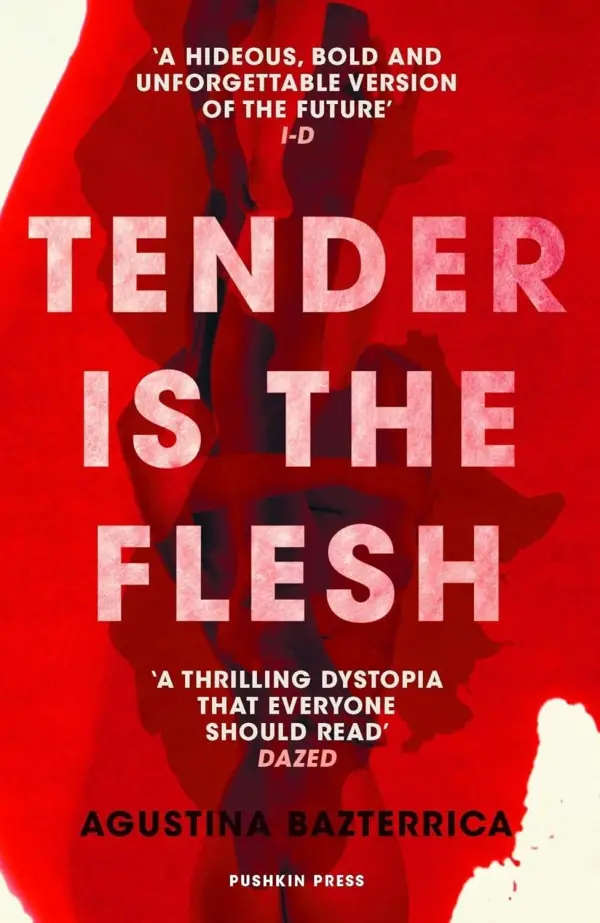
Tender Is the Flesh by Agustina Bazterrica depicts a dystopian world where a virus makes animal meat deadly, leading to legalized cannibalism. Marcos works at a human processing plant in this unflinching exploration of dehumanization and complicity.
These twenty books prove that Valentine's Day doesn't require hearts and flowers. Whether you're celebrating singleness, rejecting romantic pressure, or simply preferring your stories dark and complex, these reads offer the perfect antidote to February's saccharine sentimentality. They remind us that the most interesting stories often explore love's failures, complications, and dark underbelly - or skip romance entirely in favour of survival, revenge, and hard-won independence. So this Valentine's Day, give yourself permission to choose stories that match your mood, whether that's cynical, independent, or simply uninterested in the romance industrial complex.
Madeline Miller
Average Goodreads rating4.5
R. F. Kuang
The Poppy War, book 1
Average Goodreads rating4.3
Sarah J. Maas
A Court of Thorns and Roses (ACOTAR), book 1
Average Goodreads rating4.5
Pierce Brown
Red Rising, book 1
Average Goodreads rating4.5
Agustina Bazterrica
Average Goodreads rating4.0
Gillian Flynn
Average Goodreads rating4.0
Christina Lauren
Average Goodreads rating4.3
Paula Hawkins
Average Goodreads rating4.1
Liane Moriarty
Average Goodreads rating4.5
A. J. Finn
Average Goodreads rating4.1
Grady Hendrix
Average Goodreads rating4.4
Catriona Ward
Average Goodreads rating3.9
Silvia Moreno-Garcia
Average Goodreads rating3.9
V. E. Schwab
Villains, book 1
Average Goodreads rating4.2
Talia Hibbert
The Brown Sisters, book 1
Average Goodreads rating4.2
Talia Hibbert
The Brown Sisters, book 3
Average Goodreads rating4.4
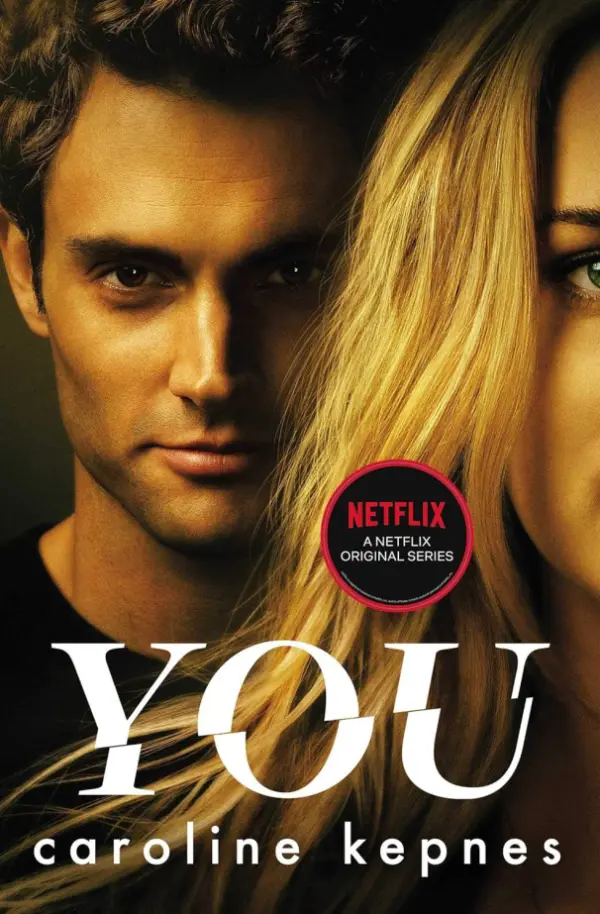
Caroline Kepnes
You, book 1
Average Goodreads rating4.2
Stephen Graham Jones
Average Goodreads rating3.8
Abby Jimenez
Part of Your World, book 1
Average Goodreads rating4.3
Occasional emails with new recommendations, series news and trope round-ups.