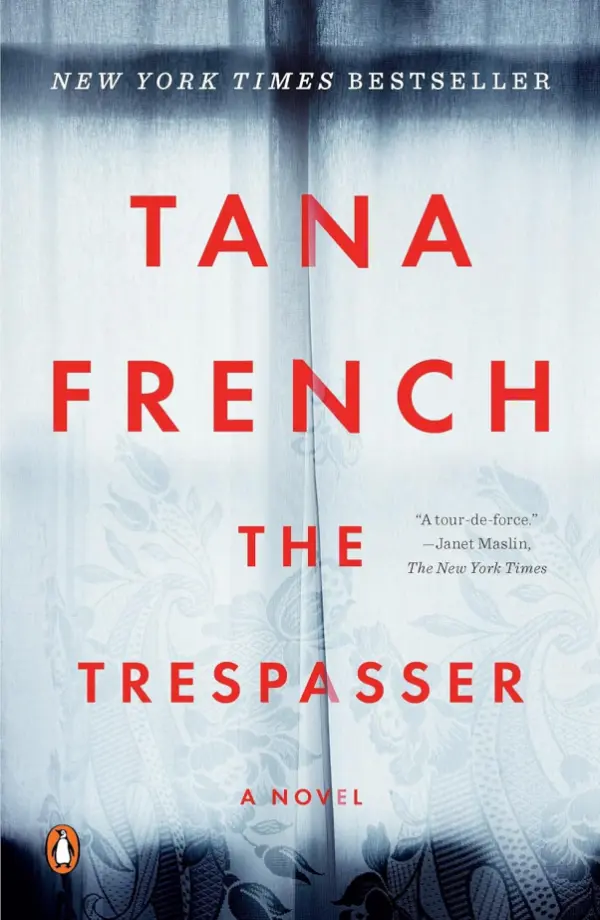
The Trespasser
Tana French
Dublin Murder Squad, book 6
Average Goodreads rating4.0
- Systemic Injustice
- Deception

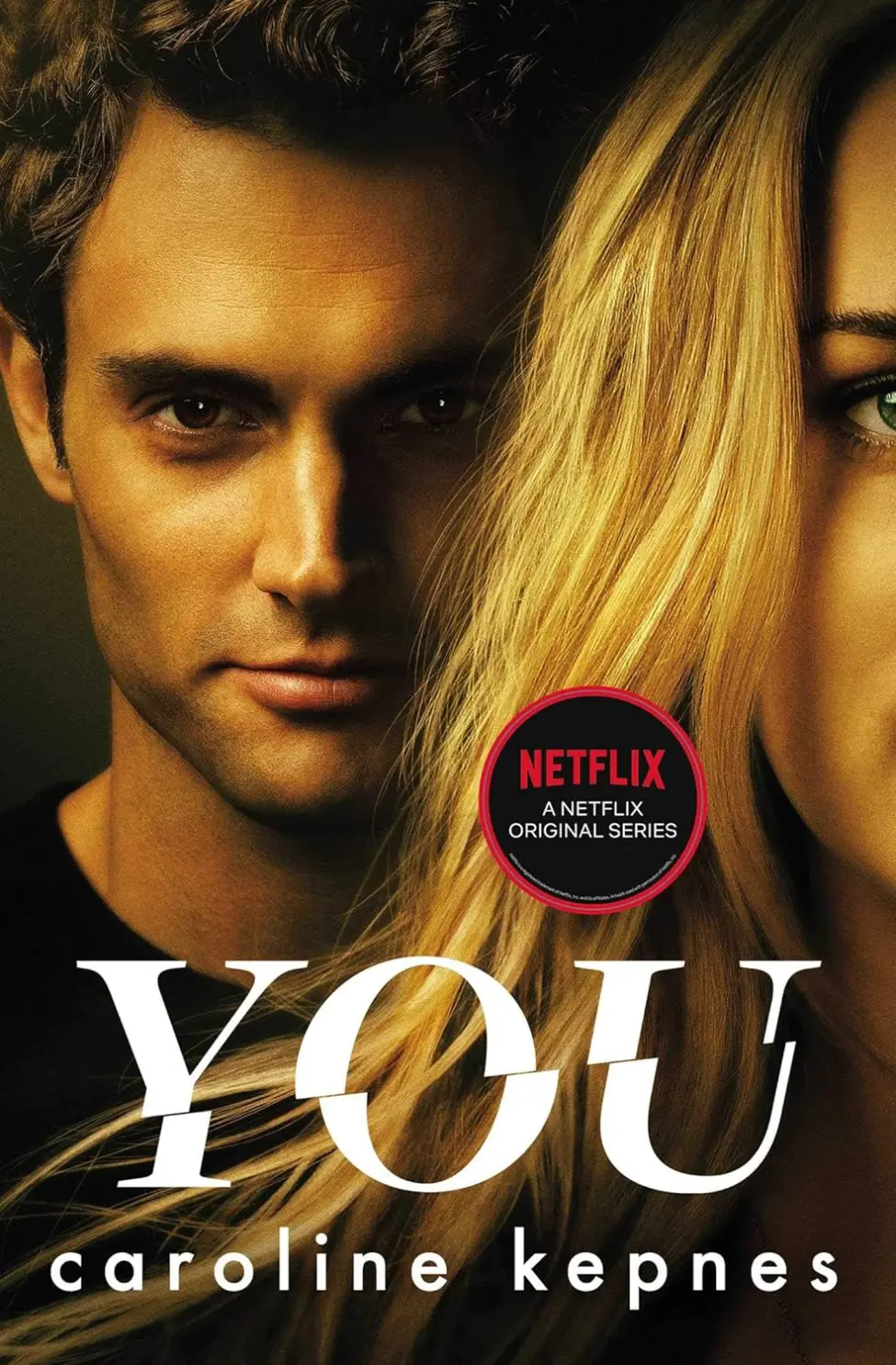
Book 1 in You
We independently select and recommend books. Purchases made through our links may earn us a commission, at no extra cost to you. Prices and availability are set by each retailer.
You by Caroline Kepnes follows bookshop manager Joe Goldberg, who becomes obsessed with customer Guinevere Beck. Using social media to stalk her, Joe's fixation escalates to deadly extremes in this chilling second-person psychological thriller.
Tagged on the series as a whole, so not every book will feature each one.
You is Caroline Kepnes's 2014 debut psychological thriller that revolutionised the genre through its audacious narrative choice: telling a stalker's story in seductive second-person narration that implicates readers in his obsession. This disturbing, brilliant novel examines toxic masculinity, internet culture, and how society romanticises possessive behaviour, creating a protagonist who's simultaneously charming and monstrous - and forcing readers to confront their own complicity in finding him compelling.
Joe Goldberg manages Mooney's, an independent bookshop in New York's East Village. He's well-read, articulate, and passionate about literature. When Guinevere Beck - a beautiful MFA student and aspiring writer - enters his shop, Joe's interest seems harmless. But within minutes of their first interaction, Joe has Googled her, found her social media profiles, and begun constructing a detailed picture of her life based on her online presence.
The novel's revolutionary technique is its second-person narration. Joe addresses Beck - and by extension, the reader - as "you" throughout. "You walk into the bookshop." "You don't know I'm watching." "You post another photo, revealing exactly where you are." This creates disturbing intimacy, positioning readers as both Beck and Joe's confidant. We're simultaneously the object of obsession and the obsessor's audience, implicated in stalking we're powerless to stop.
Joe's obsession escalates with chilling methodicality. He follows Beck through New York, learns her routines, breaks into her apartment, reads her emails, and steals her phone to access her private communications. He frames this surveillance as devotion - he's protecting her, understanding her, loving her better than anyone else could. The cognitive distortions are textbook stalker behaviour, but Kepnes presents them so intimately that readers understand Joe's twisted logic even whilst recognising its monstrosity.
Beck herself is deliberately rendered through Joe's biased perspective. He idolises and criticises her simultaneously - she's perfect but damaged, brilliant but naive, deserving of his obsession but requiring his guidance and control. Readers see Beck only through Joe's gaze, raising questions about who she really is versus who Joe constructs her to be. This limited perspective mirrors how stalkers create fantasies of their victims rather than seeing actual people.
Joe begins removing "obstacles" to their relationship. Beck's wealthy, douchebag boyfriend Benji becomes Joe's first victim - Joe frames him as unworthy of Beck, deserving of death. Her friend Peach Salinger, whom Joe perceives as manipulative and possibly in love with Beck herself, becomes another threat requiring elimination. Joe's violence is always justified in his mind as protecting Beck or clearing the path for their destined love.
The novel's horror lies not in graphic violence but in Joe's utter conviction that he's the hero. He positions himself as romantic protagonist - the sensitive, literary man who truly appreciates Beck versus the shallow men who don't deserve her. His references to classic literature, from Wuthering Heights to The Great Gatsby, expose how culture romanticises obsessive, possessive men and frames stalking as grand romantic gesture.
Kepnes's social satire is razor-sharp. She skewers social media culture and the oversharing that enables stalkers, MFA pretension and literary scene posturing, New York hipster culture, and the performance of authenticity online. The novel demonstrates how our digital footprints create vulnerability - every Instagram post is a location pin, every tweet reveals thoughts, every tagged photo exposes relationships.
Beck's friends - Peach, Lynn, Chana - are rendered through Joe's hostile perception, yet glimpses of genuine concern for Beck emerge. The tragedy is that people do notice warning signs about Joe, but Beck dismisses them, caught in Joe's manipulation and her own desires for artistic validation and romantic connection.
The novel's climax is both inevitable and shocking, delivering on the trajectory established from page one whilst still managing to disturb. Kepnes refuses to soften Joe's monstrosity or provide easy moral clarity.
Themes of stalking and obsession, toxic masculinity and Nice Guy entitlement, social media privacy and oversharing, and romanticisation of possessive behaviour run throughout.

Tana French
Dublin Murder Squad, book 6
Average Goodreads rating4.0

Freida McFadden
The Housemaid, book 1
Average Goodreads rating4.5

Liane Moriarty
Average Goodreads rating4.5
John Marrs
Average Goodreads rating4.1
A. J. Finn
Average Goodreads rating4.1
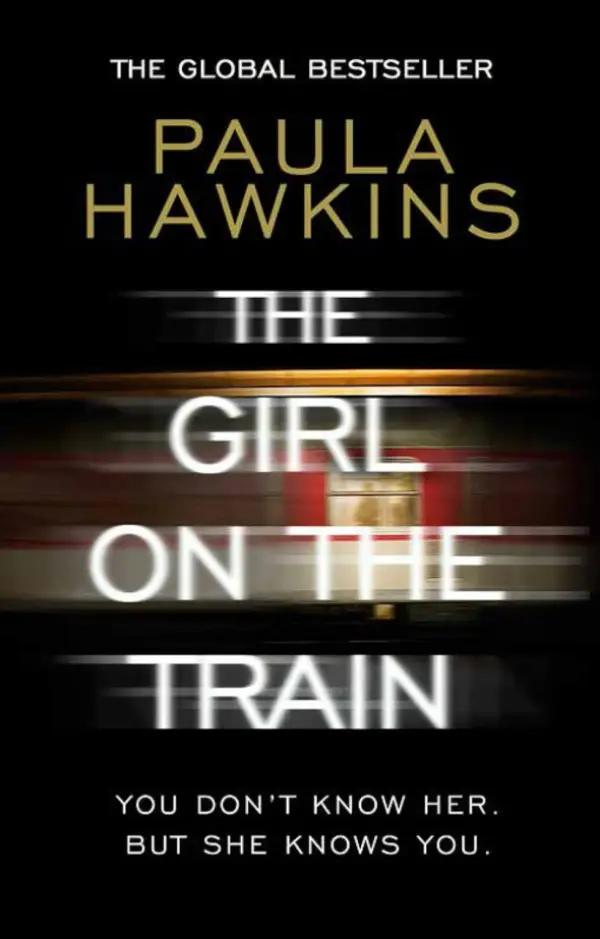
Paula Hawkins
Average Goodreads rating4.1
Still Looking?
Further down our similarity list, but still sharing tropes and genres with this book.
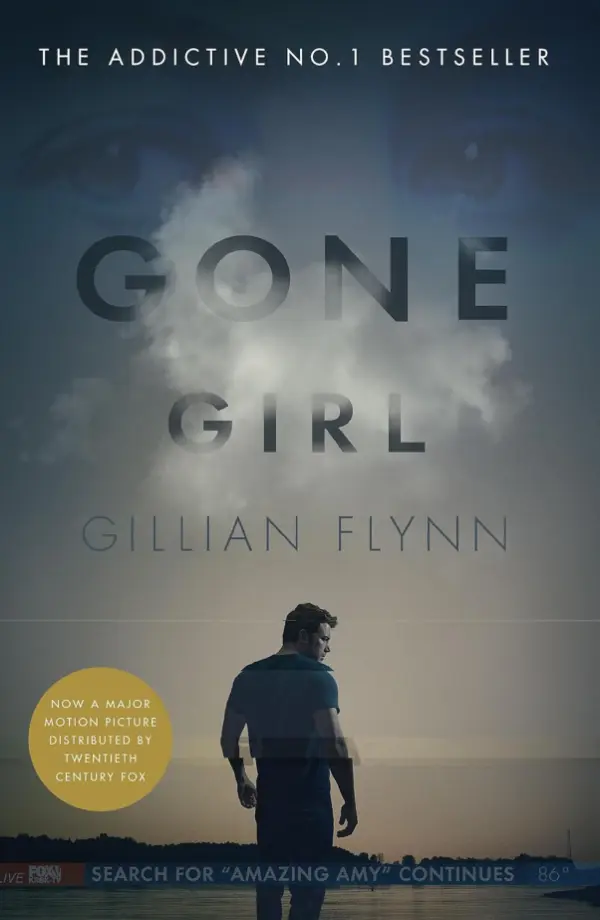
Gillian Flynn
Average Goodreads rating4.0
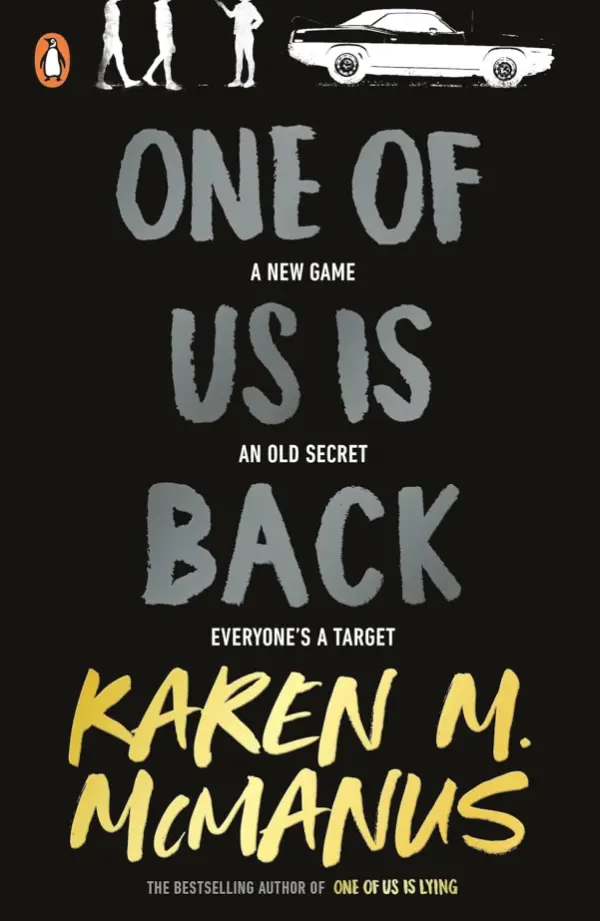
Karen M. McManus
One of Us is Lying, book 3
Average Goodreads rating4.6
Buy from Amazon (opens Amazon in a new tab)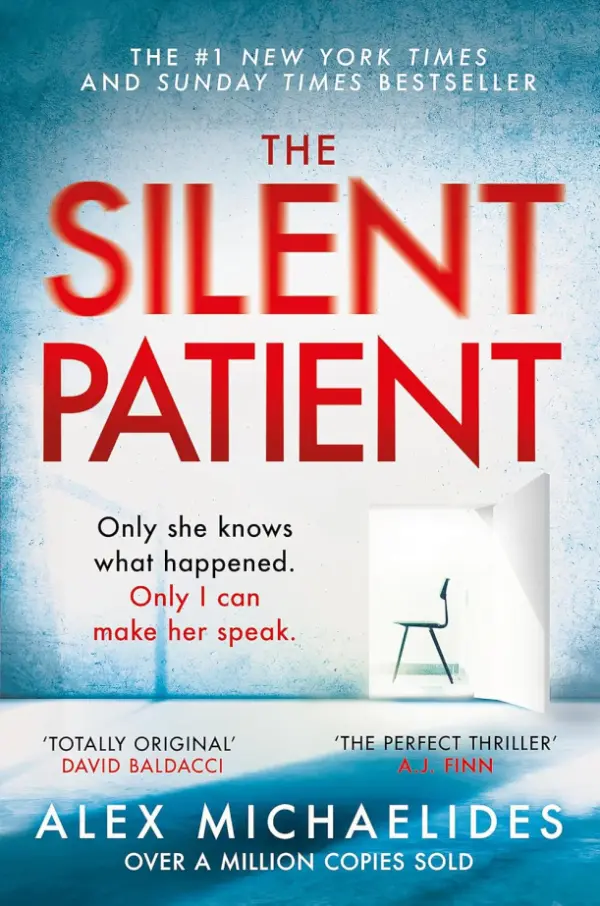
Alex Michaelides
Average Goodreads rating4.3
Caroline Kepnes is an American author renowned for the You series featuring obsessive stalker Joe Goldberg. Her darkly compelling psychological thrillers explore toxic relationships, obsession, and internet culture through disturbingly intimate first-person narration.
Books, series and tropes by Caroline Kepnes
Not feeling the Valentine's spirit? Discover 20 bestselling anti-Valentine's reads across fantasy, thriller, romance, and horror that celebrate independence, revenge, and the beautifully messy reality of relationships.
Occasional emails with new recommendations, series news and trope round-ups.