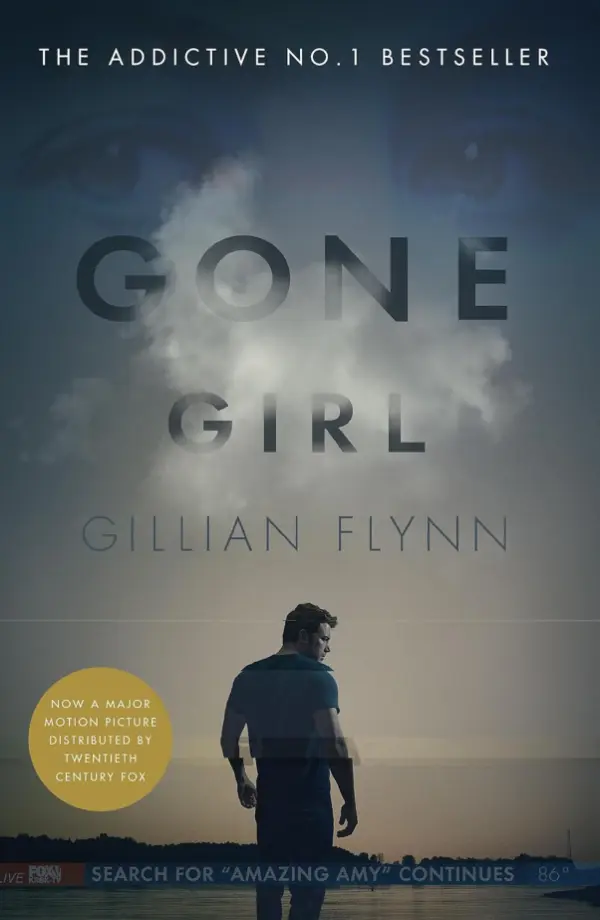
Gone Girl
Average Goodreads rating4.0
- Morally Grey Characters
- Multiple POV

Author · American
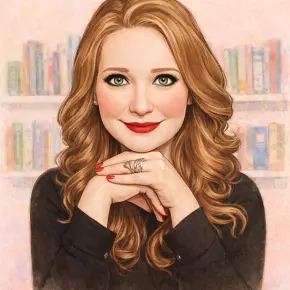
Gillian Flynn is a bestselling American author renowned for dark psychological thrillers featuring complex, morally ambiguous women. Known for Gone Girl, Sharp Objects, and Dark Places, she crafts twisted narratives with unreliable narrators and shocking twists.
New to Gillian Flynn? A popular place to start
Gone Girl by Gillian Flynn follows Nick Dunne, whose wife Amy vanishes on their fifth anniversary. As media frenzy builds and secrets emerge, nothing is what it seems in this twisted psychological thriller about marriage, manipulation, and revenge.
Picked from Gillian Flynn’s most widely rated books on Goodreads, starting at the beginning of its series.
Retailer links may earn Trope Trove a commission, at no extra cost to you.
Not part of a series listed on Trope Trove
Average Goodreads rating4.0
Gillian Flynn is an American author who revolutionized the psychological thriller genre by creating deeply flawed, often unlikeable female protagonists who shattered the "good girl" archetype. With a background in journalism and a talent for crafting twisted plots filled with unreliable narrators and jaw-dropping revelations, Flynn has become one of contemporary fiction's most influential voices, inspiring countless imitators whilst remaining unmatched in her psychological complexity.
Before becoming a novelist, Flynn worked as a television critic and feature writer for Entertainment Weekly for nearly a decade. This journalistic background informs her fiction - her prose is sharp, observational, and cut with dark humour, whilst her plots are meticulously constructed with a journalist's attention to detail and revelation.
Flynn's debut novel, Sharp Objects (2006), introduced her signature style: a damaged female protagonist, a small-town setting hiding dark secrets, and psychological horror rooted in family dysfunction. The novel follows journalist Camille Preaker, who returns to her toxic Missouri hometown to cover the murders of two young girls whilst battling her own demons, including self-harm and a poisonous relationship with her mother. The book announced Flynn as a major talent, though commercial success would come later.
Dark Places (2009) cemented Flynn's reputation for disturbing, complex narratives. The novel follows Libby Day, sole survivor of her family's massacre, who testified against her brother as a child but now, decades later, begins questioning what really happened that night. Flynn employs dual timelines and multiple perspectives to slowly reveal a truth far more complicated than the official story, exploring Satanic Panic hysteria, poverty, and how trauma shapes memory.
Gone Girl (2012) exploded into a cultural phenomenon, spending over 100 weeks on the New York Times bestseller list and selling millions of copies worldwide. The novel follows Nick and Amy Dunne's disintegrating marriage, told through alternating perspectives: Nick's present-day account of his wife's disappearance and Amy's diary entries leading up to that day. The book's central twist - which won't be spoiled here - became legendary, and the novel sparked countless discussions about marriage, gender dynamics, media manipulation, and the masks people wear. David Fincher's 2014 film adaptation, with Flynn writing the screenplay, became a critical and commercial success.
Since Gone Girl, Flynn has been more selective with output. She adapted Sharp Objects for HBO (2018), a limited series starring Amy Adams that brought her disturbing debut to new audiences. Her involvement in screenwriting and television production has slowed her novel output, but this has only heightened anticipation for future books.
Flynn's writing is characterized by deeply flawed, morally ambiguous female protagonists who refuse to be likeable, unreliable narrators who manipulate readers as skillfully as they manipulate other characters, dark humour cutting through psychological horror, twisted family dynamics and toxic relationships, small-town Gothic atmosphere, and meticulously plotted twists that recontextualize everything preceding them.
Common themes include the performance of femininity and marriage, the gap between public personas and private selves, trauma's long-term psychological effects, toxic mother-daughter relationships, class and economic desperation, media manipulation and public perception, violence women inflict and experience, and the question of whether anyone is truly knowable.
Flynn's prose is sharp and unflinching, balancing literary sophistication with page-turning suspense. She doesn't write "likeable" women but rather complex, human ones - capable of cruelty, manipulation, violence, and survival. Her protagonists aren't victims waiting for rescue but active agents of their own stories, for better or worse.
Her influence on contemporary thriller fiction is immeasurable, spawning the "domestic noir" subgenre and proving that female protagonists could be as dark, twisted, and fascinating as any male antihero.
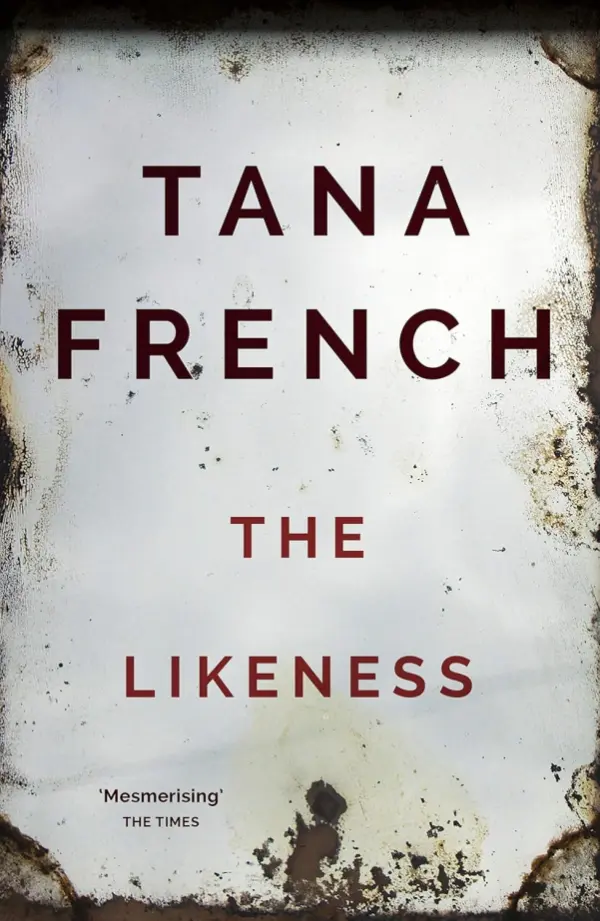
Tana French
Dublin Murder Squad, book 2
Average Goodreads rating4.1
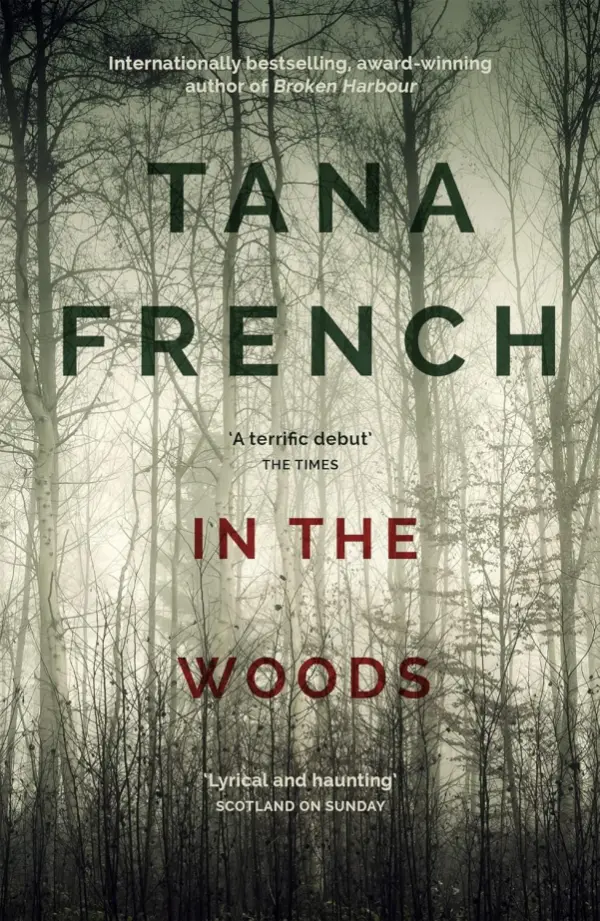
Tana French
Dublin Murder Squad, book 1
Average Goodreads rating3.8
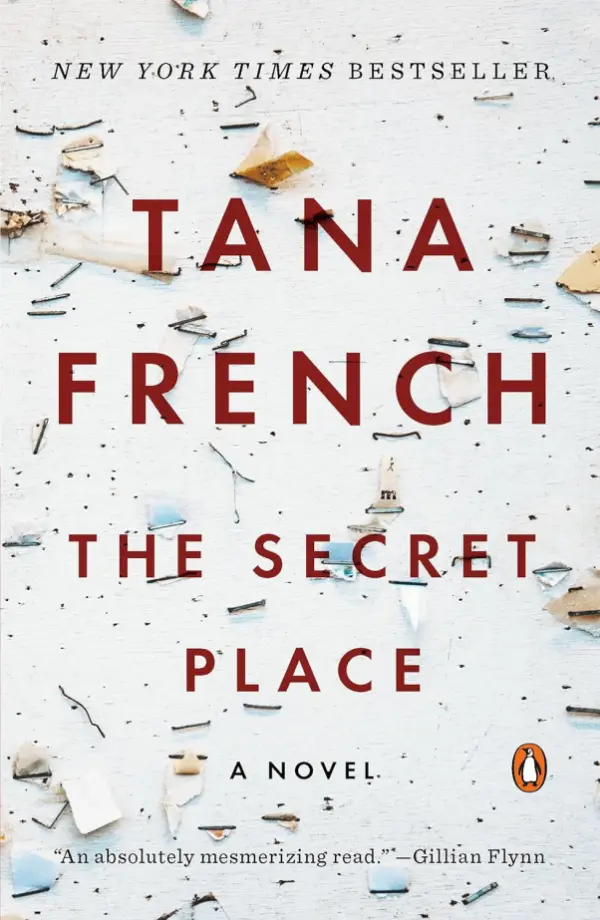
Tana French
Dublin Murder Squad, book 5
Average Goodreads rating3.8

Freida McFadden
The Housemaid, book 1
Average Goodreads rating4.5

Freida McFadden
The Housemaid, book 2
Average Goodreads rating4.4

Freida McFadden
The Housemaid, book 3
Average Goodreads rating4.3
Not feeling the Valentine's spirit? Discover 20 bestselling anti-Valentine's reads across fantasy, thriller, romance, and horror that celebrate independence, revenge, and the beautifully messy reality of relationships.
Occasional emails with new recommendations, series news and trope round-ups.