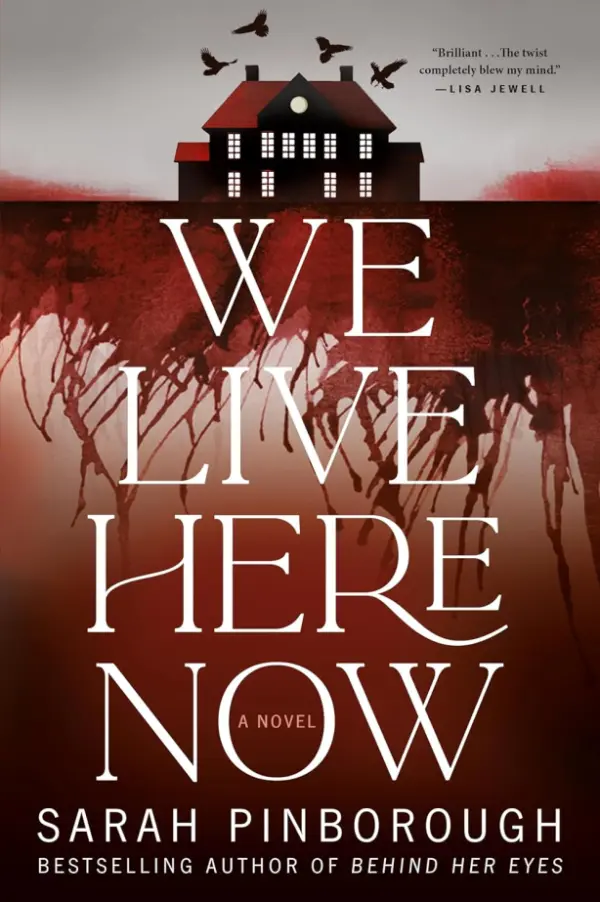
We Live Here Now
Sarah Pinborough
Average Goodreads rating4.0
- Multiple POV
- Twist Ending

We independently select and recommend books. Purchases made through our links may earn us a commission, at no extra cost to you. Prices and availability are set by each retailer.
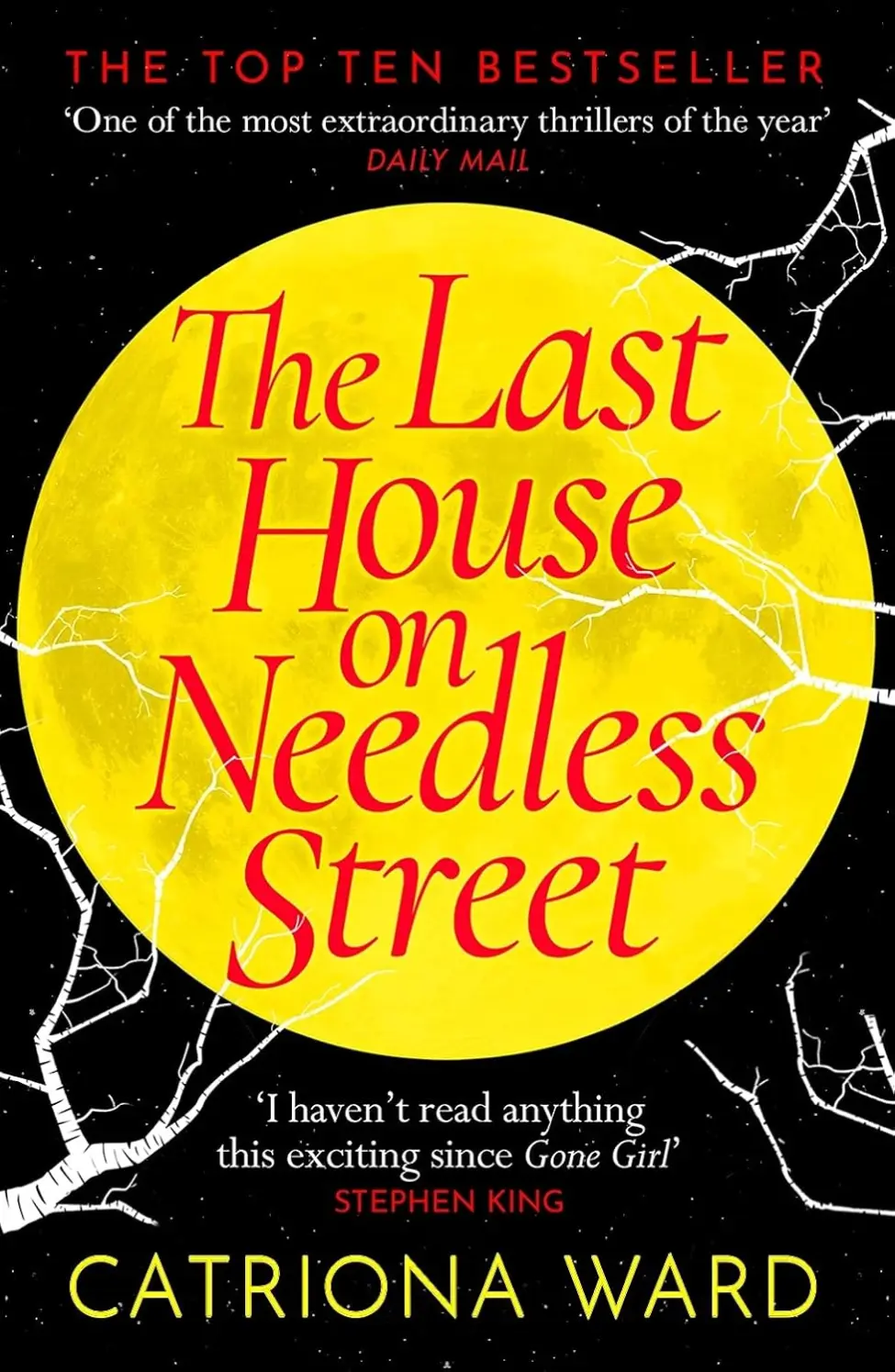
The Last House on Needless Street by Catriona Ward follows Ted, a reclusive man living with his daughter and cat in a boarded-up house. When a neighbour suspects him of a child's disappearance, dark secrets emerge in this devastating psychological horror.
The Last House on Needless Street is Catriona Ward's 2021 masterpiece that redefined contemporary horror, earning widespread critical acclaim and numerous awards including the British Fantasy Award and Shirley Jackson Award. This profoundly disturbing psychological thriller employs unreliable narrators, devastating twists, and literary sophistication to create one of the most talked-about horror novels of recent years - a book that demands to be discussed but cannot be spoiled without destroying its devastating impact.
The novel opens with three primary perspectives. Ted Bannerman lives alone in a boarded-up house on Needless Street with his young daughter Lauren and his cat Olivia. Ted suffers memory blackouts, drinks heavily, and keeps his house sealed against the outside world. He's clearly damaged, possibly dangerous, and hiding something - but also strangely sympathetic in his evident suffering and devotion to Lauren.
Dee is a woman consumed by grief and obsession. Eleven years ago, her six-year-old sister Lulu disappeared from a nearby lake. Dee is convinced Ted is responsible and has moved across the street to surveil him, determined to uncover proof and achieve justice for Lulu. Her chapters reveal a woman whose life has been consumed by loss and the need for answers.
Then there's Olivia the cat, whose first-person narration is both unsettling and oddly compelling. Olivia describes the house's strange rules, her fear of "the bad man," and her protective feelings toward Ted. Her perspective is simultaneously the most reliable - cats don't lie - and most unreliable, filtered through feline understanding of human behaviour.
Ward structures the novel as a slow reveal, parcelling out information through these contradictory perspectives whilst withholding crucial context. Early chapters establish Ted as potentially monstrous - the locked doors, the blocked windows, the daughter who may or may not exist, the memory gaps. But Ward also humanizes him, showing his vulnerability, his fear, and moments of genuine kindness. Readers are left uncertain whether Ted is a predator, a victim, or something else entirely.
As the novel progresses, Ward introduces additional perspectives and timelines, gradually revealing fragments of truth whilst raising more questions. The tension builds not through external threat but through mounting psychological unease - the sense that reality itself is unreliable, that something fundamental is wrong, and that the truth, when it emerges, will be devastating.
And it is. The revelations that arrive in the novel's final third are among the most shocking in contemporary fiction—not because they're merely surprising, but because they force complete recontextualisation of everything preceding them. What seemed like straightforward horror becomes something far more complex and heartbreaking. Ward plants clues throughout - the novel rewards careful reading and practically demands rereading - but the misdirection is so skilful that most readers won't see what's coming.
What makes The Last House on Needless Street extraordinary isn't just its twists but what Ward explores through them. This is ultimately a novel about trauma, dissociation, survival, and the stories we tell ourselves to endure the unendurable. Ward handles extremely difficult subject matter - child abuse, trauma-induced dissociation, violence - with sensitivity whilst never softening horror's impact.
The prose is literary and atmospheric, building dread through accumulation of unsettling details rather than cheap scares. Ward creates a claustrophobic atmosphere where reality feels increasingly unstable, mirroring her protagonists' fractured perceptions. The boarded-up house becomes a perfect metaphor for minds sealed against unbearable truth.
Supporting elements add depth: the lake where Lulu disappeared, which holds its own dark history; the forest surrounding Ted's isolated house; the glimpses of Ted's childhood and the trauma that shaped him; and the question of what actually happened to Lulu.
Themes of trauma and its psychological effects, dissociative identity and survival mechanisms, child abuse and its long shadows, grief and obsession, unreliable memory, and the question of identity - who we are versus who trauma makes us - run throughout.
Sarah Pinborough
Average Goodreads rating4.0
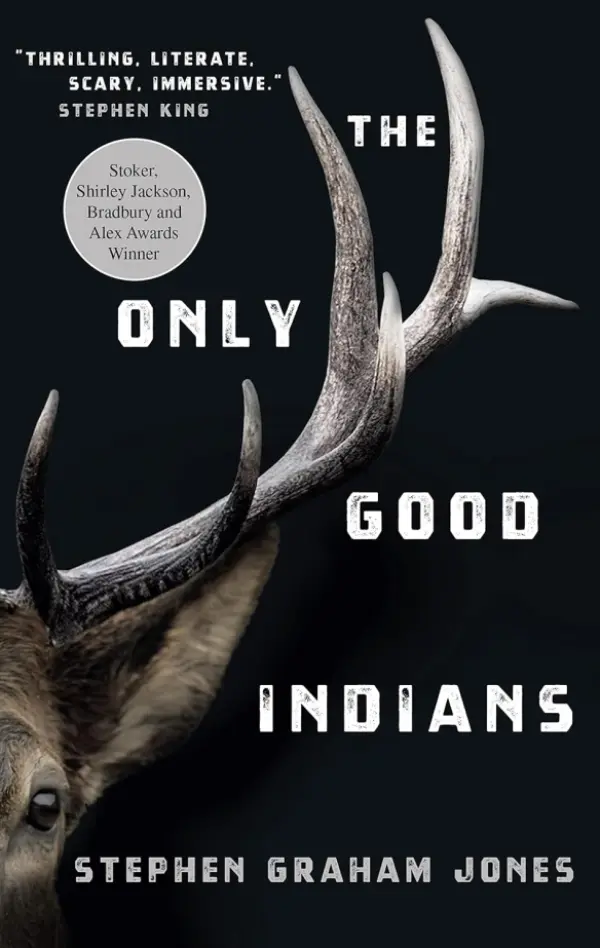
Stephen Graham Jones
Average Goodreads rating3.8
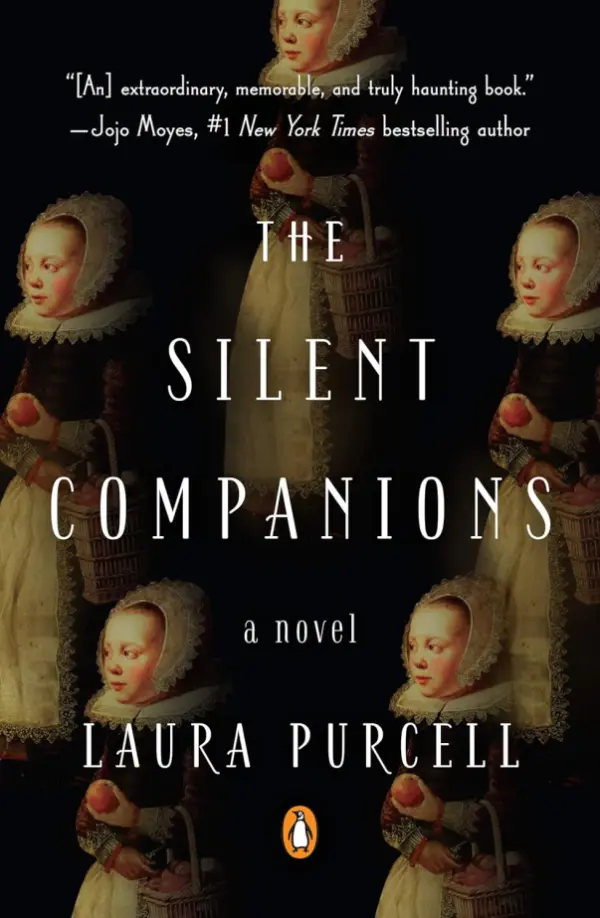
Laura Purcell
Average Goodreads rating3.9
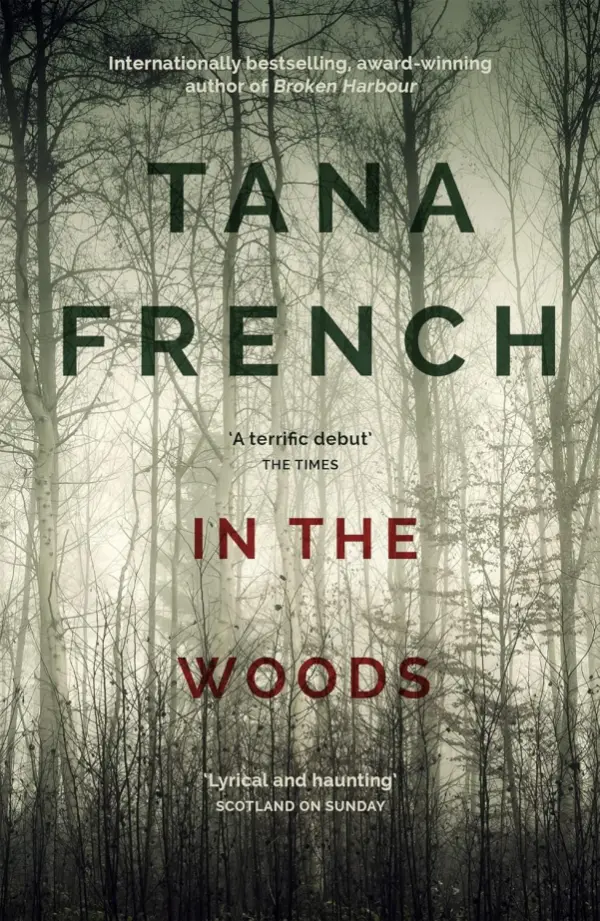
Tana French
Dublin Murder Squad, book 1
Average Goodreads rating3.8
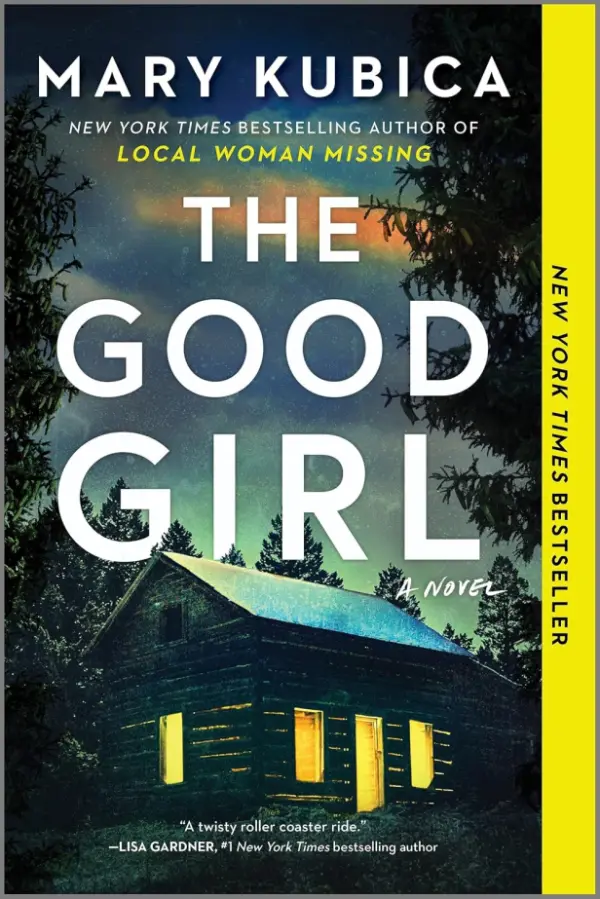
Mary Kubica
Average Goodreads rating3.8
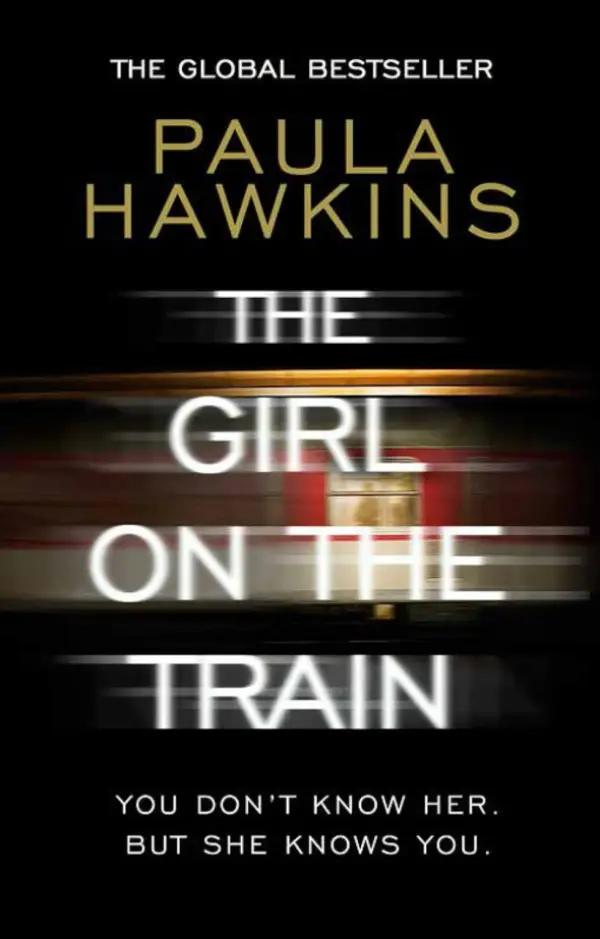
Paula Hawkins
Average Goodreads rating4.1
Still Looking?
Further down our similarity list, but still sharing tropes and genres with this book.
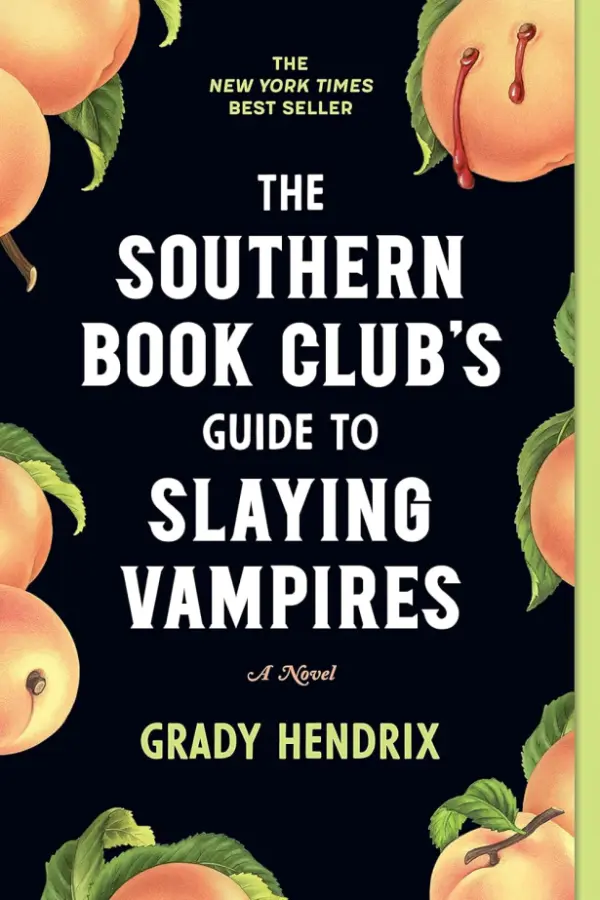
Grady Hendrix
Average Goodreads rating4.4
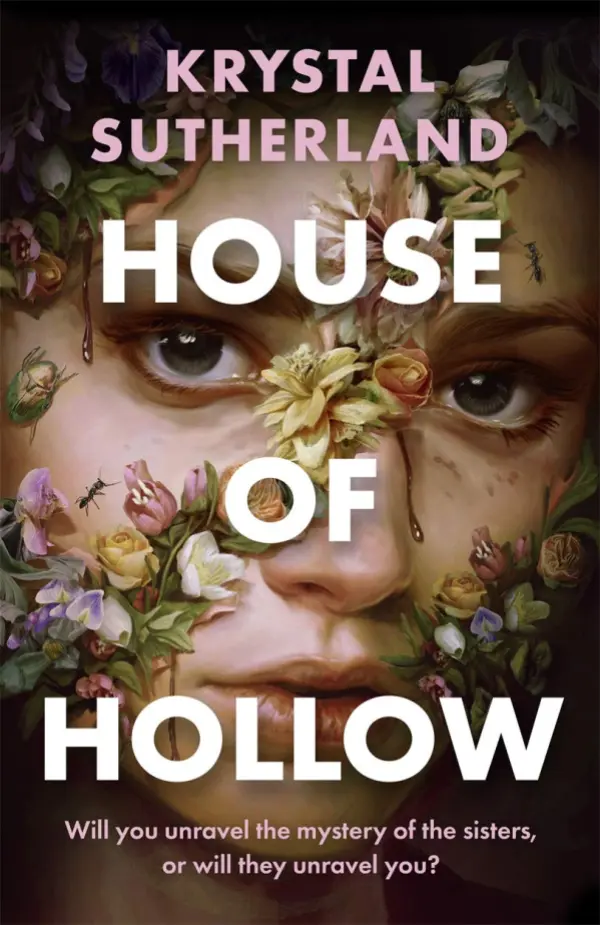
Krystal Sutherland
Average Goodreads rating4.2

Cormac McCarthy
Average Goodreads rating4.2
Catriona Ward is a British-American author known for darkly literary horror and psychological thrillers. Celebrated for The Last House on Needless Street and Sundial, she crafts twisted narratives with unreliable narrators and devastating reveals.
Books, series and tropes by Catriona Ward
Not feeling the Valentine's spirit? Discover 20 bestselling anti-Valentine's reads across fantasy, thriller, romance, and horror that celebrate independence, revenge, and the beautifully messy reality of relationships.
The Last House on Needless Street
Buy from Amazon (opens Amazon in a new tab)Occasional emails with new recommendations, series news and trope round-ups.