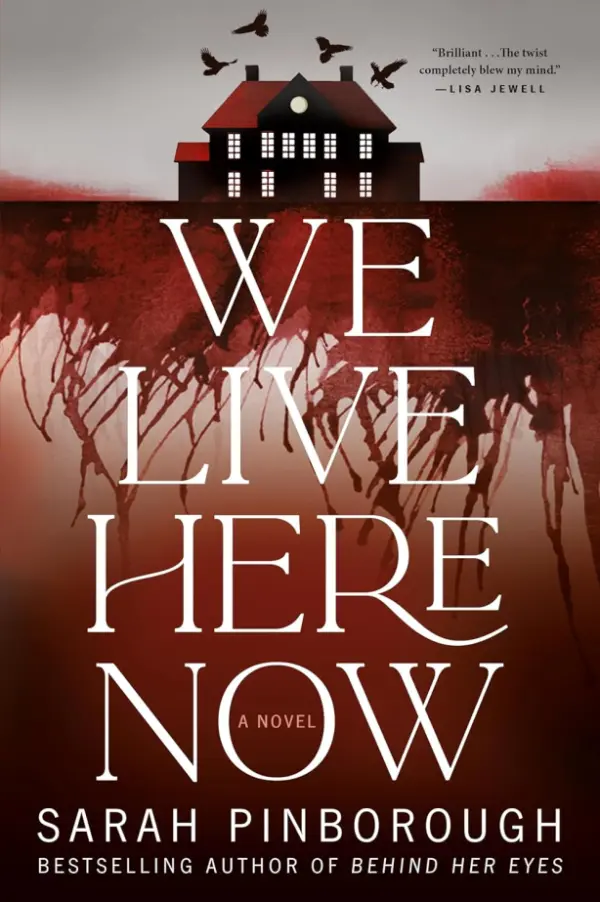
We Live Here Now
Sarah Pinborough
Average Goodreads rating4.0
- Multiple POV
- Twist Ending

We independently select and recommend books. Purchases made through our links may earn us a commission, at no extra cost to you. Prices and availability are set by each retailer.
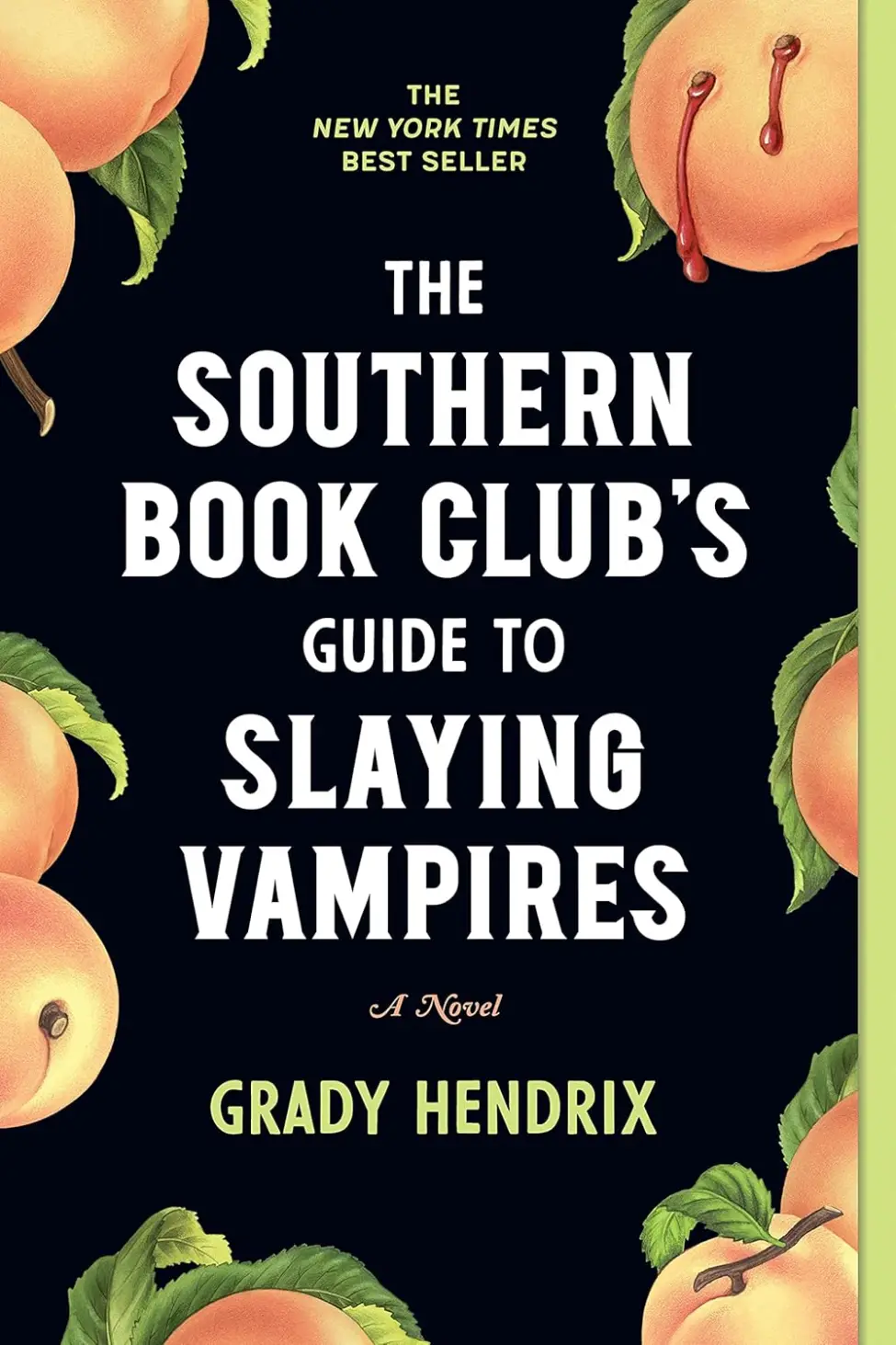
The Southern Book Club's Guide to Slaying Vampires by Grady Hendrix follows a 1990s Charleston housewife who suspects her charming new neighbour is a vampire preying on children. Blending horror with social commentary, it's southern Gothic meets domestic thriller.
The Southern Book Club's Guide to Slaying Vampires is Grady Hendrix's 2020 horror novel that brilliantly combines vampire fiction with biting social commentary about southern womanhood, racism, and the monsters society ignores. Set in 1990s Charleston, South Carolina, this genre-bending thriller proves that the most terrifying predators aren't supernatural creatures but the systems that enable them - and the courage required to fight back when no one believes you.
Patricia Campbell is a devoted wife, mother, and member of a book club that's shifted from beach reads to true crime. Her husband Carter is a respected psychiatrist, her teenage children are typical problems, and her life revolves around PTA meetings, church socials, and maintaining appearances in their affluent, gated suburban community. Patricia's dreams of nursing school have long been abandoned for domestic duties, and she's accepted her role as caretaker and peacemaker.
Then James Harris moves in next door. He's handsome, charming, and impossibly helpful - caring for Patricia's senile mother-in-law, volunteering in the Black community across the highway, and quickly becoming everyone's favourite neighbour. But Patricia notices disturbing details: James only appears at night, he has an unnaturally strong grip, and children in the Black neighbourhood are disappearing or falling mysteriously ill.
When Patricia tries to raise concerns, she's dismissed by everyone - her husband, her friends, the police. Carter insists she's being hysterical, probably menopausal. Her book club friends suggest she's stressed or jealous. The white community ignores problems in the Black neighbourhood, whilst Black residents have learned not to expect help from white authorities. Patricia realizes she's facing not just a vampire but a society that enables predators by silencing women, particularly those who violate southern codes of politeness and deference.
Hendrix masterfully blends horror genres: vampire fiction meets domestic thriller meets social commentary. James Harris is genuinely terrifying - his violence is graphic and disturbing, particularly his predation on vulnerable children. But equally horrifying is how easily he operates, protected by southern manners that prevent direct confrontation, racism that makes some victims invisible, and misogyny that dismisses women's concerns as hysteria.
The novel is set specifically in the early 1990s, and Hendrix uses period details brilliantly - references to Blockbuster, cassette tapes, and pre-internet communication create both nostalgia and highlight how isolated Patricia is without modern technology. The setting also allows Hendrix to explore how southern communities were (and remain) structured around maintaining appearances and avoiding "unpleasantness."
Patricia's character arc transforms her from passive housewife to vampire-slaying badass, though Hendrix avoids simple empowerment fantasy. Patricia's journey is messy, costly, and requires sacrificing the comfortable life she's built. Her book club becomes her army - middle-aged women society underestimates but who possess determination, resourcefulness, and willingness to get their hands bloody.
The horror is genuinely frightening, with Hendrix delivering disturbing scenes of violence and body horror that aren't for squeamish readers. But he balances gore with dark humour, particularly in depicting the absurdities of southern social rituals and the book club's discussions that shift from true crime analysis to vampire-hunting strategy.
Supporting characters add depth: the other book club members, each with distinct personalities and skills; Patricia's deteriorating mother-in-law Miss Mary, whose condition James exploits; and the Black community members, particularly Mrs. Greene, who recognize the threat James poses but know white authorities won't help.
Themes of women's voices being silenced, particularly around predators, systemic racism enabling violence against marginalized communities, southern codes of politeness protecting abusers, domestic sphere as battleground, and middle-aged women's agency and rage run throughout. The novel is explicitly about how societies enable monsters - literal and figurative - by dismissing women's warnings and devaluing certain lives.
Sarah Pinborough
Average Goodreads rating4.0
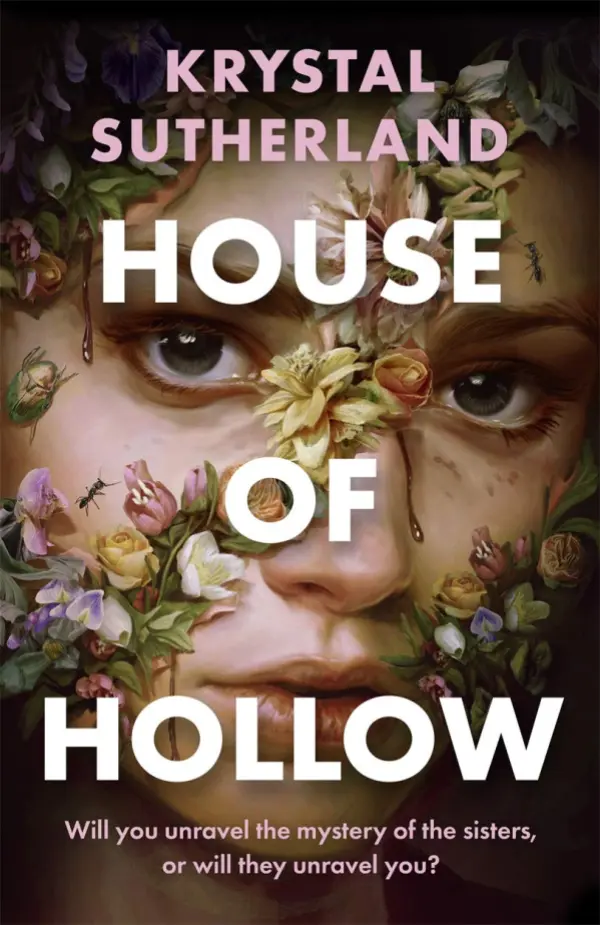
Krystal Sutherland
Average Goodreads rating4.2

Cormac McCarthy
Average Goodreads rating4.2
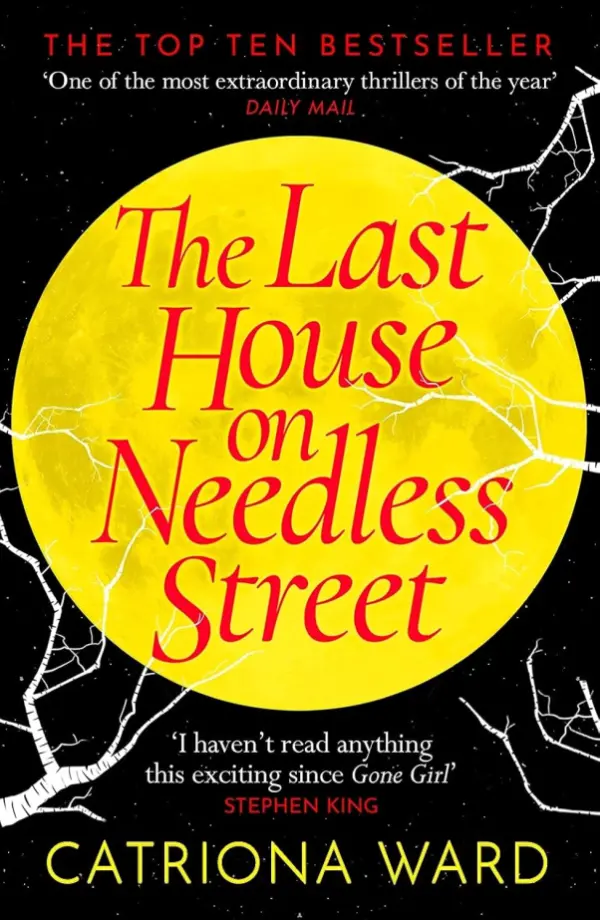
Catriona Ward
Average Goodreads rating3.9
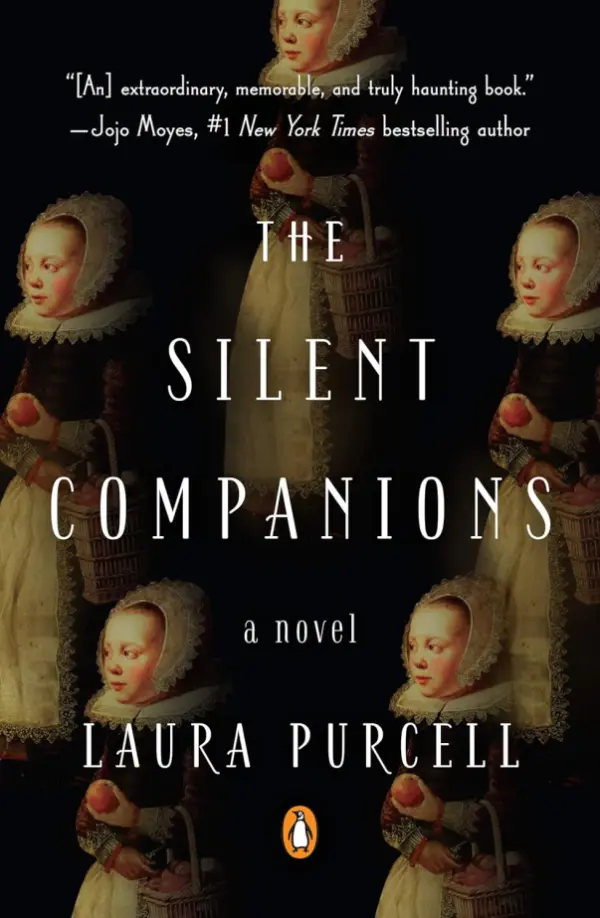
Laura Purcell
Average Goodreads rating3.9
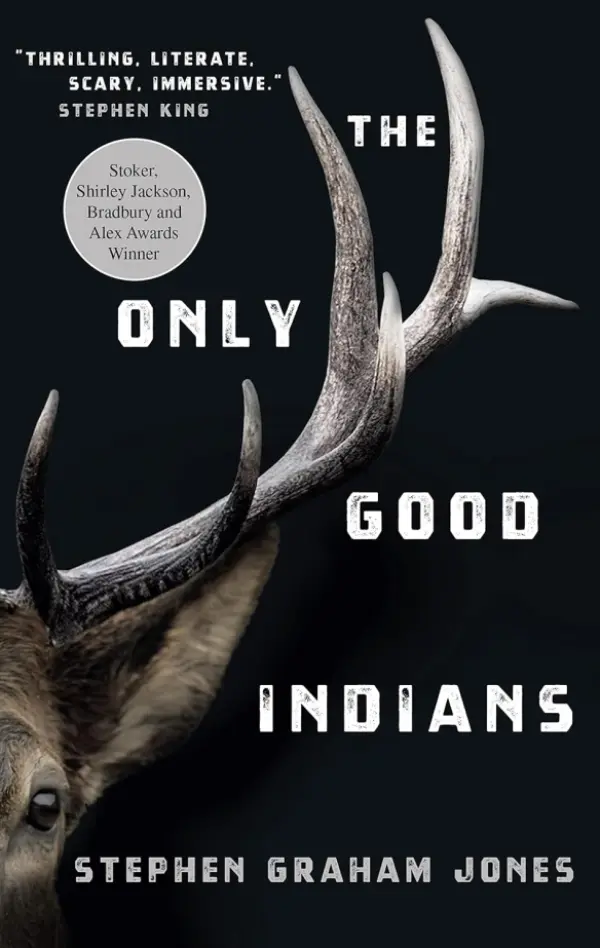
Stephen Graham Jones
Average Goodreads rating3.8
Still Looking?
Further down our similarity list, but still sharing tropes and genres with this book.

Caroline Kepnes
You, book 1
Average Goodreads rating4.2
Buy from Amazon (opens Amazon in a new tab)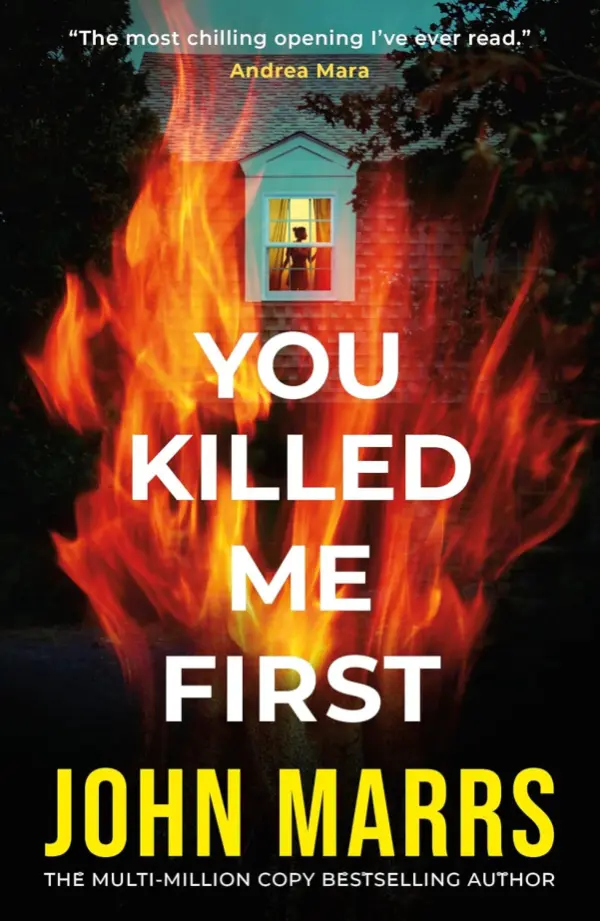
John Marrs
Average Goodreads rating4.0
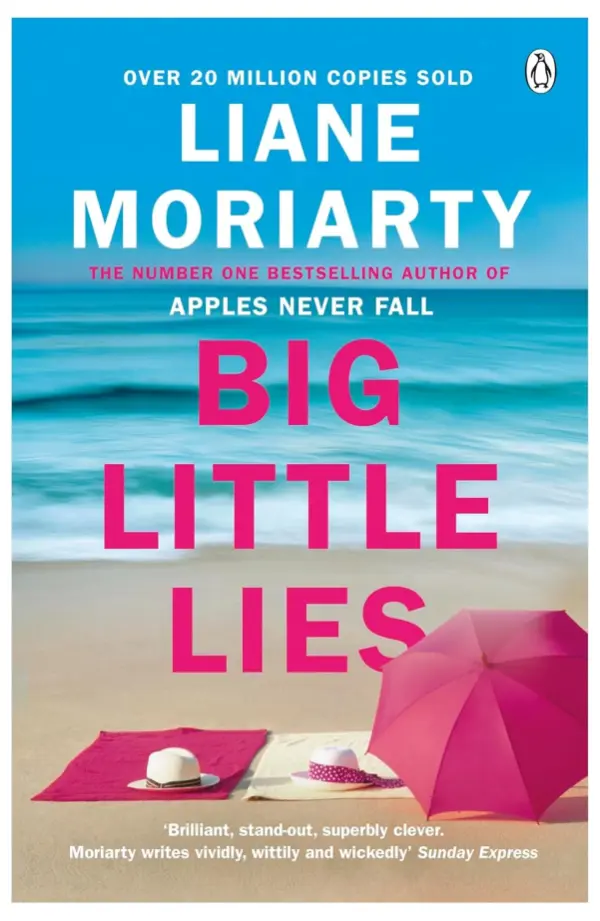
Liane Moriarty
Average Goodreads rating4.5
Grady Hendrix is an American author celebrated for horror novels blending scares with social commentary and dark humour. Known for The Southern Book Club's Guide to Slaying Vampires and My Best Friend's Exorcism, he crafts nostalgic, genre-bending horror.
Books, series and tropes by Grady Hendrix
Not feeling the Valentine's spirit? Discover 20 bestselling anti-Valentine's reads across fantasy, thriller, romance, and horror that celebrate independence, revenge, and the beautifully messy reality of relationships.
The Southern Book Club's Guide to Slaying Vampires
Buy from Amazon (opens Amazon in a new tab)Occasional emails with new recommendations, series news and trope round-ups.