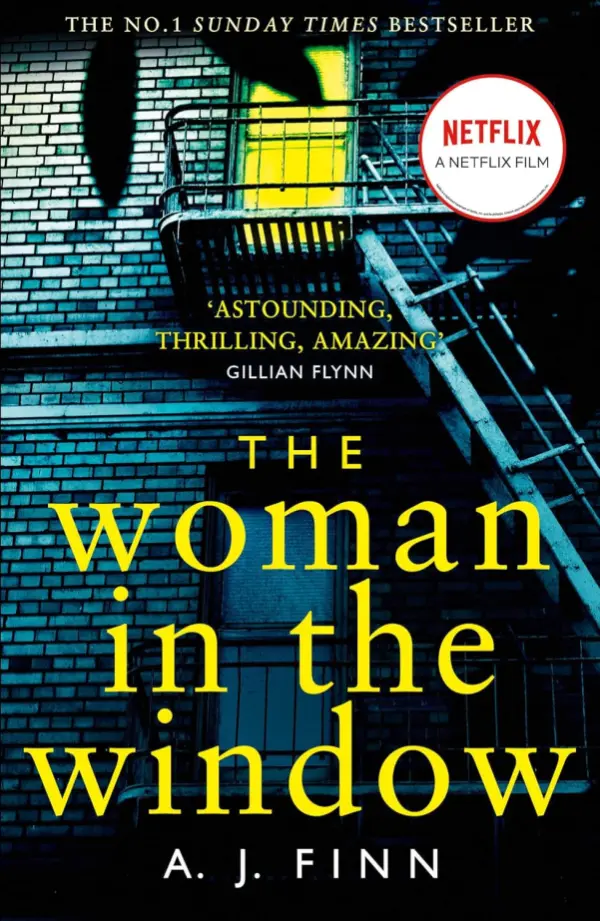
The Woman in the Window
Average Goodreads rating4.1
- Twist Ending
- Psychological Manipulation

Author · American
A.J. Finn is the pen name of Daniel Mallory, an American author known for psychological thriller The Woman in the Window. His debut became a bestseller despite controversy, crafting Hitchcockian suspense with unreliable narrators and twisty plots.
New to A. J. Finn? A popular place to start
The Woman in the Window by A.J. Finn follows agoraphobic Anna Fox, who witnesses a crime across the street - or does she? Trapped in her home, addicted to wine and pills, Anna's grip on reality unravels in this Hitchcockian psychological thriller.
Picked from A. J. Finn’s most widely rated books on Goodreads, starting at the beginning of its series.
Retailer links may earn Trope Trove a commission, at no extra cost to you.
Not part of a series listed on Trope Trove
Average Goodreads rating4.1
A.J. Finn is the pseudonym of Daniel Mallory, an American author whose debut psychological thriller became one of 2018's biggest publishing sensations before becoming embroiled in significant controversy. Despite the tumultuous circumstances surrounding both the book and author, Finn's work demonstrates talent for crafting suspenseful, twist-filled narratives in the tradition of classic psychological thrillers, particularly those influenced by Alfred Hitchcock.
The Woman in the Window (2018) launched with extraordinary commercial success, spending weeks atop the New York Times bestseller list and selling millions of copies worldwide. The novel follows Anna Fox, an agoraphobic child psychologist who spends her days drinking wine, watching old films, and observing her neighbours through her window. When she witnesses what appears to be a crime in the house across the street, she becomes entangled in a mystery where nothing - including her own perceptions - can be trusted. The book's claustrophobic setting, unreliable narrator, and Hitchcockian influences (particularly Rear Window) captivated readers and led to a Netflix film adaptation starring Amy Adams in 2021.
However, Finn's meteoric rise was complicated by a damning 2019 New Yorker investigation revealing that Daniel Mallory had fabricated significant aspects of his personal history, including false claims about terminal cancer, family tragedies, and academic achievements. These revelations cast a shadow over his success, raising questions about authenticity, the publishing industry's due diligence, and the relationship between an author's character and their work's merit.
Following the controversy, Finn maintained relative silence. His second novel, End of Story (2024), arrived six years after his debut - a considerable gap that may reflect both the scandal's fallout and the pressure of following a blockbuster first book. This sophomore effort follows a novelist teaching creative writing in prison who becomes entangled with an inmate who may have murdered his wife, exploring themes of storytelling, truth, and manipulation.
Finn's writing, separate from biographical controversies, demonstrates clear influences from classic psychological thrillers. His work is characterized by Hitchcockian suspense and homage to classic cinema, unreliable narrators with mental health struggles or addiction, isolated protagonists trapped physically or psychologically, twist endings that recontextualize preceding events, and atmospheric settings that become almost claustrophobic.
Common themes include the unreliability of perception and memory, isolation and its psychological effects, obsession and voyeurism, alcoholism and mental illness, the gap between appearance and reality, and gaslighting and manipulation. Finn's protagonists are typically damaged individuals whose credibility is constantly questioned - both by other characters and by readers.
His prose is accessible and page-turning, prioritising suspense and momentum over literary flourishes. The writing effectively builds tension through short chapters, cliffhangers, and carefully controlled information revelation. Finn excels at misdirection, planting clues whilst leading readers toward false conclusions.
The controversy surrounding Finn raises complex questions about separating art from artist. Can readers enjoy The Woman in the Window's twists whilst knowing its author fabricated his own life story? Does an author's dishonesty in life invalidate their fiction? These debates continue amongst readers and critics.
Regardless of scandal, Finn's debut demonstrated genuine talent for psychological suspense that resonated with millions of readers seeking addictive, twist-filled thrillers. Whether he can sustain a long-term career remains uncertain, but his contribution to the psychological thriller genre's recent popularity is undeniable.

Freida McFadden
The Housemaid, book 1
Average Goodreads rating4.5

Freida McFadden
The Housemaid, book 2
Average Goodreads rating4.4

Freida McFadden
The Housemaid, book 3
Average Goodreads rating4.3
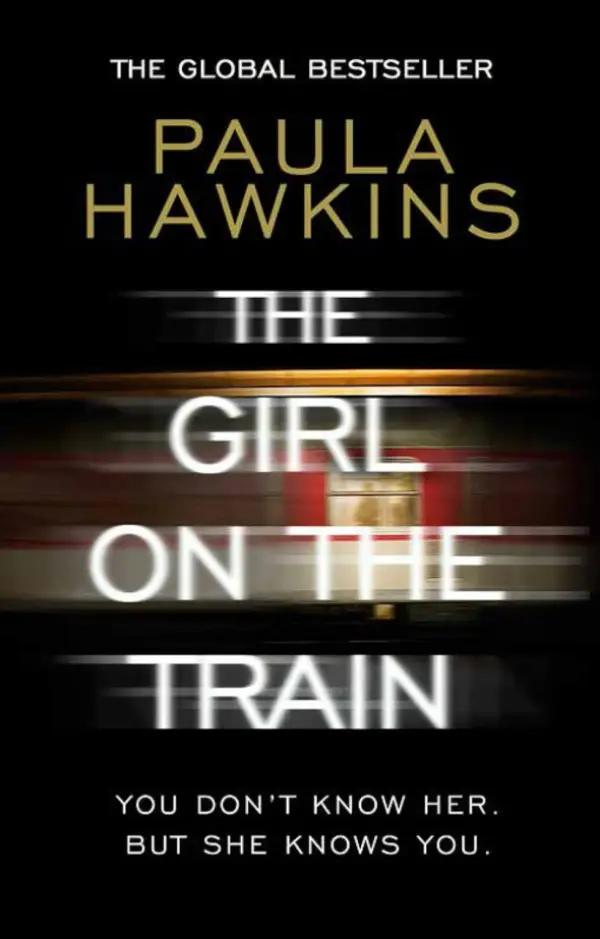
Paula Hawkins
Average Goodreads rating4.1
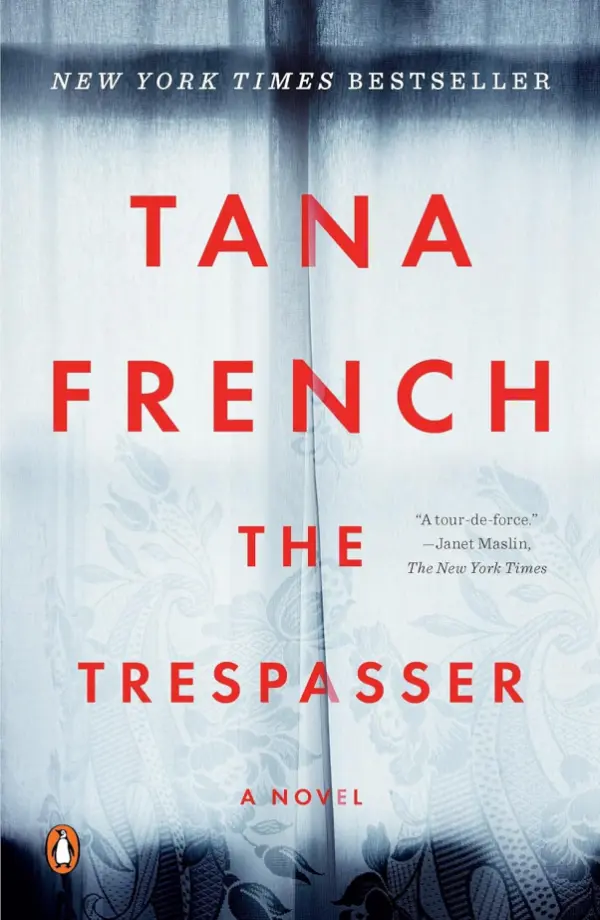
Tana French
Dublin Murder Squad, book 6
Average Goodreads rating4.0
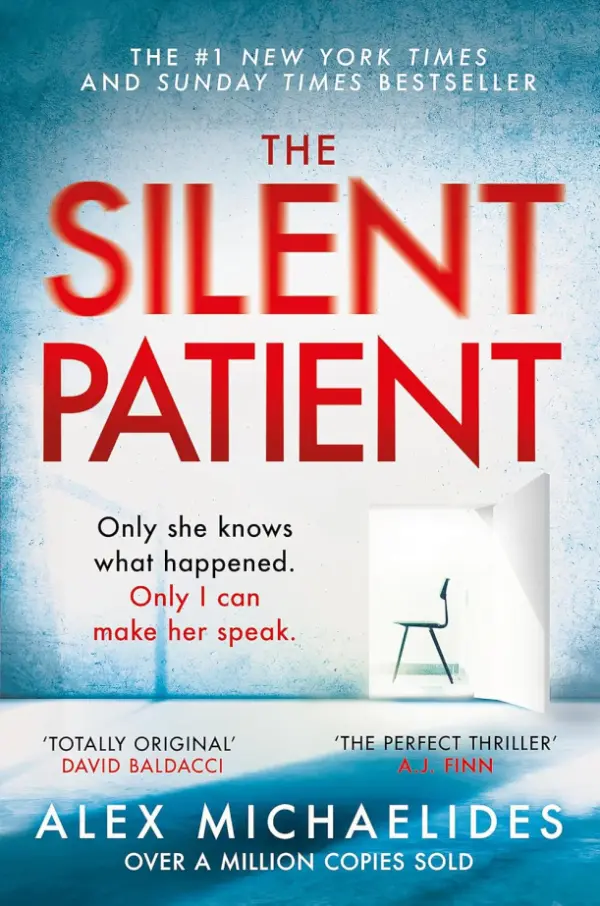
Alex Michaelides
Average Goodreads rating4.3

Not feeling the Valentine's spirit? Discover 20 bestselling anti-Valentine's reads across fantasy, thriller, romance, and horror that celebrate independence, revenge, and the beautifully messy reality of relationships.
Occasional emails with new recommendations, series news and trope round-ups.