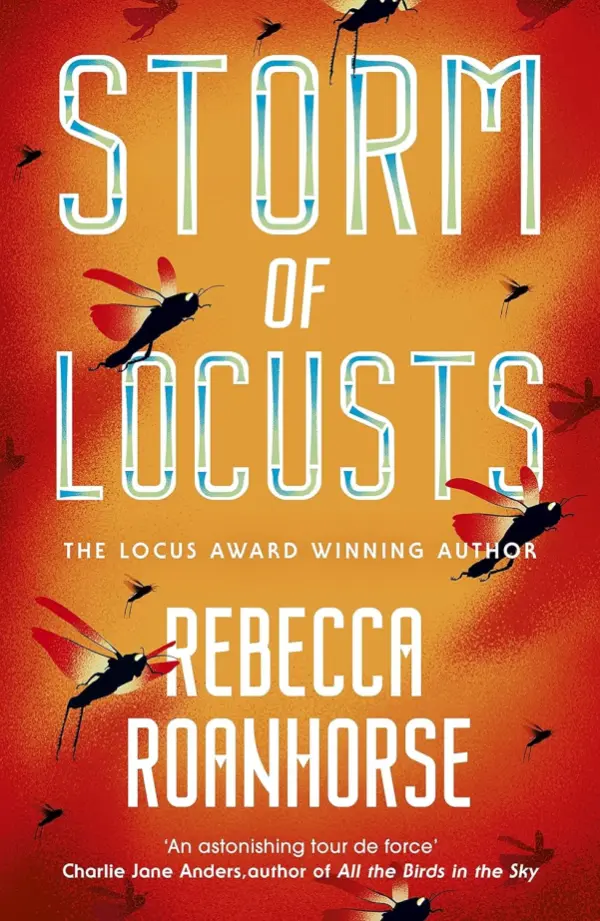
Storm of Locusts
Rebecca Roanhorse
The Sixth World, book 2

We independently select and recommend books. Purchases made through our links may earn us a commission, at no extra cost to you. Prices and availability are set by each retailer.
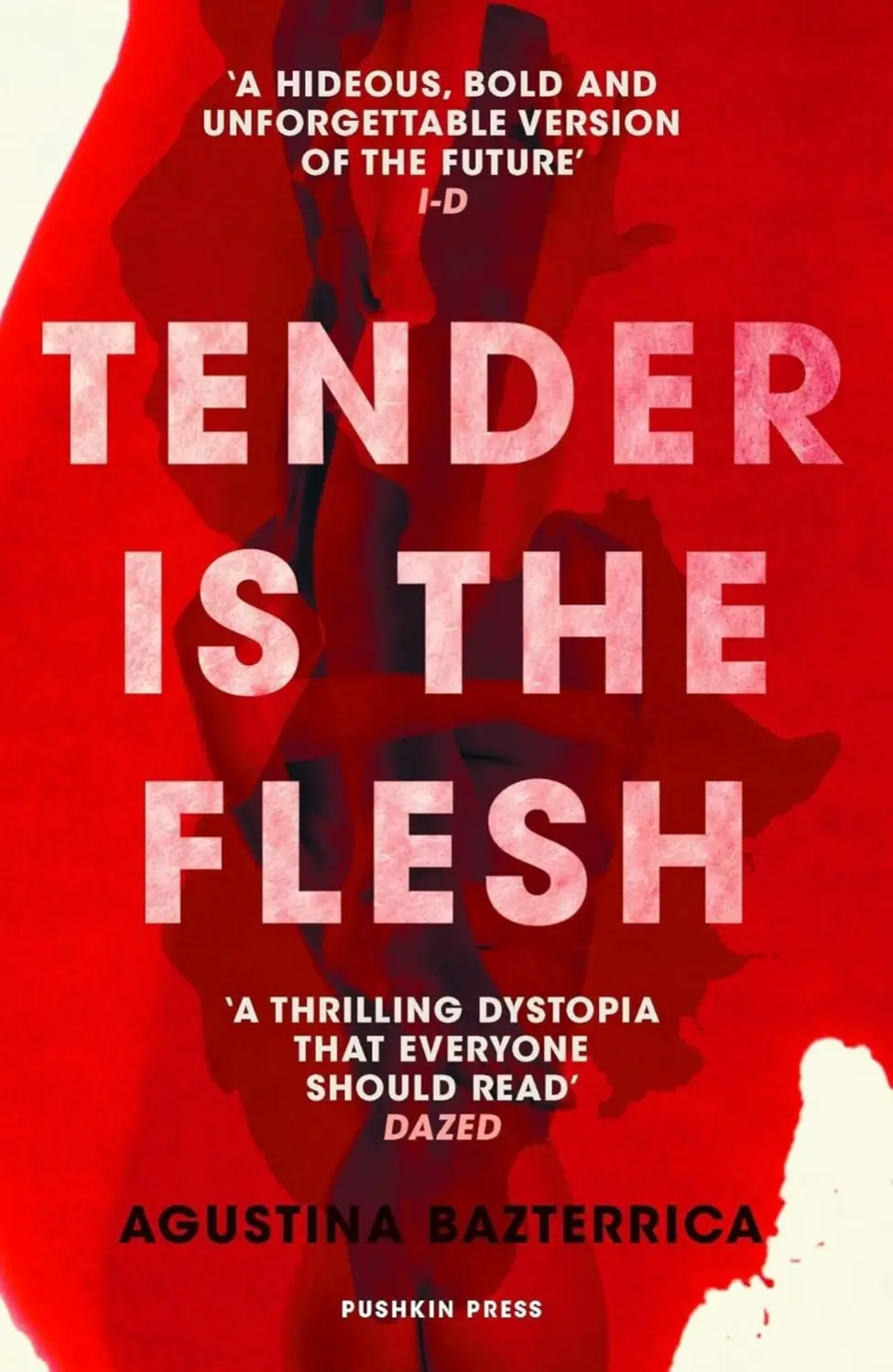
Tender Is the Flesh by Agustina Bazterrica depicts a dystopian world where a virus makes animal meat deadly, leading to legalized cannibalism. Marcos works at a human processing plant in this unflinching exploration of dehumanization and complicity.
Tender Is the Flesh is Agustina Bazterrica's devastating 2017 dystopian novel (English translation 2020) that has become one of contemporary horror's most discussed and disturbing works. This unflinching exploration of industrialized cannibalism serves as both visceral nightmare and scathing social commentary, forcing readers to confront uncomfortable truths about consumption, capitalism, and humanity's capacity to normalize atrocity.
The premise is deceptively simple yet profoundly horrifying: a virus called GGB has contaminated all animal meat, making it deadly to humans. With traditional protein sources eliminated, governments worldwide have legalized the breeding, processing, and consumption of human beings - euphemistically called "special meat" or "product." Society has adapted with disturbing efficiency, creating an entire industry around human farming complete with breeding facilities, processing plants, butcher shops, and fine dining establishments.
Marcos Tejo works as a supervisor at a processing plant, a job he finds morally repugnant yet economically necessary. He's numbed by grief - his infant son died recently, his marriage has collapsed, and his father suffers from dementia in a care facility Marcos can barely afford. The novel follows Marcos through his daily routines: overseeing the slaughter line, managing workers, dealing with clients, and navigating a society that has embraced cannibalism whilst creating elaborate linguistic and psychological frameworks to justify it.
Bazterrica's genius lies not in graphic violence but in methodical detail. She describes the processing plant with clinical precision - the stunning, bleeding, quartering - using language deliberately borrowed from actual meat industry practices. The parallels to factory farming are impossible to miss and entirely intentional. Humans bred for consumption are called "head" rather than people, stripped of personhood through systematic dehumanization that mirrors how societies have historically justified slavery, genocide, and ongoing animal agriculture.
The novel's turning point arrives when Marcos receives a "premium female" as a gift - a young woman bred specifically for consumption, considered top-quality product. He names her Jasmine and keeps her in his barn, initially intending to fatten her for eventual slaughter. But proximity breeds connection, and Marcos finds himself treating her as human despite society's insistence she isn't.
Bazterrica employs third-person narration focused tightly on Marcos's perspective, allowing readers to experience his psychological deterioration as he navigates impossible moral terrain. The prose is spare and unflinching, refusing to sensationalize or provide emotional distance. Readers are forced to sit with the horror, just as Marcos must.
The novel explores how language facilitates atrocity. The government, media, and industry use euphemisms relentlessly - "special meat," "product," "head," "transition" (for slaughter) - creating linguistic distance between actions and their reality. This mirrors how actual industries and governments employ language to obscure violence, from "enhanced interrogation" to "processing facilities."
Class dynamics add another layer. The wealthy eat premium cuts from specialty suppliers, whilst the poor consume processed scraps or government rations. Some people abstain entirely, becoming social outcasts. The Church has adapted, declaring humans bred for consumption lack souls. Society has restructured itself around this new economy, creating hierarchies of who gets consumed and who does the consuming.
Bazterrica draws explicit parallels to factory farming, environmental destruction, and historical atrocities like the Holocaust and slavery. The novel asks: what separates this dystopia from our current reality? How do we justify industrial-scale suffering? What makes one life consumable and another sacred?
The ending - which won't be spoiled here - is devastating and perfectly calibrated, offering neither redemption nor hope but rather brutal honesty about complicity, violence, and humanity's darkest impulses.
Rebecca Roanhorse
The Sixth World, book 2
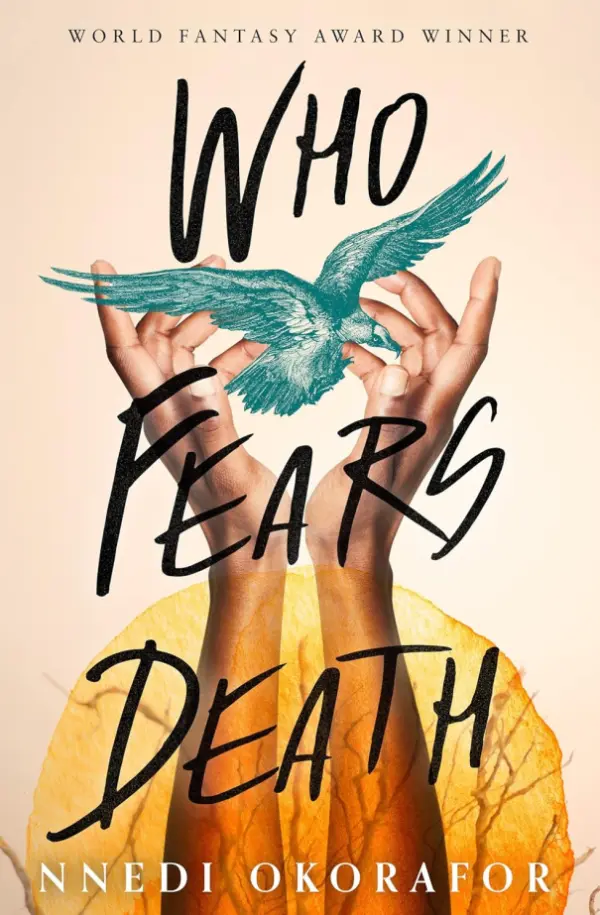
Nnedi Okorafor
Average Goodreads rating4.3

Octavia E. Butler
Parable, book 1
Average Goodreads rating4.4
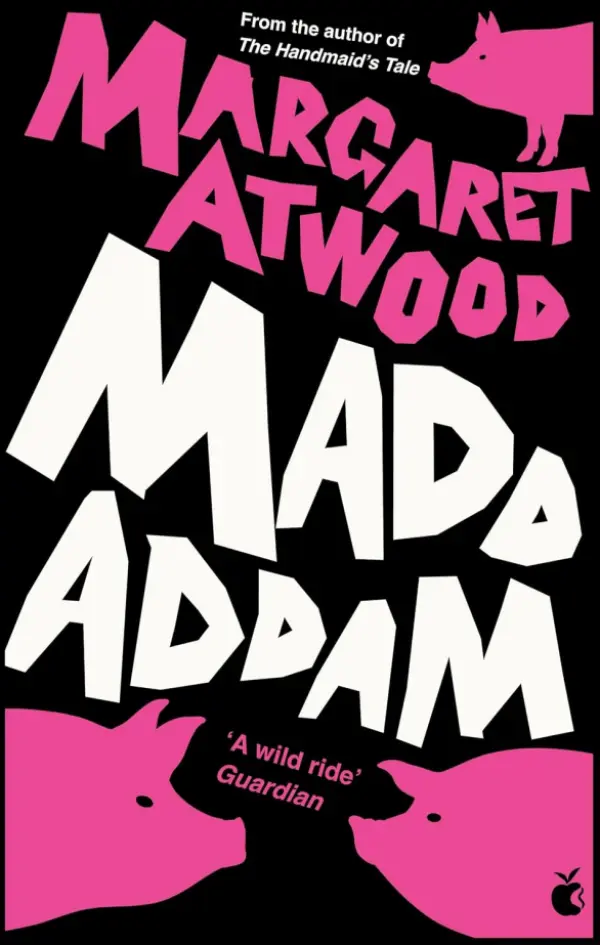
Margaret Atwood
The MaddAddam Trilogy, book 3
Average Goodreads rating4.5

Emily St. John Mandel
Average Goodreads rating4.1
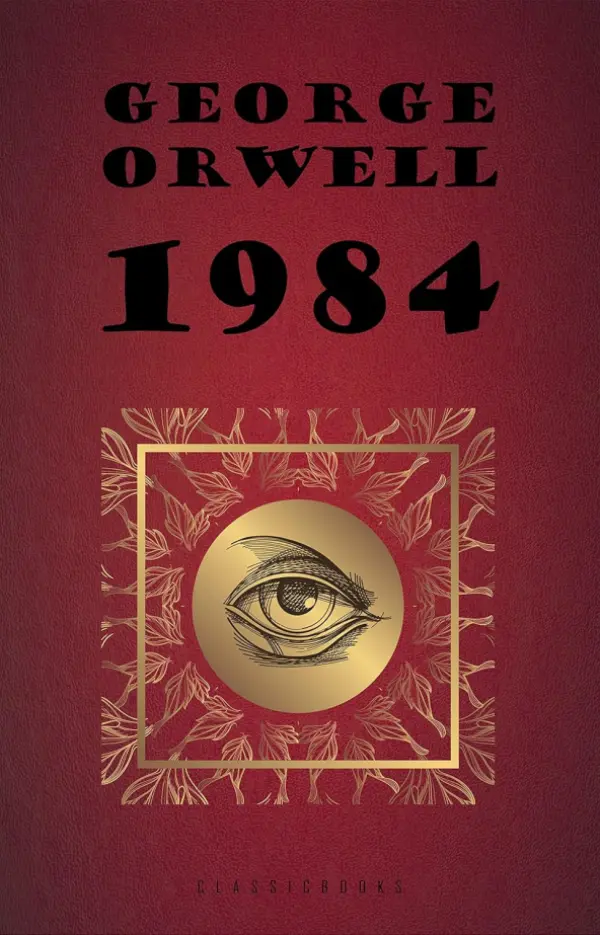
George Orwell
Average Goodreads rating4.4
Still Looking?
Further down our similarity list, but still sharing tropes and genres with this book.

Suzanne Collins
Hunger Games, book 1
Average Goodreads rating4.7
Buy from Amazon (opens Amazon in a new tab)
Blake Crouch
The Wayward Pines Trilogy, book 1
Average Goodreads rating4.1
Buy from Amazon (opens Amazon in a new tab)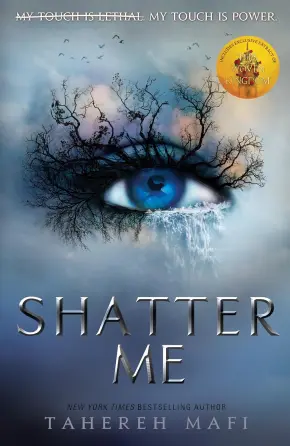
Tahereh Mafi
Shatter Me, book 1
Average Goodreads rating4.2
Buy from Amazon (opens Amazon in a new tab)Agustina Bazterrica is an Argentine author celebrated for dark, philosophical fiction exploring humanity's brutality. Best known for dystopian novel Tender Is the Flesh, she crafts disturbing, thought-provoking narratives that challenge readers' moral boundaries.
Books, series and tropes by Agustina Bazterrica
Not feeling the Valentine's spirit? Discover 20 bestselling anti-Valentine's reads across fantasy, thriller, romance, and horror that celebrate independence, revenge, and the beautifully messy reality of relationships.
Tender is the Flesh
Buy from Amazon (opens Amazon in a new tab)Occasional emails with new recommendations, series news and trope round-ups.