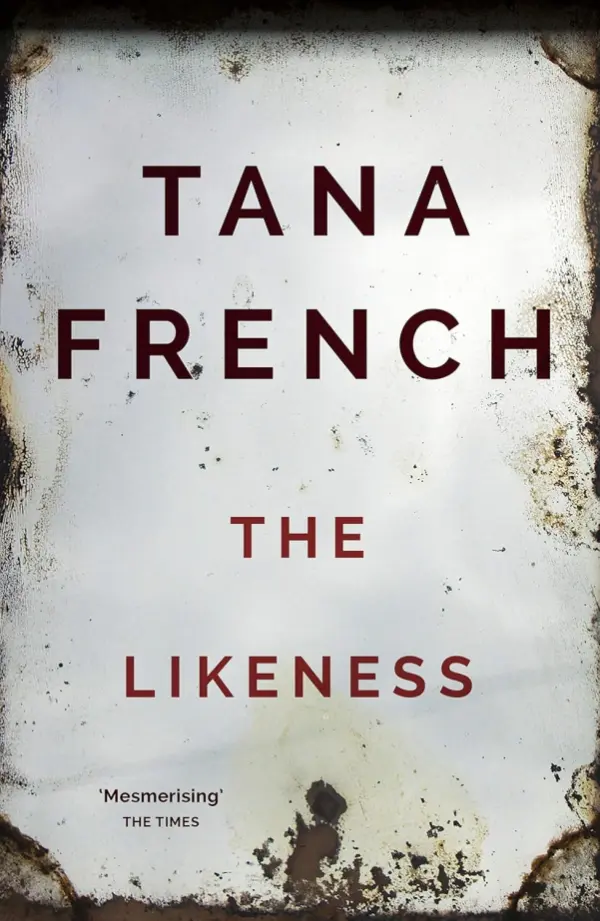
The Likeness
Tana French
Dublin Murder Squad, book 2
Average Goodreads rating4.1
- Found Family
- Multiple POV

We independently select and recommend books. Purchases made through our links may earn us a commission, at no extra cost to you. Prices and availability are set by each retailer.
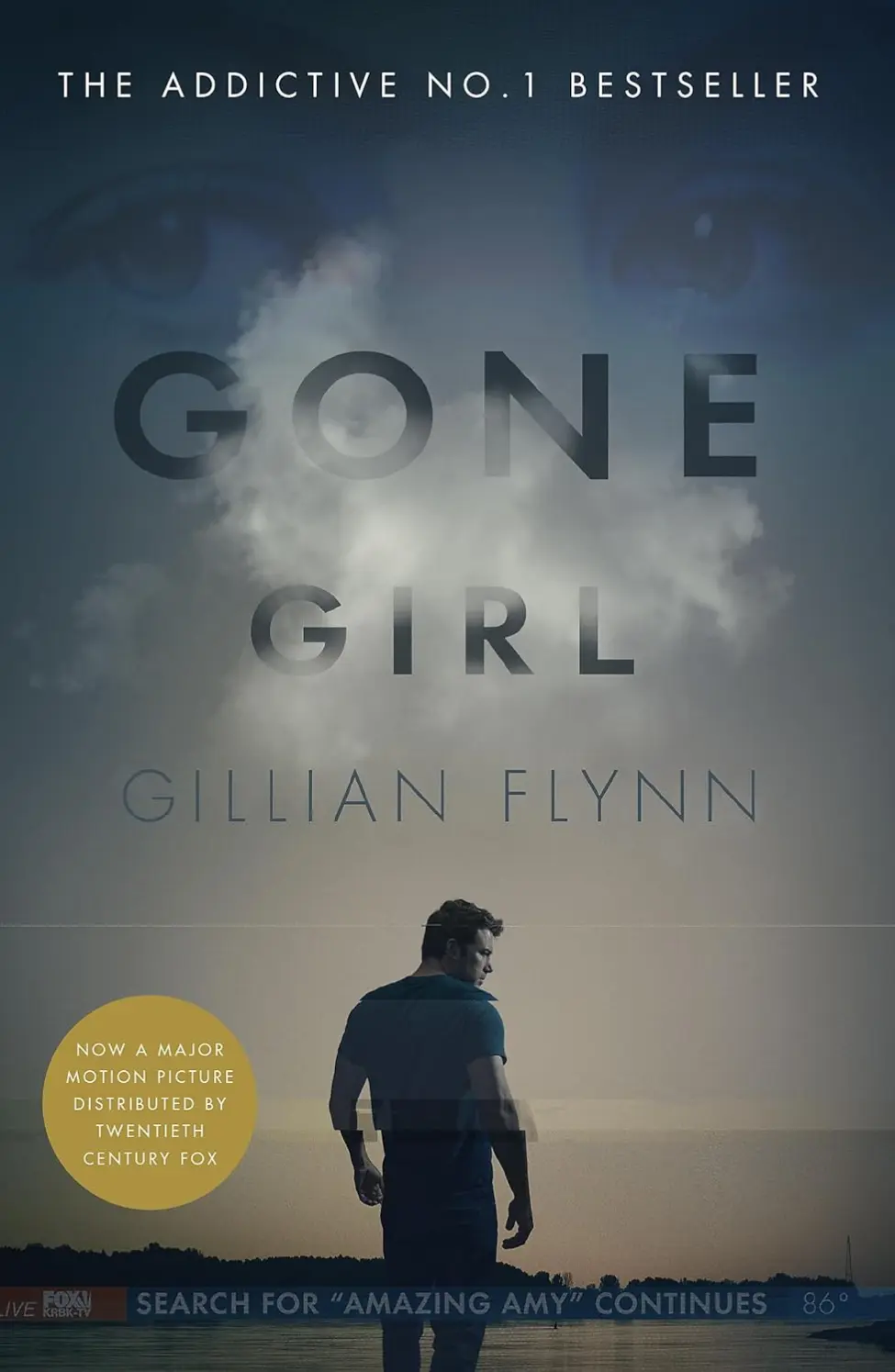
Gone Girl by Gillian Flynn follows Nick Dunne, whose wife Amy vanishes on their fifth anniversary. As media frenzy builds and secrets emerge, nothing is what it seems in this twisted psychological thriller about marriage, manipulation, and revenge.
Gone Girl is Gillian Flynn's 2012 masterpiece that became a cultural phenomenon and redefined the psychological thriller genre. This darkly brilliant novel dissects a marriage with surgical precision, employing unreliable narrators and a legendary plot twist to explore the masks people wear, the lies couples tell, and the terrifying question: how well do we really know the person sleeping beside us?
The novel opens on the morning of Nick and Amy Dunne's fifth wedding anniversary. Nick returns home to find his beautiful, accomplished wife missing, the living room showing signs of struggle, and himself quickly becoming the prime suspect. What follows is a media circus - cable news speculation, true crime obsession, public opinion turning against the seemingly disinterested husband with a suspicious smile and a younger mistress on the side.
Flynn employs a brilliant dual-narrative structure. Part One alternates between Nick's first-person account of Amy's disappearance and the present-day investigation, and Amy's diary entries spanning their courtship and marriage, painting a picture of a relationship's slow deterioration. Nick appears increasingly suspicious - emotionally distant, financially desperate, and carrying on an affair with a young student. Amy's diary reveals a woman growing fearful of her volatile husband, documenting small cruelties, financial pressures, and mounting dread.
Then, at the novel's midpoint, Flynn detonates a twist that forces readers to reconsider everything they've read. The revelation - which won't be spoiled here for the few who don't know - is both shocking and, in retrospect, meticulously foreshadowed. It transforms the novel from a standard missing-person mystery into something far more sinister: a chess match between two deeply damaged people locked in a marriage that's become mutually destructive.
What makes Gone Girl extraordinary isn't just the twist but what Flynn does afterward. The second half escalates into psychological warfare where both Nick and Amy deploy increasingly desperate tactics, revealing themselves as morally compromised, deeply manipulative, and perfectly matched in their toxicity. Flynn refuses to give readers a "good guy" to root for - both Dunnes are deeply flawed, and the question becomes not who's worse but whether they deserve each other.
Amy Dunne herself became iconic - the "Cool Girl" monologue alone sparked endless cultural conversation about performed femininity and the impossible standards women navigate. Amy is brilliant, calculating, and utterly ruthless, refusing to be the wronged wife or sympathetic victim. She's an antihero who sparked debate: was she a feminist icon refusing to be victimized, or a misogynistic caricature of female manipulation? Flynn's genius is making both readings possible.
The novel dissects marriage with brutal honesty - not just the Dunnes' spectacular dysfunction but the everyday performances all couples engage in. The economic pressures straining their relationship (both lost jobs during the recession) add realism to the psychological horror. Flynn explores how financial stress, unfulfilled expectations, and the gap between who we thought we were marrying and who that person actually is can poison intimacy.
Supporting characters add depth: Nick's twin sister Margo (Go), his only true ally; Detective Rhonda Boney, the sharp investigator who sees through performances; Desi Collings, Amy's wealthy ex-boyfriend whose role becomes crucial; and various media figures representing public opinion's fickleness.
Themes of media manipulation, the performance of marriage and identity, economic anxiety, gender expectations, sociopathy and narcissism, and the impossibility of truly knowing another person run throughout. Flynn also explores how narratives are constructed and who controls them - Amy literally writes the story, whilst Nick scrambles to counter it.
The ending - divisive, disturbing, and utterly perfect - refuses easy resolution or moral clarity, cementing Gone Girl's status as a modern thriller classic.
Tana French
Dublin Murder Squad, book 2
Average Goodreads rating4.1
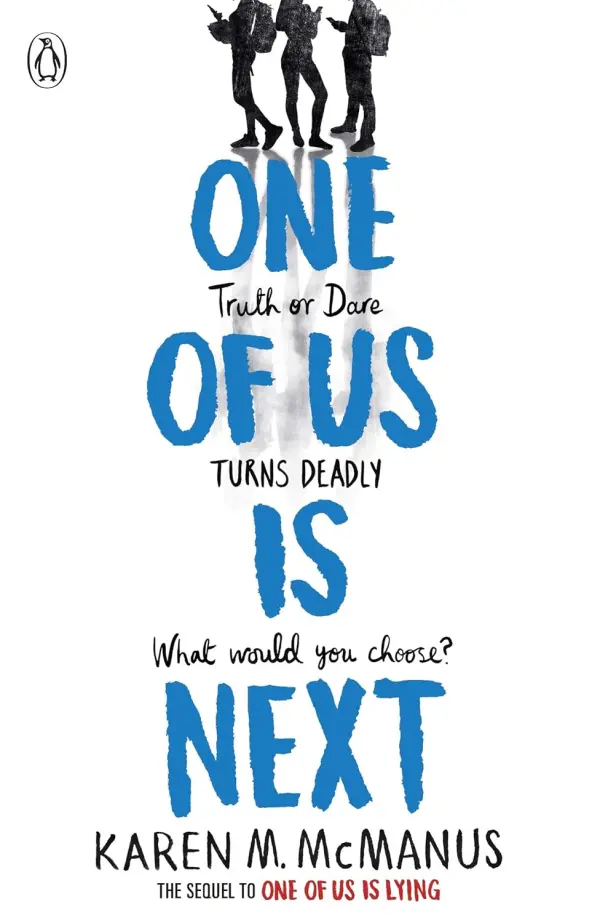
Karen M. McManus
One of Us is Lying, book 2
Average Goodreads rating4.6
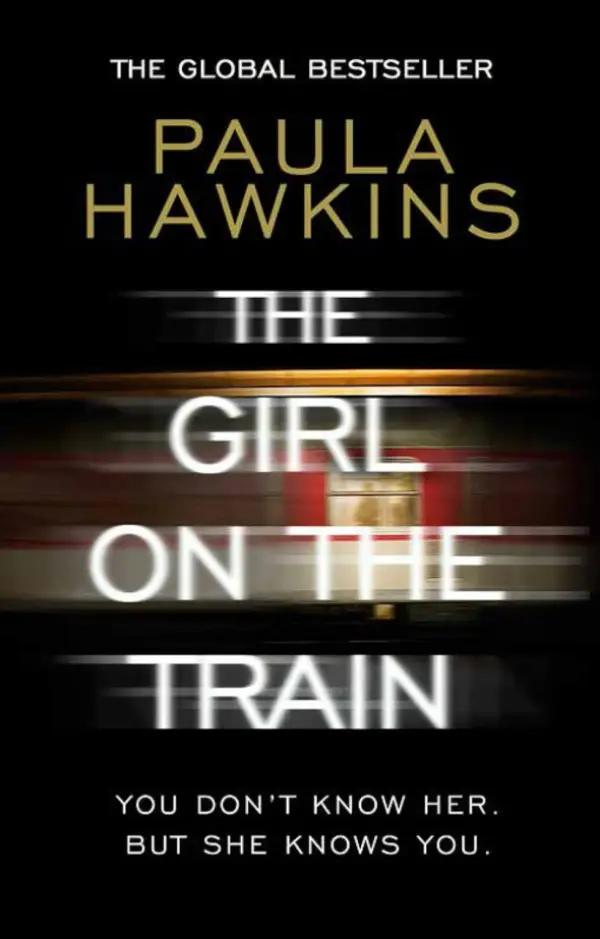
Paula Hawkins
Average Goodreads rating4.1

Freida McFadden
The Housemaid, book 1
Average Goodreads rating4.5
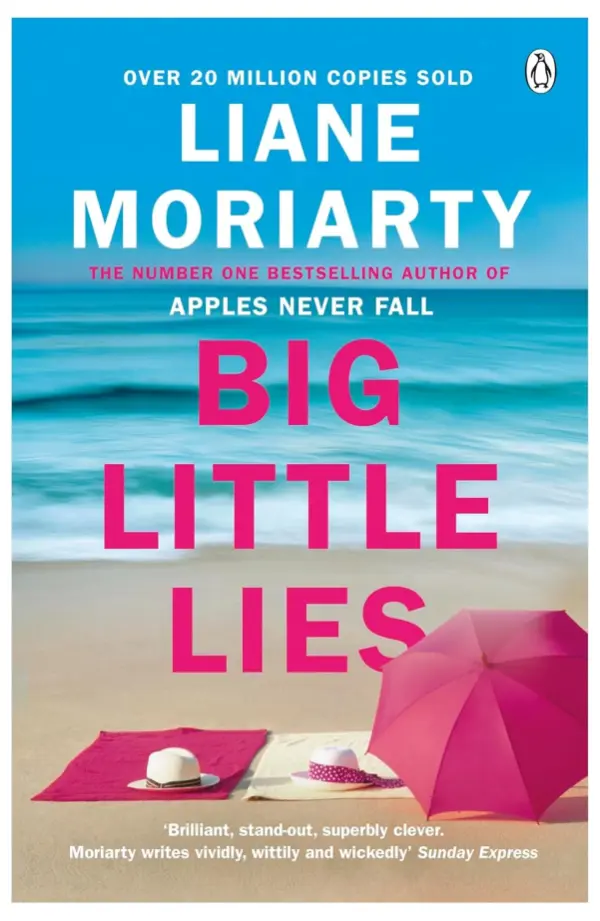
Liane Moriarty
Average Goodreads rating4.5
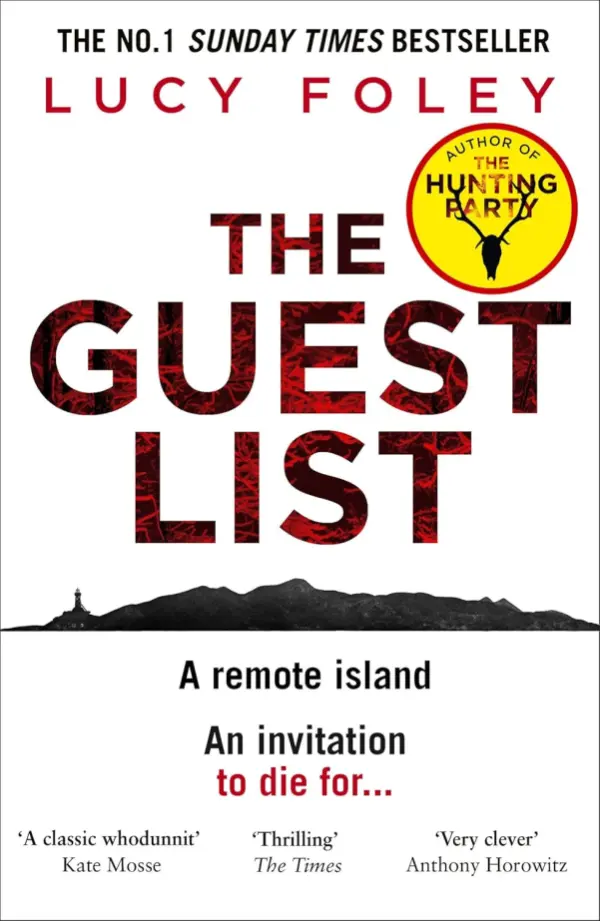
Lucy Foley
Average Goodreads rating4.1
Still Looking?
Further down our similarity list, but still sharing tropes and genres with this book.
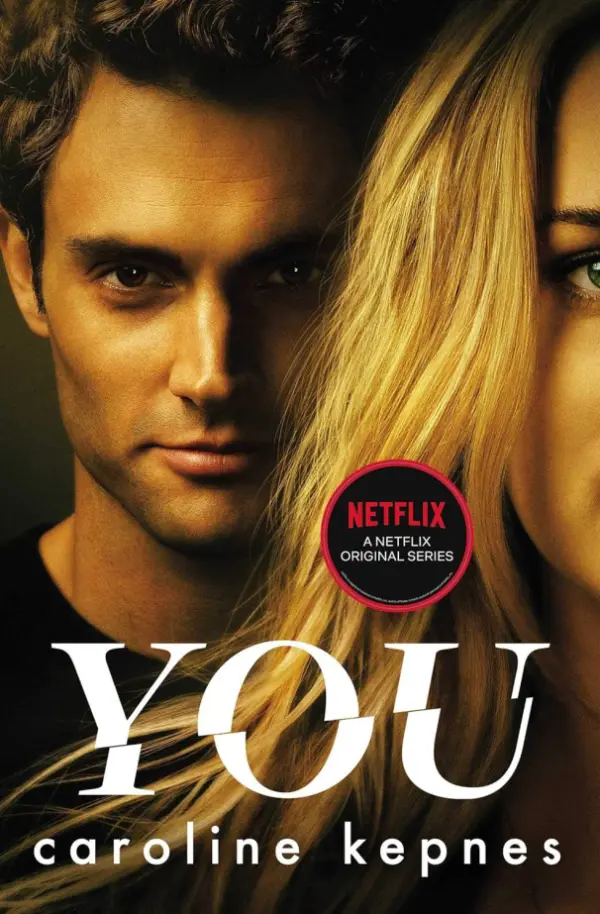
Caroline Kepnes
You, book 1
Average Goodreads rating4.2
Buy from Amazon (opens Amazon in a new tab)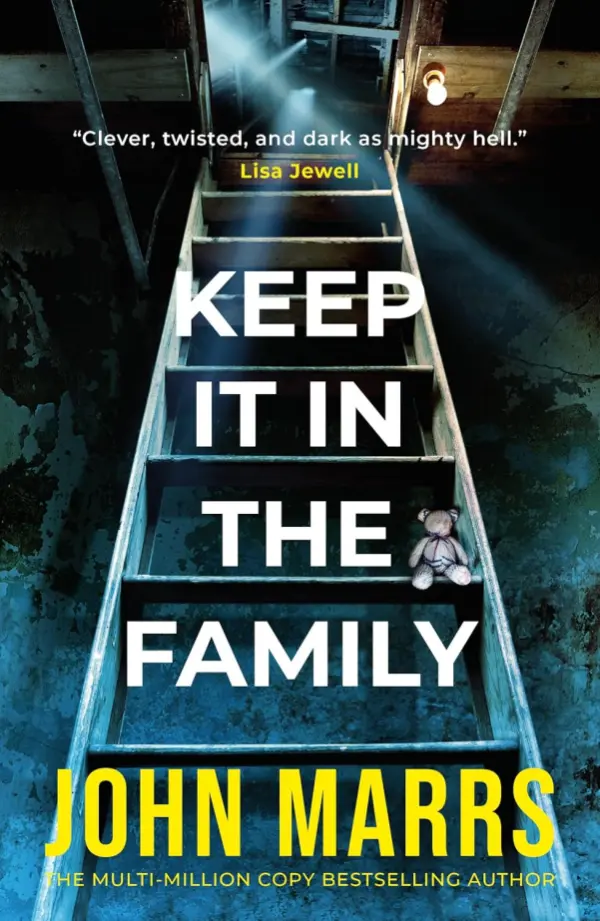
John Marrs
Average Goodreads rating4.1
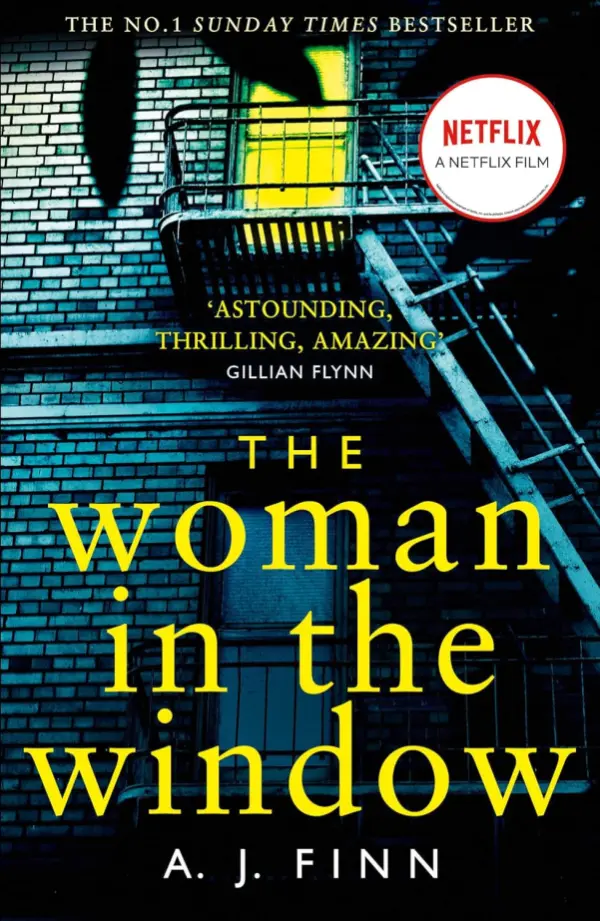
A. J. Finn
Average Goodreads rating4.1
Gillian Flynn is a bestselling American author renowned for dark psychological thrillers featuring complex, morally ambiguous women. Known for Gone Girl, Sharp Objects, and Dark Places, she crafts twisted narratives with unreliable narrators and shocking twists.
Books, series and tropes by Gillian Flynn
Not feeling the Valentine's spirit? Discover 20 bestselling anti-Valentine's reads across fantasy, thriller, romance, and horror that celebrate independence, revenge, and the beautifully messy reality of relationships.
Occasional emails with new recommendations, series news and trope round-ups.