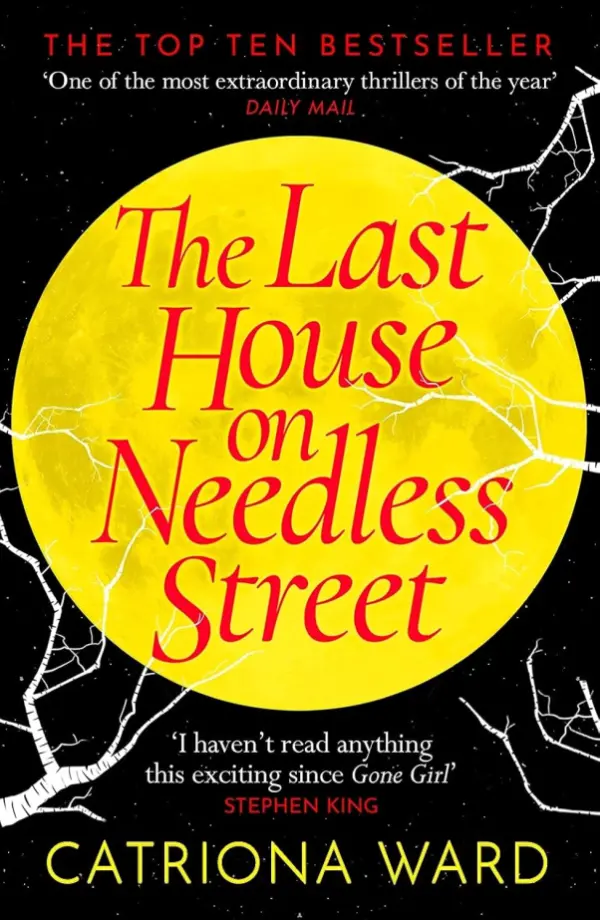
The Last House on Needless Street
Catriona Ward
Average Goodreads rating3.9
- Multiple POV
- Twist Ending

We independently select and recommend books. Purchases made through our links may earn us a commission, at no extra cost to you. Prices and availability are set by each retailer.
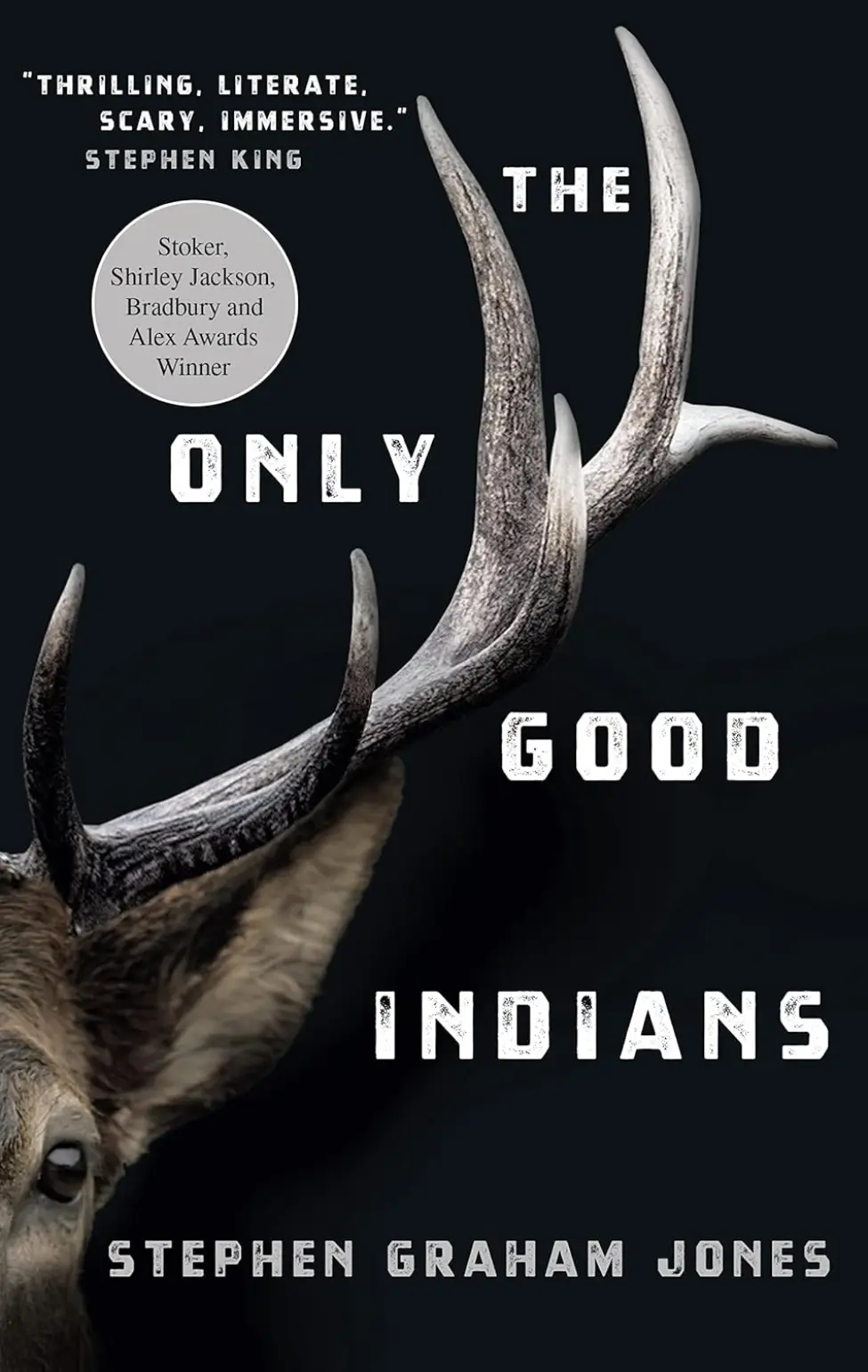
The Only Good Indians by Stephen Graham Jones follows four Blackfeet men haunted by an elk they killed a decade ago. This award-winning horror masterpiece blends indigenous spirituality, guilt, and cosmic revenge in a terrifying exploration of consequences.
The Only Good Indians is Stephen Graham Jones's 2020 horror masterpiece that has been hailed as one of the finest horror novels of the decade. This literary thriller combines traditional Blackfeet beliefs with cosmic horror, creating a revenge narrative that's simultaneously terrifying and heartbreaking. Winner of multiple awards including the Bram Stoker Award, Locus Award, and Shirley Jackson Award, the novel proves that the most frightening monsters emerge from guilt, cultural disconnection, and violations of sacred protocols.
The novel opens with four young Blackfeet men - Lewis, Ricky, Gabe, and Cass - hunting on their reservation's protected land ten years ago. They violate hunting boundaries and slaughter a herd of elk, including a pregnant cow. The moment is transgressive - breaking both legal and cultural rules - but the young men are disconnected from traditional practices, viewing the hunt as successful score rather than spiritual violation.
Ten years later, the consequences arrive. Something is hunting them - an entity that manifests as both the elk they killed and something far more terrifying. Lewis, now living off-reservation and married to a white woman, begins experiencing disturbing signs that something is stalking him. His paranoia seems justified when violence erupts, though whether he's victim or perpetrator becomes horrifyingly unclear.
Jones structures the novel in sections focusing on different characters, each perspective revealing more about the original hunt and its aftermath. Ricky, Gabe, and Cass each face their own reckoning, and Jones demonstrates how the same trauma manifests differently depending on each man's relationship to Blackfeet culture and community.
The entity hunting them - which Jones renders with visceral, terrifying detail - represents multiple things simultaneously: literal revenge for violated protocols, manifestation of cultural guilt, and cosmic justice for disrespecting sacred traditions. The elk becomes both specific animal spirit and broader symbol of everything indigenous people have lost and the violence visited upon them.
What distinguishes The Only Good Indians is Jones's refusal to simplify. The four men aren't straightforwardly sympathetic - they made genuine mistakes and carry real flaws. But Jones contextualises their disconnection from cultural practices within historical trauma, forced assimilation, and the ongoing violence of colonialism. They're products of systems designed to sever indigenous people from their cultures, making their violation of hunting protocols both individual failing and tragic inevitability.
The horror is genuinely frightening - Jones delivers visceral scares, body horror, and mounting dread that make the novel difficult to put down. But the terror serves deeper purposes, exploring how guilt manifests, how cultural disconnection creates vulnerability, and how violating sacred protocols has real spiritual consequences within indigenous worldviews.
The novel's title references the horrific phrase "the only good Indian is a dead Indian," subverting and reclaiming it whilst examining internalized racism and the violence Native people face both from outside their communities and within. Jones explores how historical trauma echoes through generations and how disconnection from culture leaves people vulnerable to forces they don't understand.
Supporting characters add depth and perspective: Denorah, a Blackfeet teenager who becomes central to the novel's climax; Shaney, Lewis's wife who doesn't understand the cultural context of what's happening; and various reservation community members whose perspectives ground the supernatural horror in realistic Native experiences.
Jones employs tight third-person narration that shifts between perspectives, allowing readers intimate access to characters' thoughts whilst maintaining narrative distance that heightens horror. His prose is literary yet accessible, balancing beautiful language with propulsive pacing.
The climax delivers both horror satisfaction and cultural significance, centring Denorah's perspective and bringing together threads of tradition, survival, and the next generation's relationship to cultural identity.
Themes of cultural disconnection and consequences, guilt and cosmic justice, intergenerational trauma, the price of violating sacred protocols, indigenous survival and adaptation, and horror as metaphor for historical violence run throughout.
Catriona Ward
Average Goodreads rating3.9
Sarah Pinborough
Average Goodreads rating4.0
Laura Purcell
Average Goodreads rating3.9

Cormac McCarthy
Average Goodreads rating4.2
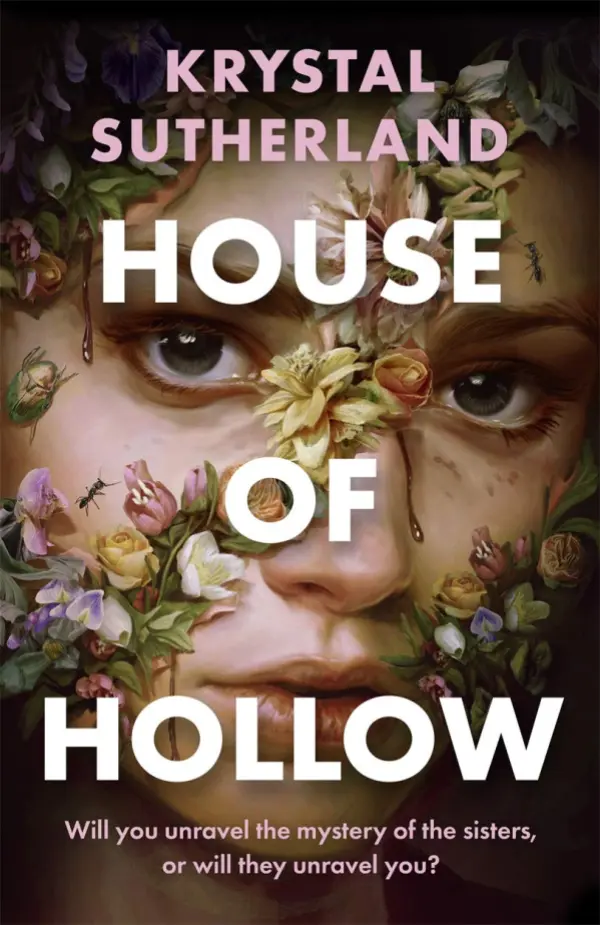
Krystal Sutherland
Average Goodreads rating4.2
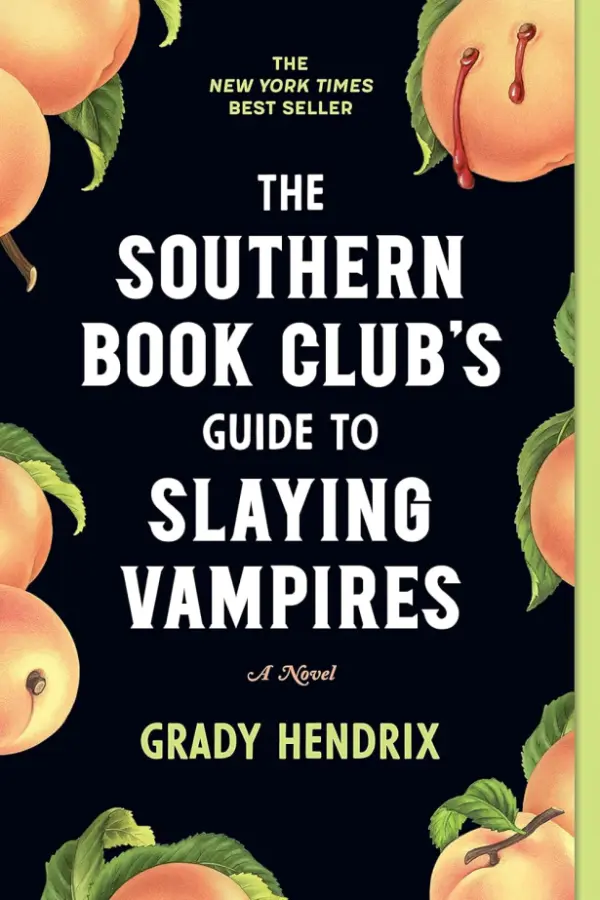
Grady Hendrix
Average Goodreads rating4.4
Still Looking?
Further down our similarity list, but still sharing tropes and genres with this book.
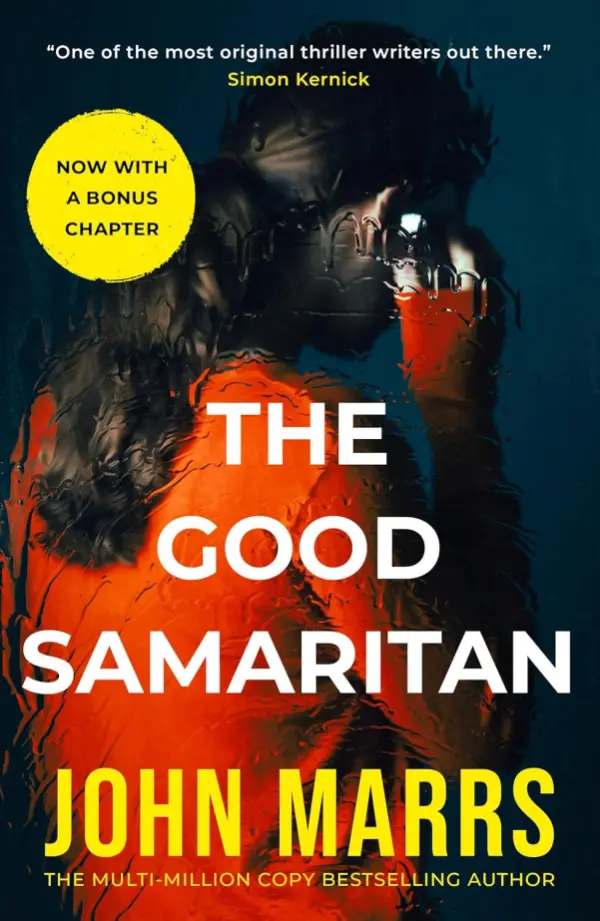
John Marrs
Average Goodreads rating4.1
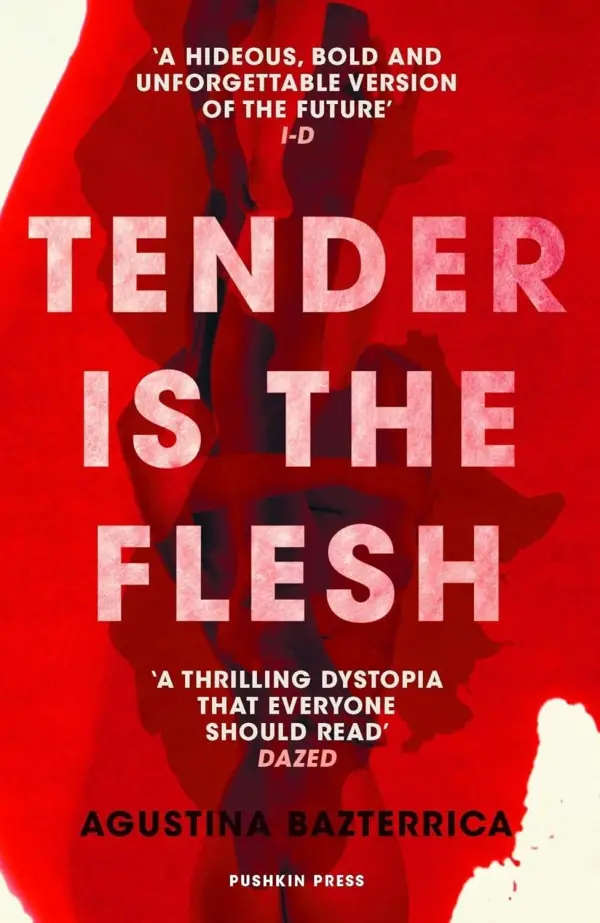
Agustina Bazterrica
Average Goodreads rating4.0
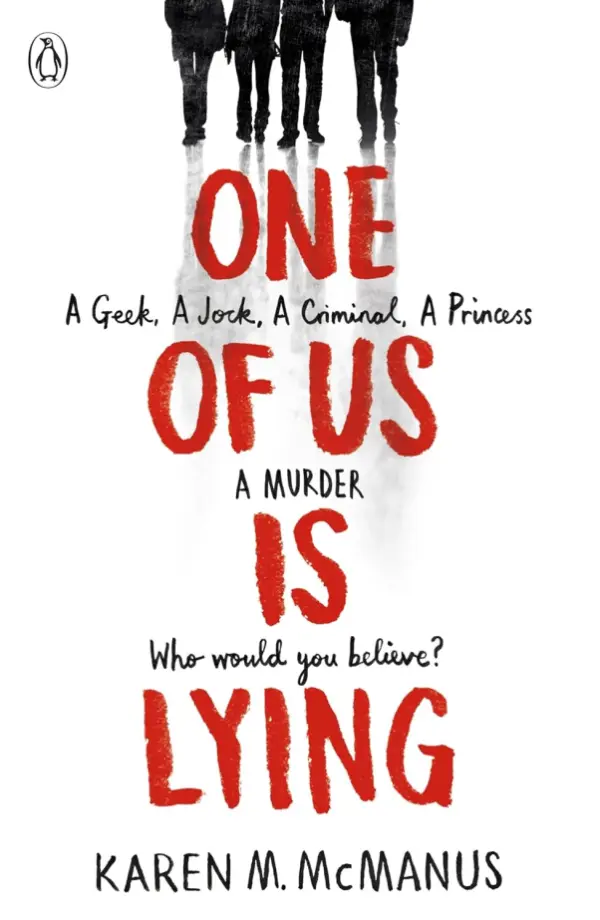
Karen M. McManus
One of Us is Lying, book 1
Average Goodreads rating4.5
Buy from Amazon (opens Amazon in a new tab)tephen Graham Jones is a Blackfeet author celebrated for horror fiction blending indigenous perspectives with genre mastery. Known for The Only Good Indians and My Heart Is a Chainsaw, he crafts literary horror exploring identity, trauma, and culture.
Books, series and tropes by Stephen Graham Jones
Not feeling the Valentine's spirit? Discover 20 bestselling anti-Valentine's reads across fantasy, thriller, romance, and horror that celebrate independence, revenge, and the beautifully messy reality of relationships.
The Only Good Indians
Buy from Amazon (opens Amazon in a new tab)Occasional emails with new recommendations, series news and trope round-ups.