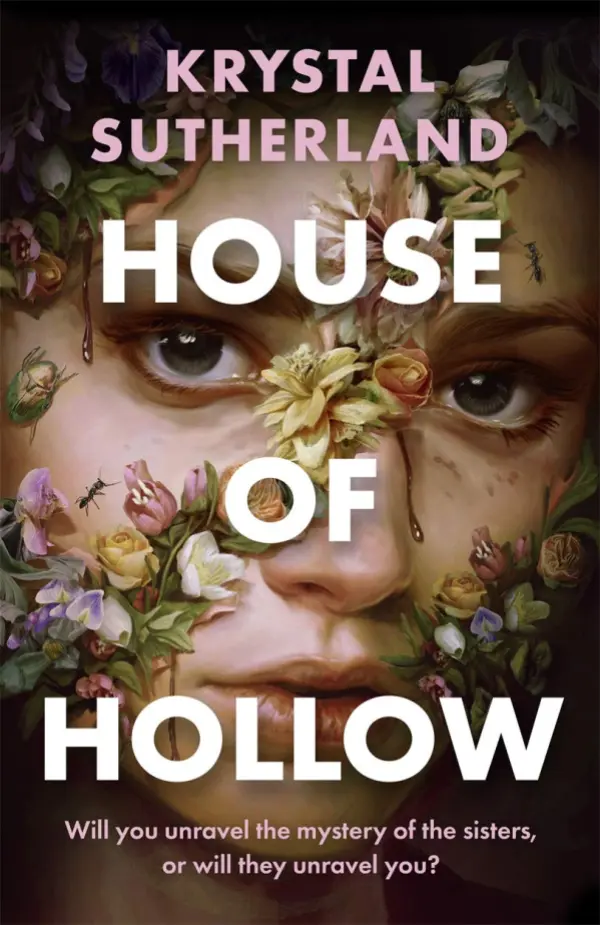
House of Hollow
Krystal Sutherland
Average Goodreads rating4.2
- Gothic Fantasy
- First-Person POV

We independently select and recommend books. Purchases made through our links may earn us a commission, at no extra cost to you. Prices and availability are set by each retailer.
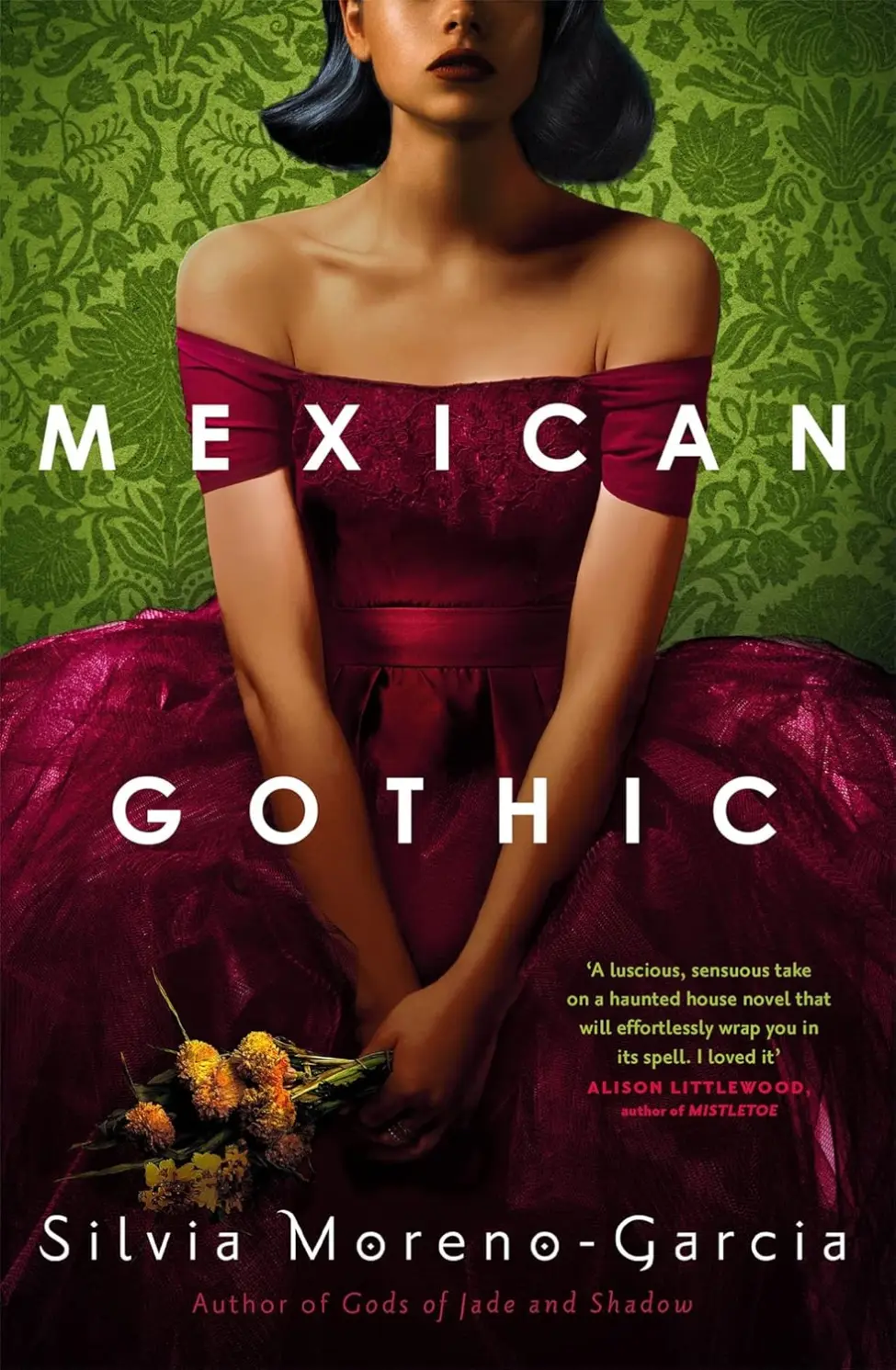
Mexican Gothic by Silvia Moreno-Garcia follows socialite Noemí Taboada investigating disturbing events at her cousin's crumbling mansion in 1950s rural Mexico. Gothic horror meets postcolonial critique in this atmospheric, feminist reimagining of classic Gothic tropes.
Mexican Gothic is Silvia Moreno-Garcia's 2020 masterpiece that became a literary phenomenon, spending months on bestseller lists and redefining Gothic horror for contemporary audiences. This lush, atmospheric novel takes classic Gothic conventions - crumbling mansions, family secrets, mysterious illnesses - and reimagines them through postcolonial and feminist lenses, creating horror that's both genuinely frightening and intellectually sophisticated.
Set in 1950s Mexico, the novel follows Noemí Taboada, a glamorous socialite studying anthropology in Mexico City who receives a disturbing letter from her cousin Catalina. Recently married to an Englishman and living at his family's remote estate High Place in the mountains, Catalina writes of strange visions, voices in the walls, and fears for her safety. Noemí's father sends her to investigate, expecting she'll quickly determine whether Catalina needs rescuing or is simply adjusting to married life.
Upon arriving at High Place, Noemí encounters the Doyle family: the ancient, controlling patriarch Howard Doyle; his son Virgil, Catalina's cold husband; Virgil's cousin Francis, sensitive and seemingly sympathetic; and Florence, the severe woman managing the household. The mansion itself is Gothic perfection - decaying grandeur, oppressive silence, walls covered in mould, and an atmosphere of wrongness permeating every room.
Strange rules govern High Place: minimal conversation at meals, no smoking (devastating for chain-smoker Noemí), early bedtimes, and Catalina kept isolated and heavily medicated. Noemí experiences disturbing dreams - vivid, sexual, violent visions that feel more real than imagination. She begins seeing things in the walls, hearing whispers, and questioning her own sanity whilst desperately trying to understand what's happening to Catalina.
Moreno-Garcia masterfully employs Gothic conventions whilst subverting them. The mysterious, brooding Byronic hero (Virgil) is genuinely villainous, not misunderstood. The crumbling mansion isn't just atmospheric setting but active threat. The family secret isn't merely scandal but something far more horrifying and science-fictional. The novel shifts from psychological Gothic to body horror and cosmic dread, escalating brilliantly toward a visceral, disturbing climax.
What distinguishes Mexican Gothic is its postcolonial lens. The Doyles are English colonizers who built their silver mining fortune on indigenous labour, viewing Mexicans as racially inferior. Howard Doyle's obsession with eugenics - keeping bloodlines "pure," seeing certain races as superior - drives the family's horrifying practices. The novel explores how colonialism, scientific racism, and patriarchal control intersect, using Gothic horror to expose real historical violence.
Noemí herself subverts Gothic heroine conventions. She's not innocent or passive but educated, sexually experienced, and wilfully defiant. She smokes, flirts, and refuses to be cowed by the Doyles' attempts to control her. Her anthropology studies give her frameworks for understanding the cultural dynamics at play, though nothing prepares her for High Place's literal and metaphorical sickness.
The novel's horror works on multiple levels: the Gothic atmosphere and psychological dread, genuinely disturbing body horror involving fungal infection and bodily autonomy violation, cosmic horror elements regarding consciousness and identity, and the very real horror of eugenics ideology and colonial violence. Moreno-Garcia balances these expertly, creating scares that work viscerally whilst serving thematic purposes.
Francis Doyle provides complicated alliance - he's part of the system Noemí must escape but also trapped by it. Their developing relationship adds Gothic romance whilst complicating simple victim/villain binaries. The novel examines how even sympathetic individuals participate in oppressive systems.
The mansion's secret - which won't be spoiled here - is genuinely horrifying and science-fiction-tinged, transforming what seems like traditional Gothic haunting into something more original and disturbing. Moreno-Garcia's background in science informs the biological horror, making it feel grounded despite its impossibility.
Themes of colonialism and eugenics, patriarchal control over women's bodies and autonomy, scientific racism, agency and resistance, bodily autonomy and violation, and the rot beneath beautiful surfaces run throughout.
The prose is lush and atmospheric, evoking classic Gothic literature whilst maintaining accessibility and momentum.
Krystal Sutherland
Average Goodreads rating4.2

Jay Kristoff
Empire of the Vampire, book 1
Average Goodreads rating4.7
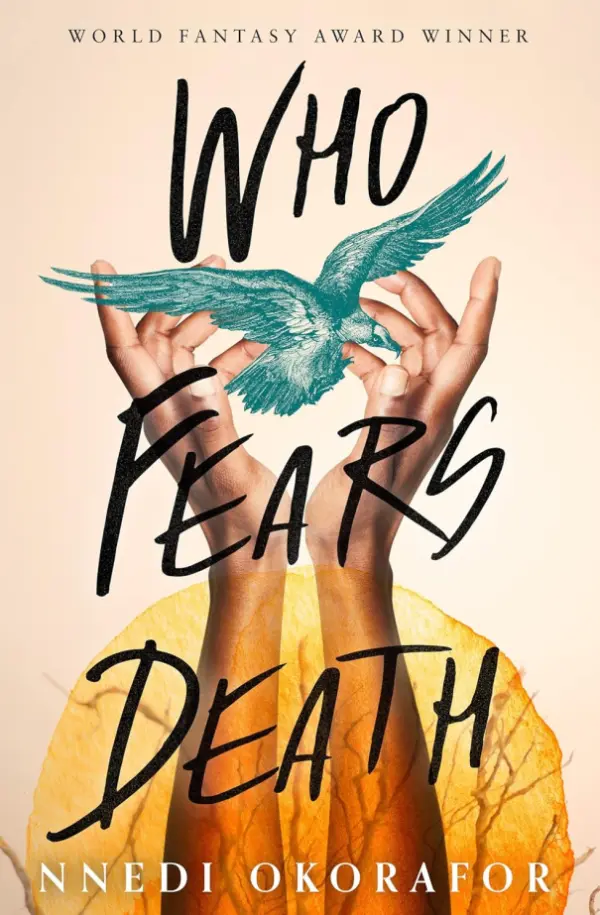
Nnedi Okorafor
Average Goodreads rating4.3
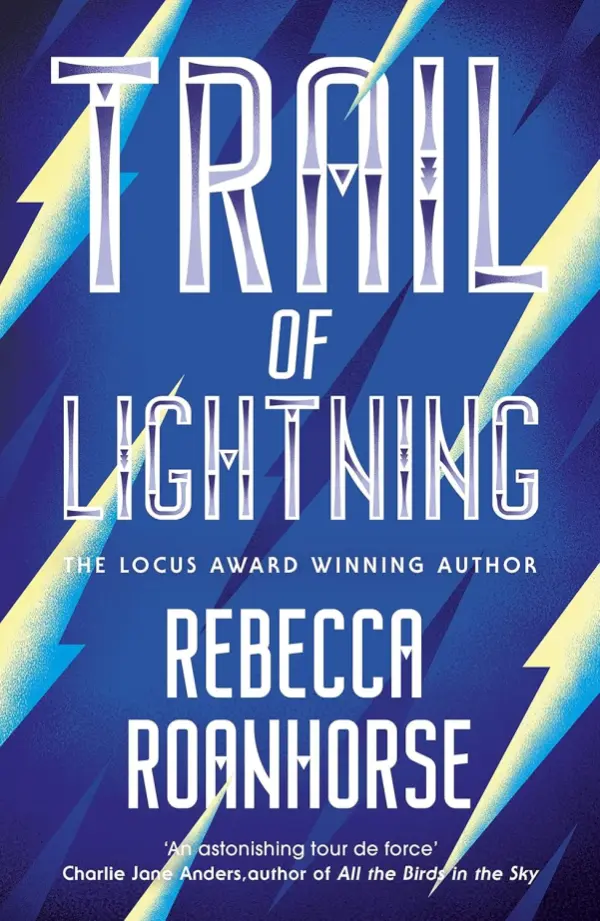
Rebecca Roanhorse
The Sixth World, book 1
Average Goodreads rating4.3
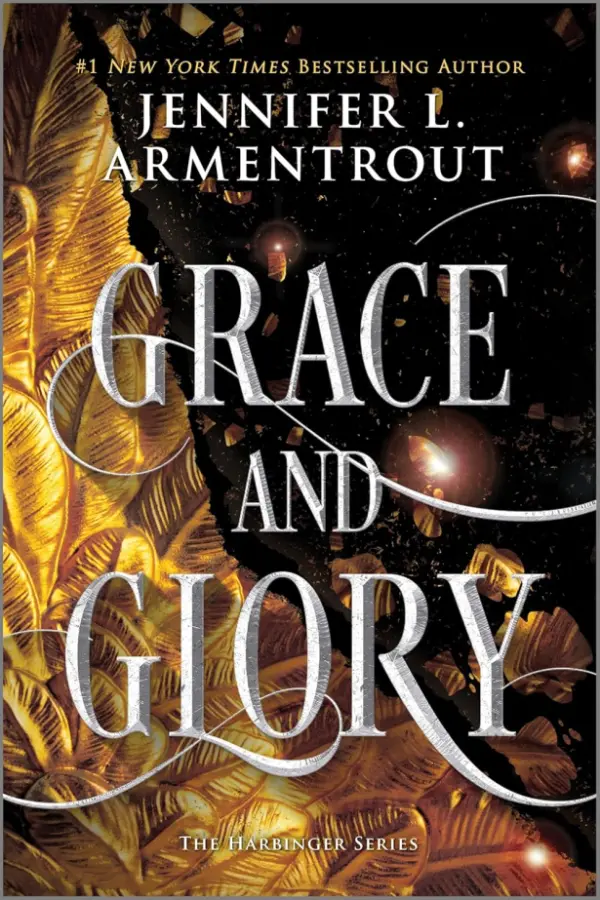
Jennifer L. Armentrout
Harbinger, book 3
Average Goodreads rating4.4

RuNyx
Average Goodreads rating4.3
Still Looking?
Further down our similarity list, but still sharing tropes and genres with this book.
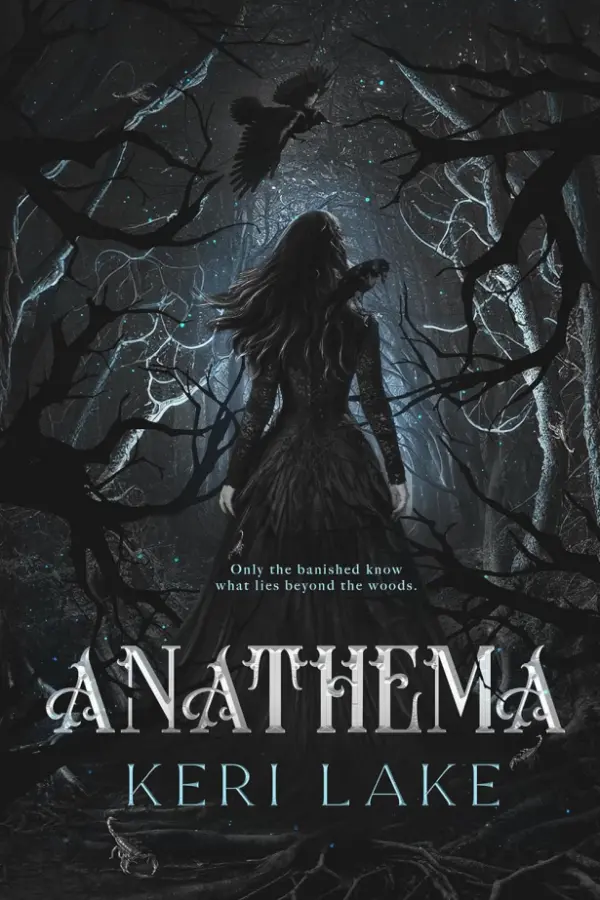
Keri Lake
The Eating Woods, book 1
Average Goodreads rating4.4
Buy from Amazon (opens Amazon in a new tab)
Sarah J. Maas
A Court of Thorns and Roses (ACOTAR), book 1
Average Goodreads rating4.5
Buy from Amazon (opens Amazon in a new tab)
N. K. Jemisin
Dreamblood, book 1
Average Goodreads rating4.3
Buy from Amazon (opens Amazon in a new tab)Silvia Moreno-Garcia is a Mexican-Canadian author celebrated for genre-blending fiction combining history, horror, and diverse cultural perspectives. Known for Mexican Gothic and The Daughter of Doctor Moreau, she crafts atmospheric, literary speculative fiction.
Books, series and tropes by Silvia Moreno-Garcia
Not feeling the Valentine's spirit? Discover 20 bestselling anti-Valentine's reads across fantasy, thriller, romance, and horror that celebrate independence, revenge, and the beautifully messy reality of relationships.
Mexican Gothic
Buy from Amazon (opens Amazon in a new tab)Occasional emails with new recommendations, series news and trope round-ups.