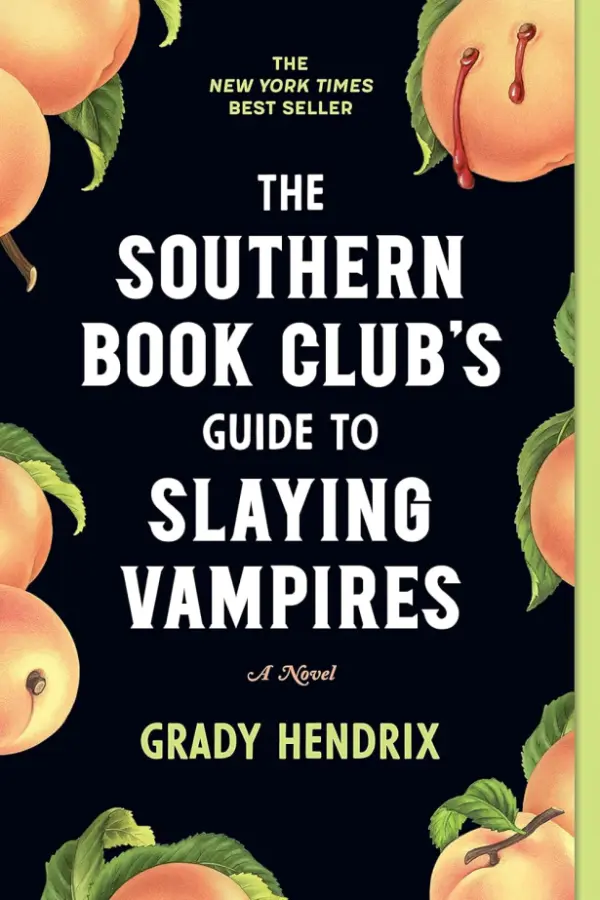
The Southern Book Club's Guide to Slaying Vampires
Average Goodreads rating4.4
- Dark Humour
- Vampires

Author · American
Grady Hendrix is an American author celebrated for horror novels blending scares with social commentary and dark humour. Known for The Southern Book Club's Guide to Slaying Vampires and My Best Friend's Exorcism, he crafts nostalgic, genre-bending horror.
New to Grady Hendrix? A popular place to start
The Southern Book Club's Guide to Slaying Vampires by Grady Hendrix follows a 1990s Charleston housewife who suspects her charming new neighbour is a vampire preying on children. Blending horror with social commentary, it's southern Gothic meets domestic thriller.
Picked from Grady Hendrix’s most widely rated books on Goodreads, starting at the beginning of its series.
Retailer links may earn Trope Trove a commission, at no extra cost to you.
Not part of a series listed on Trope Trove
Average Goodreads rating4.4
- is an American author who has revitalized horror fiction by combining genuine scares with sharp social commentary, nostalgic period settings, and wickedly dark humour. With a background in film criticism and journalism, Hendrix brings a genre historian's knowledge and a satirist's eye to horror, creating novels that both honour and subvert classic tropes whilst addressing contemporary issues through supernatural lenses.
Hendrix began his career as a film critic and journalist, co-founding the New York Asian Film Festival and writing extensively about genre cinema. This deep knowledge of horror's history permeates his fiction, which frequently references and reimagines classic horror films, books, and cultural moments. His non-fiction work Paperbacks from Hell (2017), a lavishly illustrated history of horror paperbacks from the 1970s-90s, showcases his encyclopaedic genre knowledge and helped spark renewed interest in forgotten horror classics.
His breakthrough novel, Horrorstör (2014), demonstrated his innovative approach: a haunted IKEA-style furniture store told in a book designed to resemble an IKEA catalogue. The novel combined workplace horror with retail satire, establishing Hendrix's talent for finding horror in mundane settings whilst critiquing capitalism and consumer culture.
My Best Friend's Exorcism (2016) became a cult favourite, setting demonic possession in 1980s South Carolina and filtering The Exorcist through teenage female friendship. The novel captures 1980s culture - from mall culture to aerobics to Christian panic about Satanism - whilst exploring how friendships navigate trauma, belief, and loyalty. A film adaptation arrived in 2022.
We Sold Our Souls (2018) tackles heavy metal, Faustian bargains, and the music industry's exploitation of artists. The novel follows a former metal guitarist who discovers her old bandmate may have literally sold their souls for success, blending supernatural horror with commentary on artistic integrity and corporate exploitation.
The Southern Book Club's Guide to Slaying Vampires (2020) became Hendrix's biggest commercial and critical success, combining vampire horror with social commentary about southern manners, racism, and how societies dismiss women's warnings about predators. The novel established Hendrix as a master of using horror to explore real-world horrors, particularly systemic injustices.
The Final Girl Support Group (2021) reimagines slasher film survivors as a therapy group dealing with PTSD decades after their ordeals. The novel deconstructs final girl tropes whilst examining trauma, media exploitation, and survivor experiences, with clear references to Halloween, Friday the 13th, and similar classics.
How to Sell a Haunted House (2023) shifts to family horror, following estranged siblings who must clear their late parents' house whilst confronting both supernatural manifestations and childhood trauma. The novel explores grief, family dysfunction, and how the past haunts us literally and metaphorically.
His most recent work, Witchcraft for Wayward Girls (2025), ventures into historical horror set in a 1970s home for unwed mothers where dark secrets and possible witchcraft lurk.
Hendrix's writing is characterized by period settings (particularly 1970s-90s) with meticulous cultural detail, social commentary woven seamlessly into horror narratives, dark humour balancing genuine scares, female protagonists, often middle-aged or teenage, genre homage and deconstruction, references to horror cinema and literature, and innovative formats and structures.
Common themes include female friendship and solidarity, capitalism's horrors and exploitation, trauma and its long-term effects, how societies enable monsters, nostalgia and its dangers, found family, class commentary, and the gap between appearance and reality.
Hendrix's prose is accessible and fast-paced, balancing genuine horror with wit. His books work both as entertaining genre fiction and as smart social commentary, appealing to horror fans and readers seeking substance alongside scares.

Cormac McCarthy
Average Goodreads rating4.2
Krystal Sutherland
Average Goodreads rating4.2
Sarah Pinborough
Average Goodreads rating4.0
Catriona Ward
Average Goodreads rating3.9
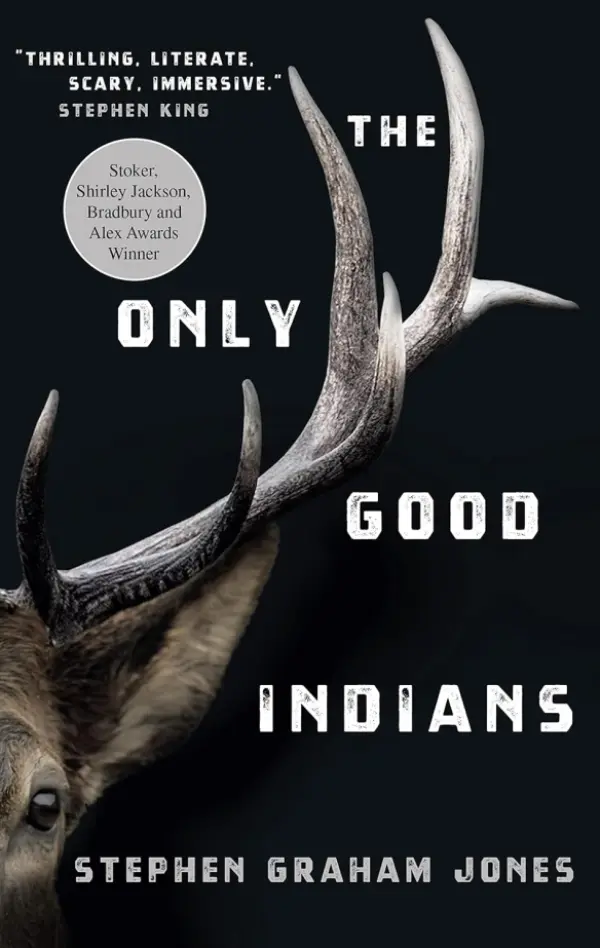
Stephen Graham Jones
Average Goodreads rating3.8
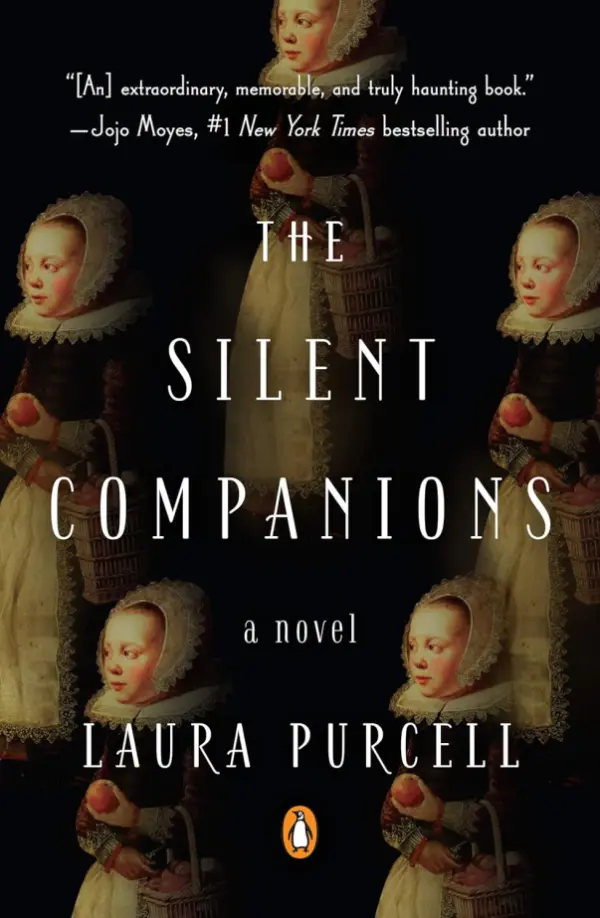
Laura Purcell
Average Goodreads rating3.9
Not feeling the Valentine's spirit? Discover 20 bestselling anti-Valentine's reads across fantasy, thriller, romance, and horror that celebrate independence, revenge, and the beautifully messy reality of relationships.
Occasional emails with new recommendations, series news and trope round-ups.