
The Housemaid
Freida McFadden
The Housemaid, book 1
Average Goodreads rating4.5

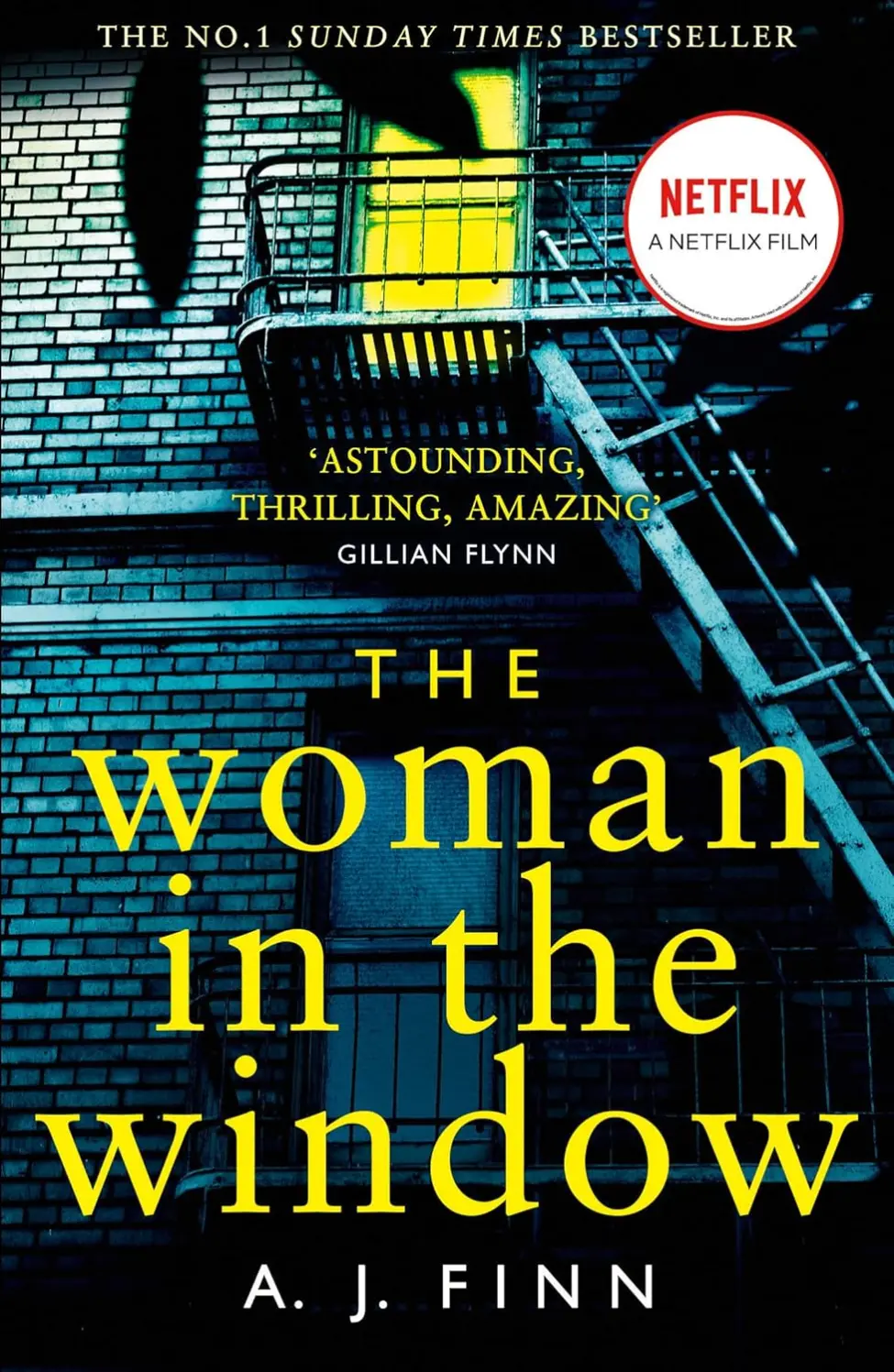
by A. J. Finn
We independently select and recommend books. Purchases made through our links may earn us a commission, at no extra cost to you. Prices and availability are set by each retailer.
The Woman in the Window by A.J. Finn follows agoraphobic Anna Fox, who witnesses a crime across the street - or does she? Trapped in her home, addicted to wine and pills, Anna's grip on reality unravels in this Hitchcockian psychological thriller.
The Woman in the Window is A.J. Finn's 2018 debut psychological thriller that became a publishing phenomenon, combining Hitchcockian suspense with contemporary psychological complexity to create an addictive page-turner about perception, reality, and the unreliability of memory. This claustrophobic thriller asks the terrifying question: what if no one believes what you've seen - including yourself?
Dr. Anna Fox lives alone in her New York City brownstone, trapped by severe agoraphobia that prevents her from stepping outside. A child psychologist on indefinite leave, Anna fills her isolated days with a dangerous combination: classic noir films (particularly Hitchcock), online chat rooms for agoraphobics, excessive amounts of wine, and prohibited medications. She also watches her neighbours obsessively from her windows, constructing narratives about their lives from glimpses through glass.
When the Russell family moves in across the street, Anna becomes fascinated with them, particularly the seemingly perfect wife and mother. After a chance encounter where Jane Russell visits Anna's home, the two women form a connection. But days later, Anna looks through her camera lens and witnesses something horrifying in the Russell house across the street: Jane being stabbed.
Anna calls the police, but when they arrive with the Russells, a different woman appears claiming to be Jane Russell. The family insists Anna imagined everything - her agoraphobia, medication, and drinking making her an unreliable witness. With no body, no evidence, and her own credibility destroyed, Anna begins doubting her own perceptions. Did she really witness a murder, or has her isolated, medicated existence finally fractured her grip on reality?
Finn employs first-person narration from Anna's perspective, immersing readers in her psychological state whilst making everything she reports suspect. Short, punchy chapters create relentless momentum, and Finn masterfully controls information, revealing Anna's backstory gradually whilst building present-day tension toward a explosive climax.
The novel is saturated with classic film references, particularly Hitchcock's Rear Window, which shares the voyeuristic premise of witnessing crime from a window. Anna constantly watches old noir films, and Finn weaves their titles and themes throughout, creating both homage and commentary on the thriller genre itself. The cinematic quality extends to the prose - Finn writes visually, describing scenes like camera shots.
Anna herself is a masterclass in unreliable narration. She's sympathetic - clearly suffering, isolated, and desperate for human connection - but also frustrating. Her drinking is excessive, her medication regimen dangerous, and her memory demonstrably faulty. Readers simultaneously want to believe her and question everything she reports. This ambiguity creates delicious tension: is Anna a victim of gaslighting, or is she genuinely delusional?
The brownstone setting becomes almost claustrophobic. Anna's beautiful home transforms into a prison, each floor and room familiar yet increasingly oppressive. Finn uses the architecture brilliantly - the windows that connect Anna to the outside world, the basement's darkness, the stairs she struggles to descend. The house mirrors Anna's psychological state: beautiful exterior hiding interior dysfunction.
Supporting characters deepen the mystery: Ed and the other online agoraphobics who provide Anna's main social contact; David, Anna's physical therapist who seems concerned but perhaps too interested; Ethan Russell, the teenage son who visits Anna and may know more than he's revealing; and the mysterious tenant renting Anna's basement.
As the novel progresses, Finn reveals why Anna is agoraphobic and what trauma confines her to the house. This backstory recontextualizes everything, adding emotional weight to her current crisis whilst raising further questions about her reliability.
The novel's twists come in waves, each revelation forcing readers to reconsider previous assumptions. Finn plants clues throughout whilst misdirecting attention, building to a climax that's both shocking and, in retrospect, carefully foreshadowed. The solution addresses both the central mystery and Anna's psychological journey.
Themes of isolation and its effects, the unreliability of perception and memory, voyeurism and boundaries, trauma and PTSD, addiction to alcohol and medication, and gaslighting versus genuine mental illness run throughout.
Freida McFadden
The Housemaid, book 1
Average Goodreads rating4.5
Tana French
Dublin Murder Squad, book 6
Average Goodreads rating4.0
Paula Hawkins
Average Goodreads rating4.1
Gillian Flynn
Average Goodreads rating4.0
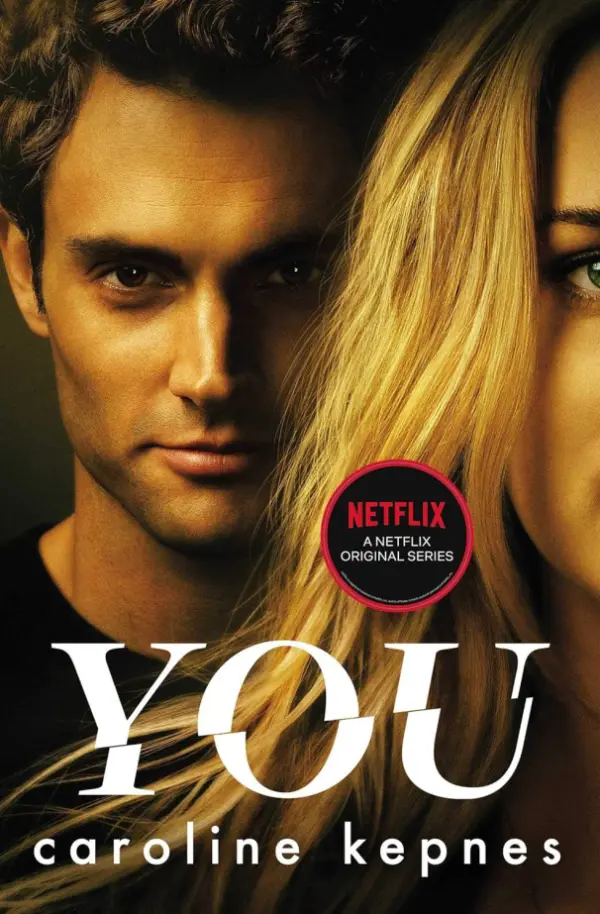
Caroline Kepnes
You, book 1
Average Goodreads rating4.2
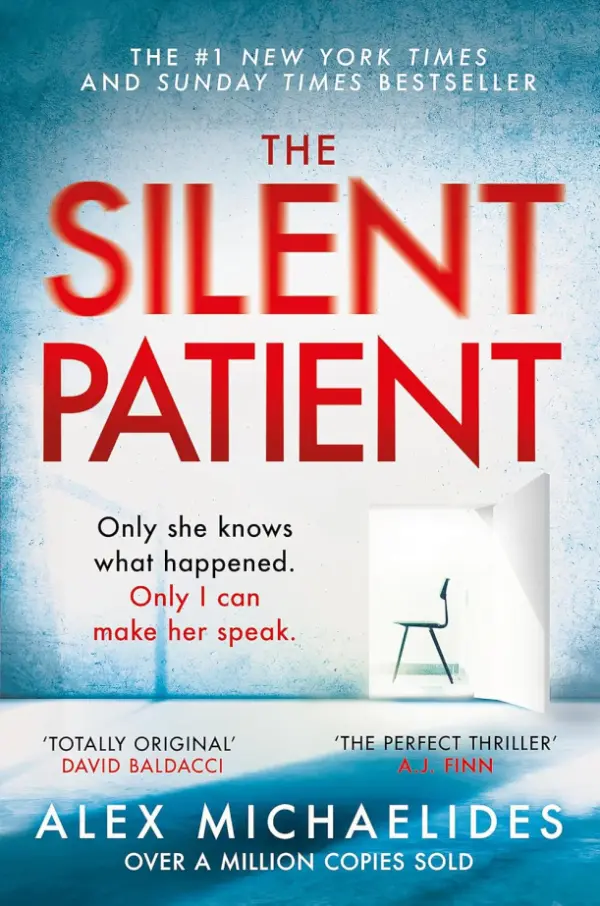
Alex Michaelides
Average Goodreads rating4.3
Still Looking?
Further down our similarity list, but still sharing tropes and genres with this book.
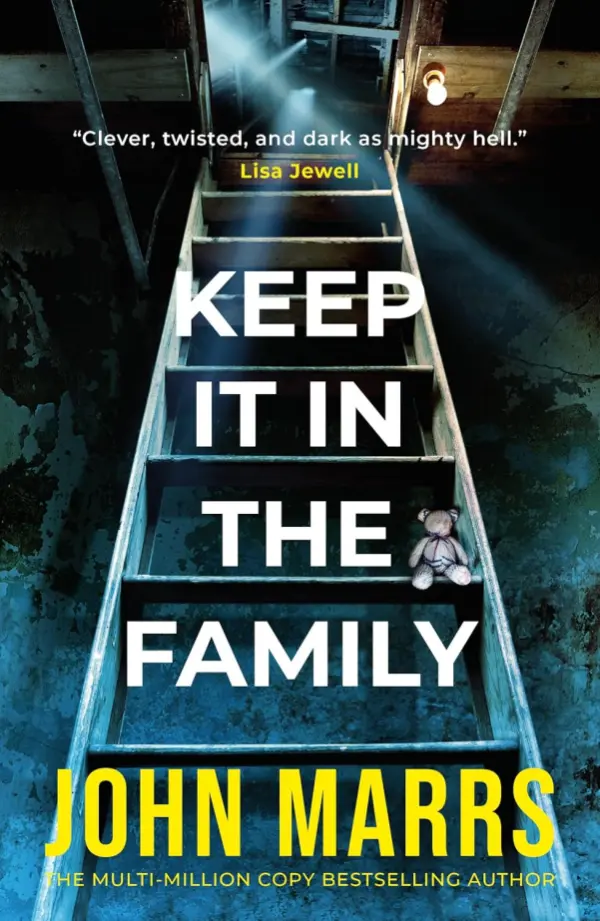
John Marrs
Average Goodreads rating4.1
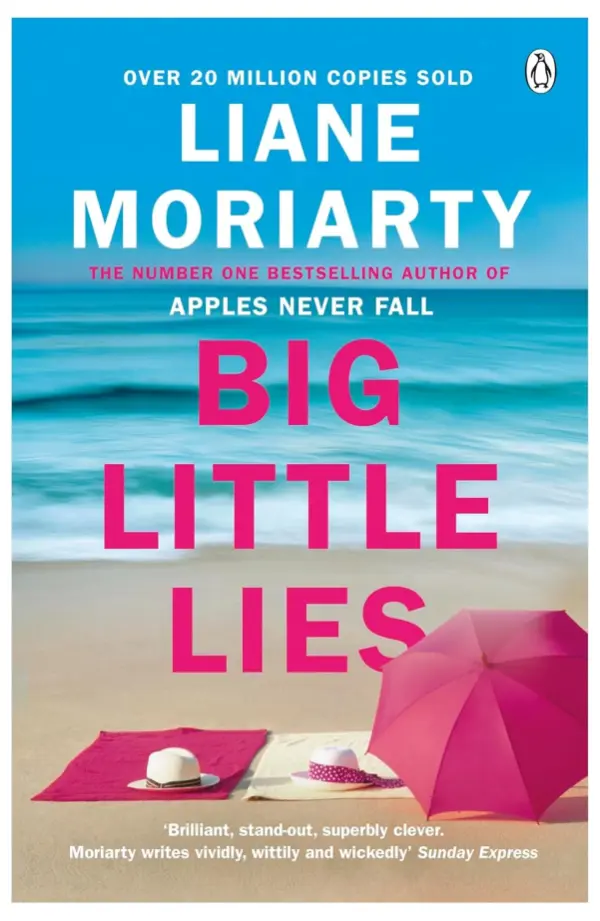
Liane Moriarty
Average Goodreads rating4.5
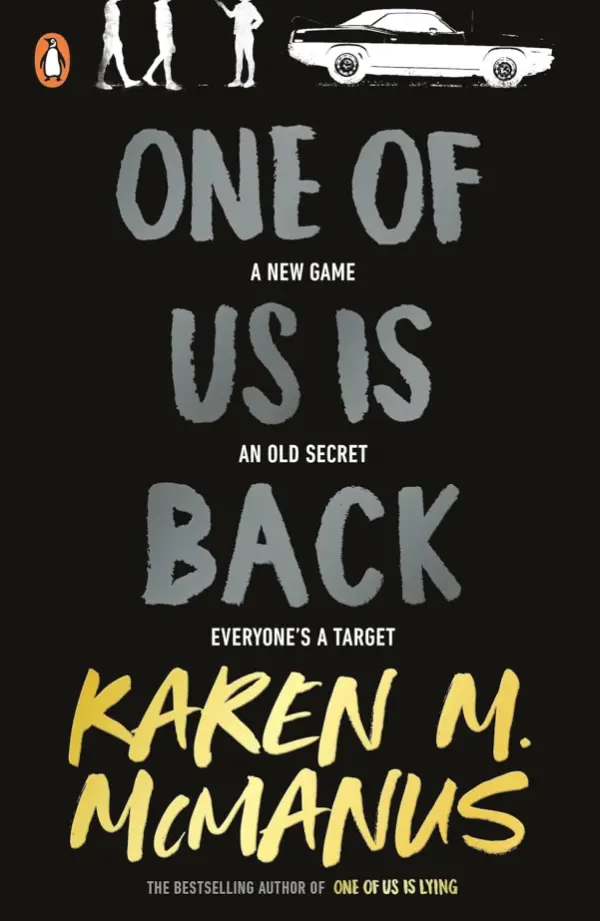
Karen M. McManus
One of Us is Lying, book 3
Average Goodreads rating4.6
Buy from Amazon (opens Amazon in a new tab)A.J. Finn is the pen name of Daniel Mallory, an American author known for psychological thriller The Woman in the Window. His debut became a bestseller despite controversy, crafting Hitchcockian suspense with unreliable narrators and twisty plots.
Books, series and tropes by A. J. Finn
Not feeling the Valentine's spirit? Discover 20 bestselling anti-Valentine's reads across fantasy, thriller, romance, and horror that celebrate independence, revenge, and the beautifully messy reality of relationships.
The Woman in the Window
Buy from Amazon (opens Amazon in a new tab)Occasional emails with new recommendations, series news and trope round-ups.