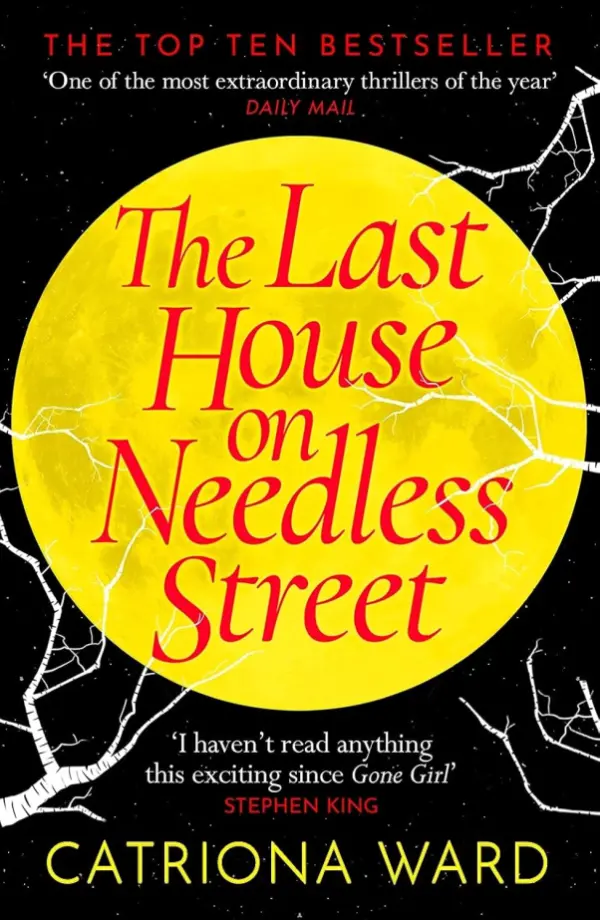
The Last House on Needless Street
Average Goodreads rating3.9
- Multiple POV
- Twist Ending

Author · British American
Catriona Ward is a British-American author known for darkly literary horror and psychological thrillers. Celebrated for The Last House on Needless Street and Sundial, she crafts twisted narratives with unreliable narrators and devastating reveals.
New to Catriona Ward? A popular place to start
The Last House on Needless Street by Catriona Ward follows Ted, a reclusive man living with his daughter and cat in a boarded-up house. When a neighbour suspects him of a child's disappearance, dark secrets emerge in this devastating psychological horror.
Picked from Catriona Ward’s most widely rated books on Goodreads, starting at the beginning of its series.
Retailer links may earn Trope Trove a commission, at no extra cost to you.
Not part of a series listed on Trope Trove
Average Goodreads rating3.9
Catriona Ward is a British-American author who has established herself as one of contemporary horror's most innovative and literary voices, crafting psychologically complex narratives that blur genre boundaries between horror, thriller, and literary fiction. With a background that includes living across multiple continents and studying creative writing at the University of East Anglia, Ward brings a sophisticated, often experimental approach to dark fiction that challenges readers and defies easy categorization.
Ward's early novels established her talent for atmospheric horror. Rawblood (2015), her debut, is a Gothic ghost story spanning generations, blending Victorian horror with modern narrative techniques. The novel won the August Derleth Award for Best Horror Novel, immediately marking Ward as a significant new voice. Little Eve (2018) is a disturbing cult thriller set on a remote Scottish island, exploring manipulation, abuse, and the aftermath of extremism with unflinching intensity.
The Last House on Needless Street (2021) became Ward's breakthrough work and is widely considered a modern horror masterpiece. This deeply unsettling novel follows Ted, a reclusive man living with his daughter and cat in a boarded-up house, suspected by his neighbour of involvement in a child's disappearance years earlier. The novel employs multiple unreliable narrators - including the cat - and builds to revelations so devastating they force complete re-evaluation of everything preceding them. The book's exploration of trauma, dissociation, and survival won widespread critical acclaim and numerous awards, including the British Fantasy Award and Shirley Jackson Award.
Sundial (2022) cemented Ward's reputation for psychological horror. The novel follows a mother who takes her daughter to a remote desert research station to escape family dysfunction, only for disturbing truths about both their pasts to emerge. The book's structure mirrors its themes of fracture and duality, with Ward employing innovative narrative techniques to disorient and disturb readers.
Looking Glass Sound (2023) ventures into body horror and identity, following a woman who discovers her body is changing in impossible ways whilst investigating her family's dark history. The novel showcases Ward's willingness to push boundaries and explore horror's intersection with identity and transformation.
Her upcoming novel The Shiver continues her exploration of psychological and supernatural horror, promising more of the twisted narratives and unreliable perspectives that have become her trademark.
Ward's writing is characterized by extreme unreliable narrators, often multiple perspectives that contradict each other, innovative structures and experimental techniques, literary prose that's both beautiful and disturbing, devastating plot twists that recontextualize entire narratives, exploration of trauma, abuse, and dissociation, and genre-blending between horror, thriller, and literary fiction.
Common themes include childhood trauma and its long-term effects, abuse and cycles of violence, unreliable memory and perception, identity and dissociation, isolation - physical and psychological, family dysfunction and secrets, and the question of what makes us human. Ward consistently explores how trauma fractures identity and reality, creating narratives where nothing can be trusted, including the narrators themselves.
Her prose is distinctly literary, prioritising atmosphere and psychological complexity over cheap scares. Ward's horror emerges from character psychology and slow-building dread rather than gore or jump scares, though she doesn't shy from disturbing content when narratively appropriate.
Ward's novels require active, attentive reading - she plants clues subtly, employs misdirection masterfully, and trusts readers to piece together revelations. Her books reward rereading, as early chapters take on entirely new meaning after the truth emerges.
Critics frequently praise Ward's fearlessness in tackling difficult subjects and her refusal to provide easy answers or comfortable resolutions. Her work appeals to readers seeking horror that challenges intellectually and emotionally, not just entertains.
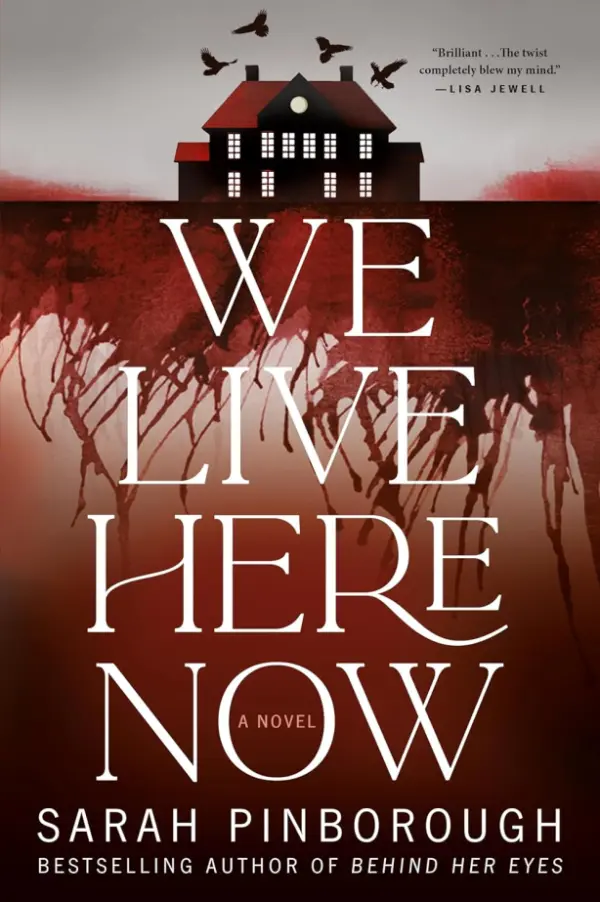
Sarah Pinborough
Average Goodreads rating4.0
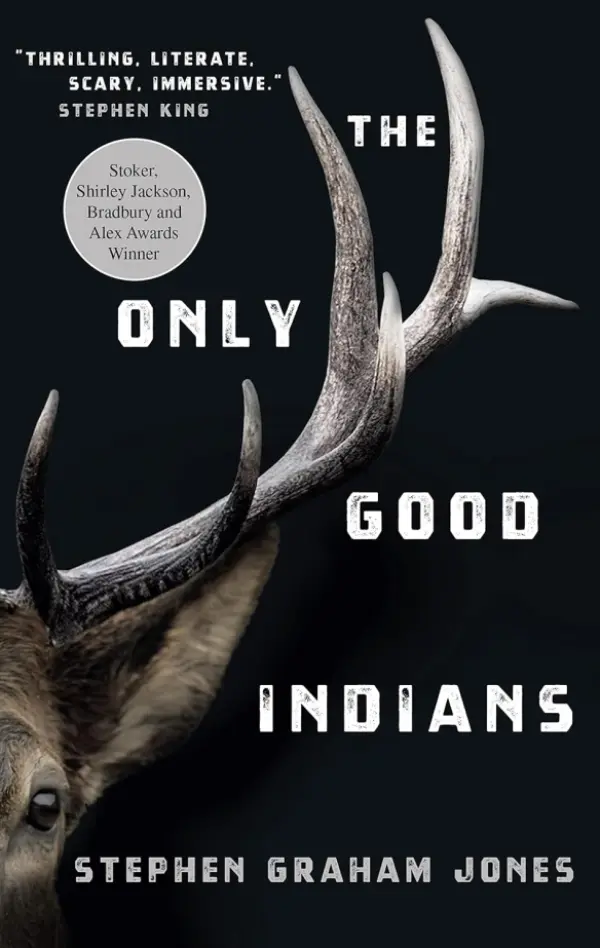
Stephen Graham Jones
Average Goodreads rating3.8
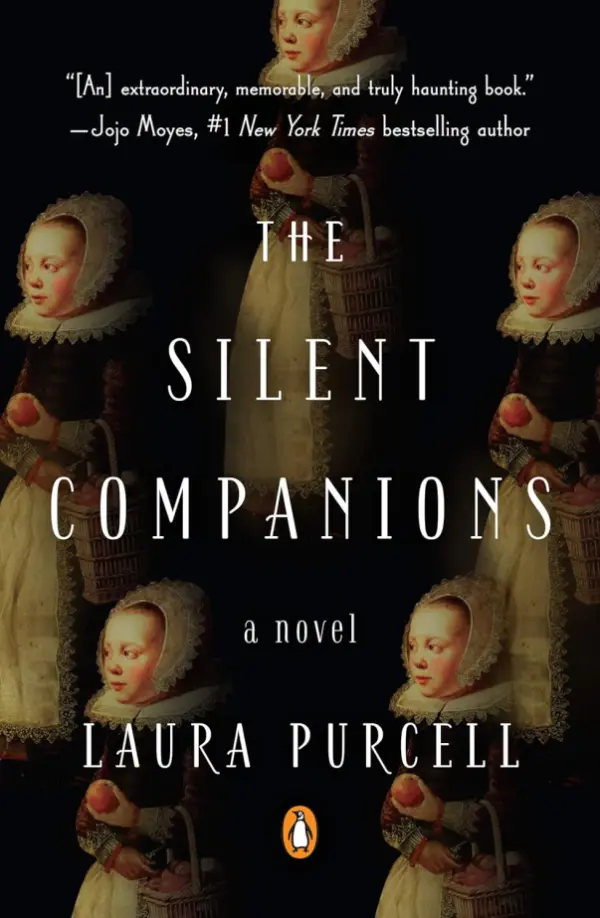
Laura Purcell
Average Goodreads rating3.9
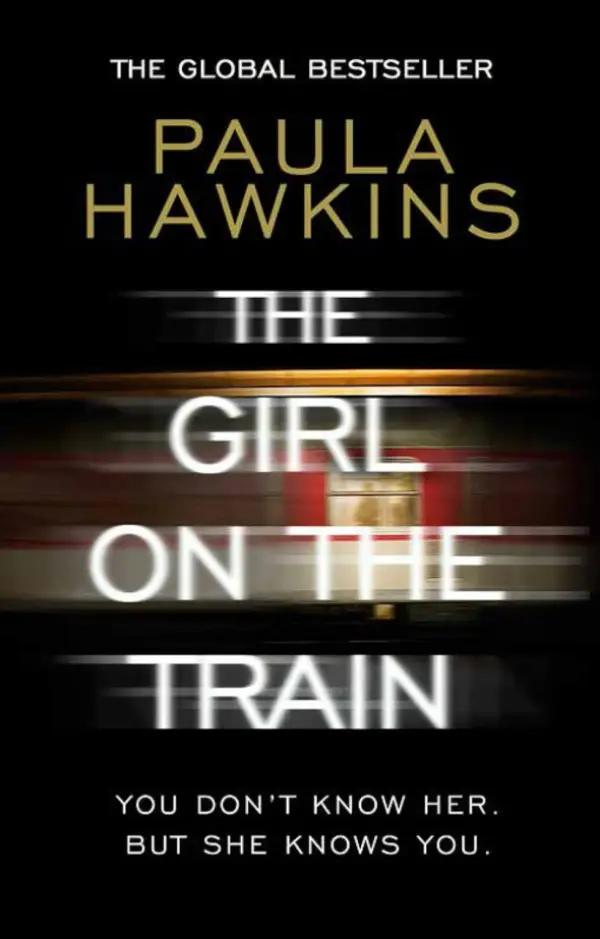
Paula Hawkins
Average Goodreads rating4.1
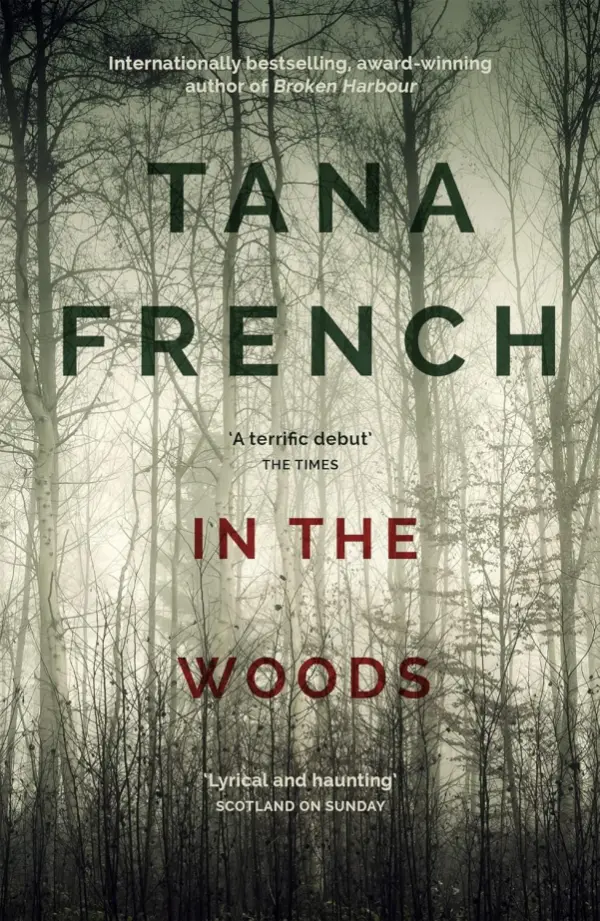
Tana French
Dublin Murder Squad, book 1
Average Goodreads rating3.8
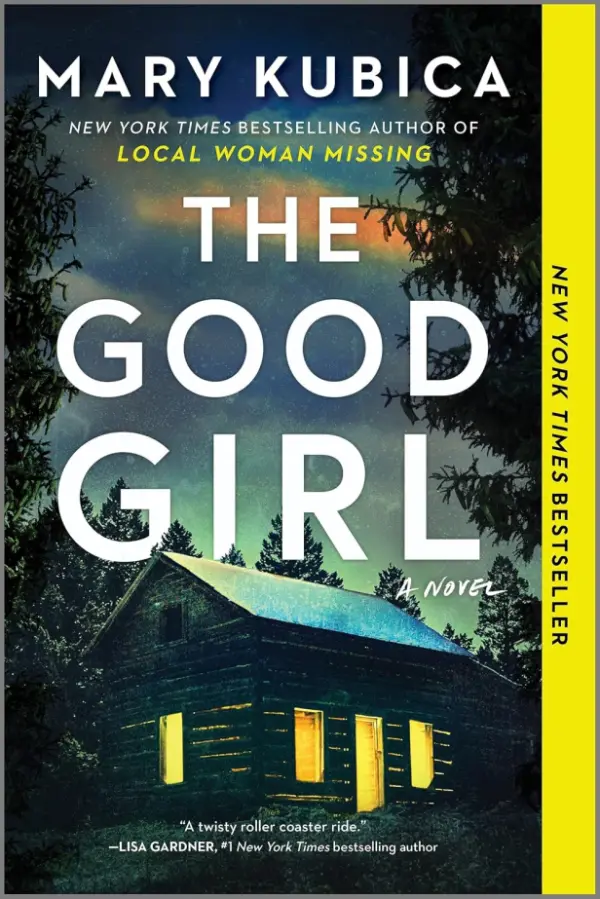
Mary Kubica
Average Goodreads rating3.8

Not feeling the Valentine's spirit? Discover 20 bestselling anti-Valentine's reads across fantasy, thriller, romance, and horror that celebrate independence, revenge, and the beautifully messy reality of relationships.
Occasional emails with new recommendations, series news and trope round-ups.