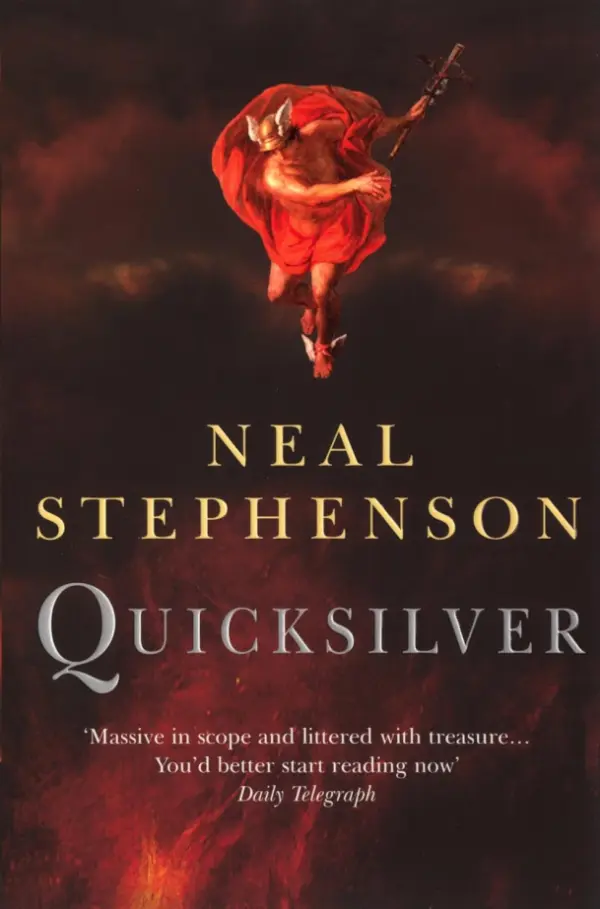
Book 1
Quicksilver
Average Goodreads rating4.4

Author · American
Neal Stephenson is a renowned sci-fi author known for dense, intellectually ambitious novels. Celebrated for Snow Crash and Cryptonomicon, he crafts sprawling narratives blending technology, history, philosophy, and meticulous research with encyclopedic detail.
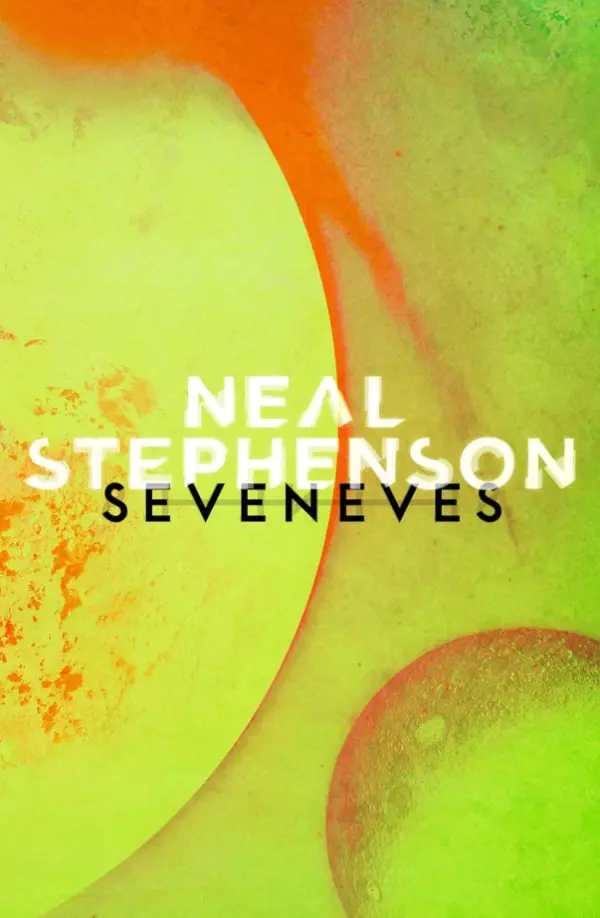
New to Neal Stephenson? A popular place to start
Seveneves by Neal Stephenson follows humanity's desperate survival after the Moon explodes. This hard sci-fi epic spans near-future orbital mechanics struggles and far-future civilization rebuilding, delivering meticulous technical detail and ambitious scope.
Picked from Neal Stephenson’s most widely rated books on Goodreads, starting at the beginning of its series.
Retailer links may earn Trope Trove a commission, at no extra cost to you.
3 books in reading order
Book 1
Average Goodreads rating4.4
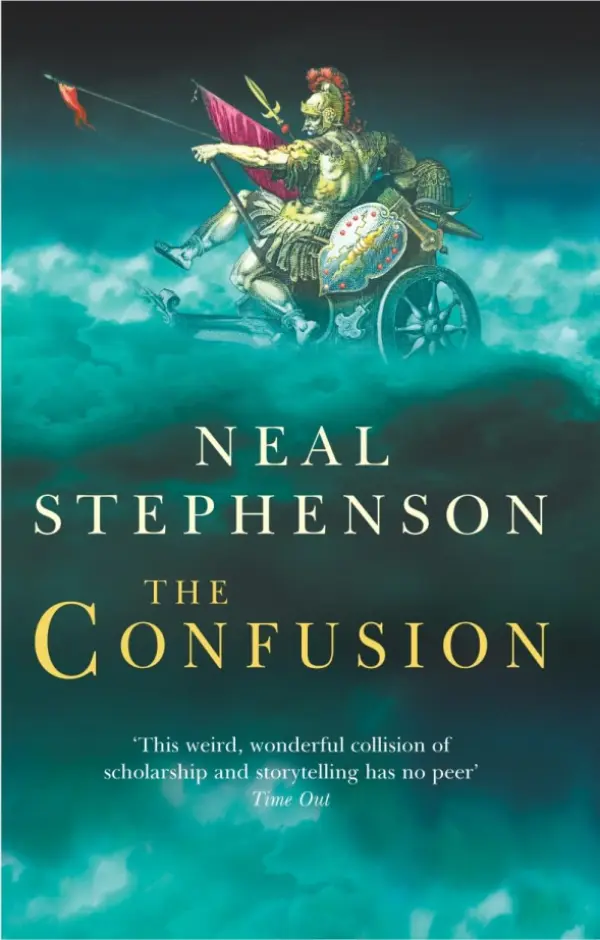
Book 2
Average Goodreads rating4.7
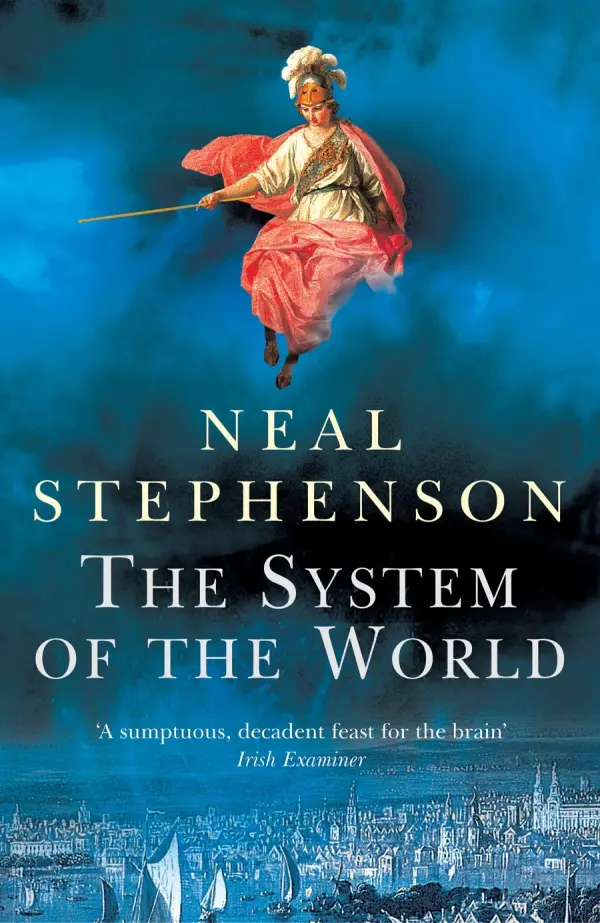
Book 3
Average Goodreads rating4.7
Not part of a series listed on Trope Trove
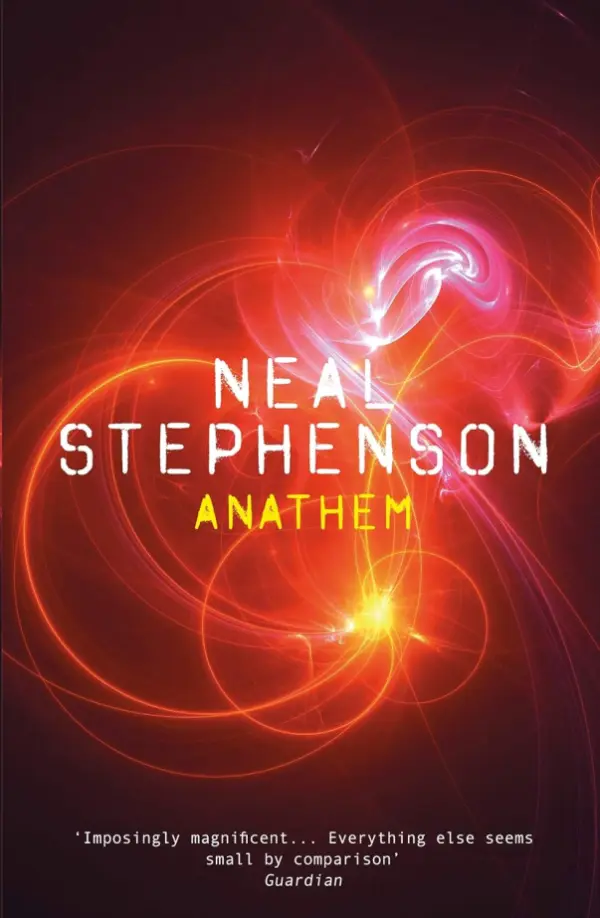
Average Goodreads rating4.4
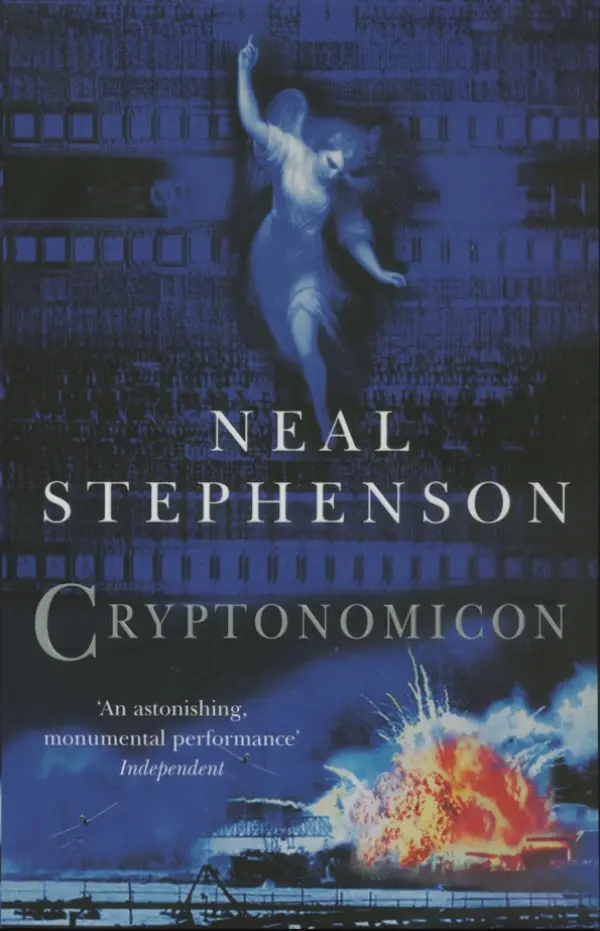
Average Goodreads rating4.5
Average Goodreads rating4.2
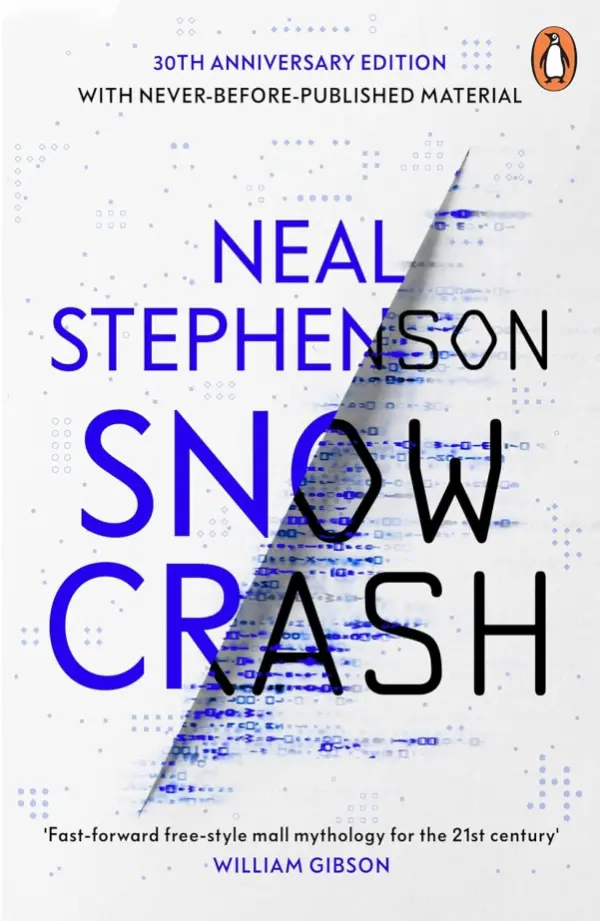
Average Goodreads rating4.2
Neal Stephenson is an American author who has become one of science fiction's most intellectually ambitious voices through his ability to craft massive, densely researched novels that blend cutting-edge technology with historical depth, philosophical inquiry, and encyclopedic attention to detail. Known for works that demand patience and reward careful reading, Stephenson creates sprawling narratives where the plot often takes backseat to ideas - exploring everything from cryptography to nanotechnology, from Baroque-era mathematics to virtual reality metaverses - whilst maintaining enough propulsive storytelling to carry readers through 900+ page novels. His work appeals to those seeking science fiction with substance, who appreciate thorough worldbuilding, characters who think and argue rather than just act, and authors willing to trust readers with complexity rather than simplifying for mass appeal.
Snow Crash (1992) launched Stephenson into prominence, creating the "metaverse" concept decades before Facebook's rebrand and blending cyberpunk aesthetics with Sumerian mythology, linguistics, and satire. Following Hiro Protagonist (yes, that's his name), a hacker and pizza delivery driver navigating both dystopian America and immersive virtual reality, the novel balances action with exploration of how language, viruses (both biological and informational), and religion function as mind-controlling mechanisms. The book's influence on Silicon Valley and tech culture cannot be overstated - many metaverse concepts trace directly to Stephenson's vision.
Cryptonomicon (1999) represents Stephenson's shift toward massive, research-intensive novels. Alternating between WWII codebreakers and modern-day tech entrepreneurs, the 900+ page tome explores cryptography, computing history, mathematical concepts, and how information security shapes both wars and economies. The novel demonstrates Stephenson's willingness to pause narrative for pages-long explanations of technical concepts - readers either embrace this approach or find it frustrating.
The Baroque Cycle trilogy (Quicksilver, The Confusion, The System of the World, 2003-2004) pushes the historical-technical fusion further, following characters through the 17th and 18th centuries as they navigate the birth of modern science, economics, and computing. The trilogy connects to Cryptonomicon through bloodlines and themes, creating a sprawling examination of how information, money, and power evolved over centuries. It's Stephenson at his most ambitious and demanding - brilliant for those who embrace it, impenetrable for others.
Anathem (2008) offers Stephenson's take on parallel worlds, following scholar-monks in a civilization where intellectuals live in cloistered "maths" (like monasteries for scientists), periodically interacting with outside society. The novel explores quantum mechanics, philosophy, and mathematics whilst building one of Stephenson's most complete alternate worlds.
Seveneves (2015) examines humanity's survival after the Moon explodes, splitting into two parts: the desperate near-future struggle to preserve humanity through space habitats, and a far-future examination of descendants rebuilding civilization. The novel showcases Stephenson's orbital mechanics knowledge whilst delivering his characteristic blend of hard science and human drama.
His writing is characterized by extensive research and technical detail, massive page counts (often 800-1000+ pages), ideas prioritized over plot pacing, tangential explanations and digressions, historical-technical fusion, philosophical inquiry, meticulously constructed worlds, characters who think and argue, and prose that trusts reader intelligence.
Common themes include information technology and cryptography, how technology shapes society and history, mathematics and philosophy, power and economics, linguistics and communication, nanotechnology and computing, historical parallels to contemporary issues, and intellectual curiosity as virtue.
Stephenson's prose is dense and demanding, prioritizing thoroughness over brevity. His tangents - whether explaining cryptographic algorithms or Baroque monetary systems - serve worldbuilding and thematic purposes but require patience.
What distinguishes Stephenson is his refusal to simplify, trusting readers with complexity whilst maintaining enough narrative momentum to justify the intellectual investment.

Neal Shusterman
Arc of a Scythe, book 1
Average Goodreads rating4.5

Neal Shusterman
Arc of a Scythe, book 2
Average Goodreads rating4.6

Neal Shusterman
Arc of a Scythe, book 3
Average Goodreads rating4.6

Cormac McCarthy
Average Goodreads rating4.4

Blake Crouch
The Wayward Pines Trilogy, book 1
Average Goodreads rating4.1

Blake Crouch
The Wayward Pines Trilogy, book 2
Average Goodreads rating4.4
Occasional emails with new recommendations, series news and trope round-ups.