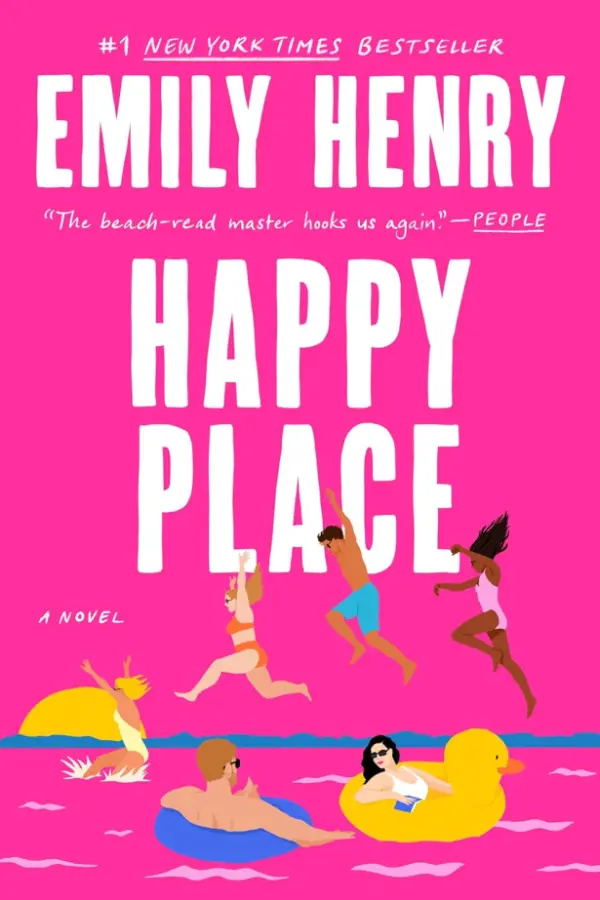
Happy Place
Emily Henry
Average Goodreads rating4.2
- Witty Banter & Sharp Dialogue
- Forced Proximity

Book trope · 36 books
Multiple timelines is a narrative structure in which a story unfolds across two or more distinct time periods, often cutting between them chapter by chapter or section by section.
More about the Multiple Timelines trope27 are tagged with Multiple Timelines individually. The others belong to a series tagged with it, which doesn’t mean every book in it features the trope, so they’re marked “Matched via its series”.
Updating books…
36 books found
Emily Henry
Average Goodreads rating4.2
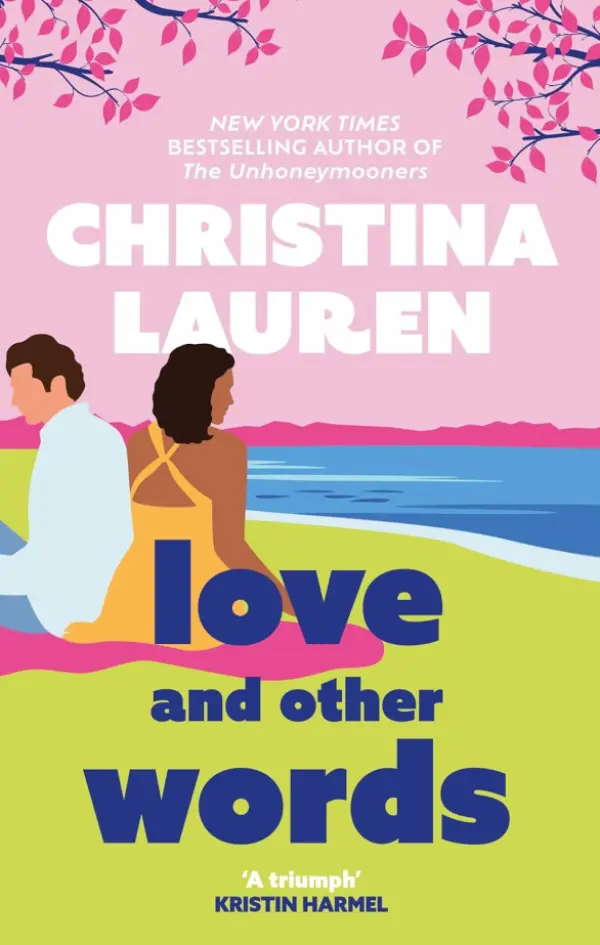
Christina Lauren
Average Goodreads rating4.2
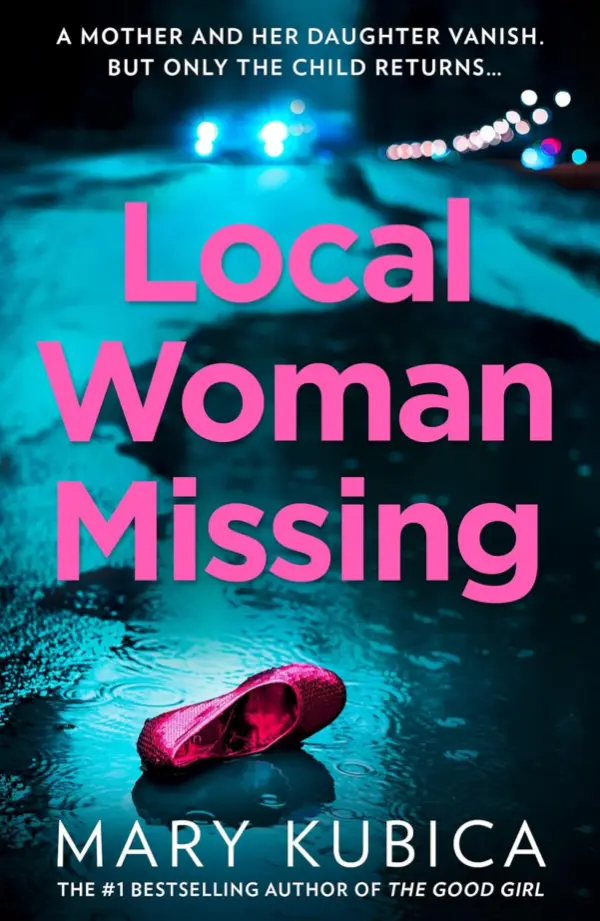
Mary Kubica
Average Goodreads rating4.1
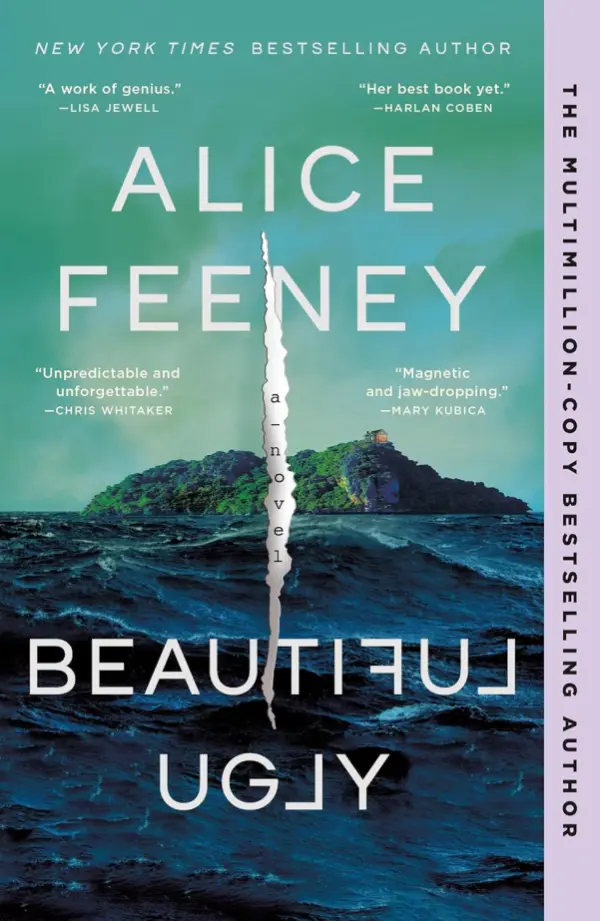
Alice Feeney
Average Goodreads rating3.6
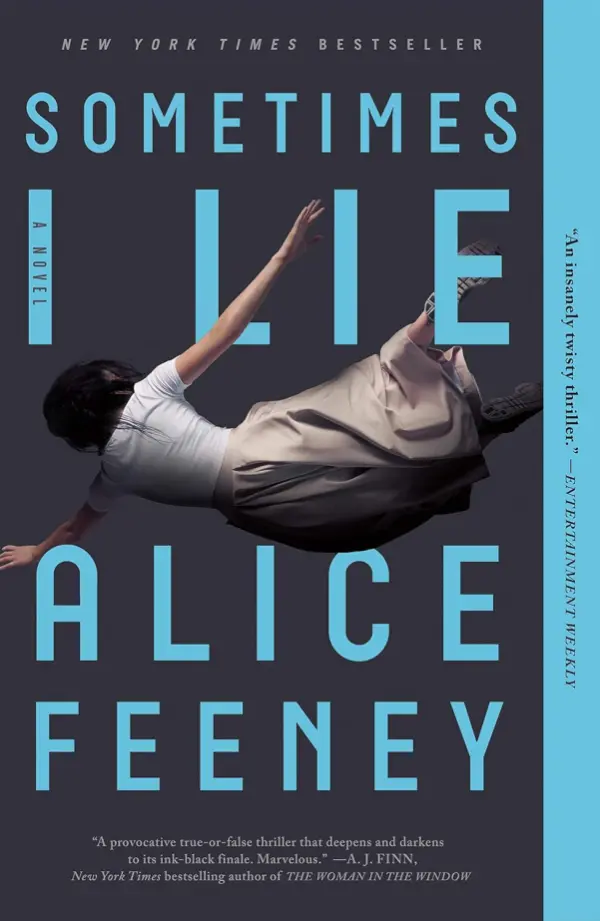
Alice Feeney
Average Goodreads rating3.7
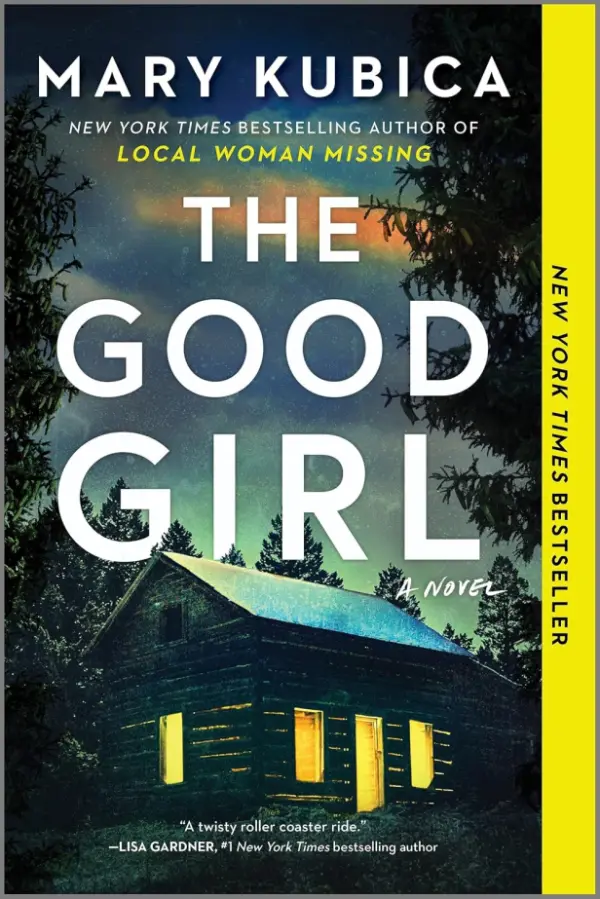
Mary Kubica
Average Goodreads rating3.8
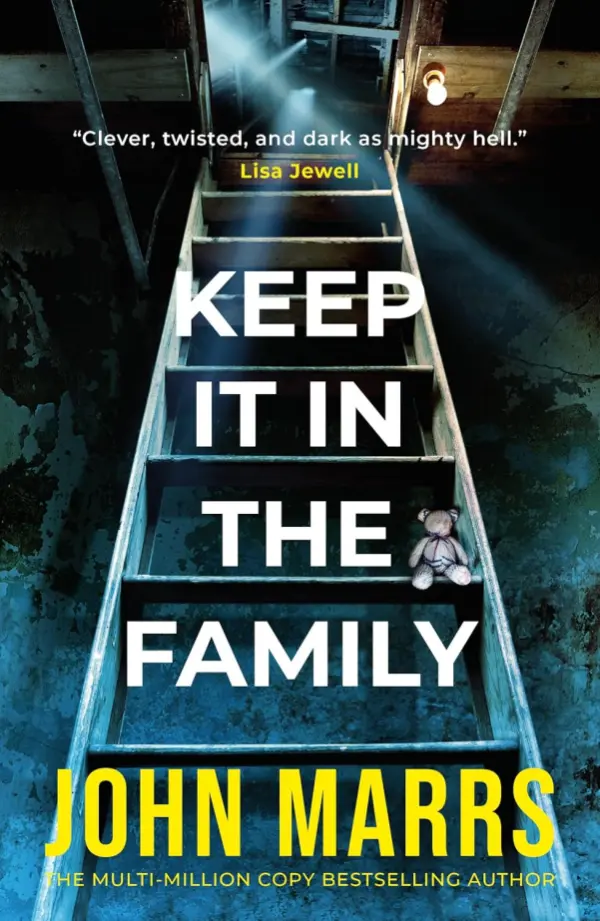
John Marrs
Average Goodreads rating4.1
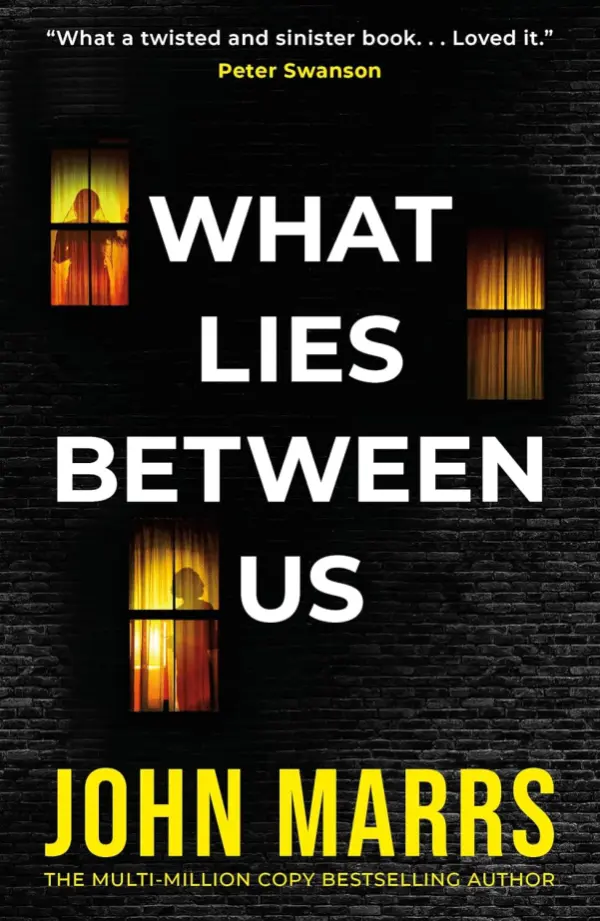
John Marrs
Average Goodreads rating4.0
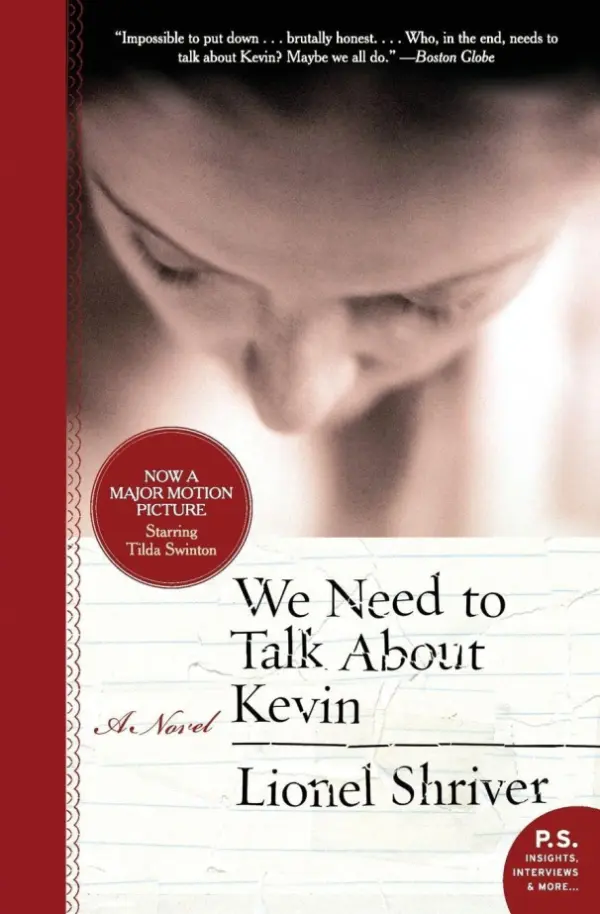
Lionel Shriver
Average Goodreads rating4.1
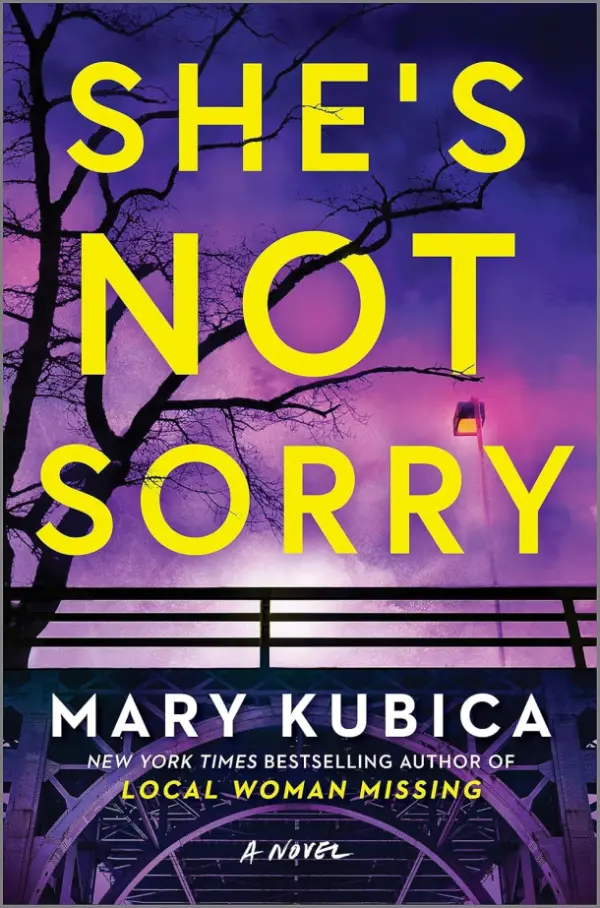
Mary Kubica
Average Goodreads rating3.8
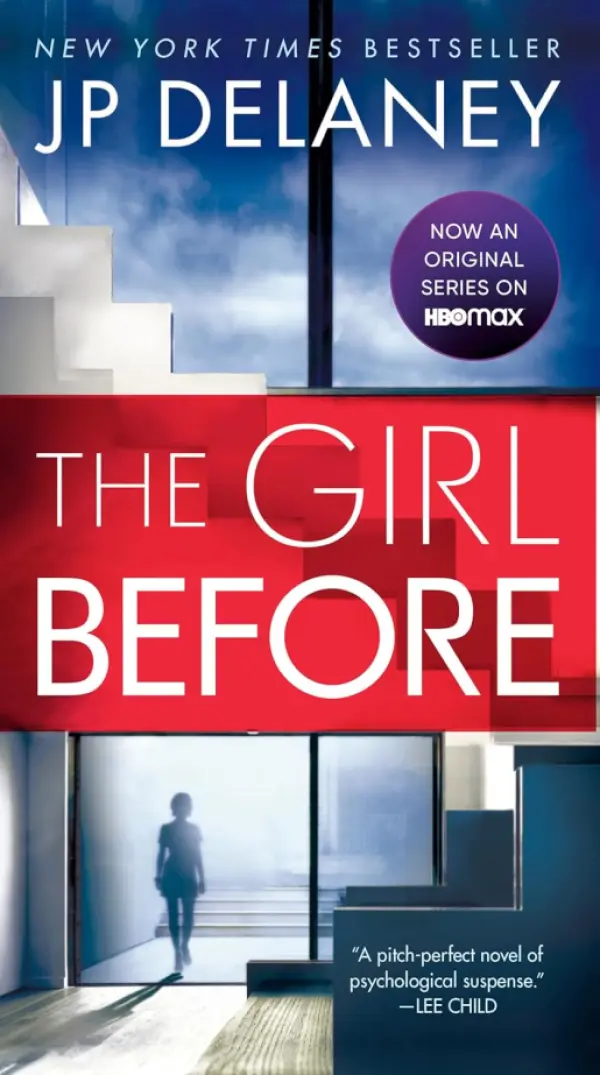
J. P. Delaney
Average Goodreads rating3.7
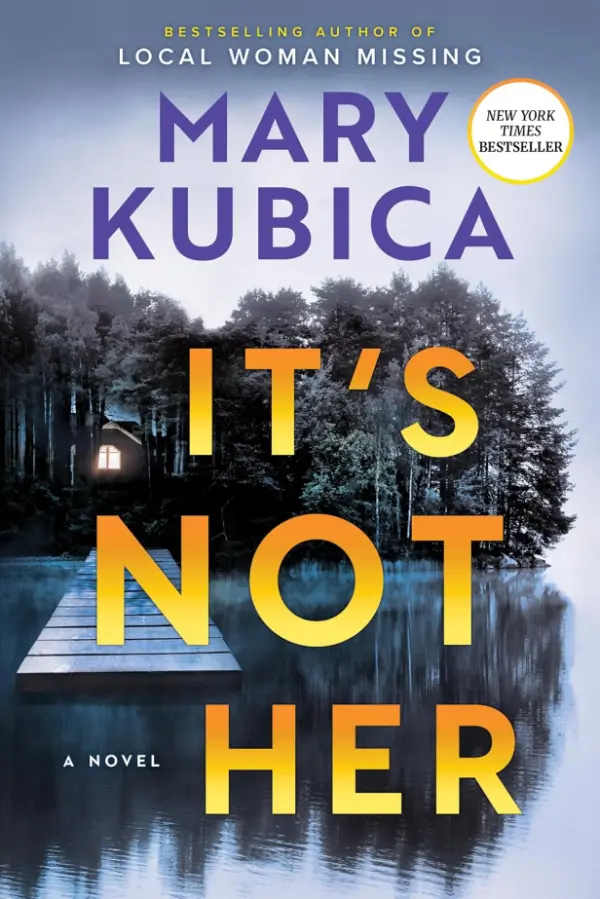
Mary Kubica
Average Goodreads rating3.9
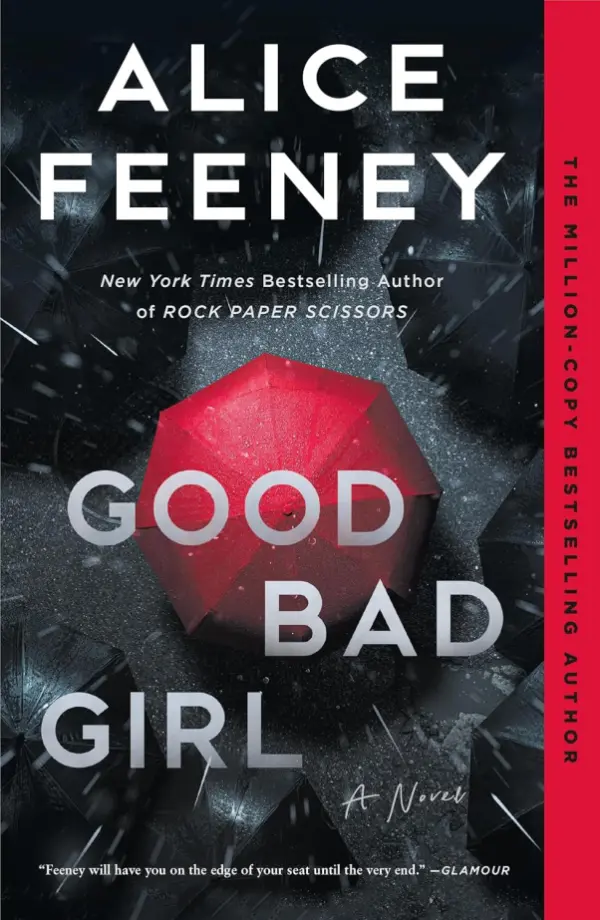
Alice Feeney
Average Goodreads rating3.7

John Marrs
Average Goodreads rating4.0
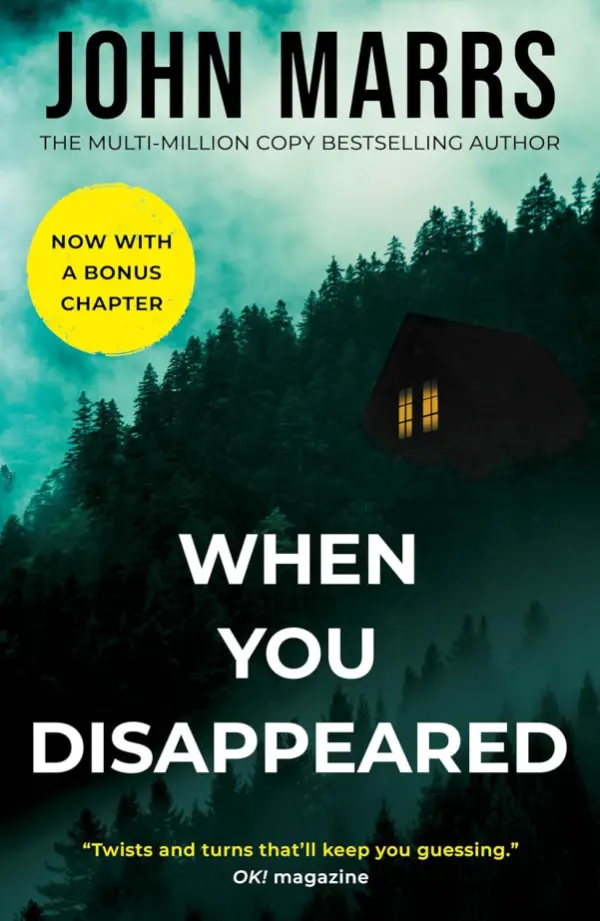
John Marrs
Average Goodreads rating3.9
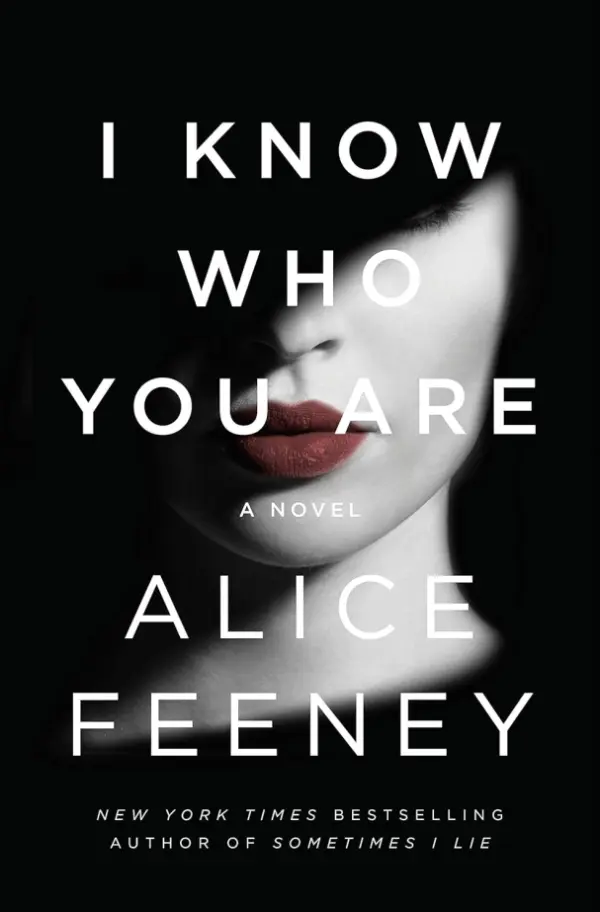
Alice Feeney
Average Goodreads rating3.4
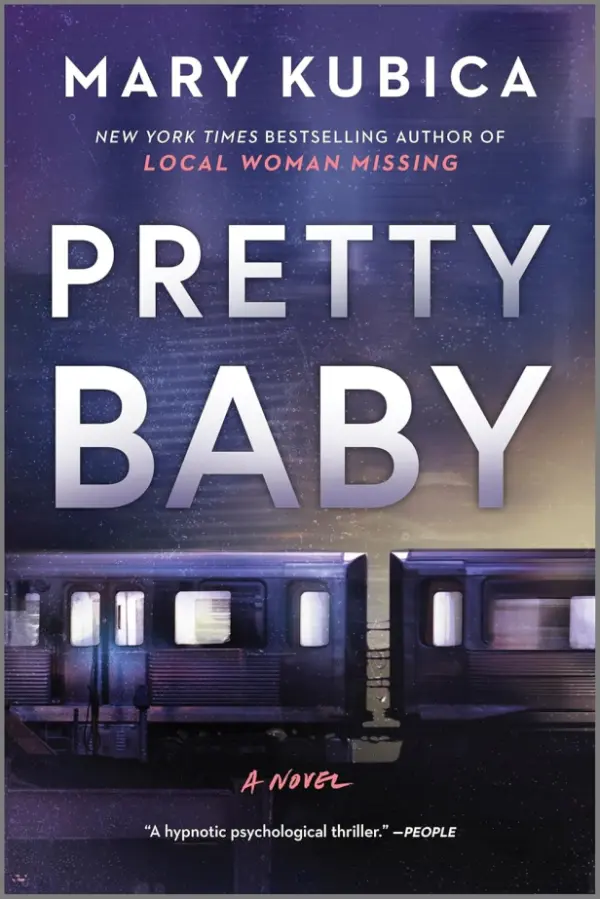
Mary Kubica
Average Goodreads rating3.7
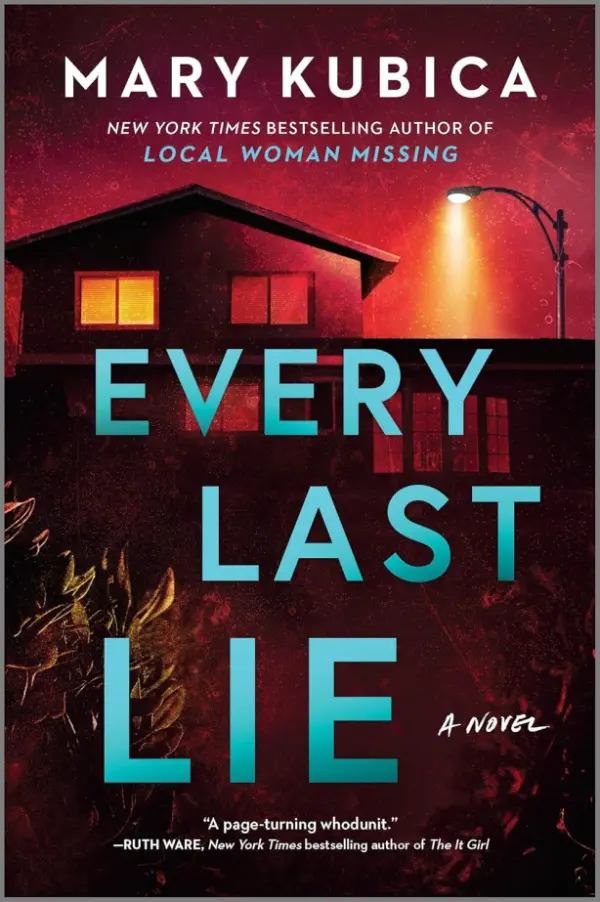
Mary Kubica
Average Goodreads rating3.3
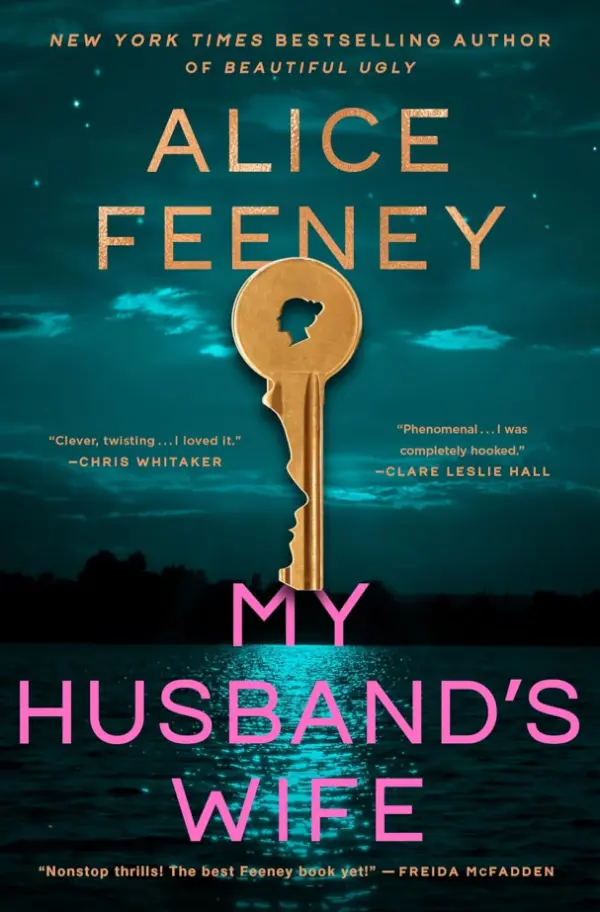
Alice Feeney
Average Goodreads rating4.3
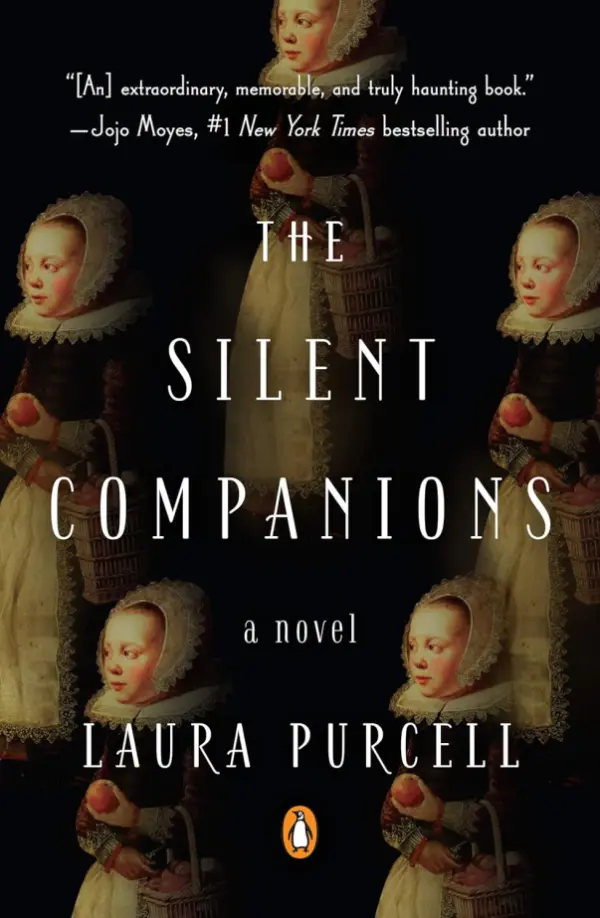
Laura Purcell
Average Goodreads rating3.9
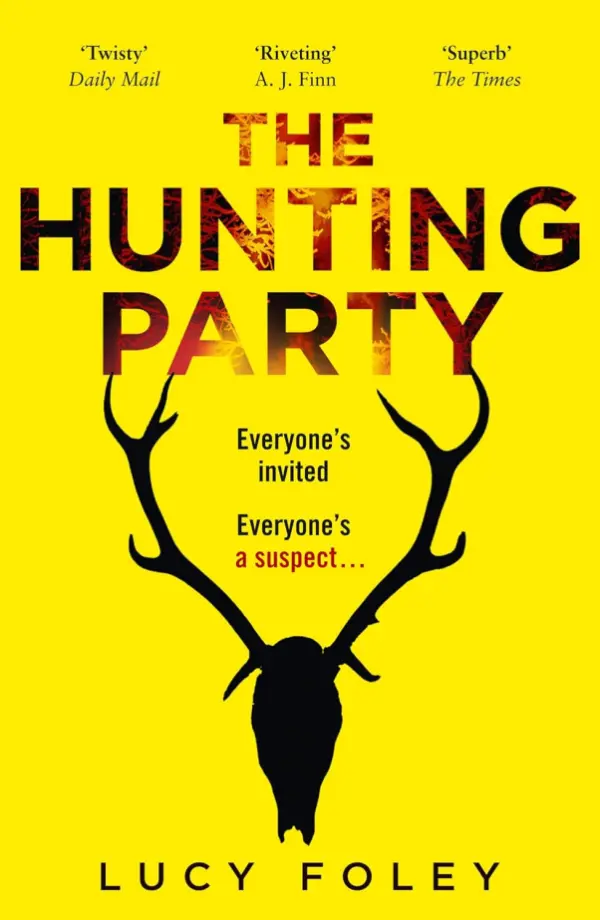
Lucy Foley
Average Goodreads rating4.0
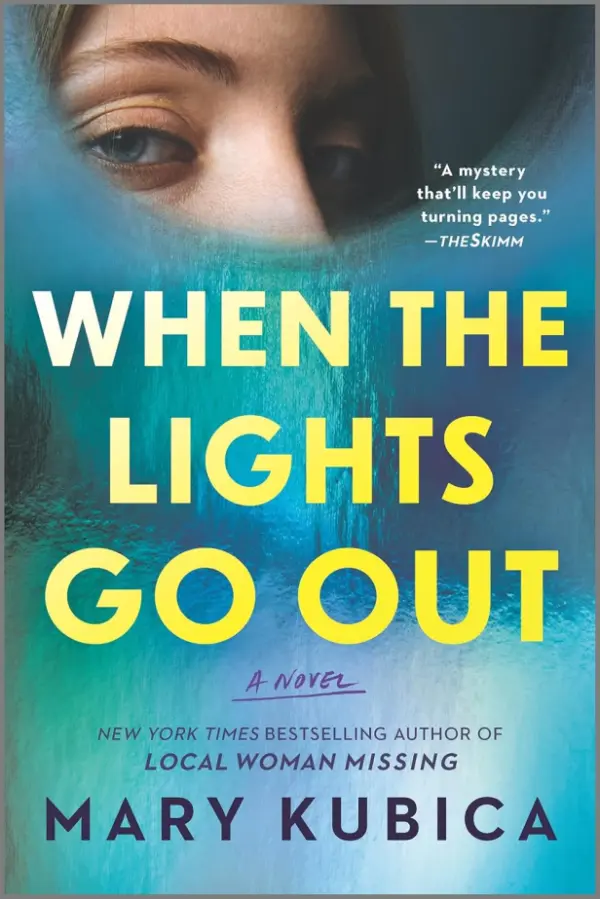
Mary Kubica
Average Goodreads rating3.2
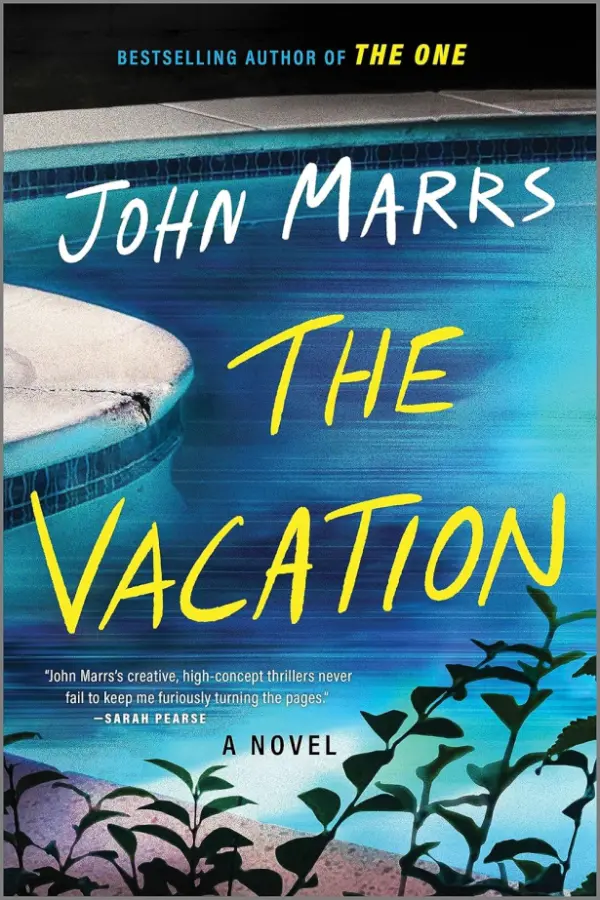
John Marrs
Average Goodreads rating3.7
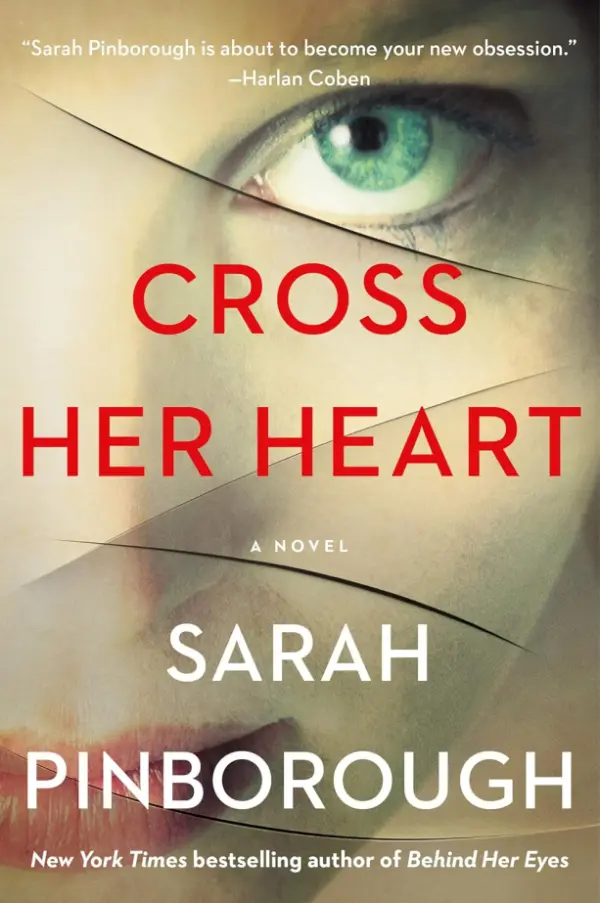
Sarah Pinborough
Average Goodreads rating3.7
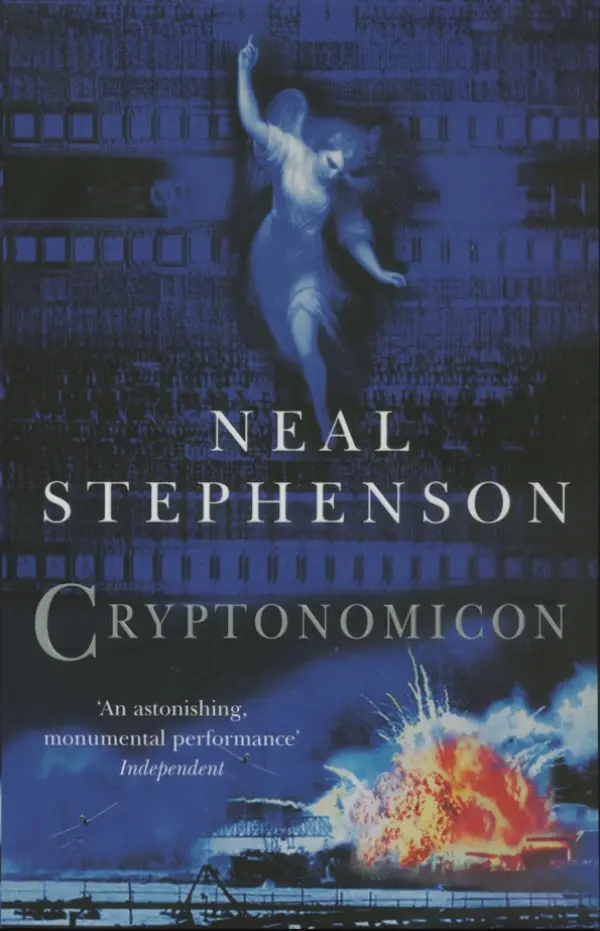
Neal Stephenson
Average Goodreads rating4.5
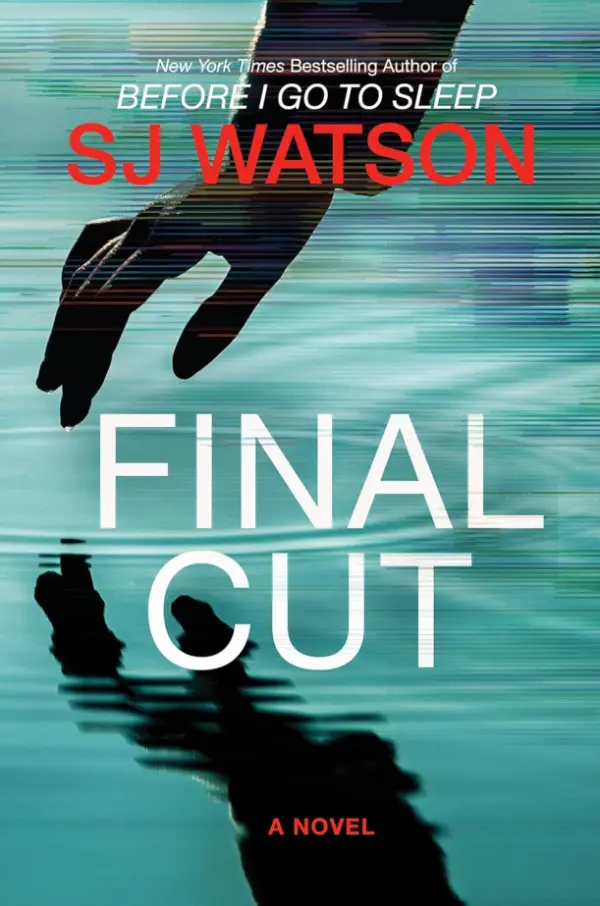
S. J. Watson
Average Goodreads rating3.1
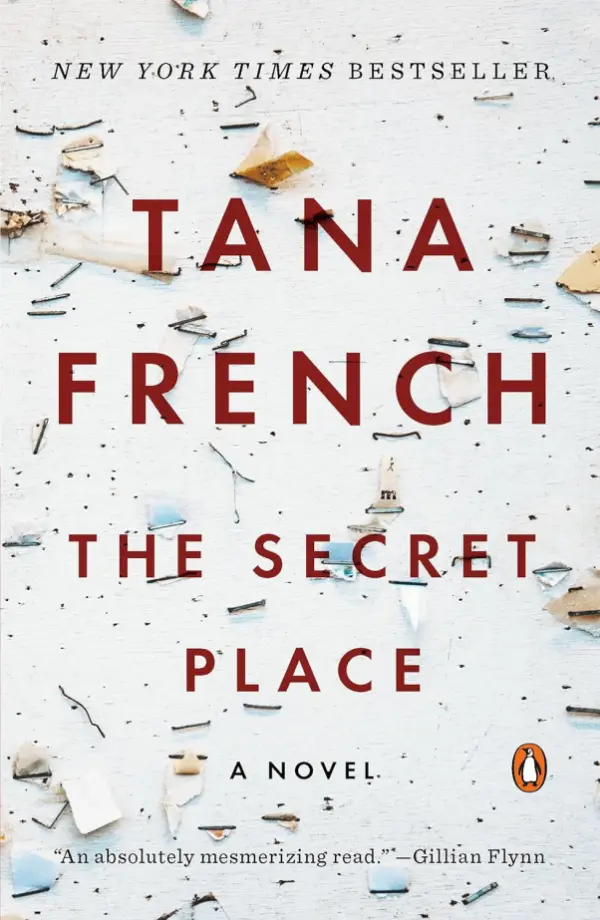
Tana French
Dublin Murder Squad, book 5
Average Goodreads rating3.8
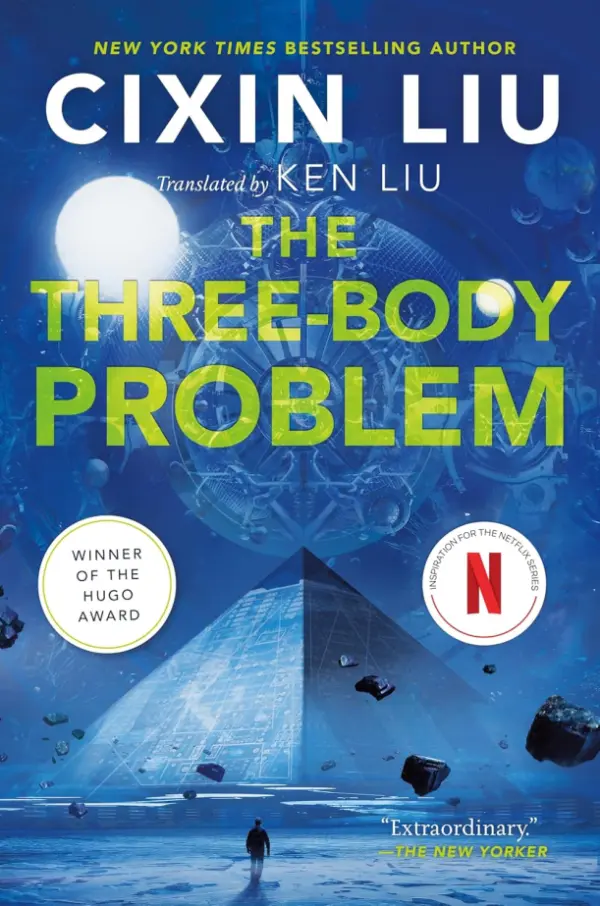
Liu Cixin
The Three-Body Problem, book 1
Average Goodreads rating4.1
Matched via its series
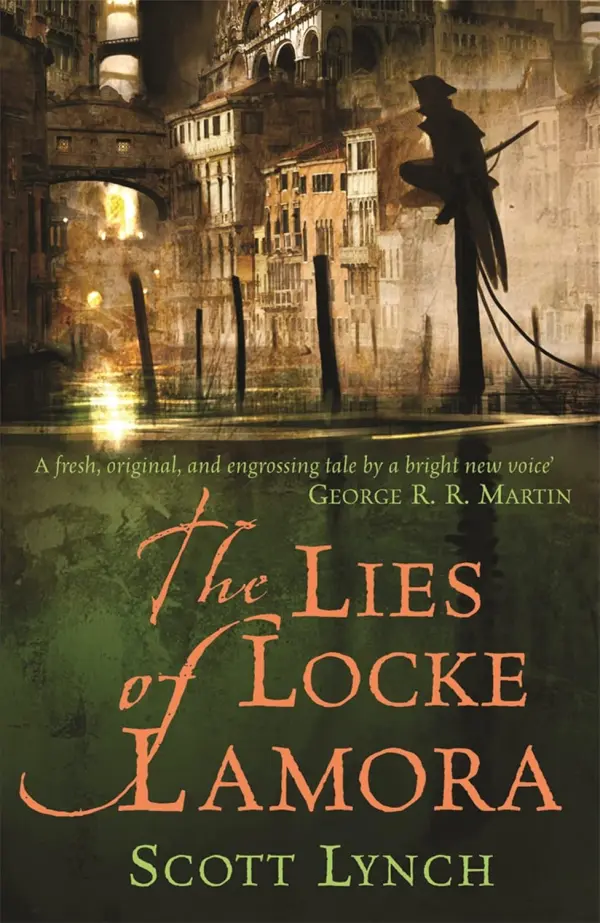
Scott Lynch
The Gentleman Bastard Sequence, book 1
Average Goodreads rating4.6
Matched via its series
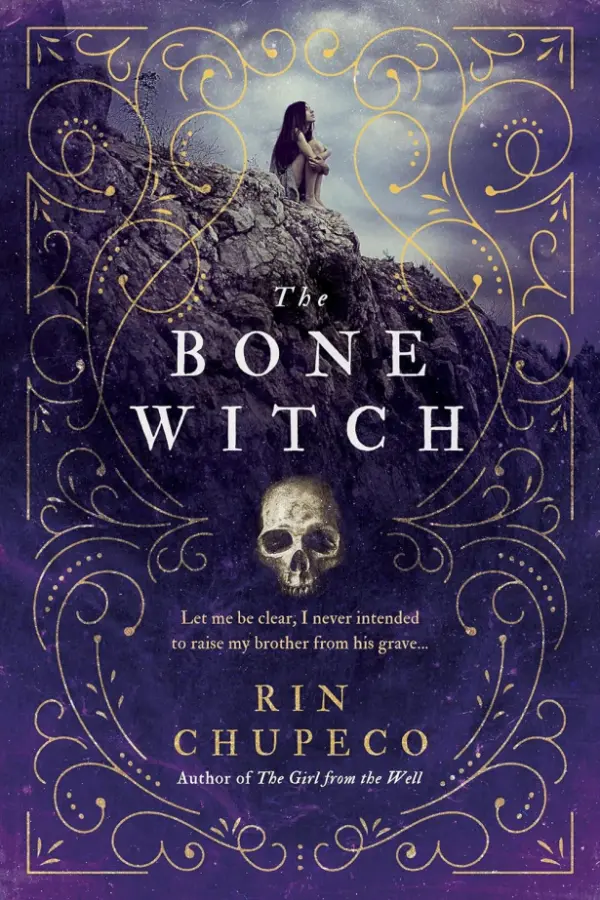
Rin Chupeco
The Bone Witch, book 1
Average Goodreads rating4.3
Matched via its series
Tropes that share the most books with Multiple Timelines
Multiple timelines is a narrative structure in which a story unfolds across two or more distinct time periods, often cutting between them chapter by chapter or section by section. Rather than a single linear progression from A to B, the reader receives fragments from different eras — sometimes centuries apart, sometimes separated by only a decade or two — and must piece together how they connect. The tension isn't just in what happens next, but in understanding how the past and present speak to each other.
It's a structure that suits fantasy and romance particularly well. Fantasy can use it to reveal the mythological underpinnings of a current conflict, showing the original wound before we see its long shadow. Romance can deploy it to unpack how two people arrived at this moment, layering emotional context that a strictly chronological telling would flatten.
There's a specific pleasure in holding two time periods in your head simultaneously, watching details rhyme across centuries. A name that means nothing in chapter one becomes loaded by chapter ten. A ruined building in the present suddenly has a heartbeat once you've seen it new. Readers who enjoy piecing together narrative puzzles are frequently drawn to this structure because the story rewards attention — small details planted in one timeline pay off quietly in another.
It also does something emotionally interesting: dramatic irony built not from secrets between characters, but from secrets between eras. You may know something about a past character's fate before the characters around them do, which transforms ordinary scenes into something quietly devastating. Or you may not know, and the past timeline becomes its own mystery running in parallel.
In epic fantasy, multiple timelines often serve a world-building function. A contemporary protagonist uncovering the origins of a curse, a war, or a prophecy will frequently trigger flashback chapters that dramatise those origins rather than simply explaining them. The past isn't backstory delivered in exposition — it's a full narrative strand with its own stakes and characters.
In romance, the structure tends to be more intimate. A common pattern involves alternating between a couple's early days and a later moment of crisis or reunion, so that the reader understands what was built before they see what's at risk. It can also appear in stories where two characters separated by time — through letters, diaries, or some magical connection — fall into something like love across centuries without ever sharing the same room.
Some stories blur the boundaries deliberately: timelines that seem distinct begin to overlap in unsettling ways, or a character in the past turns out to be closer to the present than expected. Others keep the periods rigidly separate, relying on thematic rather than literal connection.
The best uses of this structure make the back-and-forth feel necessary rather than decorative. Each timeline should be raising its own questions and building its own momentum, so that switching feels like a cliffhanger rather than an interruption. When it works, you'll find yourself genuinely torn about which thread you'd rather follow — and that ambivalence is exactly the point.
If you're new to the trope, look for stories where the timelines are clearly anchored by distinct voices or settings, so you're never disoriented by the jump. Once you've found your footing with those, the more structurally ambitious versions — where the boundaries themselves become part of the mystery — are well worth the extra attention they demand.
Two timelines, one story: the real question is always which one is the echo, and which one is the original.
Occasional emails with new recommendations, series news and trope round-ups.