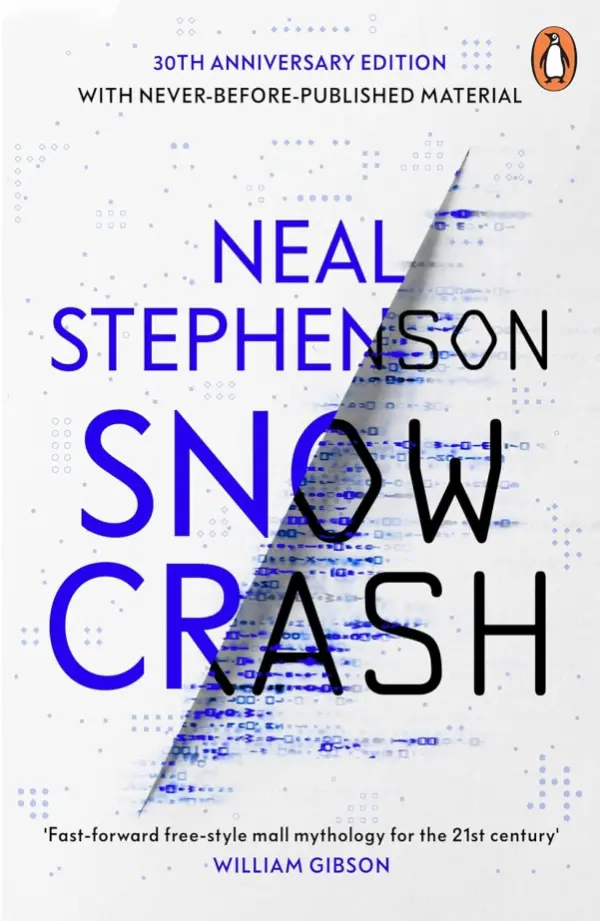
Snow Crash
Neal Stephenson
Average Goodreads rating4.2
- Dystopian Society
- Cyberpunk

Book trope · 3 books
At its core, the Virtual Reality Universe trope drops characters into a fully immersive digital world — one that operates by its own rules, rewards, and dangers.
More about the Virtual Reality Universe trope1 is tagged with Virtual Reality Universe individually. The others belong to a series tagged with it, which doesn’t mean every book in it features the trope, so they’re marked “Matched via its series”.
Updating books…
3 books found
Neal Stephenson
Average Goodreads rating4.2
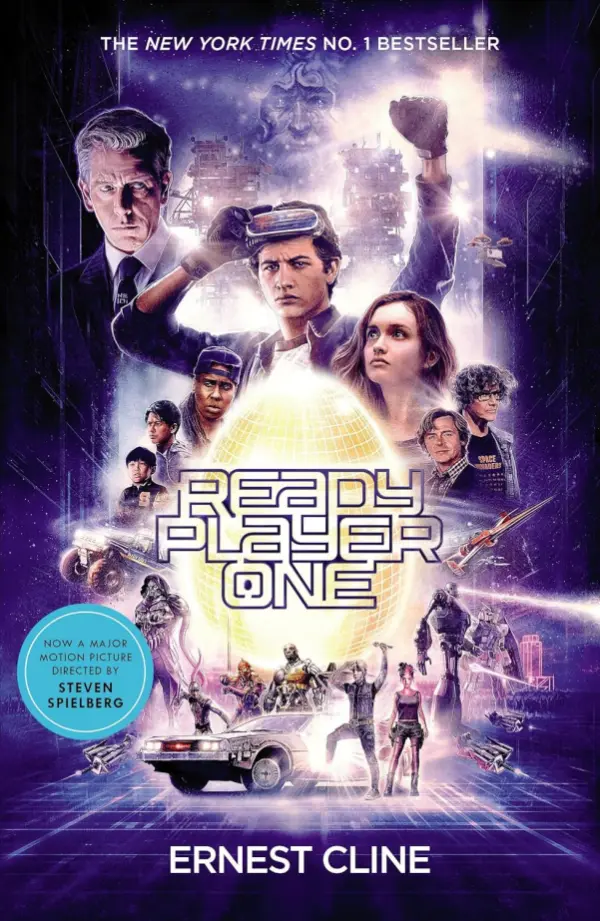
Ernest Cline
Ready Player One, book 1
Average Goodreads rating4.6
Matched via its series
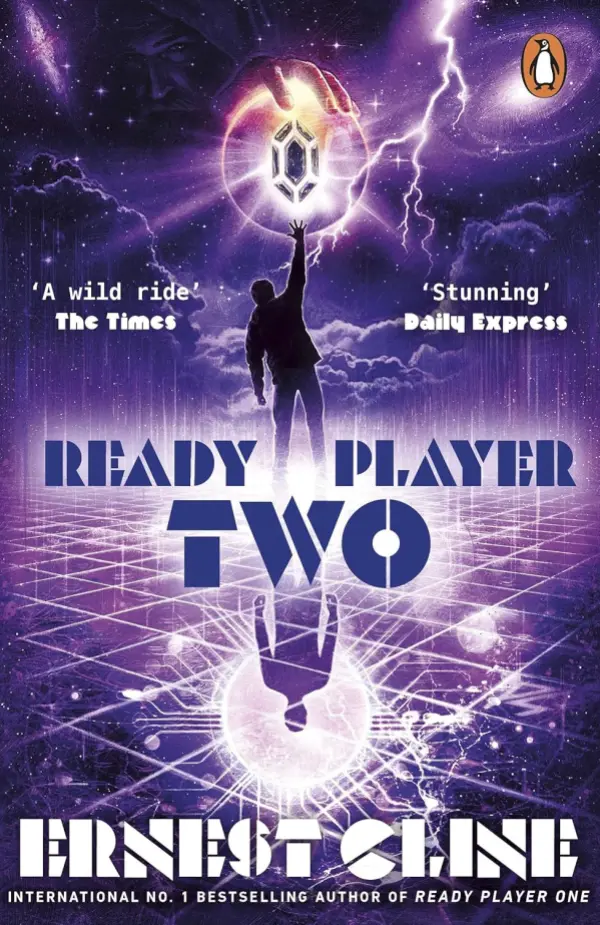
Ernest Cline
Ready Player One, book 2
Average Goodreads rating4.1
Matched via its series
Tropes that share the most books with Virtual Reality Universe
At its core, the Virtual Reality Universe trope drops characters into a fully immersive digital world — one that operates by its own rules, rewards, and dangers. Whether it's a sprawling fantasy game, a corporate simulation, or an entire society living behind visors and haptic suits, the digital realm becomes as real and consequential as anything outside it. Sometimes more so.
The appeal is almost primal. Readers get two worlds for the price of one: the stakes of the virtual space, and the messy, fragile reality waiting on the other side of the log-out screen. That tension between what's simulated and what's genuine — identity, love, power, death — is where the trope does its most interesting work.
The genre tends to share a handful of key ingredients. There's almost always a question of stakes: can you die in the game? Lose your mind? Lose your real-world assets? The higher the consequence of virtual action, the more urgently the story moves.
Character identity is another constant. Avatars let people become someone else entirely — braver, crueller, more beautiful, more honest. The best stories in this space push characters toward uncomfortable questions about which version of themselves is the true one. The mask can become the face.
Power systems matter enormously here too. Levelling mechanics, rare items, faction allegiances, guild politics — these aren't just window dressing. They function like the social hierarchies of a secondary world fantasy, which is exactly why the trope pairs so naturally with epic fantasy and LitRPG traditions.
Not every Virtual Reality Universe story is the same beast. Some lean hard into the game mechanics — stats, skill trees, boss encounters — landing them firmly in LitRPG or GameLit territory. Others treat the digital world as pure speculative backdrop, using it to explore surveillance, corporate control, or the commodification of human experience.
Romance threads through the trope in fascinating ways. Falling for someone whose real face you've never seen, whose name you don't know, whose body is an avatar — that's a particular kind of vulnerability. Some stories play it for warmth and yearning; others use it to devastating effect when the illusion cracks.
There's also a darker variant, sometimes called the Trapped in the Game sub-trope, where logging out isn't an option. Escape becomes the central drive, and the virtual world shifts from playground to prison. These stories borrow heavily from survival thriller energy while keeping one foot in fantasy.
The Virtual Reality Universe endures because it gives writers a structurally elegant way to ask genuinely difficult questions. What makes a life real? Does a friendship built in a fabricated space count? If someone dies in a simulation and feels every second of it, was it just data?
Fantasy readers in particular respond to it because the trope delivers the genre's greatest pleasure — a fully realised alternate world with its own geography, lore, and logic — while grounding it in something recognisably contemporary. The headset might be fictional, but the impulse to escape into another world is one every reader already understands.
When it's done well, you stop caring which side of the screen is real.
Occasional emails with new recommendations, series news and trope round-ups.