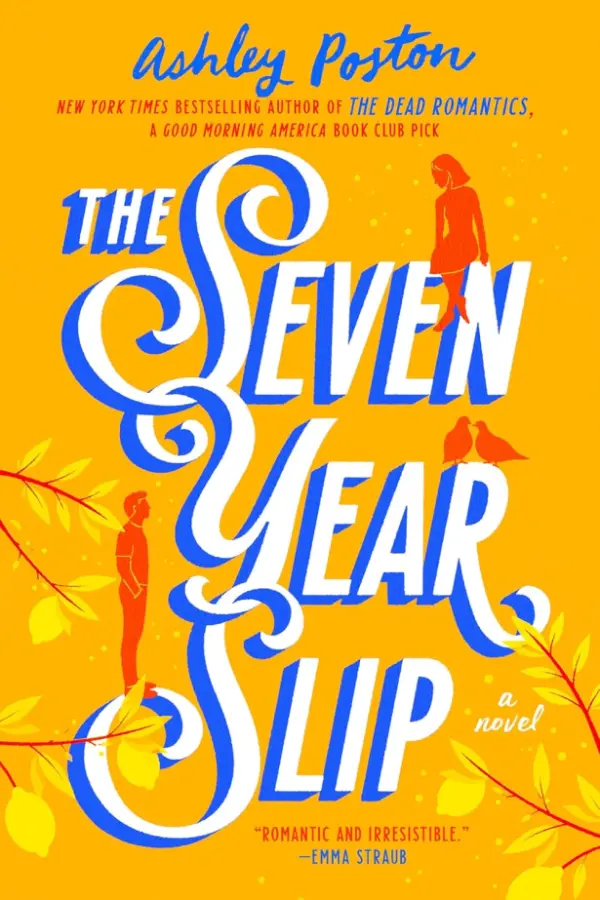
The Seven Year Slip
Ashley Poston
Average Goodreads rating4.1
- Trauma and Healing
- Forced Proximity

Book trope · 14 books
Time travel is exactly what it sounds like — and yet somehow endlessly surprising. A character moves through time in a way that defies the ordinary rules of cause and effect, landing in a different era whether by choice, accident, or forces entirely beyond their control.
More about the Time Travel trope6 are tagged with Time Travel individually. The others belong to a series tagged with it, which doesn’t mean every book in it features the trope, so they’re marked “Matched via its series”.
Updating books…
14 books found
Ashley Poston
Average Goodreads rating4.1

Christina Lauren
Average Goodreads rating4.1
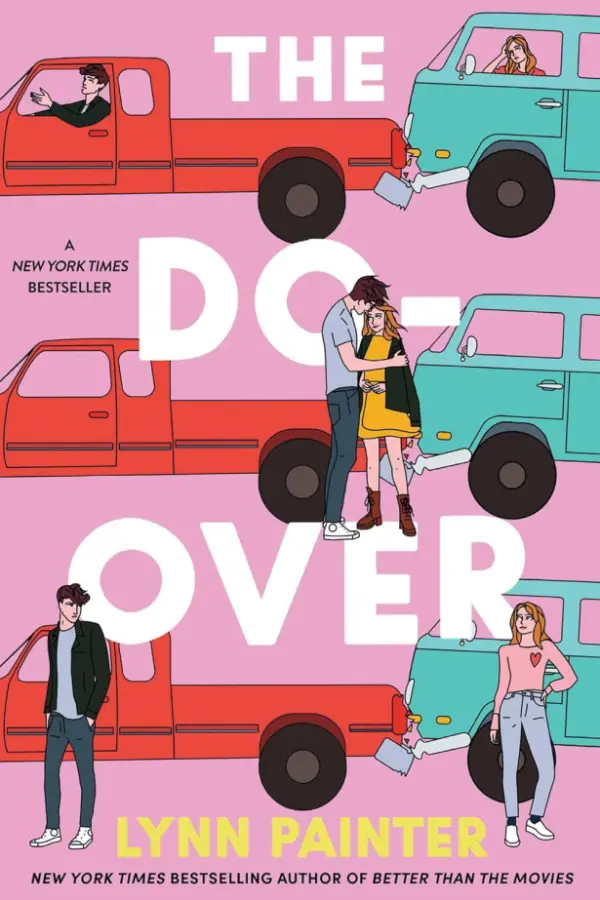
Lynn Painter
Average Goodreads rating3.9
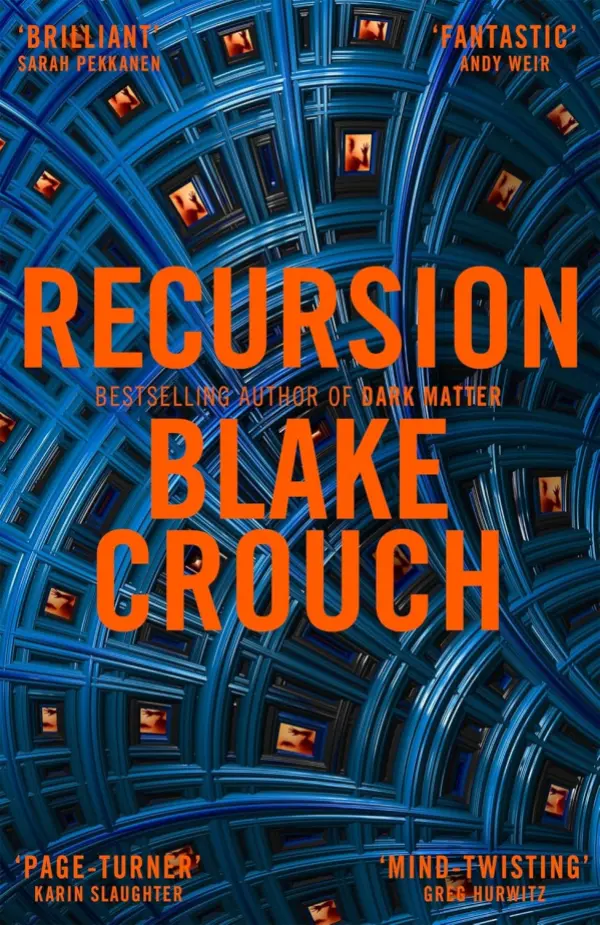
Blake Crouch
Average Goodreads rating4.4
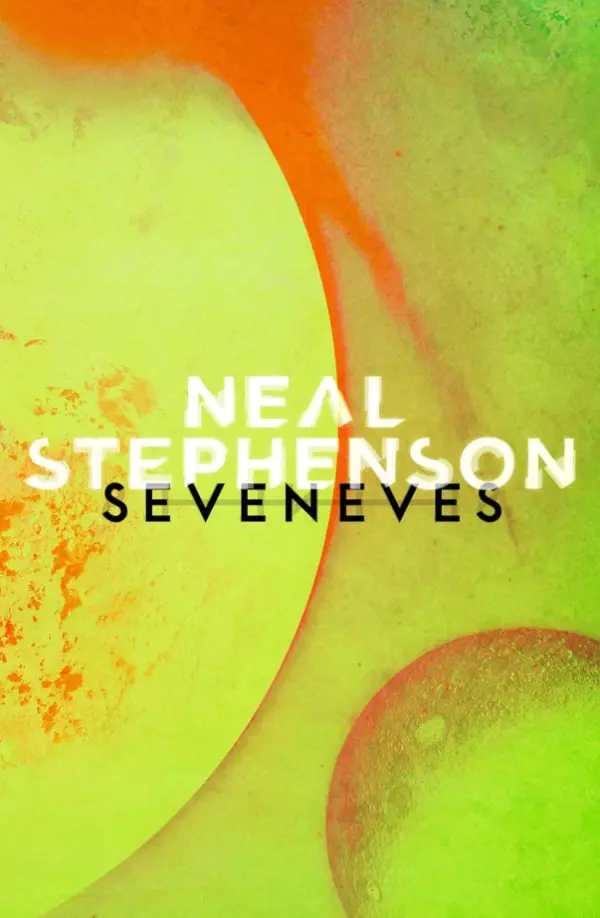
Neal Stephenson
Average Goodreads rating4.2
Emily St. John Mandel
Average Goodreads rating4.3

Orson Scott Card
Ender Quintet, book 1
Average Goodreads rating4.5
Matched via its series

James Islington
The Licanius Trilogy, book 1
Average Goodreads rating4.4
Matched via its series
Orson Scott Card
Ender Quintet, book 2
Average Goodreads rating4.5
Matched via its series

James Islington
The Licanius Trilogy, book 2
Average Goodreads rating4.4
Matched via its series
Orson Scott Card
Ender Quintet, book 4
Matched via its series
Orson Scott Card
Ender Quintet, book 5
Matched via its series

James Islington
The Licanius Trilogy, book 3
Average Goodreads rating4.6
Matched via its series
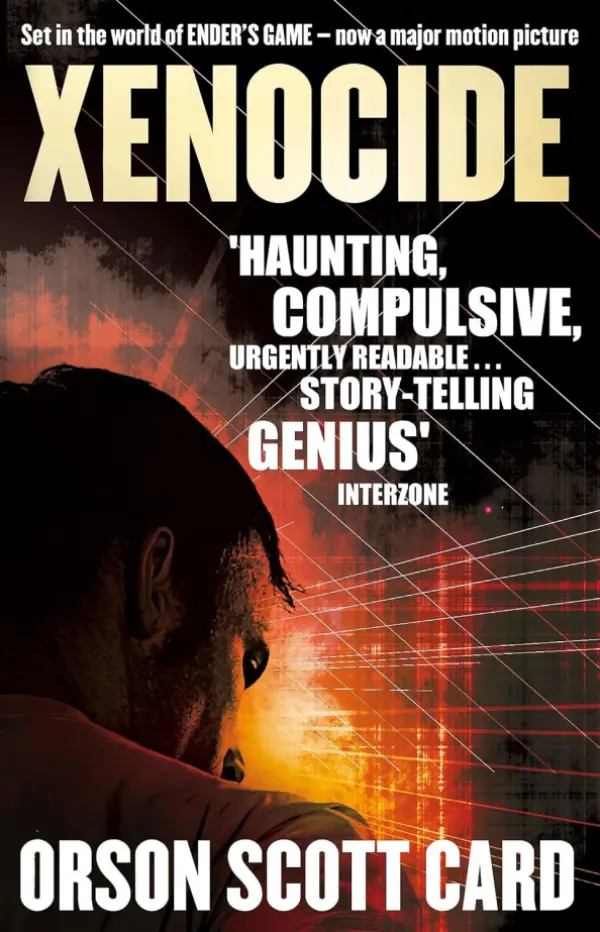
Orson Scott Card
Ender Quintet, book 3
Matched via its series
Tropes that share the most books with Time Travel
Time travel is exactly what it sounds like — and yet somehow endlessly surprising. A character moves through time in a way that defies the ordinary rules of cause and effect, landing in a different era whether by choice, accident, or forces entirely beyond their control. They might slip back centuries to a world of candlelight and corsets, leap forward into a future that feels both wondrous and precarious, or find themselves lurching unpredictably between moments with no reliable way home.
Readers are drawn to it for the same reason writers keep returning to it: time travel creates immediate, structural tension. The moment a character is displaced, almost everything around them becomes a problem to solve — language, custom, danger, loyalty, love. The clock is always running, even when the century is wrong.
The trope hinges on displacement. Someone who belongs to one moment in time must now navigate another, and the friction that creates drives the story forward. That friction can be practical (how do you explain a mobile phone in medieval Scotland?) or deeply emotional (what does it mean to love someone you may never see again across the span of centuries?).
Fantasy and romance both use time travel to amplify stakes in ways other tropes struggle to match. In fantasy, it raises questions about fate, free will, and whether the past can — or should — be changed. In romance, it forces characters together in circumstances so unusual, so stripped of ordinary social scaffolding, that their connection has to be built from scratch. There's no slow burn quite like one where the lovers don't even share a century.
Time loops deserve a mention here too. A character reliving the same day or sequence of events is a variant of the broader trope, and it carries its own particular flavour of dread and dark comedy — the exhaustion of repetition, the strange intimacy of knowing exactly what someone will say before they say it.
The mechanics of how time travel works vary enormously, and those mechanics shape the tone of the whole story. Some books treat it as a curse — involuntary, painful, and isolating. Others frame it as a gift, a portal, or a consequence of magic the characters must learn to wield. Standing stones feature rather frequently in the Scottish Highlands subgenre. Ancient artefacts, mysterious libraries, and celestial events have all served as catalysts.
Then there's the question of whether the past can be altered. Stories that say yes tend towards high-stakes adventure, where every small action carries the weight of consequence. Stories that say no lean into tragedy and inevitability, the characters powerless against a timeline that refuses to bend. Both approaches produce very different emotional experiences, and committed readers of the trope will often have a strong preference for one over the other.
Fish-out-of-water comedy sits alongside genuine heartbreak here more comfortably than you'd expect. A time-displaced character fumbling through historical manners, discovering the violence and inequality of the past, or desperately trying not to accidentally influence their own family tree — these moments can be played for laughs, for horror, or for something quietly devastating, depending on the author's hand.
There's something about the premise that refuses to get old. Time travel stories ask the question most of us quietly turn over on sleepless nights: if you could go back, would you? And what would it cost you? The best books in this space don't answer that question easily. They sit with the impossibility of it, the grief of it, the strange exhilaration of standing in a moment that history has already decided.
Whether you're in it for the romance, the magic, the mystery of causality, or simply the pleasure of watching someone explain the concept of central heating to a bewildered Tudor, time travel fiction has a particular grip. Once it has you, it tends to keep you.
Occasional emails with new recommendations, series news and trope round-ups.