
Scythe
Neal Shusterman
Arc of a Scythe, book 1
Average Goodreads rating4.5

We independently select and recommend books. Purchases made through our links may earn us a commission, at no extra cost to you. Prices and availability are set by each retailer.
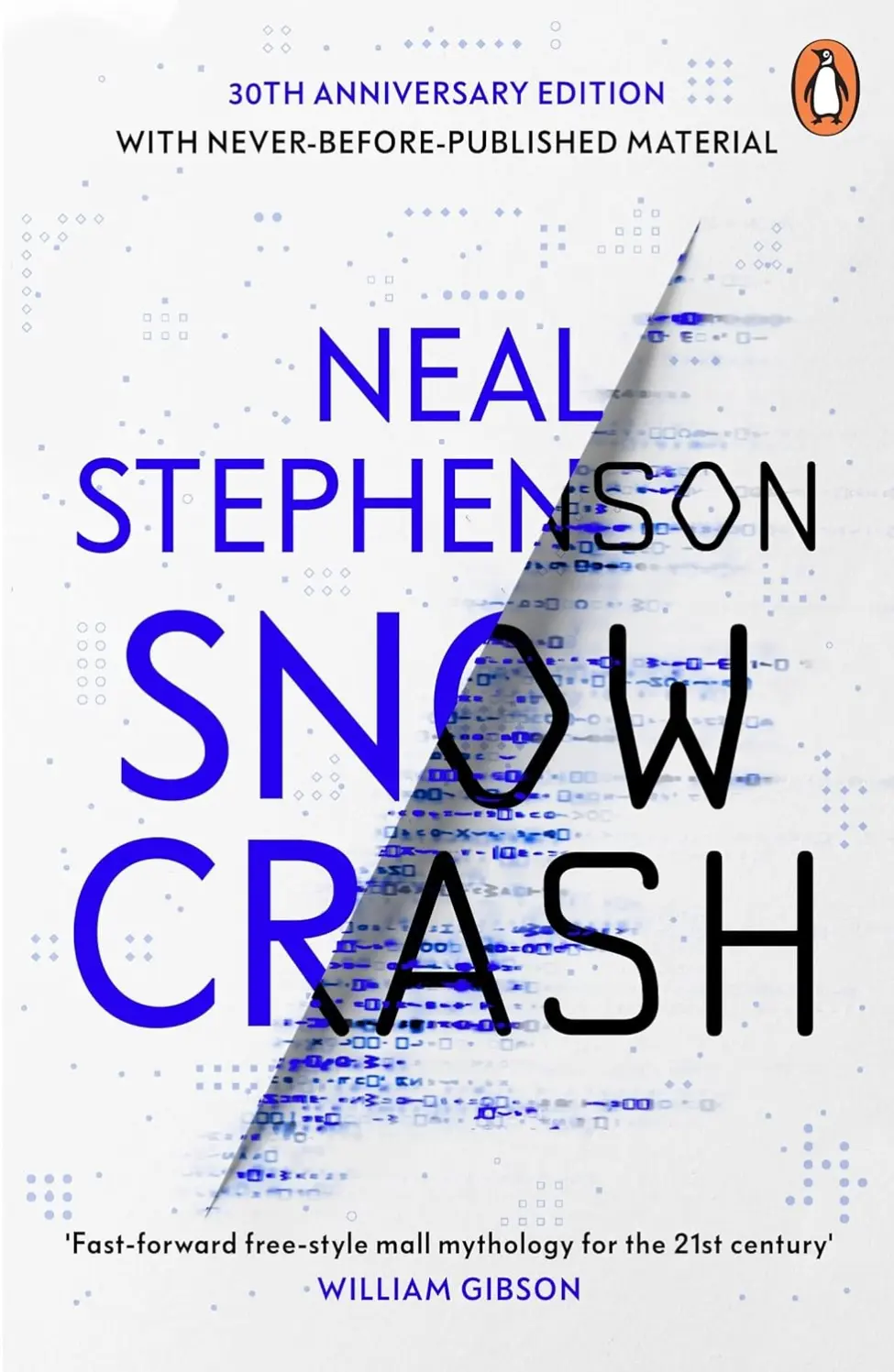
Snow Crash by Neal Stephenson follows hacker Hiro Protagonist in dystopian America and the Metaverse virtual reality. This cyberpunk classic blends Sumerian mythology, linguistics, computer viruses, and satire, creating the concept that influenced Silicon Valley.
Snow Crash is Neal Stephenson's 1992 cyberpunk novel that became one of the genre's most influential works by coining the term "Metaverse" decades before Facebook's rebrand, whilst blending frenetic action with Sumerian mythology, information theory, linguistics, and biting satire of corporate America. Following Hiro Protagonist (yes, that's his actual name), a hacker and sword-wielding pizza delivery driver for the Mafia navigating both a balkanized near-future United States and an immersive virtual reality called the Metaverse, the novel delivers Stephenson's most accessible work - fast-paced, visually striking, and packed with ideas about how language, religion, and computer viruses function as mind-control mechanisms - whilst establishing many cyberpunk and virtual reality concepts that shaped both science fiction and actual technology development in Silicon Valley.
The novel opens with one of sci-fi's most memorable scenes: Hiro delivering pizza for the Mafia in thirty minutes or less, racing through a fragmented America where the federal government has collapsed into irrelevance and franchise nations like "Mr. Lee's Greater Hong Kong" and various corporate enclaves have replaced traditional nation-states. It's satire with teeth - the Mafia runs pizza delivery with corporate efficiency, the CIA operates as for-profit intelligence agency, and America has become strip-mall dystopia where everything is commodified and privatized.
Hiro lives between two worlds: the disappointing reality where he's a broke pizza driver living in a storage unit, and the Metaverse - an immersive virtual reality where he's a legendary hacker and prince, his avatar one of the coolest in a digital universe where appearance and reputation matter more than physical reality. Stephenson's Metaverse concept - a shared virtual space where people interact through avatars, conduct business, socialize, and live significant portions of their lives—predicted and influenced actual VR development, with many tech entrepreneurs citing Snow Crash as inspiration.
The plot kicks off when a new drug called Snow Crash appears, affecting both the physical world and the Metaverse. But Snow Crash isn't just a drug - it's also a computer virus that can infect human brains, exploiting the theory that language itself is a virus, a programming system for human consciousness dating back to ancient Sumer. Hiro investigates alongside Y.T., a teenage skateboard courier who becomes unlikely partner, discovering that a media mogul named L. Bob Rife plans to use Snow Crash to control humanity by exploiting the linguistic "deep structure" hardwired into human brains through Sumerian mythology and the story of Babel.
Stephenson weaves genuine research about Sumerian religion, neurolinguistic programming, information theory, and the nature of consciousness into action-packed narrative. The novel's central conceit - that ancient Sumerian incorporated a command language that could directly program human wetware, and that the Biblical Tower of Babel story represents humanity developing immunity to this linguistic virus - sounds absurd but Stephenson presents it with enough technical detail and historical research to make it compellingly strange.
Y.T. provides counterpoint to Hiro's intellectual approach. She's pure action - skateboarding through traffic, deploying clever gadgets, and navigating the physical world Hiro often escapes through the Metaverse. Their unlikely partnership grounds the more esoteric mythology in human relationships and street-level stakes.
Supporting characters include Juanita, Hiro's ex-girlfriend and Metaverse co-creator whose religious software becomes key to defeating Snow Crash; Raven, a nuclear-armed Aleut terrorist with legitimate historical grievances; and Uncle Enzo, the Mafia kingpin who values honor and tradition even in corporate hellscape.
Themes of language as virus and mind control, virtual reality versus actual reality, corporate control and privatization, information as power, mythology's persistence, and satirizing American consumer culture run throughout.
The ending delivers both action climax and resolution of the linguistic-mythological mystery.
Neal Shusterman
Arc of a Scythe, book 1
Average Goodreads rating4.5
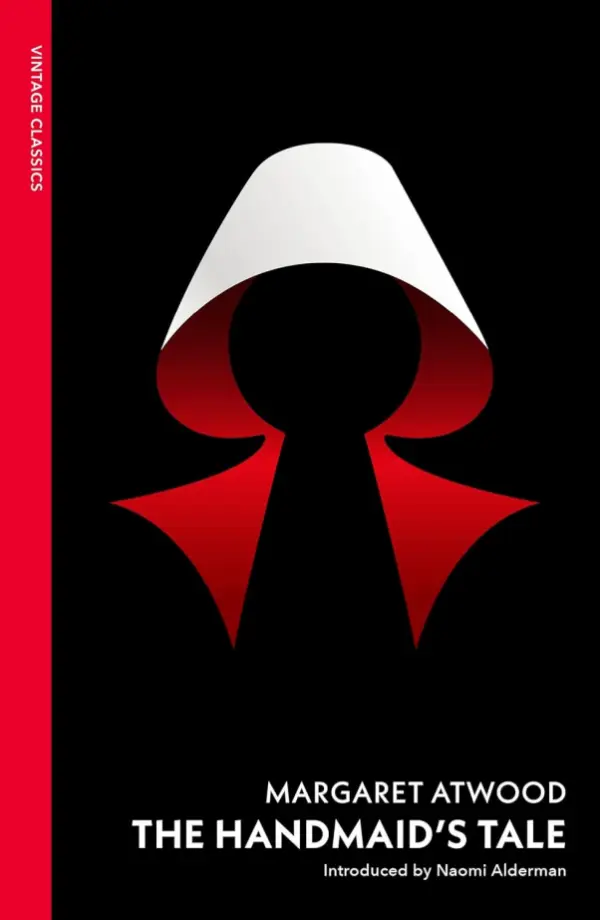
Margaret Atwood
The Handmaid's Tale, book 1
Average Goodreads rating4.4

Emily St. John Mandel
Average Goodreads rating4.2
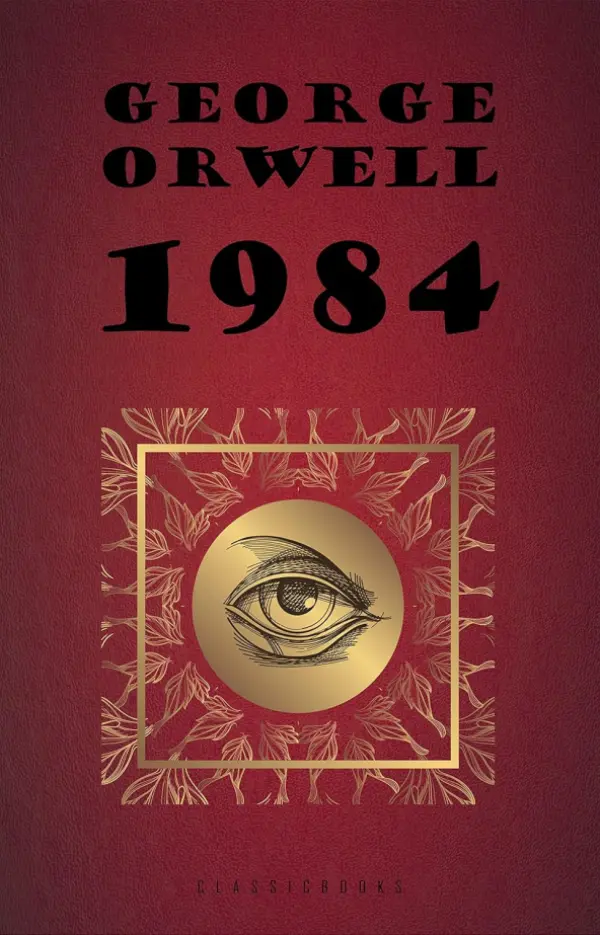
George Orwell
Average Goodreads rating4.4
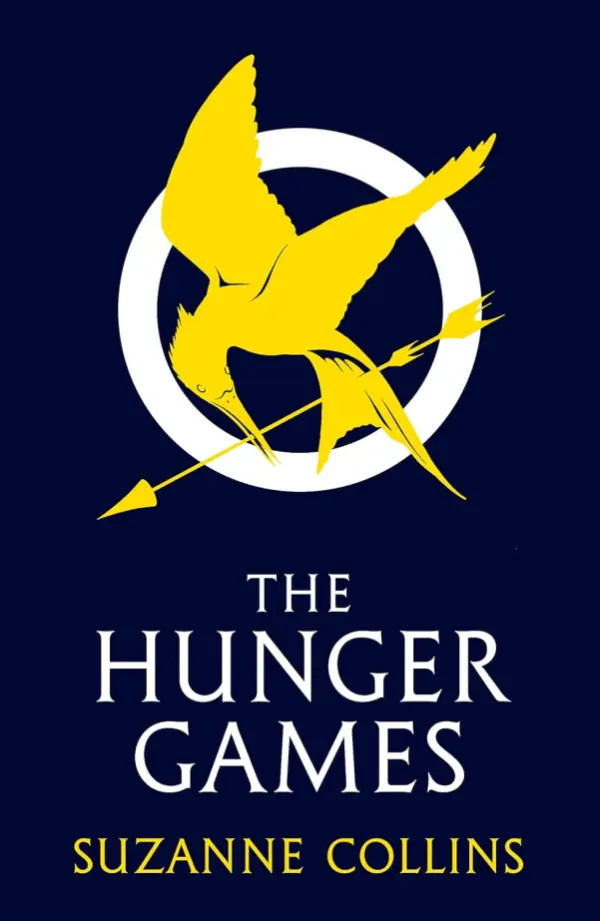
Suzanne Collins
Hunger Games, book 1
Average Goodreads rating4.7

Blake Crouch
The Wayward Pines Trilogy, book 1
Average Goodreads rating4.1
Still Looking?
Further down our similarity list, but still sharing tropes and genres with this book.
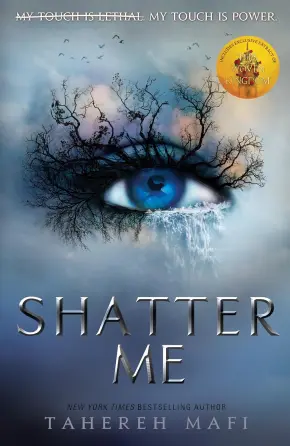
Tahereh Mafi
Shatter Me, book 1
Average Goodreads rating4.2
Buy from Amazon (opens Amazon in a new tab)
Jay Kristoff
LIFEL1K3, book 1
Average Goodreads rating4.3
Buy from Amazon (opens Amazon in a new tab)
Octavia E. Butler
Parable, book 1
Average Goodreads rating4.4
Buy from Amazon (opens Amazon in a new tab)Neal Stephenson is a renowned sci-fi author known for dense, intellectually ambitious novels. Celebrated for Snow Crash and Cryptonomicon, he crafts sprawling narratives blending technology, history, philosophy, and meticulous research with encyclopedic detail.
Books, series and tropes by Neal StephensonSnow Crash
Buy from Amazon (opens Amazon in a new tab)Occasional emails with new recommendations, series news and trope round-ups.