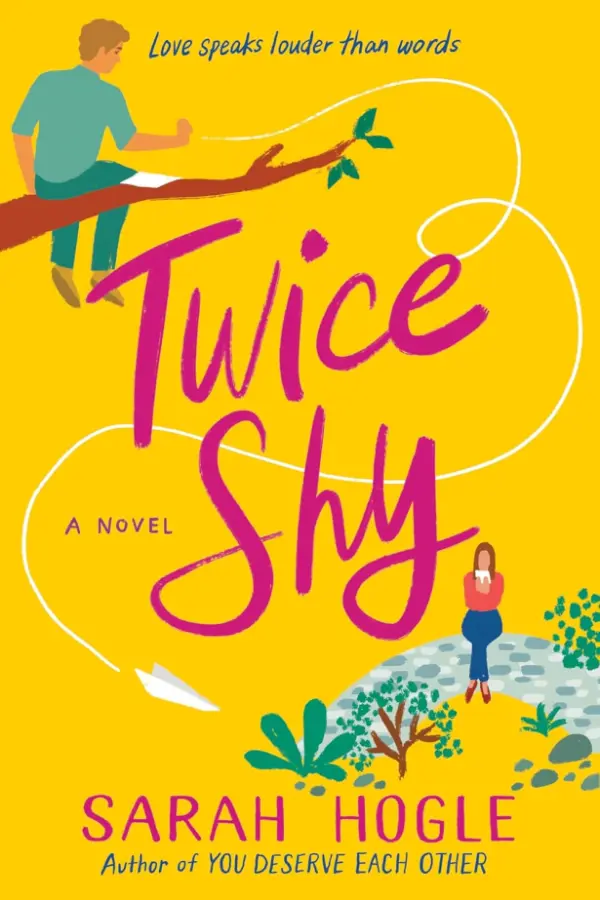
Twice Shy
Sarah Hogle
Average Goodreads rating3.6
- Enemies to Lovers
- Witty Banter & Sharp Dialogue

Book trope · 5 books
The alternate realities trope drops characters — and readers — into versions of the world that are almost familiar, but not quite. A door opens onto a corridor that shouldn't exist.
More about the Alternate Realities trope3 are tagged with Alternate Realities individually. The others belong to a series tagged with it, which doesn’t mean every book in it features the trope, so they’re marked “Matched via its series”.
Updating books…
5 books found
Sarah Hogle
Average Goodreads rating3.6
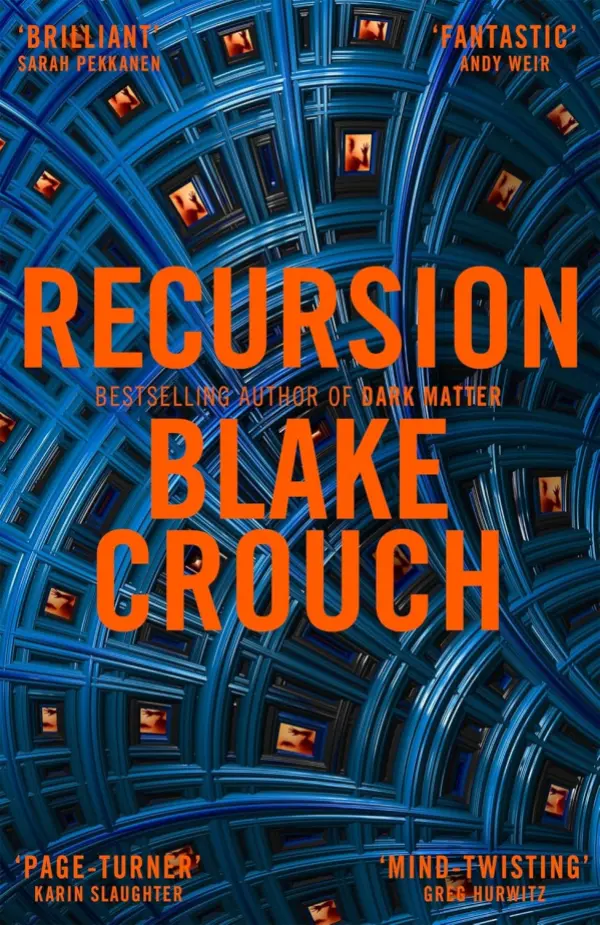
Blake Crouch
Average Goodreads rating4.4
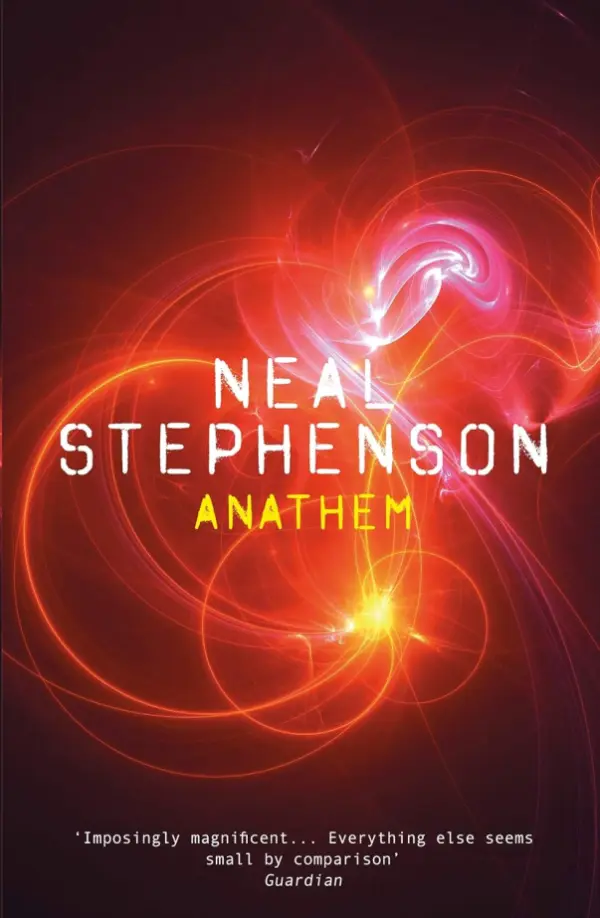
Neal Stephenson
Average Goodreads rating4.4
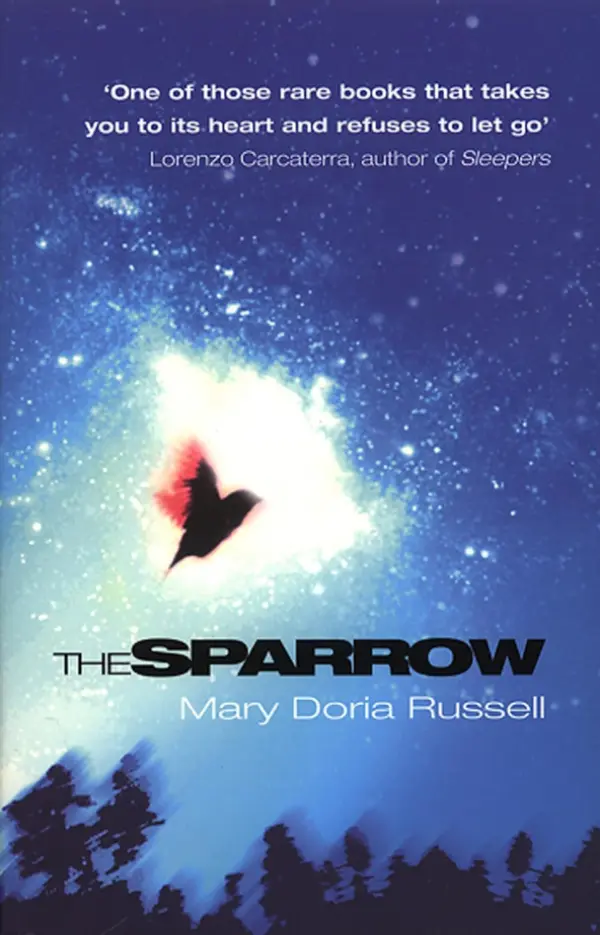
Mary Doria Russell
The Sparrow Series, book 1
Average Goodreads rating4.3
Matched via its series
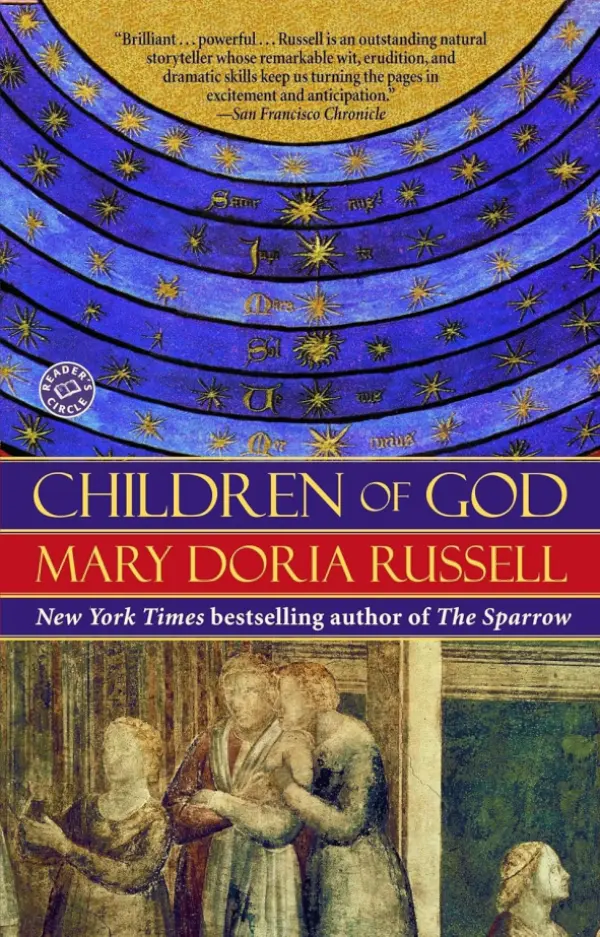
Mary Doria Russell
The Sparrow Series, book 2
Average Goodreads rating4.4
Matched via its series
Tropes that share the most books with Alternate Realities
The alternate realities trope drops characters — and readers — into versions of the world that are almost familiar, but not quite. A door opens onto a corridor that shouldn't exist. A choice is made differently. History pivots on a single moment, and everything downstream changes. What follows is a story that uses the strangeness of that divergent world to ask questions the primary one can't quite reach.
It's one of the oldest narrative devices in speculative fiction, and it remains endlessly compelling precisely because the premise is so personal. What if things had gone another way? Most of us have wondered that about our own lives. Fantasy and romance just give that wondering a literal, often spectacular, form.
At its core, the alternate realities trope hinges on contrast. The other world has to feel different enough to matter, but grounded enough to be legible. The most effective versions give their alternate settings genuine internal logic — their own politics, their own wounds, their own version of people the protagonist already knows. That last detail is where the trope gets emotionally complicated in the best way: meeting a version of someone you love, or someone you lost, who is subtly or drastically not the person you remember.
The mechanics of crossing between realities vary widely. Some stories use physical portals; others rely on magical artefacts, inherited abilities, or freak accidents of timing. Some characters can travel freely, others are trapped. The rules matter less than what the journey costs and what it forces characters to confront about their own choices and identities.
Alternate realities shade into several distinct flavours depending on the genre. In fantasy, they often take the form of parallel worlds with their own magic systems and power structures, where the protagonist arrives as an outsider trying to navigate unfamiliar rules. The fish-out-of-water tension is baked in from the first page.
In romance, the trope tends to go somewhere more emotionally raw. A character might encounter a version of their love interest who never experienced the trauma that shaped them, or who made the choice they themselves were too afraid to make. That gap — between who someone is and who they might have been — can carry enormous romantic and emotional weight. Second-chance romance, soulmate bonds, and enemies-to-lovers dynamics all land differently when one or both parties are navigating questions of which version of a person (or of themselves) is real, or right.
There's also the darker turn the trope can take: worlds that look better on the surface but demand a hidden price, or protagonists who begin to prefer the alternate to the real, raising questions about escapism, grief, and what we owe to the lives we actually have.
Alternate realities endure because they externalise something interior. Regret, curiosity, the sense that identity isn't fixed — these are abstract feelings until a story makes them walk through a door into somewhere else entirely. The best versions of this trope don't just offer spectacle. They return the character (and the reader) to their own world changed, carrying something they couldn't have found anywhere else.
It's fantasy and romance doing what they do best: using the impossible to illuminate the ordinary.
Occasional emails with new recommendations, series news and trope round-ups.