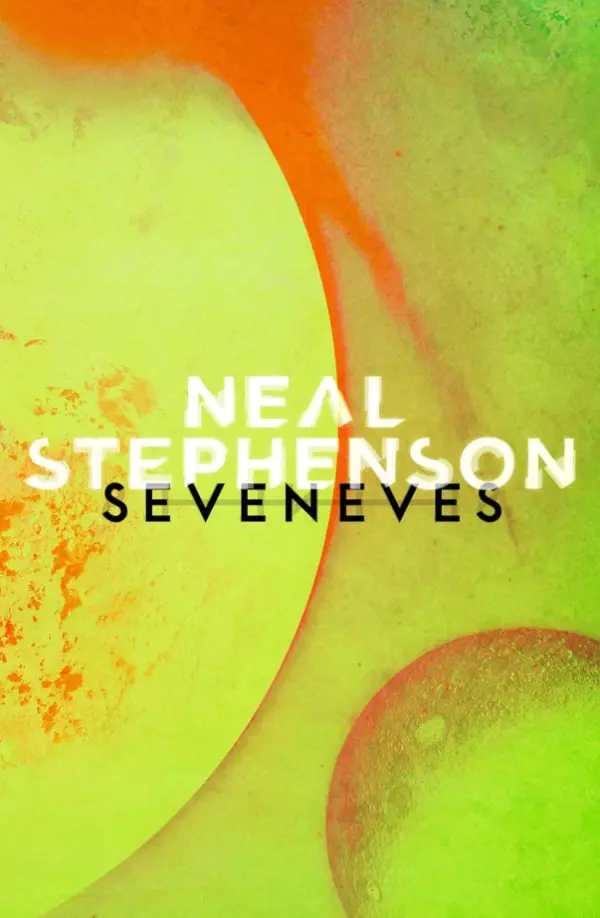
Seveneves
Neal Stephenson
Average Goodreads rating4.2
- Time Travel
- Hard Science Fiction

Book trope · 9 books
Genetic engineering in fantasy and speculative fiction covers stories where the deliberate manipulation of DNA, bloodlines, or biological inheritance sits at the heart of the plot.
More about the Genetic Engineering trope1 is tagged with Genetic Engineering individually. The others belong to a series tagged with it, which doesn’t mean every book in it features the trope, so they’re marked “Matched via its series”.
Updating books…
9 books found
Neal Stephenson
Average Goodreads rating4.2

Orson Scott Card
Ender Quintet, book 1
Average Goodreads rating4.5
Matched via its series

Margaret Atwood
The MaddAddam Trilogy, book 1
Average Goodreads rating4.4
Matched via its series

Orson Scott Card
Ender Quintet, book 2
Average Goodreads rating4.5
Matched via its series

Margaret Atwood
The MaddAddam Trilogy, book 3
Average Goodreads rating4.5
Matched via its series

Margaret Atwood
The MaddAddam Trilogy, book 2
Average Goodreads rating4.4
Matched via its series

Orson Scott Card
Ender Quintet, book 4
Matched via its series
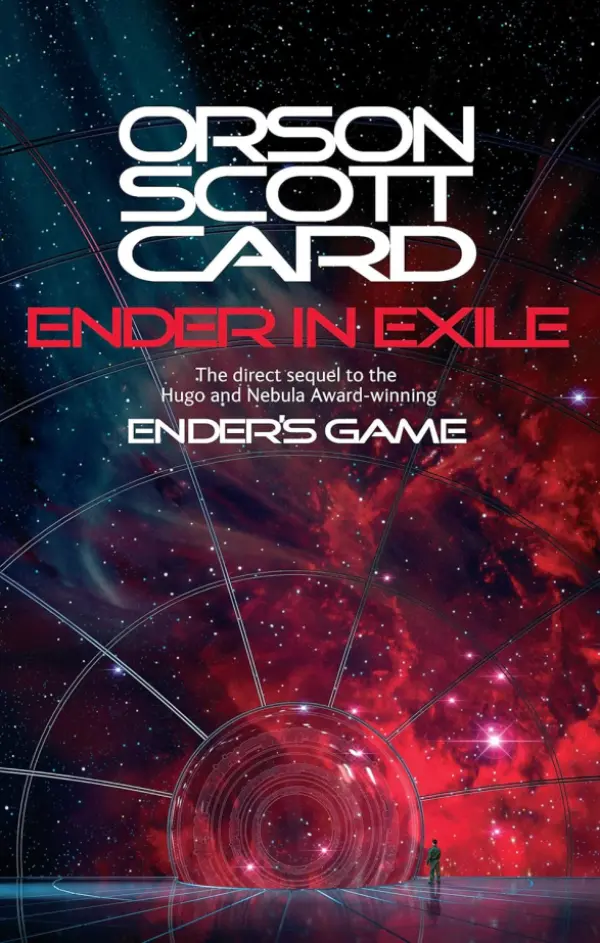
Orson Scott Card
Ender Quintet, book 5
Matched via its series

Orson Scott Card
Ender Quintet, book 3
Matched via its series
Tropes that share the most books with Genetic Engineering
Genetic engineering in fantasy and speculative fiction covers stories where the deliberate manipulation of DNA, bloodlines, or biological inheritance sits at the heart of the plot. Characters might be designed, grown, spliced, or modified — sometimes with their knowledge and consent, sometimes without either. The science can be rigorous and near-future, or loosely biological, folded into a magic system where genes and spells blur into one another. What defines the trope isn't the technical detail but the central question it raises: when something fundamental about a person has been shaped by another's hand, what does that mean for identity, autonomy, and humanity?
It's a trope that arrived with Frankenstein and never really left. Today it runs through dystopian YA, grimdark fantasy, science fantasy, and literary speculative fiction alike, always carrying the same uneasy charge.
There's a reason this trope generates such fierce reader loyalty. It takes the most intimate thing imaginable — the body itself — and makes it a site of conflict. Protagonists built or altered for a purpose tend to spend the entire narrative grappling with whether that purpose is a destiny or a cage. That tension is genuinely compelling, because it mirrors real anxieties about agency, inheritance, and what we owe to those who made us.
The emotional stakes are also unusually high. A character who discovers they were engineered rarely just adjusts and moves on. The revelation tends to reshape every relationship, every memory, every ambition. Readers invest hard in watching someone work out who they are when the self has been partly authored by someone else.
A few elements recur across almost every story in this category. There's usually a creator figure — a corporation, a government, a scientist, a god-equivalent — whose motivations the reader gradually unpicks. There's a created or modified subject whose interiority is the emotional core of the story. And there's almost always a reckoning, a moment when the engineered character confronts the fact of their own construction.
The politics of the trope matter too. Genetic engineering stories tend to ask uncomfortable questions about eugenics, about which traits are valued and which are corrected out of existence, about who gets to decide what a perfect human looks like. The best examples don't let readers sit comfortably on the outside of those questions — they make the systemic horror feel personal.
In dystopian fiction, genetic engineering often underpins rigid social hierarchies: designed castes, assigned roles, the spectre of a population sorted by biological function before birth. In science fantasy, the manipulation of genetics might be indistinguishable from magic, with bloodline curses and hereditary powers reframed through a biological lens. Horror-adjacent takes lean into body anxiety, the wrongness of a form that has been altered without consent. And then there are the stories that centre the engineers rather than the engineered — narratives about scientists or rulers who believed they were building something better, and the consequences that follow from that certainty.
Across all of it, the trope refuses easy answers. Designed or born, engineered or evolved — the question of what makes a person fully themselves turns out to be harder to settle than any laboratory ever anticipated.
Occasional emails with new recommendations, series news and trope round-ups.