Project Hail Mary
Andy Weir
Average Goodreads rating4.6
- First Contact with Alien Species
- Memory Loss

We independently select and recommend books. Purchases made through our links may earn us a commission, at no extra cost to you. Prices and availability are set by each retailer.
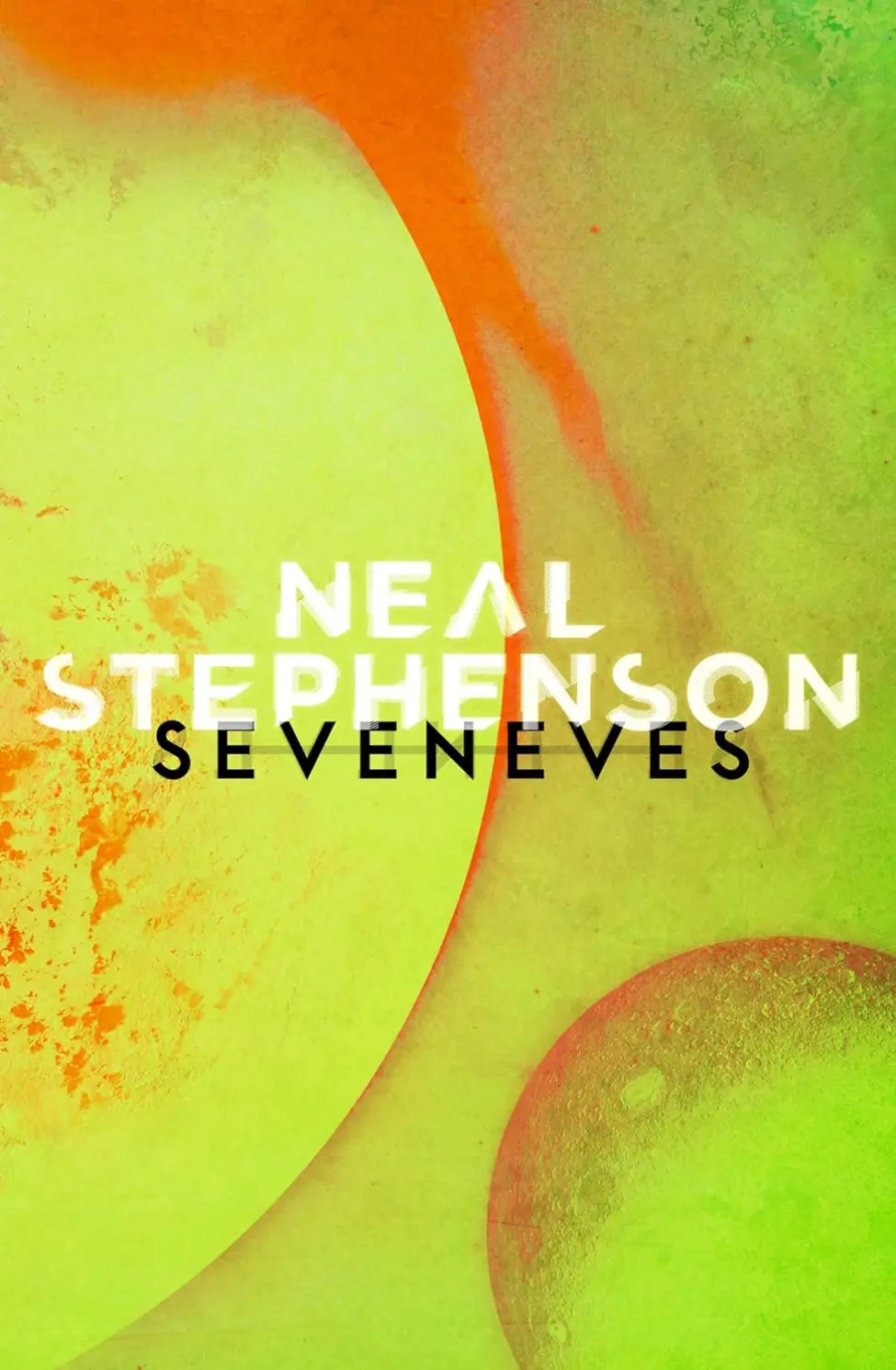
Seveneves by Neal Stephenson follows humanity's desperate survival after the Moon explodes. This hard sci-fi epic spans near-future orbital mechanics struggles and far-future civilization rebuilding, delivering meticulous technical detail and ambitious scope.
Seveneves is Neal Stephenson's 2015 hard science fiction novel that asks a deceptively simple question: What if the Moon exploded? Following humanity's desperate two-year race to preserve the species before Earth becomes uninhabitable, and then jumping 5,000 years forward to examine the civilization descendants built, the novel demonstrates Stephenson's commitment to thorough exploration of ideas regardless of page count (880 pages) or pacing concerns. Through meticulous attention to orbital mechanics, space habitat engineering, genetic preservation, and the political/social challenges of survival, Stephenson crafts his most scientifically rigorous work - a novel that demands patience whilst rewarding readers seeking hard SF that doesn't hand-wave the physics or simplify the impossible choices facing humanity when extinction looms.
The novel opens with a mystery: the Moon has broken into seven large pieces, an event dubbed the "Agent" that scientists cannot explain. But the cause matters less than the consequence - the fragments will continue colliding, creating exponentially more debris until a predicted "Hard Rain" bombards Earth with meteors, raising surface temperatures enough to sterilize the planet. Humanity has approximately two years before the Hard Rain begins and roughly 5,000 years before Earth might cool enough to support life again.
The first two-thirds of the novel follows the desperate scramble to preserve humanity through the International Space Station. With no time to build massive generation ships or establish self-sufficient off-world colonies, humanity faces brutal triage: who gets chosen for survival, what knowledge to preserve, how to maintain enough genetic diversity, and whether 2,000 people in orbital habitats can possibly survive millennia whilst Earth becomes hellscape below them.
Stephenson excels at depicting the engineering challenges. The ISS becomes nucleus around which humanity builds "Cloud Ark" - a collection of space habitats, mining operations on comets for resources, and desperate improvisations as problems compound. The orbital mechanics are meticulously detailed - trajectories, delta-v calculations, Hohmann transfers - making the space survival feel grounded in physics rather than hand-waved. Readers either embrace pages explaining how to extract water from comets or find the technical digressions overwhelming.
The human element operates through various perspectives: Dinah, a robotics expert whose mining drones become essential; Ivy, the ISS commander navigating impossible decisions; Doob, the scientist who delivered humanity's death sentence; Julia, a charismatic leader whose political maneuvering threatens fragile cooperation; and others representing different nations, disciplines, and approaches to survival. Stephenson doesn't shy from depicting the political fractures, personality conflicts, and desperate decisions - including who lives and who dies - that accompany existential crisis.
The narrative's midpoint delivers the Hard Rain and its aftermath, showing whether humanity's preparations proved sufficient as Earth burns below whilst the remnant struggles to survive in space with dwindling resources, failing systems, and the reality that most won't make it.
The final third jumps 5,000 years forward, revealing what happened to survivors' descendants. The seven "Eves" who eventually remained (hence the title) became founders of distinct genetic lines, each adapted for different purposes and holding different cultural values. The far-future section explores how their descendants - now numbering billions again - have rebuilt civilization around Earth whilst maintaining the genetic and cultural divisions that originated in desperate survival choices.
This structural split divides readers. Some find the far-future section fascinating worldbuilding showing long-term consequences; others feel it's essentially separate novel lacking the first two-thirds' urgency. Stephenson uses it to explore how survival's desperate compromises become future generations' defining cultural characteristics.
Themes of humanity's survival instinct, how crisis reveals character and creates cultural divisions, engineering versus politics, genetic preservation and diversity, and long-term consequences of desperate choices run throughout.
Andy Weir
Average Goodreads rating4.6
Orson Scott Card
Ender Quintet, book 2
Average Goodreads rating4.5
Robert A. Heinlein
Average Goodreads rating4.4

Frank Herbert
Dune, book 1
Average Goodreads rating4.3
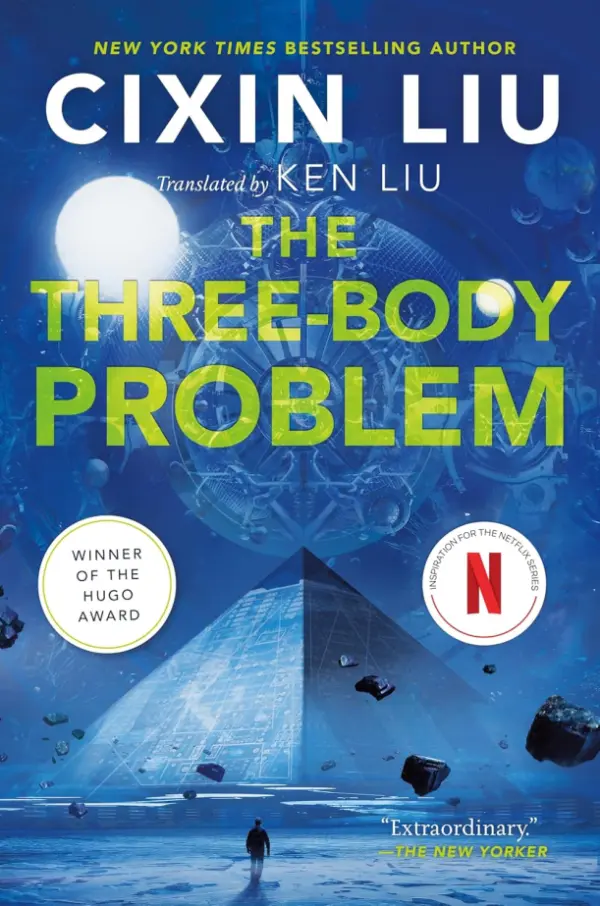
Liu Cixin
The Three-Body Problem, book 1
Average Goodreads rating4.1

Margaret Atwood
The MaddAddam Trilogy, book 1
Average Goodreads rating4.4
Still Looking?
Further down our similarity list, but still sharing tropes and genres with this book.
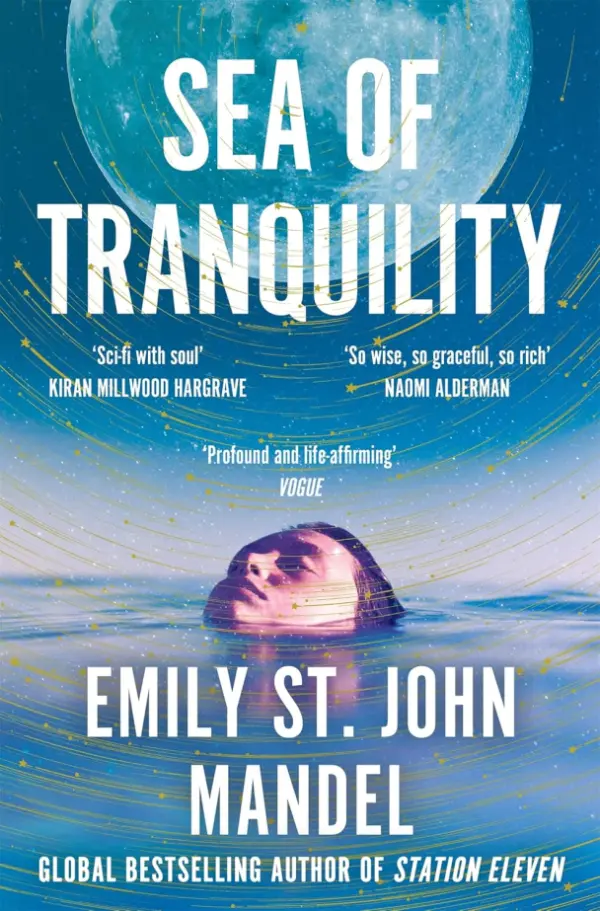
Emily St. John Mandel
Average Goodreads rating4.3
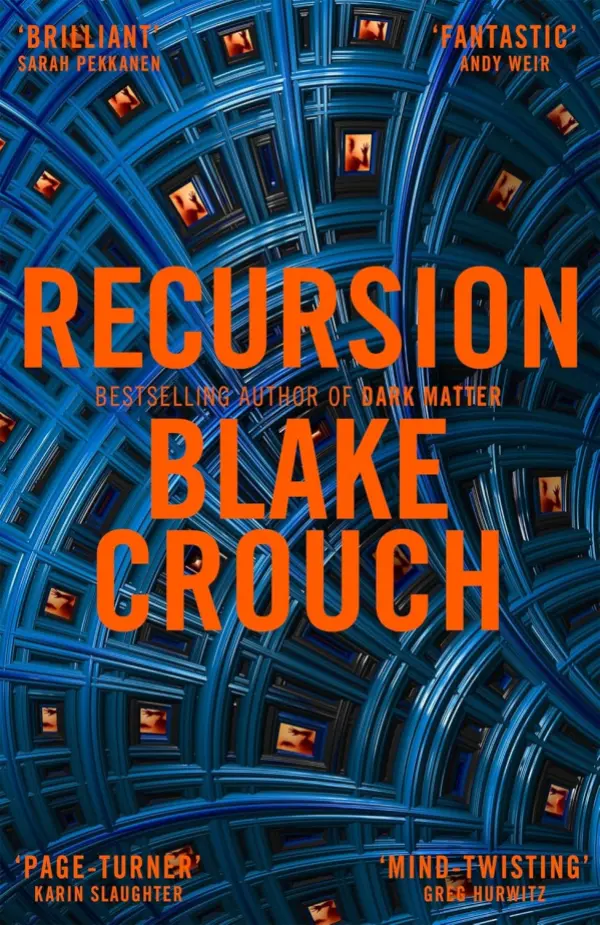
Blake Crouch
Average Goodreads rating4.4

Megan O'Keefe
The Scorched Continent, book 1
Average Goodreads rating4.1
Buy from Amazon (opens Amazon in a new tab)Neal Stephenson is a renowned sci-fi author known for dense, intellectually ambitious novels. Celebrated for Snow Crash and Cryptonomicon, he crafts sprawling narratives blending technology, history, philosophy, and meticulous research with encyclopedic detail.
Books, series and tropes by Neal StephensonOccasional emails with new recommendations, series news and trope round-ups.